About This Guide

The right dog breed depends entirely on your actual life, not the life you imagine you might live someday. A Border Collie is not right for someone who works long hours in a small apartment. A Greyhound might be. A Golden Retriever is wonderful with children. A Chow Chow is not. This guide walks you through the most common lifestyle situations — apartments, kids, running, allergies, low maintenance, working from home — and gives you a short list of breeds that genuinely thrive in each one. Read your section, pick your top two or three, then go meet some dogs in person before you fall in love with a photo online.

Which Dog Breed Is Right for You? The Buying Guide

Which Dog Breed Is Right for You? The 2026 Lifestyle MatcherPhoto by Masood Aslami / Pexels

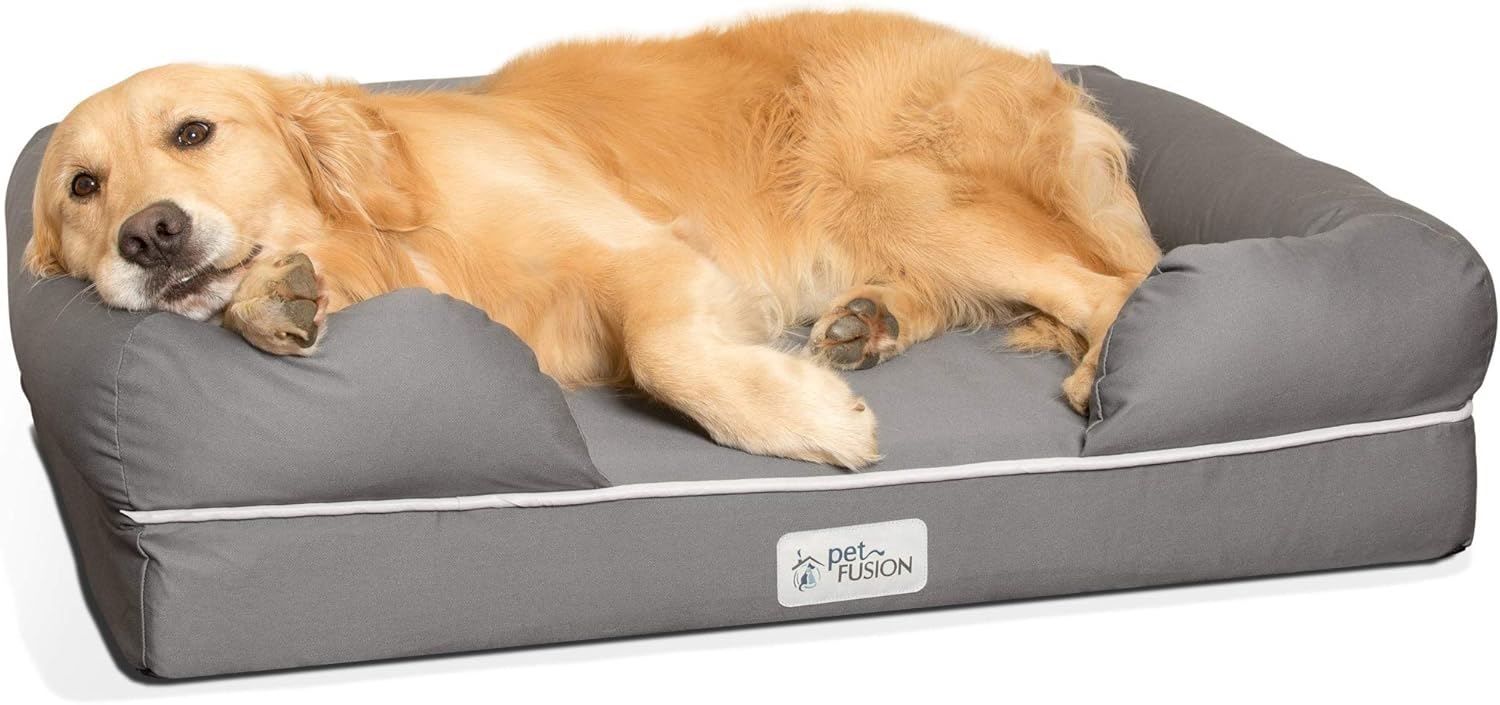
Quick Verdict: Our top pick is the PetFusion Ultimate Dog Bed, Orthopedic Memory Foam (Essential Gear) — Your new dog deserves a bed they actually want to sleep in. Priced at $149.99.

Budget Pick: The PetSafe 6-Foot Nylon Leash Dog Leash at $5.24 — Every dog needs a reliable leash for those first weeks of training and neighborhood walks.

Golden Retriever
French Bulldog
Labrador Retriever
Border Collie
Cavalier King Charles
German Shepherd
Best All-Around

## Best Budget Starter: PetSafe 6-Foot Nylon Dog Leash

It is not buying the wrong car. It is not picking the wrong neighborhood. The most expensive mistake many people make — financially, emotionally, and in terms of sheer household chaos — is getting the wrong dog breed for their lifestyle.

This is not a small thing. Dogs live 10 to 15 years. A high-energy working dog in a studio apartment does not mellow out over time. A breed prone to separation anxiety does not learn to enjoy being alone just because you bought a nice crate. A dog that was bred to herd sheep for eight hours a day will find other things to organize if you do not provide an outlet — and those things will be your furniture, your children, and your sanity.

The shelters are full of dogs whose owners fell in love with a breed based on a movie, a celebrity Instagram account, or a single adorable puppy they met at a friend's house. They did not research the adult dog. They did not think about exercise requirements, grooming costs, noise levels, or what happens when the breed's instincts kick in at full force in a 900-square-foot apartment.

This guide exists to prevent that. We are going to match you to a breed the way a good matchmaker would — honestly, based on who you actually are, not who you want to be.

Let's start with where you live.

---

## "I Live in an Apartment"

Good news: plenty of wonderful dogs do great in apartments. The key is not size — it is energy level, noise, and how much the dog needs to be the center of the universe at all times. A calm large dog beats a frantic small dog in an apartment every single day of the week.

2026 Best & Worst Dog Foods

The Bichon Frise is a small, fluffy, perpetually cheerful dog that looks like someone crossed a cloud with a stuffed animal and gave it an excellent attitude. They typically weigh between 12 and 18 pounds, which your building's weight limit will appreciate.

Personality snapshot: Friendly, playful, adaptable. They love people, do reasonably well with strangers, and have a talent for making everyone in the room feel like they are the favorite. They are not prone to excessive barking, which makes them neighbors-optional in the best possible way.

Energy level: Moderate. They need a couple of short walks a day and some indoor play, but they are not going to vibrate through the walls demanding a 10-mile run.

Grooming: This is the catch. The Bichon's curly coat does not shed much (great for allergies), but it needs professional grooming every 6 to 8 weeks. Budget around $60 to $90 per appointment.

Monthly cost estimate: $80 to $150, factoring in food, grooming, and the occasional vet visit amortized over a year.

The honest truth: Bichons can develop separation anxiety if you leave them alone for long stretches. If you work 10-hour days and live alone, a Bichon might spend your work hours redecorating your apartment with their anxiety. Consider a dog walker or a second pet.

The French Bulldog has become one of the most popular apartment dogs in the world, and for good reason. They are compact (20 to 28 pounds), low-energy, and have the demeanor of a retired philosophy professor who has seen it all and found most of it amusing.

Personality snapshot: Affectionate, adaptable, mildly stubborn. Frenchies are devoted to their people and do not require marathon exercise sessions. They are happy with a couple of walks a day and a spot on the couch next to you.

Energy level: Low to moderate. They will play enthusiastically for 20 minutes, then collapse dramatically and sleep for four hours.

Grooming: Minimal. Short coat, minimal shedding. Clean the skin folds around their nose weekly to prevent irritation.

Monthly cost estimate: $100 to $150, though vet costs can spike. Frenchies are a brachycephalic (flat-faced) breed, which means they can have breathing issues, overheating problems, and a list of potential health concerns that your vet will walk you through at length.

The honest truth: French Bulldogs can be expensive to own long-term due to health issues. Pet insurance is not optional with this breed — it is a financial necessity. Budget for it before you fall in love.

How to Choose the Perfect Dog Breed

If you looked up "lapdog" in a very good dictionary, you would find a picture of a Cavalier King Charles Spaniel gazing adoringly at someone. These dogs exist to be with you. They are gentle, quiet, and utterly convinced that the best place in the world is wherever you are sitting.

Personality snapshot: Sweet, gentle, people-oriented to a degree that borders on poetic. They get along with everyone — other dogs, children, strangers, the mail carrier, your skeptical cat.

Energy level: Moderate. They enjoy walks and some playtime but are also genuinely content to spend an afternoon being a very decorative lap accessory.

Grooming: Medium effort. Their silky coat needs brushing several times a week and professional grooming every couple of months.

Monthly cost estimate: $80 to $130.

The honest truth: Cavaliers are prone to a serious heart condition called mitral valve disease. It affects the majority of the breed by age 10. This is not a reason not to get one — they are wonderful dogs — but go in with your eyes open and your vet relationship strong.

Watch Before You Buy

At a Glance

#ProductAwardPriceOur Score
1
PetFusion Ultimate Dog Bed, Orthopedic Memory FoamPetFusion Ultimate Dog Bed, Orthopedic …
Best Overall $149 9.2 Buy →
2
PetSafe 6-Foot Nylon Dog LeashPetSafe 6-Foot Nylon Dog Leash
Start Here $5 8.9 Buy →
3
Joansan Interactive Dog Puzzle Toys Mentally Stimulating Treat Dispenser TrainingJoansan Interactive Dog Puzzle Toys Men…
Mental Health Essential $17 8.5 Buy →

Showing 3 of 3 products

Our Top Pick
PetFusion Ultimate Dog Bed, Orthopedic Memory Foam

PetFusion Ultimate Dog Bed, Orthopedic Memory Foam

$149
at Amazon
Best for: Medium to large dogs of any age who need quality orthopedic support, particularly dogs with developing or existing joint sensitivities

“The PetFusion Ultimate Dog Bed delivers on its orthopedic claims with a genuine 4-inch memory foam base, a thoughtful two-layer cover system that protects the foam, and a bolster design that most dogs”

See Today’s Price →

What we like

  • 4-inch solid memory foam base provides genuine orthopedic support
  • Water-resistant inner liner protects foam from accidents and spills
  • Removable outer cover is machine washable for easy cleaning
  • Bolster design on three sides satisfies dogs who prefer to rest against a surface
  • CertiPUR-US certified foam ensures no harmful chemicals

Watch out for

  • Premium price is among the highest in the category for standard use
  • Very large dogs (90+ lbs) may need the XXL size which carries additional cost
See Today’s Price →
Read Full Analysis

The PetFusion Ultimate Dog Bed at $149.99 is the orthopedic dog bed that delivers on the "orthopedic" claim with a real 4-inch memory foam base rather than the thin foam layers that discount orthopedic beds use. The two-layer cover system — a removable waterproof inner liner and a washable outer cover — protects the foam from the accidents and moisture that destroy most dog beds within months. The bolster border gives dogs a headrest option and helps dogs who like to sleep curled against a raised edge. On a dog breed guide page, the PetFusion is the bed recommendation for new dog owners who want to make one quality purchase rather than replacing cheaper beds annually. At $149.99, it costs more than most consumer dog beds — the memory foam quality and cover system justify the premium for dogs over 40 lbs where a bed's life expectancy under daily use determines total cost.

Full Specs & Measurements
Upc859473002277
AsinB00TQ47CPW
Foam4" solid memory foam base
Screen SizeLarge (36x28")
ColorSlate Grey
CoverRemovable, machine-washable
LinerWater-resistant inner liner
SizesSmall through XXL
DesignBolster sides on three sides
PatternSolid
Item FormBolster
Brand NamePetFusion
Item ShapeRectangular
Unit Count1 Count
Item Weight14 Pounds
ManufacturerPetFusion, LLC.
Model NumberPF-IBL1
Fill MaterialMemory Foam
Material TypeCotton, Polyester
CertificationsCertiPUR-US certified foam
Cover MaterialPolyester
Dog Breed SizeLarge, Medium
Item Type NameBed
Product BenefitsProvides superior comfort and easy cleaning
Best Sellers Rank#16,240 in Pet Supplies (See Top 100 in Pet Supplies) #235 in Dog Beds
Included ComponentsMemory foam mattress, water resistant foam liner, Removable & washable cover, Polyfilled bolster cushion
Breed RecommendationLarge, Medium
Warranty Description12 month warranty for any issue arising from a manufacturing defect
Customer Package TypeStandard Packaging
Manufacturer Part NumberPF-IBL1
Product Care InstructionsMachine Wash
Recommended Uses For ProductIndoor
Maximum Weight Recommendation50 Pounds
Item Dimensions L X W X Thickness36"L x 28"W x 9"Th
Global Trade Identification Number00859473002277
Other Special Features Of The ProductRemovable Cover, Breathable, Washable, Water Resistant, Durable, Non Skid Bottom, Orthopedic,
Also Excellent
PetSafe 6-Foot Nylon Dog Leash

PetSafe 6-Foot Nylon Dog Leash

$5
at Amazon
Best for: New puppy owners and budget pet parents who need a basic, reliable nylon leash

“The PetSafe nylon leash is the reliable, affordable everyday option for pet owners who need a functional leash without premium features. It's the sensible choice for puppies learning to walk on leash,”

See Today’s Price →

What we like

  • Affordable price makes it easy to keep multiples around for different situations
  • PetSafe brand reliability with consistent quality control
  • Standard 6-foot length appropriate for most everyday use
  • Easy to find in pet stores and online for replacement
  • Good option for puppies who may chew through their first leash

Watch out for

  • Flat nylon is rougher on bare hands than braided nylon over extended walks
  • Nickel-plated zinc hardware is less durable than brass or stainless steel
  • Will not last as long as premium braided options
See Today’s Price →
Full Specs & Measurements
Upc759023013466
AsinB000H594RS
Screen Size1 in. x 6 ft.
TypeFixed length
ColorBlack
Sizes3/4" (medium dogs) and 1" (large dogs)
ColorsMultiple
Length6 feet
PatternDog
HardwareNickel-plated zinc snap hook
MaterialFlat nylon webbing
Brand NamePetSafe
Unit Count1 Count
Closure TypeSnap
ManufacturerRadio Systems Corporation
Material TypeNylon
Dog Breed SizeLarge, Medium, Small
Item Type NameDog Leash
Target SpeciesDog
Best Sellers Rank#1,838 in Pet Supplies (See Top 100 in Pet Supplies) #7 in Standard Dog Leashes
Included Components1 Dog Leash
Warranty Description1 Year Limited
Item Dimensions L X W72"L x 1"W
Worth Considering
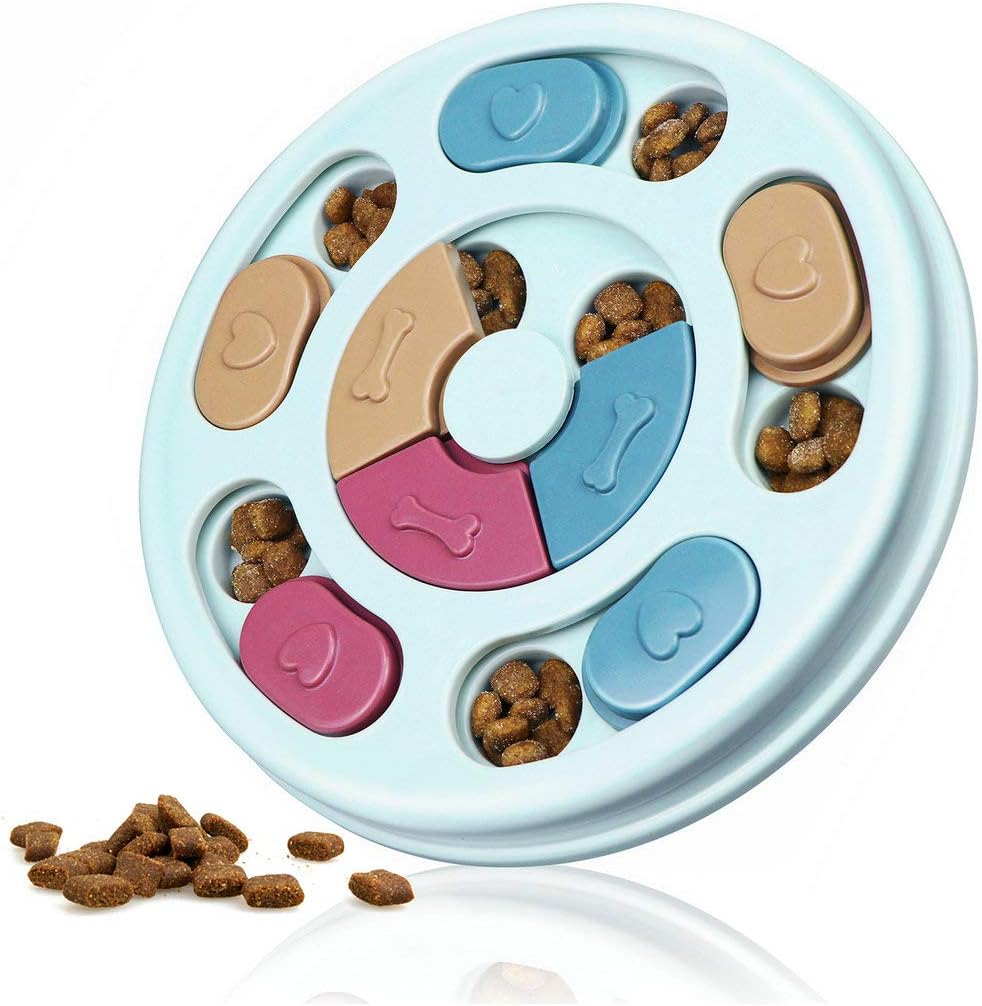
Joansan Interactive Dog Puzzle Toys Mentally Stimulating Treat Dispenser Training

Joansan Interactive Dog Puzzle Toys Mentally Stimulating Treat Dispenser Training

$17
at Amazon
Best for: Dogs in training who benefit from treat-reward puzzle engagement

“A solid training-friendly puzzle toy. Joansan's treat dispenser works well as part of positive reinforcement training - the mental challenge and treat reward maintain engagement during training sessio”

See Today’s Price →

What we like

  • Treat dispensing reward system reinforces positive training behaviors
  • Mental stimulation reduces anxiety and boredom-related behaviors
  • Multiple compartment design provides varied challenges
  • Digestion aid function - slows eating pace
  • Good for training focus and problem-solving

Watch out for

  • Less variety than the HOUNDGAMES 6-piece set
  • Can be too simple for very smart dogs
See Today’s Price →
Full Specs & Measurements
Upc823551987404
AsinB0871V9RD4
ColorBlue
ThemeAnimals
PatternColorful
Best ForTraining and enrichment
FunctionTraining and mental stimulation
DigestionSlow feeding function
MechanismMulti-compartment treat dispenser
Brand NameJoansan
Scent NameUnscented
Unit Count1 Count
Item Weight100 Grams
ManufacturerJoansan
Model NumberPuzzle Treat Dispenser
Pet Toy TypePuzzle
Material TypePlastic
Dog Breed SizeSmall
Target SpeciesDog
Best Sellers Rank#4,561 in Pet Supplies (See Top 100 in Pet Supplies) #68 in Dog Chew Toys
Subject CharacterDog
Additional FeaturesLightweight, Portable
Breed Recommendationsmall dogs
Indoor Outdoor UsageIndoor
Age Range DescriptionYoung Pets
Water Resistance LevelWater Resistant
Manufacturer Part Number01
Item Dimensions L X W X H10"L x 10"W x 1.2"H
Recommended Uses For ProductStimulating, Training, Exercise, Mental Health, Physical Development

Frequently Asked Questions

How do I know if I'm really ready for a dog?
Honest answer: if you are asking this question with genuine uncertainty, that is a good sign. People who are not ready rarely ask. The real readiness checklist comes down to a few things. Do you have stable housing where dogs are allowed? Do you have the financial bandwidth for food, vet care, and unexpected emergencies (budget $1,000 to $3,000 a year minimum)? Do you have a plan for the dog when you travel? Can you commit to daily exercise and training, not just on days when you feel like it? If you answered yes to all of these, you are probably ready. If you have a 'maybe' on any of them, spend 30 days volunteering at a shelter first. It will either confirm your readiness or helpfully clarify what needs to be in place first.
Is it better to get a puppy or an adult dog?
Puppies are genuinely wonderful and also an enormous amount of work for the first year. You are looking at housetraining, bite inhibition training, socialization windows, sleep disruption (yes, like a baby), and chewing everything within reach. The payoff is that you shape the dog from the start and bond deeply through that process. Adult dogs, especially from rescue organizations, are often already housetrained, past the destructive chewing phase, and have a known temperament. What you see is largely what you get. The narrative that adult rescue dogs are 'damaged' is largely myth. Many end up in shelters through no fault of their own — owner moves, allergies, life changes. For first-time dog owners especially, a 2 to 4 year old adult dog is often a better match than a puppy. Consider it seriously before defaulting to puppy because it seems more exciting.
What's the real monthly cost of owning a dog?
Here is a number people rarely say out loud: plan for $150 to $300 per month for a medium-sized dog, and more for large breeds or breeds prone to health issues. This breaks down roughly as: food ($30 to $80 depending on size and quality), routine vet care amortized ($50 to $100), grooming if needed ($20 to $80), pet insurance ($30 to $60 for a young healthy dog — more for brachycephalic breeds), toys, treats, and incidentals ($20 to $40). First-year costs are higher because of initial vet visits, spay/neuter if not already done, collar, leash, crate, bed, and training classes. Budget $1,000 to $2,000 for the first year above your ongoing monthly costs.
Can I have a high-energy dog if I work full time?
Yes, but it requires a real plan, not just good intentions. High-energy dogs like Border Collies, Weimaraners, and Vizslas need 1.5 to 2 hours of genuine exercise every day. If you work 9 hours and commute, that exercise still needs to happen. This means early morning runs, a professional dog walker at midday, or doggy daycare two to three times a week. Many people successfully own high-energy dogs while working full time — they just do not rely on wishful thinking. They hire help, they wake up earlier, and they build the dog's needs into their schedule the way they would a gym membership or a commute. What you cannot do is get a Border Collie, leave it alone for 10 hours, and be surprised when it redecorates.
Do mixed breeds make better pets than purebreds?
Mixed breeds often have what is called hybrid vigor — a reduction in the genetic diseases that come from years of selective breeding within a small gene pool. They also tend to have more predictable adult temperaments than a random shelter puppy because the adult is already showing you who it is. That said, 'better' depends entirely on what you want. If you need a specific size, coat type, or known temperament (say, a low-shedding dog because of allergies, or a very gentle dog for kids), a well-bred purebred from a health-tested breeder gives you more predictability. If you fall in love with a mixed breed dog at a shelter and your lifestyle can accommodate some uncertainty, that is a wonderful choice. Neither is categorically better. The worst choice is an untested puppy from a backyard breeder or a pet store, purebred or mixed.
What's the difference between a dog that's 'good with kids' and one that merely tolerates them?
This distinction matters enormously when your children are under 6. A dog that is 'good with kids' — a Golden Retriever, a Labrador, a Beagle — actively enjoys children. They seek them out, play gently, bounce back from tail-pulling without incident, and seem to understand that small humans are in a different category. A dog that 'tolerates' kids is fundamentally different. They will not bite without warning (usually), but they are not happy about the interaction. They may stiffen when a child approaches, retreat to high ground, or give subtle stress signals that a 4-year-old cannot read. Many herding and guarding breeds fall into this second category. The issue is not that they are bad dogs — it is that they communicate in dog language that children do not speak. If your kids are young and you cannot supervise every interaction, stay within the genuinely child-loving breeds.
Should I get two dogs so they keep each other company?
Two dogs is more than twice the work. It is important to say this clearly before someone gets excited and doubles their adoption. Two dogs means double the training, double the vet costs, double the food, and — especially in the early months — double the chaos. That said, two well-matched dogs can be wonderful together. They play, they keep each other company when you are out, and some breeds (Beagles, for example) genuinely do better in pairs because they are pack animals by nature. The recommendation is to get one dog first, let it settle in for at least 6 months, and then evaluate whether a second dog makes sense. Do not get two puppies at the same time — this is called 'littermate syndrome' territory and it creates significant training and bonding problems.
What breed should I absolutely NOT get as a first dog?
Honest shortlist: Chow Chow (aloof, can be aggressive with strangers, needs an experienced handler), Akita (powerful, independent, not inherently people-friendly beyond its immediate family), Shar-Pei (stubborn, can be dog-aggressive, health issues galore), Cane Corso (200 pounds of protective instinct requires a confident, experienced owner), Dalmatian (extremely high energy and often poorly bred, which leads to behavioral issues), and the entire terrier group if you have other pets (bred to kill small animals, which instinct does not respect your cat). None of these are bad dogs in the hands of experienced owners. All of them are potentially overwhelming for someone who has never owned a dog before.
How long does it take for a dog to fully settle into a new home?
The rescue community has a useful rule of three: three days to decompress (the dog is just trying to survive the transition), three weeks to learn the routine (they start understanding the schedule and what is expected), three months to feel truly at home (this is when their real personality fully emerges). For puppies from breeders, the adjustment is often faster because there is no prior history to process. For adult rescue dogs, especially those who have been in shelters a while, the three-month timeline is real. Do not judge a rescue dog in the first week. The dog you have at month three is the dog you actually adopted.
Is there a dog breed that's like a cat — independent, quiet, doesn't need constant attention?
The Basenji is the closest answer. It is clean, quiet (does not bark), and has an independent streak that will remind you of a cat daily. The Greyhound is another solid answer — calm, not demanding, happy to sleep near you without needing to be ON you. The Shiba Inu also has very cat-like qualities: it is clean, fastidious, and will absolutely ignore you when it feels like it. The honest caveat is that no dog is truly like a cat. Dogs are social animals that need daily interaction, exercise, and some form of training to be well-adjusted. If you want a pet that is fully self-sufficient and fine with benign neglect, a cat is genuinely the right answer. If you want something with a bit more warmth and engagement than a cat but without the velcro factor of a Lab, the breeds above are your best bets.

How We Analyze Products

We analyze Amazon review data — often thousands of reviews per product — to surface patterns that individual buyers miss. Our process aggregates star ratings, review counts, and buyer sentiment at scale, identifying which strengths and weaknesses appear consistently across the largest review samples available. The 45,629+ reviews analyzed on this page represent real verified-purchase feedback from Amazon buyers.

Each product earned its placement through data: total review volume, average rating, and the specific praise and complaints that repeat most often across buyers. No manufacturer paid for placement on this page. Products appear here because buyers endorsed them at scale, not because a company asked us to feature them.

We use AI to summarize review sentiment — not to fabricate opinions, but to condense what thousands of buyers actually wrote into a readable format. The pros and cons you see reflect the most common themes found in verified purchaser reviews, paraphrased for clarity. We do not claim to have accessed Reddit, YouTube, or specific publications in generating these summaries.

Prices shown reflect Amazon pricing at the time this page was last generated. Click “See Today’s Price” to get the current live price on Amazon. Read our full methodology →

Affiliate disclosure: When you buy through our links, we may earn a small commission at no extra cost to you. This helps us keep the reviews free and the data updated. Our recommendations are based on data, not who pays us. Learn more →