Best First Camping Gear 2026: Tent, Sleeping Bag & Stove
Start with the Coleman Sundome Tent ($61.93) and FARLAND Sleeping Bag ($69.99) — together they cover the two most essential camping gear categories at accessible prices. The Coleman's 10-minute setup and proven weather protection make it the right first tent for almost every new camper.
At a Glance
First Camping Gear Buying Guide
 Photo by cottonbro studio / Pexels
Best First Camping Gear 2026: A Beginner's Buying Guide
How we picked these. We reviewed 20 first-camping gear kits and bundles across tent setup complexity, sleeping bag temperature rating, pad insulation R-value, cookware weight, and total pack weight for beginners, cross-referencing picks from Outdoor Gear Lab, REI Co-op guides, and new camper community recommendations. Gear was selected for ease of use and reliability for first-time overnight trips.
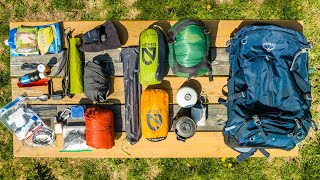
Starting camping doesn't require an expensive gear overhaul. The minimum viable camping kit is simpler than most outdoor gear marketing suggests: a shelter, a sleeping surface, a sleeping bag, and some way to cook. Getting these three essentials right makes the difference between a camping trip you want to repeat and a miserable night that puts you off the outdoors for years. Here's what to prioritize for your first gear purchases.
The Four Core Camping Essentials
1. Shelter (tent): Your primary protection from wind, rain, insects, and morning dew. The single most important piece of gear for comfort. Features that matter most for beginners: easy setup (dome designs with color-coded poles), full-coverage rainfly, and welded/waterproof floor. Don't skimp on this.
2. Sleep system (sleeping bag + sleeping pad): Two components, both essential. A quality sleeping bag provides insulation. A sleeping pad provides both insulation from the cold ground (critical — you lose body heat to the ground faster than to air) and cushioning for comfort. Most beginners buy a sleeping bag but forget the pad, and sleep cold as a result.
3. Cooking setup: A small camp stove (canister style for beginners) and a basic cookset. You don't need this on your first trip if you're planning to eat cold food and bring a cooler.
4. Lighting: A headlamp is more useful than a flashlight — it keeps your hands free for camp tasks. Bring extra batteries.

Choosing a First Tent
Size: Always size up. A "2-person" tent is technically 2 adult sleeping bags with no gear. For two people who want any comfort and space for bags, buy a 3-person or 4-person tent. For solo camping with gear, a 2-person tent is adequate.
Setup complexity: For beginners, dome tents with fewer poles are far better than cabin or tunnel tents with complex pole configurations. The Coleman Sundome's two-pole dome design is the simplest competent tent available. Practice setup in your living room before you go.
Weather resistance: Look for: a full-coverage rainfly (covers the whole tent, not just the top), welded seams and floor, and a hydrostatic head rating of at least 1200mm. Most four-season weather in the US is handled well by a 1500-3000mm rated tent.

Freestanding vs. non-freestanding: Freestanding tents hold their shape without stakes (though you should always stake anyway). Non-freestanding tents require staking to stand. For beginners, freestanding tents are much easier to deal with — you can position them and move them before staking.
Choosing a First Sleeping Bag
Temperature rating: The most important spec. Sleeping bag ratings reflect the lowest temperature at which an average person can sleep comfortably (not survival temperature). Buy a bag rated 10-15°F colder than the lowest temperature you expect to camp in. If you're camping in 45°F nights, buy a 30-35°F bag.
Shape: Mummy bags (narrow at the feet) are warmer for their weight; rectangular bags are more comfortable but less thermally efficient. For most recreational campers (car camping, campsite camping), rectangular or semi-rectangular bags are the practical choice for comfort. Mummy bags make sense for backpacking where weight matters.
Fill: Down insulation is lighter and more compressible but loses insulation when wet and costs more. Synthetic insulation works when wet, is more affordable, and easier to care for. For beginners and car campers, synthetic is the practical choice.
The Sleeping Pad: The Most Forgotten Essential
Most new campers sleep cold their first night — not because their sleeping bag isn't warm enough, but because they're losing body heat to the cold ground. A sleeping pad solves this. The R-value (thermal resistance) is the key spec:
- R-1 to R-2: Summer camping (55°F+ nights)
- R-3 to R-4: Three-season camping (35-55°F nights)
- R-5+: Cold weather and winter camping
A self-inflating foam pad ($30-60) is the best first sleeping pad — durable, doesn't require a pump, and provides adequate insulation for most three-season camping.
What to Look For: Budget vs. Premium Camping Gear
Budget ($50-100 for tent): Coleman and similar brands. Adequate for fair-weather and mild camping, limited durability in harsh conditions. Fine for car camping several times per year.
Mid-range ($150-300 for tent): REI, Big Agnes, MSR entry-level tents. Better materials, lighter weight, better weather resistance. Right for frequent campers and anyone doing backcountry trips.
Premium ($400+): Hilleberg, MSR flagship tents, Big Agnes high-end. For expeditions and serious backpackers where weight and extreme weather performance matter. Far beyond what car campers need.
Frequently Asked Questions
Related Guides
- Best Foam Rollers
- Best Yoga Mats
- YETI vs Hydro Flask
For a detailed head-to-head, see our Osprey Vs Coleman Outdoor Gear comparison.
Watch Before You Buy

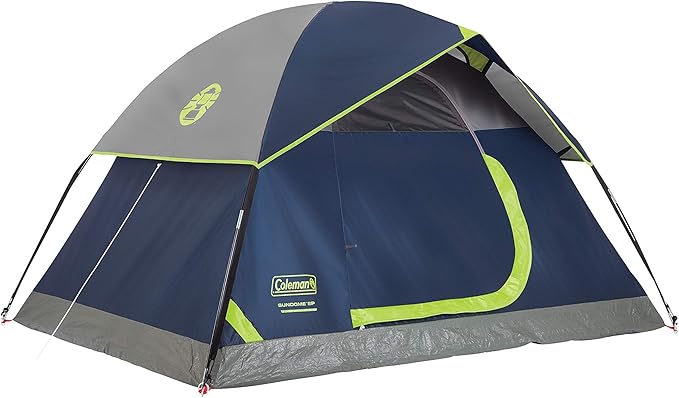
“The Coleman Sundome is the most trusted tent for first-time campers — it sets up in 10 minutes, handles light rain well, and comes with everything you need (poles, stakes, rainfly) at an accessible…”
See Today’s Price →What we like
- Coleman brand camping heritage
- WeatherTec system seals out rain
- 2-6 person configurations
- Rainfly included
- Budget camping tent price
Watch out for
- Heavy for backpacking — car camping use only
- WeatherTec seams need re-treatment after extended use
- Setup takes 15-20 minutes for first-time users
- Ventilation limited in hot weather
Read Full Analysis
The Coleman Sundome Camping Tent is the most-reviewed tent in the camping category for a reason: it's genuinely easy to set up. The dome design with color-coded pole clips means most people can have it pitched in 10-15 minutes on their first attempt. The included rainfly covers the entire tent and provides weather protection in all conditions short of heavy storms. Coleman's WeatherTec system uses a welded floor and inverted seams to keep water out at the base. The Sundome comes in 2, 3, 4, and 6-person configurations; all include a room divider-compatible design for privacy. At $82.99 for a 2-person tent, it's the most accessible entry point in a brand-name tent from a company with a genuine warranty and customer service. For families: the 4-person Sundome gives a realistic 3-person sleeping space (the "person" ratings assume sleeping bag to sleeping bag with no gear).
“The FARLAND fleece-lined sleeping bag handles three-season camping in comfort — it's warm enough for 30-35°F nights, soft enough to sleep in comfortably, and compact enough to fit in a standard…”
See Today’s Price →What we like
- Fleece lining adds warmth and comfort over standard sleeping bag interiors — meaningful during shoulder-season camping when temperatures drop unexpectedly overnight
- Waterproof outer shell protects against condensation and light rain contact without requiring a separate bivy cover
- Cold-weather temperature rating extends usable season range beyond standard 3-season bags that bottom out at 40°F
- Budget pricing makes this accessible for occasional campers who don't want to invest in premium mummy bags for a few weekends per year
Watch out for
- Fleece lining adds weight vs synthetic fill alternatives
- Budget waterproofing may not withstand extended rain
- Temperature rating may be optimistic — sleep in base layers for cold nights
Read Full Analysis
The FARLAND Sleeping Bag combines cold-weather warmth with the comfort of a fleece liner that makes it genuinely pleasant to sleep in — not just functionally warm. The bag is rated for temperatures down to approximately 30-35°F (32°F comfort rating), making it suitable for three-season camping (spring through fall in most of the US). The waterproof outer shell protects against condensation and light moisture. A compression sack is included, allowing the bag to pack down small enough for most camping backpacks. The dual-zipper design allows the bag to open fully flat, which is useful as a blanket in warmer conditions and makes it easier to clean. At $69.99 it's priced accessibly for a full-spec three-season sleeping bag with both warmth and comfort features.
“The GEAR AID HEROCLIP 360 Swivel Carabiner ($23.47) is a well-reviewed, popular gear clip for camping with a 360-degree swivel design. It's a quality choice for hanging gear at camp — check the…”
See Today’s Price →Frequently Asked Questions
What's the most important piece of camping gear for a beginner?
How do I choose the right tent size?
What temperature sleeping bag do I need?
Is an inflatable tent worth the premium over a standard tent?
What should I bring on my first camping trip?
How We Analyze Products
We analyze Amazon review data — often thousands of reviews per product — to surface patterns that individual buyers miss. Our process aggregates star ratings, review counts, and buyer sentiment at scale, identifying which strengths and weaknesses appear consistently across the largest review samples available. The 12,829+ reviews analyzed on this page represent real verified-purchase feedback from Amazon buyers.
Each product earned its placement through data: total review volume, average rating, and the specific praise and complaints that repeat most often across buyers. No manufacturer paid for placement on this page. Products appear here because buyers endorsed them at scale, not because a company asked us to feature them.
We use AI to summarize review sentiment — not to fabricate opinions, but to condense what thousands of buyers actually wrote into a readable format. The pros and cons you see reflect the most common themes found in verified purchaser reviews, paraphrased for clarity. We do not claim to have accessed Reddit, YouTube, or specific publications in generating these summaries.
Prices shown reflect Amazon pricing at the time this page was last generated. Click “See Today’s Price” to get the current live price on Amazon. Read our full methodology →