Best Foam Rollers for Beginners 2026
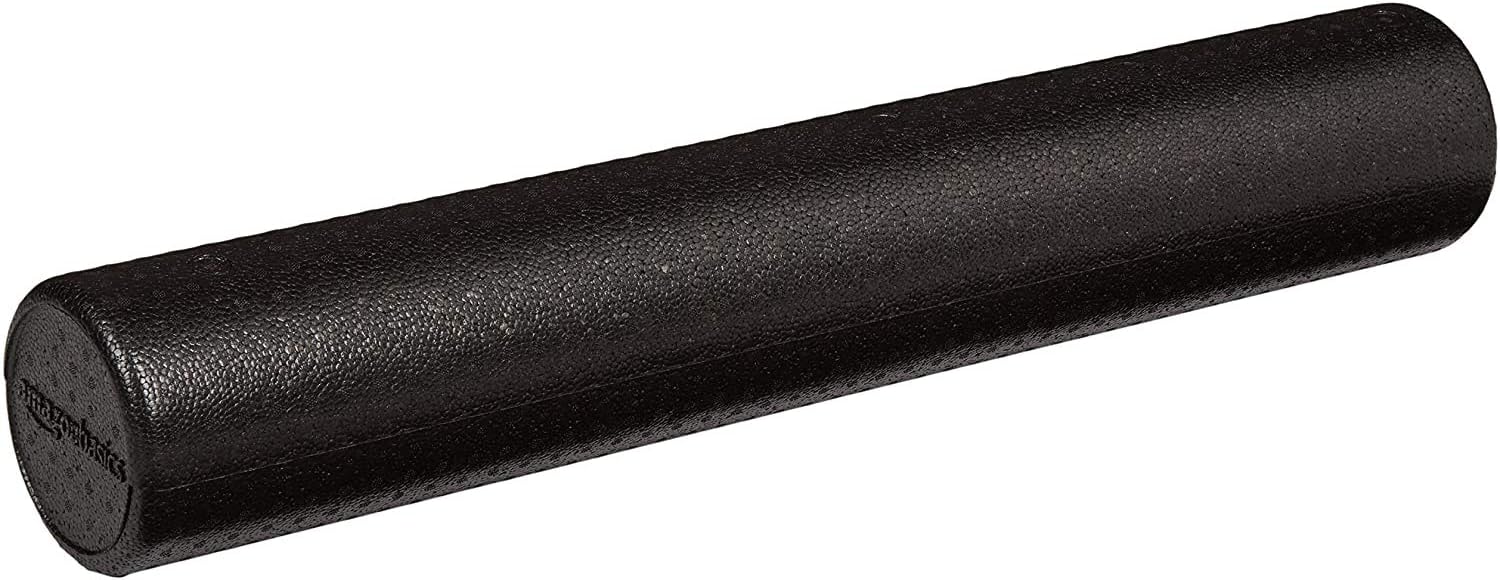
Beginners should start with a smooth, high-density foam roller before progressing to textured options. The LuxFit 36-inch at $17.09 is the right entry point — it provides effective muscle release at a pressure level that beginners can tolerate and maintain for the recommended 30-60 seconds per muscle group. Move to a textured roller after 4-6 weeks when your sensitivity decreases and you need deeper pressure.
Foam Rollers for Beginners Buying Guide
 Photo by Ketut Subiyanto / Pexels
Quick Verdict: Our top pick is the LuxFit Premium High-Density Foam Roller 36-Inch (Best Full-Length) — LuxFit Premium Full-Length roller matches the quality of the standard LuxFit in a slightly denser construction for he.... Priced at $17.09.
Who This Guide Is For
This guide is for you if:
- You're starting a new sport or activity and need to understand gear requirements
- You want to avoid buying the wrong gear before you know you'll stick with the activity
- You need honest guidance on what level of equipment matters for beginners vs. experts
Skip this guide if:

- You're an experienced athlete who already knows your equipment needs
- You just want the best product — see our comparison pages
Quick verdict: Beginners should start with a smooth, high-density foam roller before progressing to textured options. The LuxFit 36-inch at $17.09 is the right entry point — it provides effective muscle release at a pressure level that beginners can tolerate and maintain for the recommended 30-60 seconds per muscle group.
Foam Roller Types for Beginners: The Complete Guide
The three types explained:
Smooth high-density foam rollers (best for beginners): These apply consistent, moderate pressure across the contact surface without concentrating force on individual spots. The 3–4 lb/cubic ft density is firm enough to compress soft tissue without causing the avoidance-pain response that beginners experience with harder rollers. What rolling on a smooth high-density roller feels like: uncomfortable but manageable pressure that gradually releases as you hold a tight spot for 20–30 seconds. If you're wincing and holding your breath, the pressure is too much — either use a softer roller or reduce body weight on the roller.

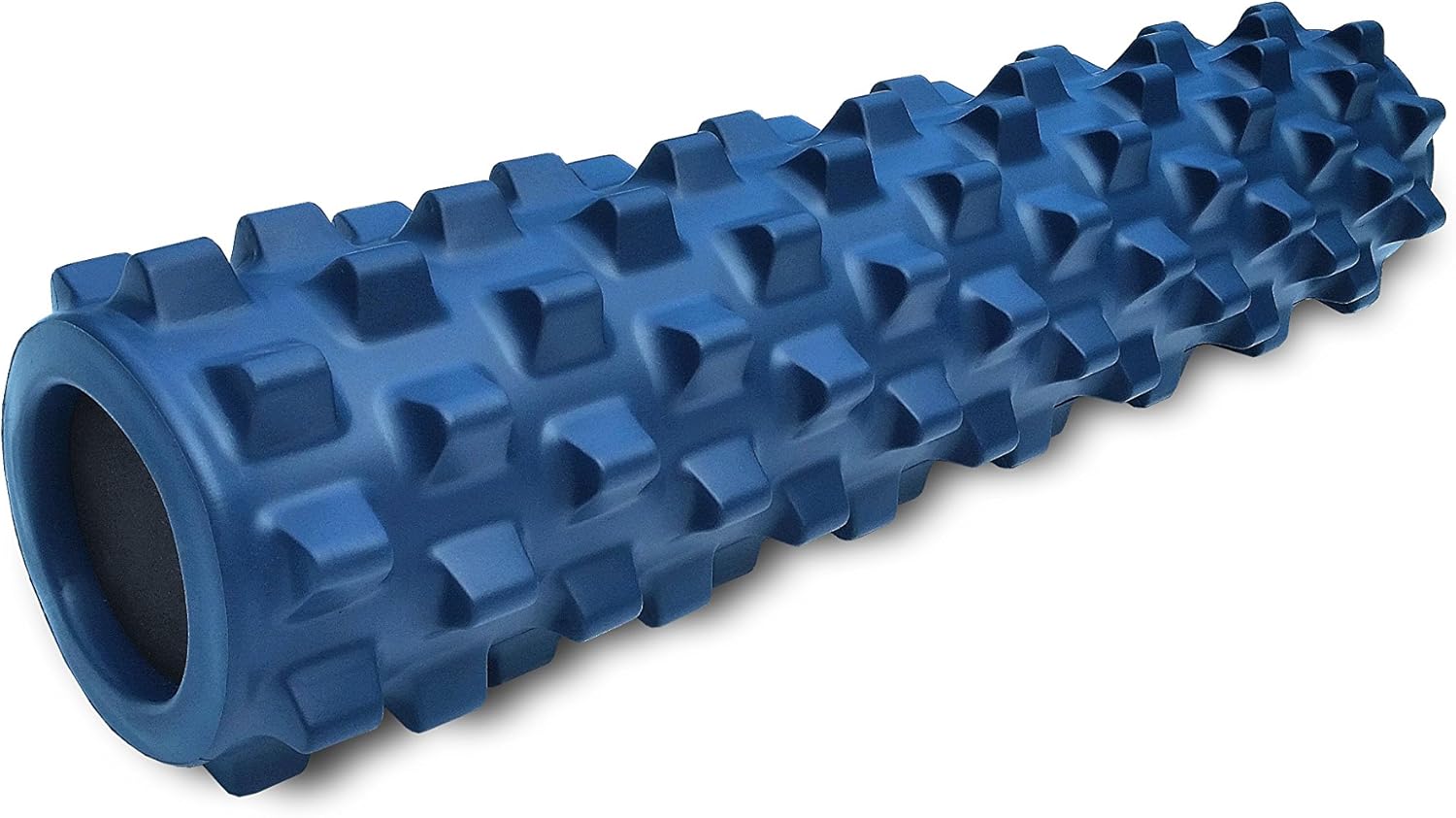
Contoured/ridged rollers: The wave or grid patterns on these rollers increase the variability of pressure as you move across the surface. The ridges reach slightly deeper into muscle tissue than a flat surface. Best for athletes who have already used smooth rollers for 3–4 weeks and want increased intensity. The pressure concentration from ridges can feel bruising on untrained tissue — earn this roller rather than starting with it.
Vibrating foam rollers: Vibration (30–60 Hz) creates a neurological override that reduces pain perception during rolling — you can tolerate deeper pressure because the vibration interrupts pain signal transmission. Research shows vibrating rollers improve range of motion more than static rollers in the same time. The trade-off: they cost $50–$150 vs $10–$30 for basic options, and the battery requires charging. Hypervolt Prep and TriggerPoint GRID Vibe are the category leaders.
Technique: the 5 rules of foam rolling
- Move slowly. The therapeutic effect comes from sustained pressure, not friction. 1–2 inches per second. Racing across a muscle produces heat but minimal release.
- Stop at tight spots. When you feel a tender area, stop and hold for 20–30 seconds until you feel the tension decrease or the pain reduce by at least 50%. This is trigger point release — the mechanism that makes foam rolling effective.
- Roll the muscle belly, not the joint. Never roll directly over a joint (knee, hip socket, shoulder joint). Roll the IT band, the quads, the hamstrings, the calves — not the knee or ankle themselves.
- Roll before AND after exercise. Pre-workout: 30–60 seconds per muscle to increase blood flow and tissue temperature. Post-workout: 60–90 seconds per muscle to promote metabolic waste clearance and restore tissue extensibility.
- Control body weight. Use your hands and feet to partially support your weight on the roller. Beginners should start with less bodyweight on the roller and gradually increase as tissue tolerance improves.
Where NOT to foam roll: Lower back (lumbar spine) — rolling directly on lumbar vertebrae can cause excessive extension. Use a lacrosse ball for glutes instead, or a roller on the thoracic (upper/mid) back only. Neck — too much mobility in cervical vertebrae makes direct neck rolling risky. Shins (tibial periosteum) — rolling the shin bone itself can irritate the periosteum; roll the calf instead.
Length guide:
- 36-inch roller: Best for back, full-length IT band, and lateral hip work. Required for thoracic spine rolling (rolling across the upper back requires a long roller).
- 18-inch roller: Versatile for most applications. Fits in a gym bag. Some stability compromise for back work.
- 12-inch roller: Portable and compact. Best for calves, feet, and targeted work. Not suitable for back.
YouTube Resources for Foam Rolling Technique
- Search "Jeff Nippard foam rolling science technique guide" on YouTube — evidence-based coverage of what foam rolling actually does (and doesn't do) at the tissue level, with technique demonstrations for each major muscle group and guidance on duration and pressure.
- Search "Kelly Starrett foam rolling mobility WOD" on YouTube — physical therapist and mobility coach Kelly Starrett's channel covers rolling technique from a clinical perspective, including the correct position for each body part and how to combine rolling with stretching for maximum effect.
- Search "TriggerPoint foam roller how to use beginners" on YouTube — TriggerPoint's official channel has position-specific tutorials for every major muscle group, including before/after range-of-motion demonstrations that show the technique's effectiveness.
Related guides: Best foam rollers compared | Best massage guns