Best Running Shoes Under $75 in 2026

The ASICS Gel-Contend 8 ($59.95) is the best running shoe under $75 for most runners -- it features ASICS GEL cushioning in the heel, breathable mesh upper, and durable outsole that handles both road running and treadmill sessions. For overpronators needing stability, the New Balance 411v3 offers medial post support at a similar price.
See Today’s Price →At a Glance

Showing 3 of 3 products
ASICS Women's Gel-Contend 8 Running Shoes
“The ASICS Gel-Contend 8 delivers brand-name ASICS quality at $60 — GEL cushioning that protects your joints on every run.”
See Today’s Price →What we like
- Rearfoot GEL technology for impact absorption
- Lightweight mesh upper
- AMPLIFOAM midsole for comfort on long runs
- Multiple color options
Watch out for
- Less cushioning than premium ASICS lines
- Not ideal for high-mileage training
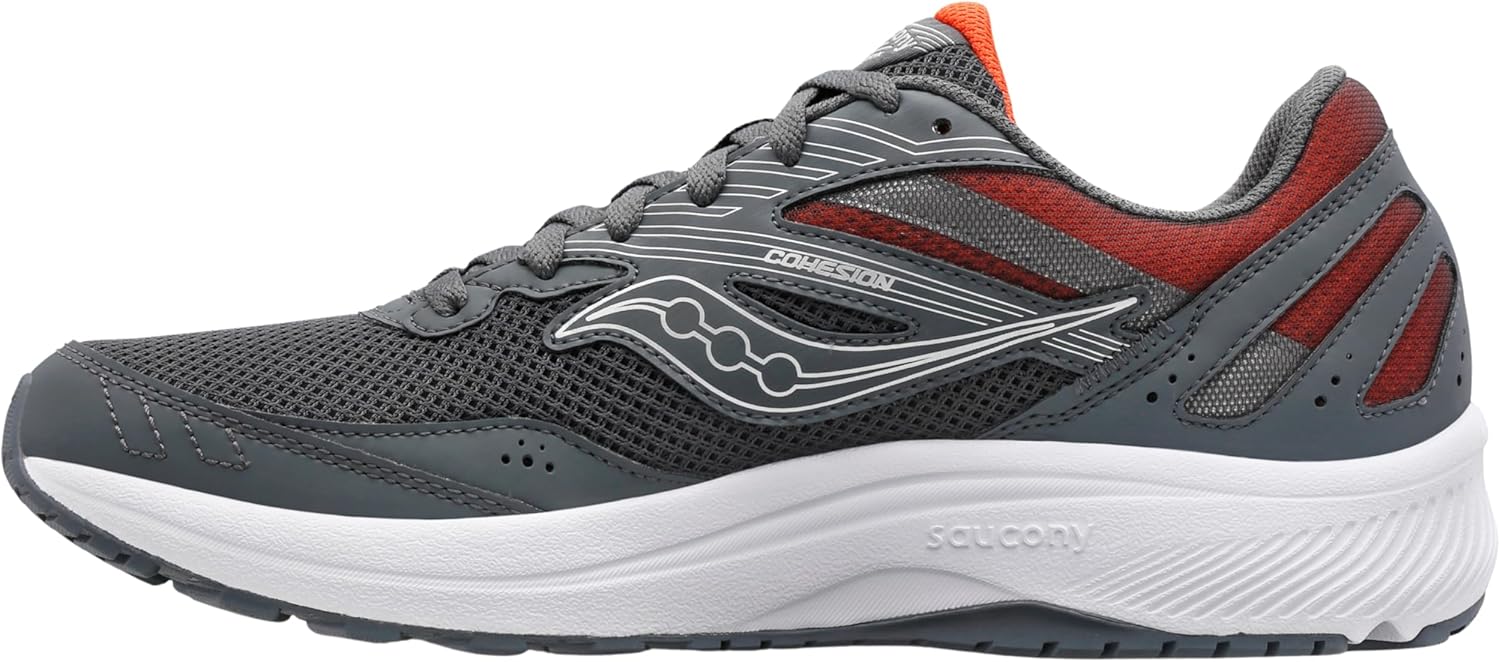
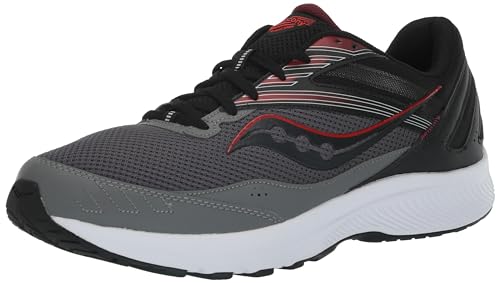
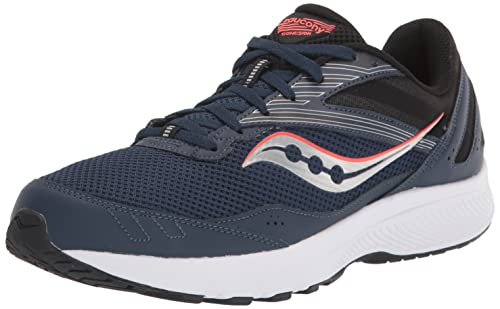
Saucony Men's Cohesion 15 Running Shoe
“Saucony's Cohesion 15 is the best budget road running shoe under $55 — smooth transition and enough cushioning for regular mileage.”
See Today’s Price →What we like
- VERSARUN cushioning for smooth heel-to-toe transition
- Lightweight design
- Durable outsole
- Under $60 price
Watch out for
- Less stability support for overpronators
- Narrower toe box than some competitors

New Balance Fresh Foam Arishi v4
“New Balance's Fresh Foam delivers noticeably plush underfoot feel — the most comfortable pick in this budget running shoe roundup.”
See Today’s Price →What we like
- Fresh Foam midsole for plush cushioning
- Knit upper for breathability
- Versatile for running and walking
- New Balance fit and quality
Watch out for
- Less structured than traditional running shoes
- Higher price in this roundup
Running Shoes Under $75 Buying Guide
 Photo by Atlantic Ambience / Pexels
Great for: Runners logging 15+ miles per week, anyone with recurring knee or foot pain from worn-out shoes, and new runners building a habit
Not ideal if: You walk only or run occasionally on a treadmill — a cross-trainer offers more versatility at lower cost
For Beginners vs Experienced Runners: What Features Actually Matter
Finding a quality running shoe under $75 requires knowing which premium features you actually need versus which you can safely skip. The non-negotiables: cushioning (GEL, EVA foam, or nitrogen-infused foam absorbs impact — more cushion for heavier runners or longer distances), outsole durability (rubber outsole lasts 300–500 miles; blown rubber wears faster and is common in budget shoes), and a proper fit for your foot type. At under $75, skip carbon fiber plates (reserved for $200+ racing shoes) and multi-density foam systems — but never skip on fit, which prevents blisters, black toenails, and overuse injuries.
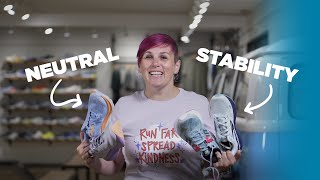
Gait analysis matters for shoe selection. Neutral runners (foot stays straight through the gait cycle) have the most options at every price tier. Overpronators (foot rolls inward) need stability shoes with a medial post or firmer foam on the inner side — the ASICS Gel-Contend line includes stability options. Underpronators (supinators) need neutral cushioned shoes with no stability features. Width is underrated: most budget shoes come in standard width only — wide-footed runners should try before buying or purchase from retailers with free returns. Drop (heel-to-toe height difference) affects running form: high drop (8–12mm) suits heel strikers; low drop (0–4mm) suits forefoot strikers. Most budget road shoes run 8–10mm drop, which is appropriate for heel-strike beginners.
Durability: Midsole Life and Replacement Timing
Running shoes have a functional lifespan measured in miles, not years. Replace running shoes every 300–500 miles — worn-out cushioning causes more overuse injuries than poor shoe selection. The midsole foam (not the outsole rubber) is what degrades: it compresses permanently and loses the shock-absorbing properties that protect your joints, even when the outsole and upper still look presentable. Track your mileage using a running app to time replacement accurately. At $60–75, budget running shoes are worth replacing on the 300-mile schedule rather than stretching to 500 — the foam compounds used at this price tier compress faster than premium shoes using nitrogen-injected or PEBA foams.
Brand Comparison: ASICS vs Saucony vs New Balance Under $75
ASICS (Gel-Contend line) focuses on accessibility and everyday training — GEL technology in the heel provides consistent impact absorption that holds up across hundreds of miles. The women's Gel-Contend 8 is the most versatile option on this list, balancing cushioning, breathability, and fit for a wide range of foot types. Saucony (Cohesion 15) is the running specialist's choice — Saucony builds running shoes only, and their budget tier reflects real running expertise rather than cross-training compromises. New Balance Fresh Foam Arishi v4 prioritizes underfoot comfort over ground feel, making it the best option for runners who want maximum cushion and log high mileage on pavement. All three brands carry full warranties on manufacturing defects. Our running shoe pronation guide explains which category is built for your foot type.
Quick Decision: If budget is the priority, go with the Saucony Cohesion 15; if you want the best overall, choose the ASICS Gel-Contend 8; if you need maximum cushioning, the New Balance Fresh Foam Arishi v4 is your pick.
Frequently Asked Questions
How long do running shoes under $75 last?
Do I need to visit a running store to find the right shoe?
Are ASICS Gel-Contend good for beginners?
Can I use running shoes for gym workouts?
What's the difference between running shoes and walking shoes?
How We Analyze Products
We analyze Amazon review data — often thousands of reviews per product — to surface patterns that individual buyers miss. Our process aggregates star ratings, review counts, and buyer sentiment at scale, identifying which strengths and weaknesses appear consistently across the largest review samples available.
Each product earned its placement through data: total review volume, average rating, and the specific praise and complaints that repeat most often across buyers. No manufacturer paid for placement on this page. Products appear here because buyers endorsed them at scale, not because a company asked us to feature them.
We use AI to summarize review sentiment — not to fabricate opinions, but to condense what thousands of buyers actually wrote into a readable format. The pros and cons you see reflect the most common themes found in verified purchaser reviews, paraphrased for clarity. We do not claim to have accessed Reddit, YouTube, or specific publications in generating these summaries.
Prices shown reflect Amazon pricing at the time this page was last generated. Click “See Today’s Price” to get the current live price on Amazon. Read our full methodology →