Best Tennis Equipment for Beginners 2026
The Wilson Tour Slam 2-Racket Set ($36.97) is the best first purchase — two pre-strung recreational rackets with a large forgiving head size, at the best per-racket value. Add a single can of Extra Duty balls ($3-5) to start and upgrade to the bulk Penn Championship case when you're playing regularly.
Tennis Equipment for Beginners Buying Guide
 Photo by Osman Demirkıran / Pexels
Best Tennis Equipment for Beginners 2026: A Practical Buying Guide
Tennis has one of the lowest equipment barriers of any racket sport — a racket, some balls, and a court are genuinely all you need to start. The challenge is that recreational gear varies enormously in price without proportional variation in quality for beginners. Here's what you actually need, and what's worth spending on.
Racket Selection for Beginners: What Actually Matters
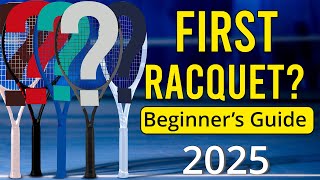
Marketing language around rackets ("power frame," "control profile," "spin amplification") is largely meaningless for recreational players. At beginner and intermediate levels, technique matters far more than equipment. That said, a few specs are worth understanding:
Head size: Larger head = bigger sweet spot = more forgiveness on off-center hits. Beginners should look for rackets with 100-115 sq in head size. Expert players often use smaller heads (97-100 sq in) for precision, but off-center hits that experts redirect become errors for beginners.

Weight: Lighter rackets (9-10.5 oz) are easier to swing but transfer less power. Heavier rackets (11-12 oz) generate more power but fatigue the arm faster. For adults new to tennis, 9.5-10.5 oz is a comfortable range to start.
Grip size: The most underrated spec. An ill-fitting grip causes arm fatigue and can contribute to tennis elbow. Measure your grip: hold your dominant hand flat, measure from the tip of your ring finger to the middle crease of your palm. That measurement in inches is approximately your grip size (most adults are 4 1/4 to 4 5/8).
Stringing: Most recreational rackets come pre-strung. Factory stringing is adequate to start. Once you're playing 2-3 times per week, restringing at a pro shop significantly improves feel and control — budget $30-50 for restringing.
Balls: Understanding the Types
Not all tennis balls are the same, and using the wrong type makes learning harder:
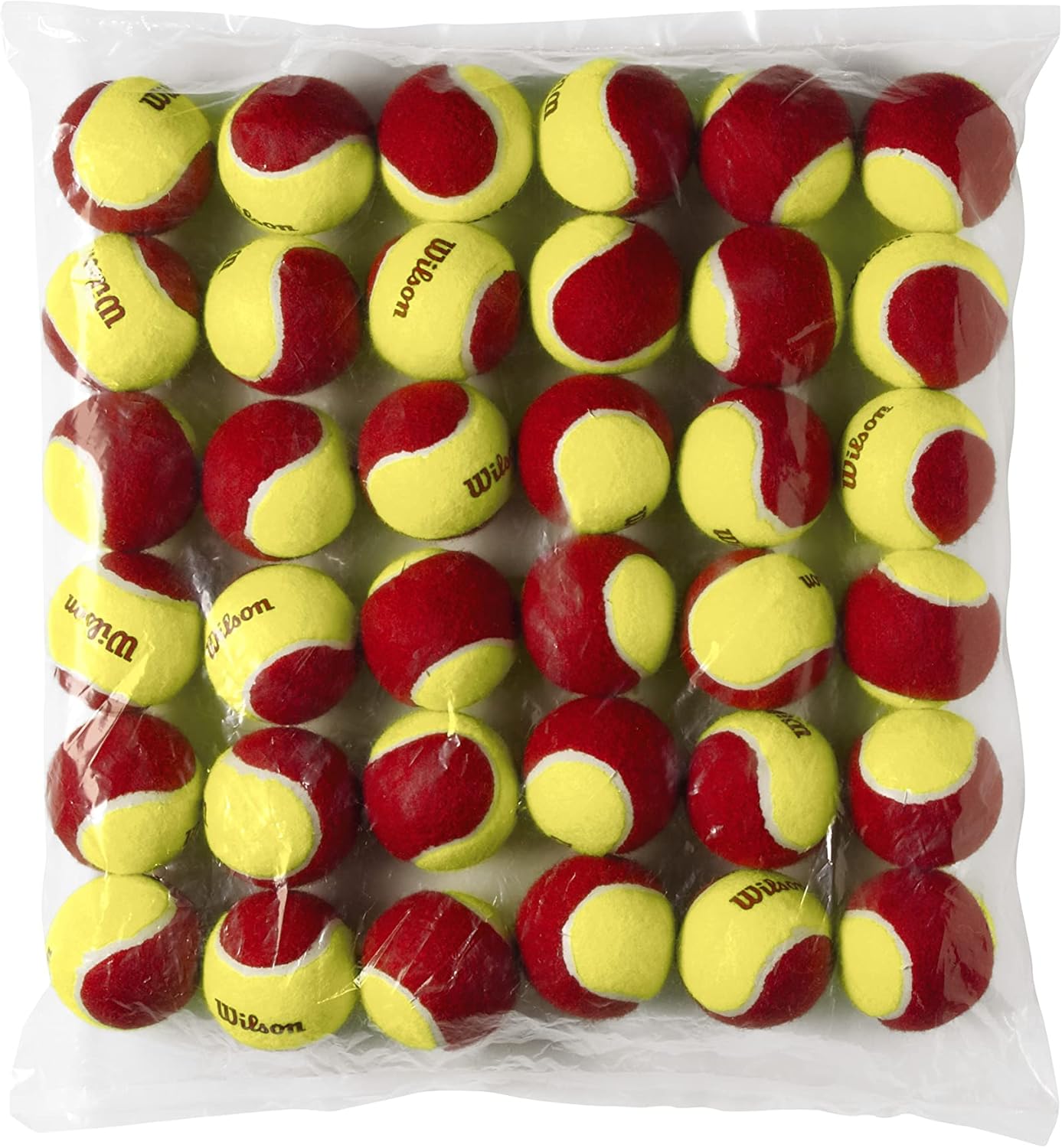
Beginner/transition balls (Wilson Starter): Slower and lower-bouncing than standard balls. Used by tennis coaches and USTA junior programs to reduce the speed of the game for beginners. If you're starting from zero and struggling to make contact, transition balls give you more time to prepare. Once you can consistently rally with standard balls, switch.
Regular Duty balls: Standard pressurized balls designed for clay courts and indoor carpet. Softer felt, lower abrasion resistance.
Extra Duty balls (Penn Championship): Thicker felt for hard court surfaces (concrete, asphalt). The Extra Duty felt resists the grinding effect of hard courts that wears down Regular Duty felt quickly. Most North American public courts are hard courts — Extra Duty is the right choice for outdoor recreational play.
Pressureless balls: No internal pressure — they don't go flat but have a heavier, less lively feel. Used for ball machines and practice against walls. Not recommended as primary playing balls.
How Long Do Tennis Balls Last?
Pressurized tennis balls lose pressure over time after the can is opened. General guidelines:
- For casual recreational play: 1-2 cans (3-6 balls) per session for the first 3-4 uses, then declining quality
- For match play and serious practice: open a new can per session
- Once opened, store in a ball pressurizer tube to extend life 3-4x (optional but worthwhile for regular players)
- Hard court play degrades felt faster than clay — Extra Duty balls last longer on concrete
What Equipment Do You Actually Need to Start?
- Racket: 1-2 rackets (the Wilson Tour Slam 2-pack solves this immediately)
- Balls: 1 can of 3 balls to start; upgrade to Extra Duty bulk when you're playing regularly
- Shoes: Tennis-specific shoes are genuinely important — running shoes lack the lateral support for side-to-side movement and can lead to ankle injuries. Budget $60-100 for your first pair.
- Court: Most cities have free public courts. USTA's court finder (usta.com) lists courts by zip code.
That's it. You don't need a bag, a dampener, overgrip tape, vibration dampeners, or any of the accessories marketed to beginners. Add those if and when you start playing regularly and know your preferences.
What to Look For: Budget vs. Premium Rackets
Budget ($30–70): Pre-strung recreational rackets like the Wilson Tour Slam. Adequate construction for casual play 1-2 times per week. Stringing quality is basic but functional. Fine for someone who isn't sure yet if they'll stick with the sport.
Mid-range ($80–150): Better frame construction, higher-quality factory strings, more size and grip options. Brands like Wilson, Head, Babolat, and Prince all have solid offerings here. Right for someone who has committed to playing regularly.
Premium ($150-300+): The rackets that touring professionals use. Excellent for advanced players who want to fine-tune their equipment. For anyone below an advanced club player (NTRP 4.5+), the difference from mid-range is not detectable in performance.
Frequently Asked Questions
Related Guides
At a Glance
Showing 3 of 3 products
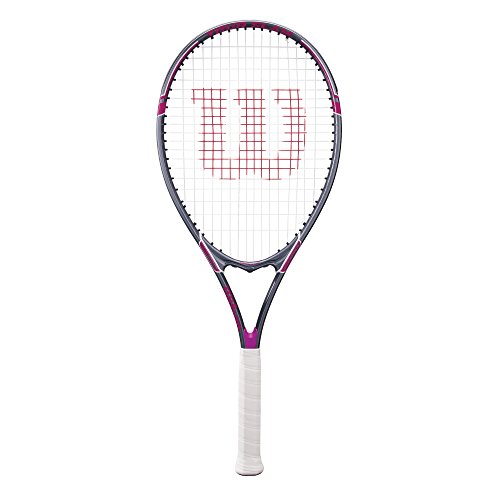
Wilson Tour Slam Adult Recreational Tennis Rackets
“Wilson Tour Slam is the brand-name entry point for recreational adult tennis — the Wilson name carries court legitimacy and the balanced construction makes learning technique easier than very heavy or”
See Today’s Price →What we like
Watch out for
Read Full Analysis
The Wilson Tour Slam Adult Recreational Tennis Rackets come as a two-racket set — a practical detail for anyone picking up tennis with a friend, partner, or family member. The Tour Slam is Wilson's flagship recreational racket: light enough for beginners to swing without fatigue (about 9.9 oz), with a large 112 sq in head that offers a generous sweet spot for off-center hits. Pre-strung at a beginner-friendly tension with Wilson Synthetic Gut strings. The open string pattern gives slightly more power and spin than dense patterns, which helps new players get the ball over the net consistently. At $36.97 for two rackets, the per-racket cost is genuinely competitive with recreational rackets sold individually.
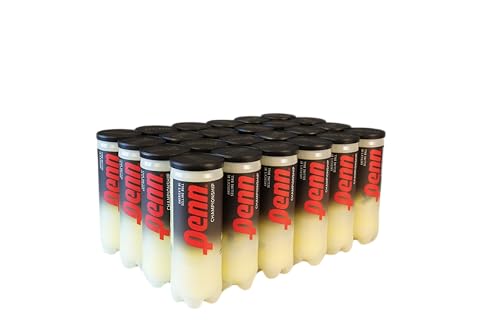
Penn Championship Tennis Balls - Extra Duty Felt Pressurized Tennis Balls - 24 Cans, 72 Balls
“Penn Championship Extra Duty balls are the most used recreational tennis ball in North America — the extra-duty felt construction lasts longer on hard courts, making them the default buy for most recr”
See Today’s Price →What we like
Watch out for
Read Full Analysis
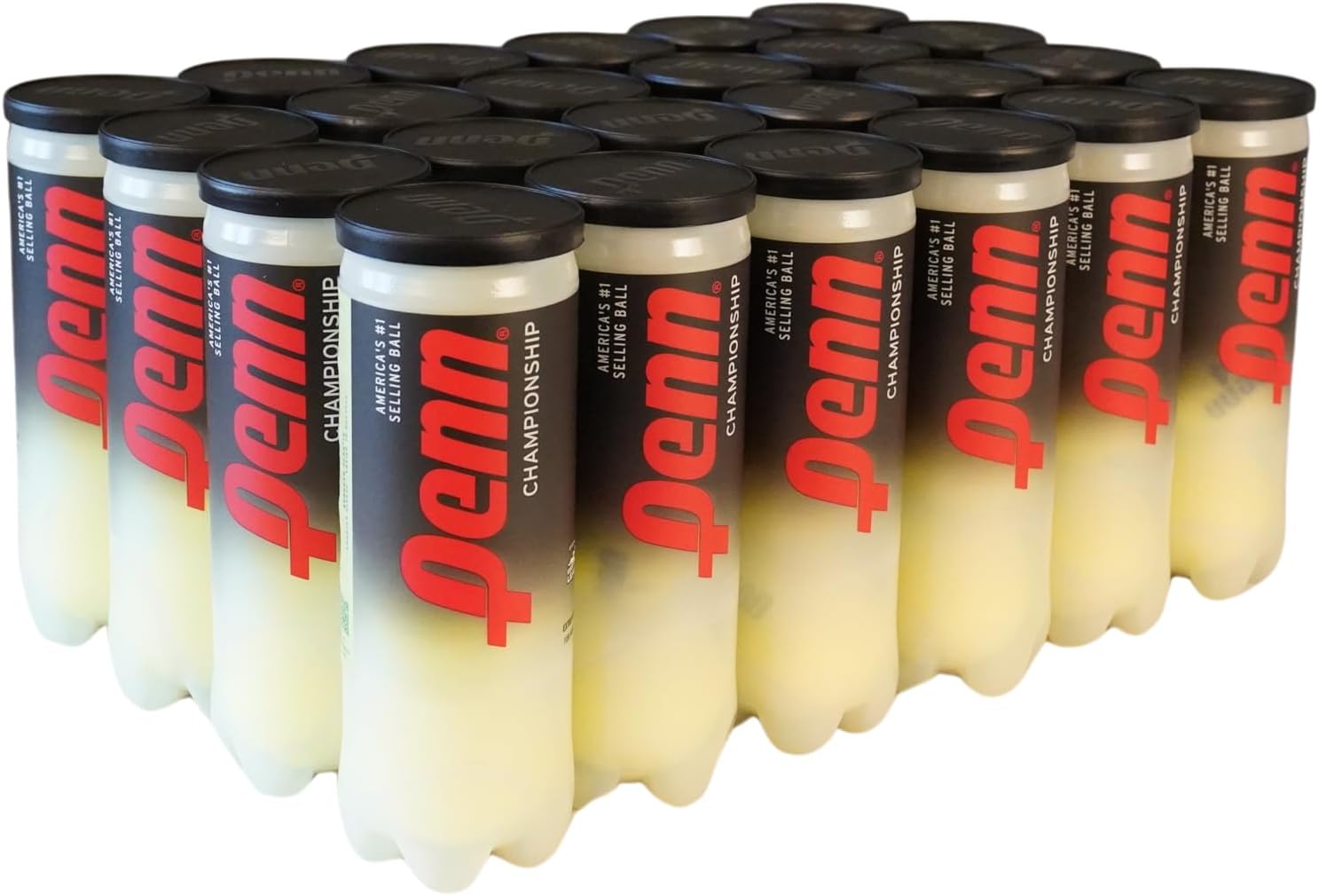
The Penn Championship Tennis Balls Extra Duty Felt Pressurized 24-Can Case is the professional and club standard for North American hard courts. Each can contains 3 balls pressurized to regulation USTA standards. 24 cans = 72 balls total. Extra Duty felt is specifically engineered for hard court surfaces — the thicker felt resists the abrasion of concrete and asphalt longer than Regular Duty balls, which are designed for clay and indoor carpet. Penn Championship is used at USTA recreational competitions and is one of the two or three most used brands in North American club tennis. At $87.84 for 24 cans, the cost per ball is significantly lower than buying individual cans. The right buy for: court reserves and clubs, households with multiple players, or recreational players who open a new can every 2-3 sessions.
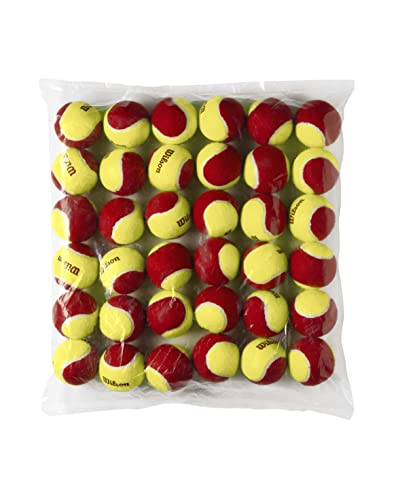
Wilson Starter Tennis Balls - 3 balls
“Wilson Starter balls are the teaching professional's choice — the slightly slower speed helps beginners develop proper stroke mechanics before transitioning to regular speed balls.”
See Today’s Price →What we like
Watch out for
Read Full Analysis
The Wilson Starter Tennis Balls set contains three balls designed specifically for beginning tennis players. Unlike standard pressurized tennis balls, Wilson Starter balls are engineered to bounce lower and travel slower — giving beginners more time to set their feet, prepare their stroke, and make contact. Standard adult balls at full speed make early learning very frustrating; slowed balls are the coaching and teaching standard for introducing the sport. These are also used in junior tennis programs for children transitioning from junior to adult equipment. They're not suitable for match play or serious practice — once you're consistently rallying 5+ shots in a row with standard balls, switch to Penn Championship or similar regulation balls. At $70 for three balls the price reflects the specialized slower-ball construction and Wilson brand premium.
Frequently Asked Questions
What's the best tennis racket for a complete beginner?
How many tennis balls do I need to buy?
What's the difference between Regular Duty and Extra Duty tennis balls?
Should beginners use beginner/transition tennis balls?
How do I know what grip size I need?
How We Analyze Products
We analyze Amazon review data — often thousands of reviews per product — to surface patterns that individual buyers miss. Our process aggregates star ratings, review counts, and buyer sentiment at scale, identifying which strengths and weaknesses appear consistently across the largest review samples available. The 6,716+ reviews analyzed on this page represent real verified-purchase feedback from Amazon buyers.
Each product earned its placement through data: total review volume, average rating, and the specific praise and complaints that repeat most often across buyers. No manufacturer paid for placement on this page. Products appear here because buyers endorsed them at scale, not because a company asked us to feature them.
We use AI to summarize review sentiment — not to fabricate opinions, but to condense what thousands of buyers actually wrote into a readable format. The pros and cons you see reflect the most common themes found in verified purchaser reviews, paraphrased for clarity. We do not claim to have accessed Reddit, YouTube, or specific publications in generating these summaries.
Prices shown reflect Amazon pricing at the time this page was last generated. Click “See Today’s Price” to get the current live price on Amazon. Read our full methodology →