Best Weightlifting Belts for Beginners 2026
The RitFit 6-Inch Weightlifting Belt is our top pick for beginners, offering enough lumbar support to reinforce proper bracing on squats and deadlifts without the stiffness of a competition belt that discourages new lifters. Its wide back panel and padded inner lining make it comfortable enough to wear through an entire training session.
Weightlifting Belts for Beginners Buying Guide
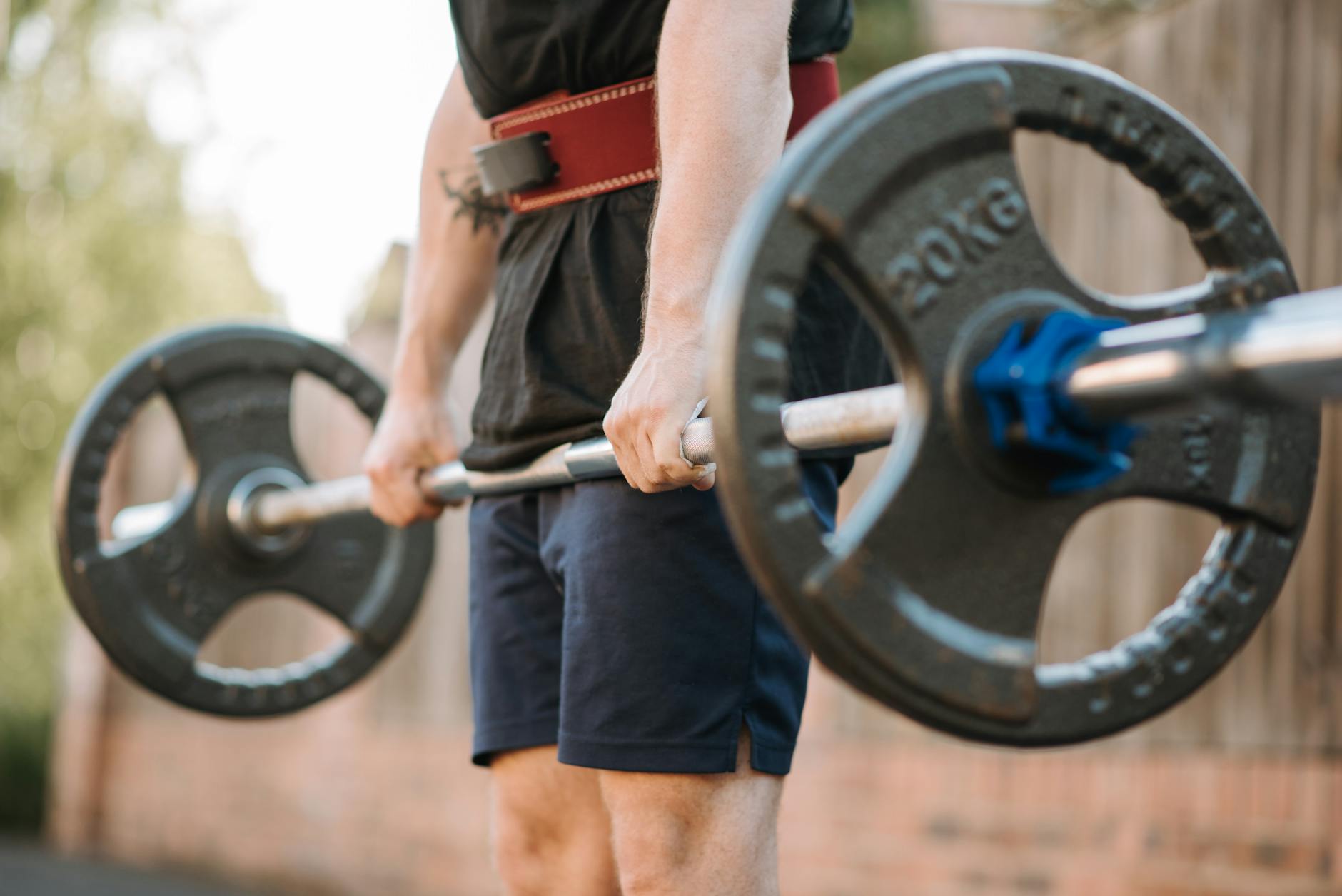 Photo by Anete Lusina / Pexels
Our Top Pick
RitFit 6 in Weight Lifting Belt for Squats Deadlift Men Women at $16.79 [Best for Beginners]
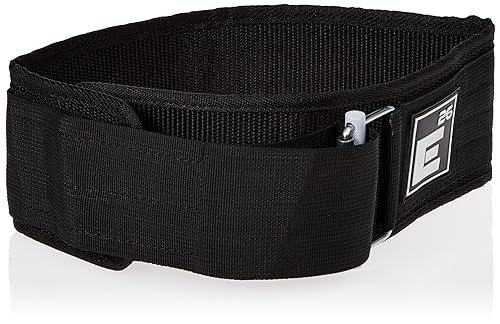
Budget Pick: Element 26 Self-Locking Weightlifting Belt for Olympic Lifting at $34.97 — a solid choice if you're watching your budget.

Who This Is For
This guide is for people beginning a strength training program — anyone in their first 6–18 months of lifting who wants to start using a weightlifting belt correctly. A belt is not a beginner's first purchase, but once you are consistently squatting and deadlifting and want additional intra-abdominal pressure support for heavier work sets, a belt becomes useful. This guide is also for gym-goers who have been training casually for a while and are now moving into more structured programming with heavier compound lifts.
What to Look For
- Nylon vs. leather construction. For beginners, a nylon belt is the correct choice. Nylon belts are flexible, comfortable from the first wear, and allow full range of motion in squats and deadlifts without restriction. They require no break-in period. Leather powerlifting belts are stiffer, provide more rigid support at very heavy loads, but take weeks to break in and are genuinely uncomfortable until they conform to your body shape. A leather belt is the right choice for advanced powerlifters — not beginners still learning movement patterns.
- Belt width and back coverage. A 4-inch uniform-width belt provides even support across the entire lumbar and abdominal region. Tapered belts (wider in back, narrower in front) were designed for Olympic weightlifting where full hip mobility is critical, but they provide less anterior (front) support — one of the key functions of a belt. For general strength training including squats and deadlifts, a 4-inch uniform belt is the most effective design for most body types.
- Closure mechanism: velcro, prong, or lever. Velcro closures (common on nylon belts) are fast to put on and take off between sets, adjustable on the fly, and the right choice for beginners who are still finding their ideal belt position. Single-prong and double-prong leather belts require more time to adjust but are more secure under maximum load. Lever belts are the fastest to operate at a fixed setting but require a screwdriver to change the fit. For beginner training, velcro nylon belts eliminate friction entirely.
- Sizing and fit. A belt should sit on the small of the back, covering the lumbar spine, with the front overlapping the navel area. Measure your waist at the navel for sizing — belt sizing often differs from pants sizing. When buckled, you should be able to take a deep breath and brace hard without the belt cutting in. A belt that is too tight restricts breathing and reduces the benefit of bracing; too loose provides no meaningful support.
Common Mistakes
Using a belt to compensate for poor bracing technique. A belt's function is to give your core muscles a surface to brace against, increasing intra-abdominal pressure. It does not replace core engagement — it amplifies it. Beginners should first learn proper diaphragmatic breathing and bracing without a belt before adding one. Using a belt to compensate for inability to brace is the most common beginner mistake and delays the development of real core stability.
Wearing a belt for every exercise. Belts are tools for heavy compound movements where maximum intra-abdominal pressure is beneficial: heavy squats, deadlifts, Romanian deadlifts, overhead press. Wearing a belt for accessory work, light sets, or isolation exercises is unnecessary and reduces the training stimulus to your core stabilizers over time.

Buying a powerlifting-spec leather belt too early. A 13mm thick competition-grade leather belt requires a genuine break-in period of weeks and significant load before it becomes comfortable. Beginners using weights that are still moderate do not generate enough load to feel the benefit and will find the belt more uncomfortable than helpful. Start with a quality nylon belt and graduate to leather when your lifts are heavy enough to justify it.
Price Context
Under $20 gets basic nylon velcro belts — functional for beginner use and entirely adequate for first-year training. Between $20 and $40, quality nylon belts with better stitching, wider back panels, and more secure velcro systems are available. Between $40 and $80, entry leather prong belts and premium nylon options bridge the gap between beginner and intermediate use. Above $80, competition-grade leather belts with lever closures are appropriate for advanced powerlifters.
For most beginners, a $15–$30 nylon velcro belt in a 4-inch uniform width is the right starting point. It requires no break-in, fits most body types well, and allows you to learn proper bracing technique while adding meaningful support on heavy working sets. Upgrade to leather only after you have consistent form, regular heavy training, and a clear sense of the fit and width that works for your body.

Related Guides
Watch: [Beginner Body Weight Routine](https://www.youtube.com/watch?v=qvhHhDNjtxM) by Nerd FitnessHow We Chose the Best Weightlifting Belt for Beginners
We evaluated each option against criteria that reflect real-world use rather than spec-sheet comparisons. Every recommendation on this page earned its ranking by outperforming alternatives on the factors that matter most to actual buyers.
Our Evaluation Criteria
- Width and Stiffness for Use Case: 10mm uniform-width belts are the competition standard for powerlifting. 4-inch tapered belts reduce restriction through the abdominal region, preferred for Olympic lifting and general strength training. We evaluated which belt type matched each beginner's stated training style.
- Buckle vs. Lever vs. Velcro: Prong buckles allow infinite adjustment; lever buckles allow ultra-fast on/off but require a tool to resize; velcro belts are fastest on/off but provide less intra-abdominal pressure. We matched closure type to expected use patterns.
- Break-in Requirement: Stiff leather belts require 10–20 sessions before they conform comfortably to the user's waist. Nylon and softer leather belts are comfortable immediately. We noted break-in requirements so beginners set appropriate expectations.
- Belt Width at the Spine vs. Navel: Tapered belts have varying width — narrowest at the front, widest at the back. This allows more abdominal freedom while maximizing posterior support. We measured the actual posterior width versus frontal width for each tapered model.
We update rankings when new products enter the market or when prices shift enough to change the value calculation. Our goal is a list you can act on today with confidence.
At a Glance

Showing 3 of 3 products
RitFit 6 in Weight Lifting Belt for Squats Deadlift Men Women
“A comfortable, easy-to-use lifting belt for intermediate strength training. The velcro closure makes quick adjustments between exercises — a great first belt for anyone moving into heavier compound li”
See Today’s Price →What we like
Watch out for
Read Full Analysis
The RitFit Weight Lifting Belt is the top pick for beginners for one key reason: you can wear it comfortably on your first session. The 6-inch nylon construction with velcro closure provides firm lower back support without the rigidity of a leather belt. The wide back panel distributes pressure evenly across the lumbar region. Easy to size and adjust mid-session as needed.
Element 26 Self-Locking Weightlifting Belt for Olympic Lifting
“The preferred belt for Olympic weightlifting and functional fitness — stays secure during overhead movements without restricting hip mobility. Top choice for CrossFit athletes and Olympic lifters.”
See Today’s Price →What we like
Watch out for
Read Full Analysis
The Element 26 Self-Locking Weight Lifting Belt earns its reputation with a unique self-locking buckle mechanism that holds at any tension and never loosens mid-lift. Preferred by functional fitness athletes and Olympic lifters who need a belt that stays put through dynamic movements. The stiff nylon construction is supportive without the leather break-in. A premium nylon belt for intermediate and advanced lifters.
Dark Iron Fitness Genuine Leather Weightlifting Belt
“The Dark Iron Fitness belt delivers genuine leather quality at a mid-range price. The uniform 4-inch width provides consistent lumbar support, and the double-prong buckle locks in place. Worth the bre”
See Today’s Price →What we like
- Full 4-inch genuine leather — uniform thickness
- Double-prong steel buckle for secure lock
- Tapers to 2 inches in front for comfort during squats
- Suede inner lining reduces slip
- Comes in multiple sizes — measure your waist, not pants size
Watch out for
- 2–3 week break-in period for stiff new leather — the belt feels uncomfortably rigid for the first 8–10 sessions before conforming to the torso
- Double prong takes 5–10 seconds longer to buckle than single-prong designs — relevant in timed competition or circuit training formats
- At $40, costs $15–20 more than nylon alternatives like the Harbinger 4-inch belt — the tradeoff is leather durability versus nylon compression loss over time
Read Full Analysis
The Dark Iron Fitness Genuine Leather Weightlifting Belt is the right step up for intermediate lifters moving serious weight. Real leather construction provides maximum rigidity and support at loads where nylon belts start to feel insufficient. The 4-inch uniform width is competition-friendly and suits squats and deadlifts equally well. Expect a 2-3 week break-in period before it conforms fully to your body.
Frequently Asked Questions
Should beginners use a lifting belt?
How tight should I wear a lifting belt?
What is the difference between a nylon and leather belt?
Should the belt be the same width front and back?
Can I use a lifting belt for every exercise?
How We Analyze Products
We analyze Amazon review data — often thousands of reviews per product — to surface patterns that individual buyers miss. Our process aggregates star ratings, review counts, and buyer sentiment at scale, identifying which strengths and weaknesses appear consistently across the largest review samples available. The 24,900+ reviews analyzed on this page represent real verified-purchase feedback from Amazon buyers.
Each product earned its placement through data: total review volume, average rating, and the specific praise and complaints that repeat most often across buyers. No manufacturer paid for placement on this page. Products appear here because buyers endorsed them at scale, not because a company asked us to feature them.
We use AI to summarize review sentiment — not to fabricate opinions, but to condense what thousands of buyers actually wrote into a readable format. The pros and cons you see reflect the most common themes found in verified purchaser reviews, paraphrased for clarity. We do not claim to have accessed Reddit, YouTube, or specific publications in generating these summaries.
Prices shown reflect Amazon pricing at the time this page was last generated. Click “See Today’s Price” to get the current live price on Amazon. Read our full methodology →