How to Pack for Any Camping Trip (2026): Complete Gear Checklist by
The Big 4 are tent, sleeping bag, sleeping pad, and backpack (for overnight trips). Get these right first. Everything else is optimization. For car camping, prioritize shelter and sleep system. For backpacking, weight rules every decision -- each item should earn its spot. The checklist below builds from these four anchors outward.
How to Pack for Any Camping Trip (2026) Buying Guide
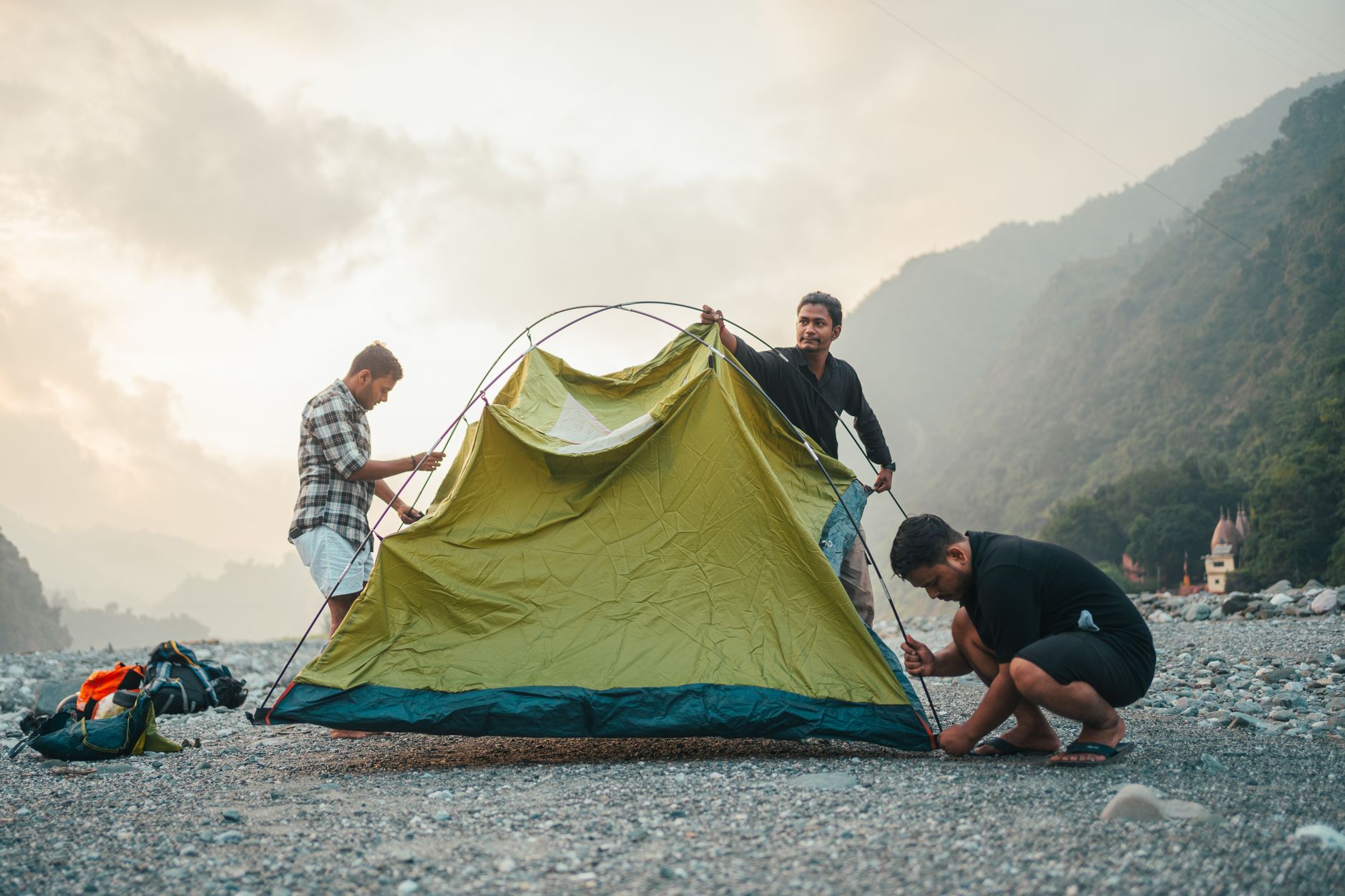 Photo by Vishal Adhikari / Pexels
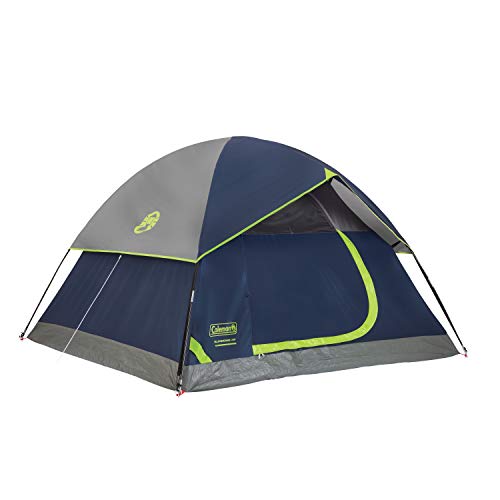
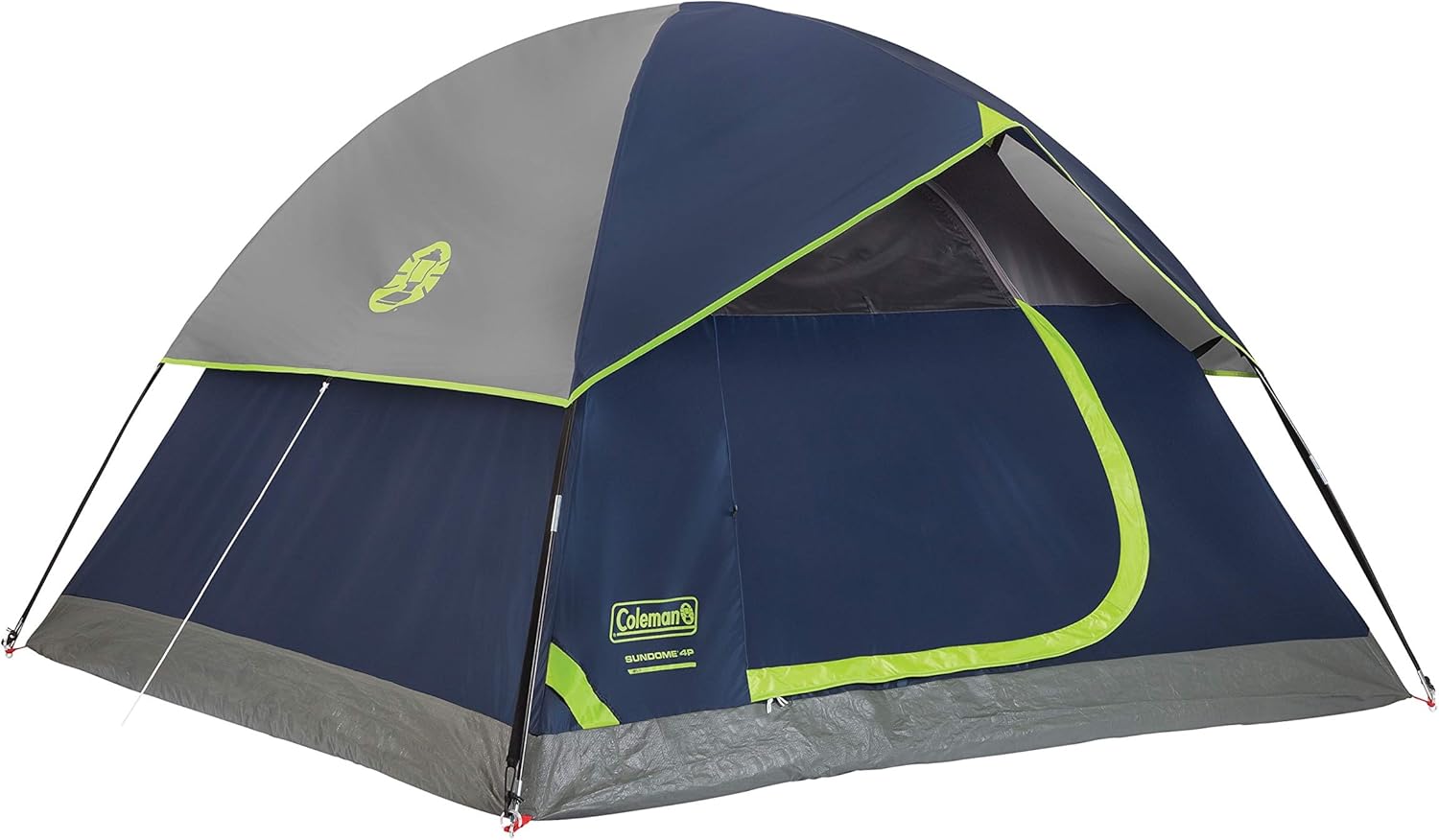
Quick Verdict: Our top pick is the Coleman Sundome 4-Person Tent (Best Car Camping Tent) — Coleman Sundome 4-Person -- the most reliable entry-level family tent on the market. Priced at $61.93.
Budget Pick: The Coleman Brazos Cold Weather Sleeping Bag, 20°F at $23.74 — Coleman Brazos 20-degree Cold Weather bag offers genuine cold-weather performance at a budget price point.
This guide is for you if:
-
You're going camping for the first time and don't know what to buy vs. borrow
-
You want a complete, prioritized gear checklist that distinguishes essentials from luxury
-
You're transitioning from car camping to backpacking and need to understand weight trade-offs

Skip this guide if:
-
You're an experienced thru-hiker — this covers car camping through beginner backpacking
-
You're doing wilderness survival training — this is recreational camping gear

Quick verdict: The Big 4 are tent, sleeping bag, sleeping pad, and backpack (for overnight trips). Get these right first.
## The Camping Gear Framework: Start Here
Before any list, understand the fundamental hierarchy of camping needs. Miss the top of the hierarchy and everything below it is irrelevant.
Tier 1 -- Survival systems: Shelter, warmth, water, and navigation. These are non-negotiable for every trip. Tier 2 -- Comfort systems: Cooking, lighting, clothing layers, seating. These make a trip good. Tier 3 -- Convenience items: Camp chairs, lanterns, solar lights, camp games. These make a trip great. Tier 4 -- Everything else: The camp sink, the portable espresso maker, the folding table. Genuinely optional.
Most gear mistakes happen when people skip Tier 1 or 2 items while overpacking Tier 3 and 4.
Watch before you pack: REI's YouTube channel has a series called "REI Expert Advice" with short videos on every gear category. Darwin Onthetrail does honest, real-world gear reviews from a thru-hiker perspective -- his "What's in My Pack" videos are some of the best lightweight gear reality checks available. Search "Darwin Onthetrail gear review" for a no-sponsorship take on ultralight camping.
---## Car Camping Checklist: The Complete Weekend Kit
Picture this: Friday afternoon, you pull into the campsite. The light is that perfect golden hour orange that makes everything look like a National Geographic photo. You open the back of the car and in 20 minutes you have a camp that feels like a second home. That is what a properly organized car camping kit produces.
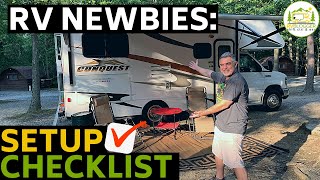
- Tent: 3-season tent for most camping (handles rain and wind; not designed for snow). Size up one person -- a 4-person tent for 3 people gives you comfort and gear storage space.
- Tent footprint: A ground cloth cut to tent size protects the floor from punctures and adds waterproofing. Optional but extends tent life significantly.
- Guy lines and extra stakes: Pre-tension the tent in windy sites. Never trust the stakes that came with a budget tent.
- Mallet: For driving stakes in hard ground.
- Sleeping bag: Temperature rating should be 10-15 degrees *colder* than the coldest night you expect. A bag rated to 20 degrees F is appropriate for nights that drop to 35 degrees F, because the rating reflects survival temperature, not comfort temperature.
- Sleeping pad: The most underrated piece of camping gear. Cold ground drains body heat 25x faster than cold air -- even a warm sleeping bag cannot overcome a missing or thin pad. Car campers can use a thick self-inflating pad or even an air mattress.
- Pillow: A compressible camp pillow packs to tennis-ball size. Your neck will thank you.
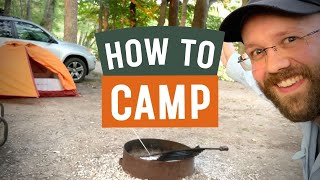
- Cooler: Properly iced cooler keeps food safe for 2-4 days. Pack ice in a 2:1 food-to-ice ratio. Block ice melts slower than cubed.
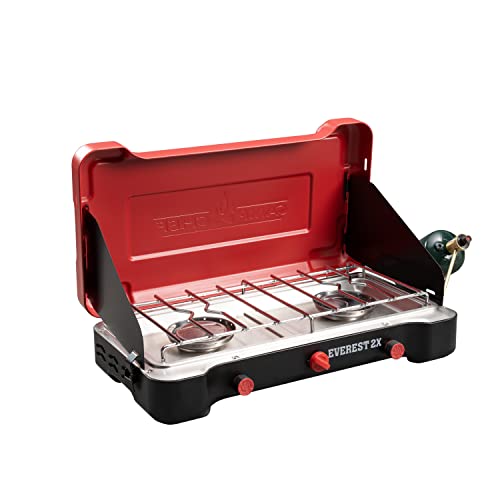
- Camp stove: Two-burner propane stoves (Coleman, Camp Chef) are the car camping standard. One burner for the main, one for water. Bring a lighter AND waterproof matches -- both.
- Cookware: At minimum -- one pot, one pan, a spatula, tongs, and a can opener. For groups: a dedicated camp cookware set is worth the organized packing.
- Plates, utensils, cups: BPA-free hard plastic or enamel. Each person gets their own set.
- Dish washing kit: Small basin, biodegradable soap (not regular dish soap -- it kills aquatic life when gray water is disposed), scrubber, small drying rack.
- Food storage: Bears and rodents are real. Use the campsite bear box if available. A hard-sided cooler with a lock works for car camping. Never leave food in your tent.
- Headlamp: One per person. Not one for the whole group -- one per person. Hands-free light is essential for safety, cooking at night, finding the bathroom.
- Lantern: A battery or rechargeable LED lantern for group lighting around camp. Propane lanterns are brighter but require fuel management.
- Extra batteries or charging cables: Headlamps die at the worst times.
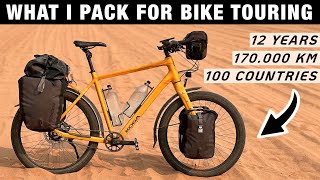
The single biggest beginner mistake in camping clothing: not accounting for how dramatically temperature drops after sunset. A 75-degree afternoon can become a 45-degree night. Build your clothing kit around this gap.
- Base layer: Moisture-wicking synthetic or merino wool. Not cotton. "Cotton kills" is the outdoor saying -- it stays wet and sucks heat from your body.
- Mid layer: A fleece or down jacket. The puffy jacket is your best friend on cool evenings around the fire.
- Outer layer: Rain jacket and rain pants. Weather can change in hours. A rain jacket stuffed into a corner of your bag takes up almost no space and saves trips.
- Warm hat and gloves: Even in summer, mountain nights can be cold. Pack them.
- Camp shoes: Something other than your hiking boots for walking around camp. Your feet thank you.
## The Big Four: Deep Dive