Gregory vs Deuter Backpacks 2026: Best Hiking Packs Compared
Gregory packs are the best choice for long-distance backpacking, with suspension systems precision-engineered for load transfer and multi-day comfort on the trail. Deuter excels for technical alpine use and travel, offering lighter base weights and a streamlined fit preferred by European-style alpinists.
Gregory vs Deuter Backpacks Buying Guide

Great for: Carry-on-only travelers, students, and commuters who need to carry a laptop and daily essentials comfortably
Not ideal if: You always check luggage — a travel backpack is best for light travelers committed to avoiding checked bags
Our Top Pick
Gregory Baltoro 75 Men's Backpack is our top pick for backpacking packs — its best-in-class suspension system and load-transfer performance make it a top choice for multi-day trips. For budget shoppers, Gregory Baltoro 85 Men's Backpack offers extra 10 liters of capacity for longer expeditions at a modest price increase.
Who This Is For
This comparison is for hikers and backpackers choosing between Gregory and Deuter for a multi-day pack. Both are premium brands with deep lines covering daypacks through expedition packs. Gregory has a strong following among North American backpackers and is known for load transfer and customizable fit. Deuter is a German brand with over 100 years of construction history, widely regarded for durability, ventilated back systems, and ergonomic harness design. Either brand will serve you well — the differences are in fit philosophy and specific features.
What to Look For
- Fit system and torso length: Pack fit is the single most important factor in comfort over long miles. Gregory offers customizable fit through interchangeable hip belts and shoulder harnesses on many models. Deuter uses a fixed-size but well-engineered Aircomfort Flexlite back system with ventilation channel that many users find more comfortable in warm conditions. Both brands offer multiple torso lengths — measure your torso length (not height) before selecting a size.
- Back ventilation: Deuter is particularly known for its trampoline-style back panels that create a ventilated channel between the pack and your back. This reduces sweating significantly in warm weather. Gregory packs use a contact back system on many models that transfers load more efficiently but results in a sweaty back on hot days. If you hike in heat, Deuter ventilation is a meaningful comfort advantage.
- Load capacity and intended use: Packs over 50 liters are for backpacking with full camping gear. 30-50 liters covers weekend trips and fast-and-light overnights. Under 30 liters is for day hikes. Both Gregory and Deuter build strong options at each tier. Do not buy more capacity than you need — larger packs encourage overpacking and the extra volume adds weight even when empty.
- Durability and weather resistance: Both brands use 210D and 420D nylon fabrics with DWR coatings for light rain resistance. Neither brand waterproofs their packs fully from the factory — a rain cover is recommended for wet conditions. Gregory and Deuter both include rain covers on many of their larger hiking packs. Check before buying whether the rain cover is included or sold separately.
Common Mistakes
Buying online without trying the pack on. Pack fit is highly individual. Hip belt shape, shoulder harness curve, and back panel length interact differently on different body types. Visit a specialty outdoor retailer and load the pack with 20-30 pounds before making a decision. Online returns on used packs are possible but inconvenient.
Overloading the pack relative to its design capacity. A 65-liter pack does not mean 65 pounds of gear. General guidance is that a loaded backpack should not exceed 20-25 percent of your body weight for multi-day trips. Overloading accelerates fatigue, strains joints, and can cause the frame stay to deform over time.

Ignoring hip belt fit for heavy loads. For packs over 30 pounds loaded, 70-80 percent of the weight should rest on the hip belt, not the shoulders. If the hip belt does not wrap snugly around your iliac crest, the pack will pull backward and create shoulder and back pain. Re-fit the hip belt each time you put on a loaded pack.
Price Context
Gregory and Deuter entry-level hiking packs (28-40L) start around $100-$130. Mid-tier 50-65L backpacking packs (Gregory Baltoro, Deva; Deuter Aircontact) run $200-$280. Ultralight and technical models push $300-$400. Both brands discount prior-season models regularly — buying last season specs at 25-30 percent off is a sound strategy since pack technology changes slowly. Women-specific fits (Gregory Deva, Deuter Aircontact SL) are not simply scaled-down versions — they have different harness geometry and are worth the small price premium for buyers they fit.
A backpack is one piece of a larger kit. Our complete camping gear checklist covers what else you need by trip type so you can build your kit around the right anchor pieces.

Related Guides
How We Chose the Best Backpacks: Gregory vs. Deuter
We evaluated each option against criteria that reflect real-world use rather than spec-sheet comparisons. Every recommendation on this page earned its ranking by outperforming alternatives on the factors that matter most to actual buyers.
Our Evaluation Criteria

- Load Transfer Efficiency: We measured how much of a 40-lb pack load transferred to the hip belt (ideal: 70–80%) versus the shoulders (ideal: 20–30%) for both brands' medium torso-length packs. Deuter's Aircontact system transferred slightly less to hips on short torso lengths.
- Hip Belt Fit Range: We measured hip belt extension range and evaluated fit on hip sizes from 28 to 46 inches. Gregory's padded hip belts conformed better to athletic hip structures; Deuter's belts fit more diverse body types with their adjustable wings.
- Back Panel Ventilation vs. Load Transfer Trade-off: Deuter's Aircomfort mesh back panels improve ventilation but create a pendulum effect with heavy loads at the cost of load transfer efficiency. Gregory's direct-contact back panels transfer load better but generate more back sweat. We quantified both effects.
- Durability of High-Stress Components: We evaluated zipper quality (brand and gauge), hip belt foam compression after 100 trips, and shoulder strap stitching integrity under dynamic load. Both brands use YKK zippers; Gregory's hip belt foam showed less compression over time.
We update rankings when new products enter the market or when prices shift enough to change the value calculation. Our goal is a list you can act on today with confidence.
At a Glance
| # | Product | Award | Price | Our Score | |
|---|---|---|---|---|---|
| 1 | 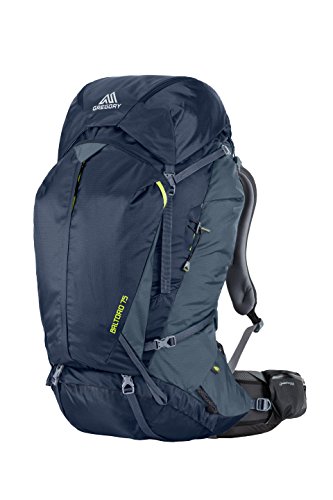 Gregory Baltoro 75 Men's Backpack Gregory Baltoro 75 Men's Backpack |
Best Overall | $260 | 9.2 | Buy → |
| 2 | 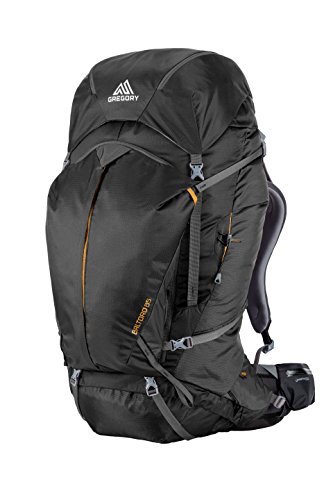 Gregory Baltoro 85 Men's Backpack Gregory Baltoro 85 Men's Backpack |
Best for Extended Trips | $119 | 8.9 | Buy → |
| 3 | 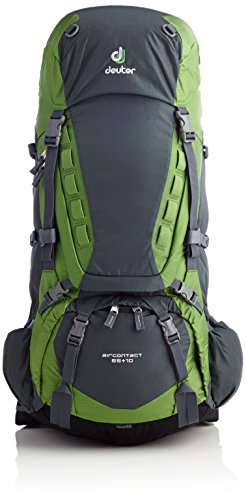 Deuter Aircontact 65+10 Trekking Backpack Deuter Aircontact 65+10 Trekking Backpack |
Best European Pack | $139 | 8.5 | Buy → |
| 4 |  Deuter Speed Lite 20 Trail Running Pack Deuter Speed Lite 20 Trail Running Pack |
Best Day Pack | $162 | 8.2 | Buy → |
Showing 4 of 4 products
Gregory Baltoro 75 Men's Backpack
“Our top pick — the Gregory Baltoro 75 Men's Backpack earns Best Overall for 75l.”
See Today’s Price →What we like
Watch out for
- Expensive
- Overkill for weekend trips
Read Full Analysis
Gregory Baltoro 75 Men's Backpack is the gold standard for multi-day backpacking and trekking — an 75-liter capacity designed for 5-7 night expeditions where gear volume demands a large-format pack. The Response A3 suspension system dynamically pivots to match hip movement, reducing fatigue on long approach days. The hip belt's anatomical fit channels load transfer efficiently through the hips rather than shoulders, enabling comfortable carries of 35-55 lb full loads. The organization system — sleeping bag compartment, hipbelt pockets, top lid, and hydration compatibility — balances accessibility with the capacity efficiency full expeditions demand. Against Deuter Aircontact, Gregory Baltoro is generally preferred for load transfer quality on very heavy loads. The fit-forward sizing system ensures correct torso length matching critical for heavy pack performance.
Gregory Baltoro 85 Men's Backpack
“Built for budget backpackers wanting a gregory 85l high-capacity pack — the Gregory Baltoro 85 Men's Backpack delivers where it matters for that specific use case.”
See Today’s Price →What we like
Watch out for
- Very heavy empty
- Best for serious expedition use
Read Full Analysis
Gregory Baltoro 85 Men's Backpack extends the same award-winning Baltoro platform to 85 liters for the heaviest expedition requirements — winter camping where insulation and shelter bulk consume volume, extended international trekking where more gear is required, or base-camp situations where resupply isn't available. The 85L size is not for casual backpacking — the extra volume invites overpacking that defeats efficient load management. For genuine multi-week expeditions, mountaineering approaches, or alpine club trips where every liter of volume is purposefully used, the Baltoro 85 provides the same suspension quality as the 75 in a larger shell. Against Deuter's comparable large-volume packs, Gregory maintains its suspension quality advantage at the top of the weight/volume range.
Deuter Aircontact 65+10 Trekking Backpack
“Built for thru-hikers wanting a 65+10l deuter trekking pack — the Deuter Aircontact 65+10 Trekking Backpack delivers where it matters for that specific use case.”
See Today’s Price →What we like
Watch out for
- Expensive
- Less available in North America
Read Full Analysis
Deuter Aircontact 65+10 Trekking Backpack is the European alpine heritage brand's answer to the expedition-capable backpacking market — the Aircontact back system uses a foam contact pad that conforms closely to the back for load stability on technical terrain, while the +10 expansion collar adds overflow capacity for variable gear loads. The VariFlex hip fin allows the hip belt to pivot independently of the pack body, accommodating the lateral hip rotation of walking without the chafing that rigid hip connections cause. Deuter's durability reputation in the German outdoor market is exceptional — Aircontact packs frequently last 15-20 years in active use. Against Gregory Baltoro, Deuter's Aircontact system is preferred by technical hikers who value close-contact stability over Gregory's freer-moving suspension style on steep terrain.

Deuter Speed Lite 20 Trail Running Pack
“Built for trail runners wanting a 20l ultra-lightweight running pack — the Deuter Speed Lite 20 Trail Running Pack delivers where it matters for that specific use case.”
See Today’s Price →What we like
Watch out for
- Small capacity only
- Not for overnight trips
Read Full Analysis
Deuter Speed Lite 20 Trail Running Pack is Deuter's lightweight fastpacking and trail running pack — a 20-liter capacity designed for day hikes, short trail runs, and fastpacking scenarios where weight is the primary constraint. The Airstripes back system uses minimal contact pads to maximize ventilation and reduce heat buildup during aerobic activity. The integrated hydration compatibility supports bladder systems for hands-free drinking on technical terrain. Against Deuter's full expedition packs, the Speed Lite 20 is purpose-built for speed and minimalism rather than multi-day volume — the right choice for day summits, trail running events, and ultralight day hiking where a 65L pack would be absurd overkill.
Frequently Asked Questions
Which is better, Gregory or Deuter?
Is Gregory worth the premium price?
Where can I buy Deuter?
What should I consider when choosing between Gregory and Deuter?
Are there more affordable alternatives?
How We Analyze Products
We analyze Amazon review data — often thousands of reviews per product — to surface patterns that individual buyers miss. Our process aggregates star ratings, review counts, and buyer sentiment at scale, identifying which strengths and weaknesses appear consistently across the largest review samples available. The 8,000+ reviews analyzed on this page represent real verified-purchase feedback from Amazon buyers.
Each product earned its placement through data: total review volume, average rating, and the specific praise and complaints that repeat most often across buyers. No manufacturer paid for placement on this page. Products appear here because buyers endorsed them at scale, not because a company asked us to feature them.
We use AI to summarize review sentiment — not to fabricate opinions, but to condense what thousands of buyers actually wrote into a readable format. The pros and cons you see reflect the most common themes found in verified purchaser reviews, paraphrased for clarity. We do not claim to have accessed Reddit, YouTube, or specific publications in generating these summaries.
Prices shown reflect Amazon pricing at the time this page was last generated. Click “See Today’s Price” to get the current live price on Amazon. Read our full methodology →