Hiking Boot vs Trail Shoe Guide 2026: Which Should You Actually Buy?
If you are carrying more than 30 lbs, hiking off-trail rocky terrain, or crossing streams regularly, hiking boots provide the ankle support and waterproofing your terrain demands. If you are on maintained trails, carrying a light daypack, and hiking at a faster pace, trail runners will feel better, dry faster, and outlast any boot for pure comfort. The hybrid option -- mid-height hiking shoes -- splits the difference for most day hikers.
Hiking Boot vs Trail Shoe Guide Buying Guide

This guide is for you if:
-
You're starting to hike and need to understand what gear is actually essential
-
You've been hiking in casual sneakers and want to know when to upgrade to hiking boots
-
You want to understand the layering system before investing in expensive outdoor clothing
Skip this guide if:
-
You're an experienced backpacker or thru-hiker — this is for day hikers and beginners
-
You just want gear recommendations — see our hiking comparison pages
Quick verdict: If you are carrying more than 30 lbs, hiking off-trail rocky terrain, or crossing streams regularly, hiking boots provide the ankle support and waterproofing your terrain demands. If you are on maintained trails, carrying a light daypack, and hiking at a faster pace, trail runners will feel better, dry faster, and outlast any boot for pure comfort.

| Best For | ||||
| Ankle Support | ||||
| Weight (pair) | ||||
| Break-In Period | ||||
| Pack Weight Limit | ||||
| Waterproofing | ||||
| Price Range | ||||
| Our Pick |
## The Real Question: What Are You Actually Hiking?
Picture yourself at 7 AM on a trail in the White Mountains of New Hampshire. The path winds over exposed granite slabs, drops into a boulder field, then crosses a creek on wet stepping stones before the final push to the summit. You have a 35-pound pack with camping gear for two nights.
Now picture a Saturday morning on the Appalachian Trail in Georgia. Maintained tread, rolling hills, a 12-pound daypack with water and snacks. You are covering 15 miles because you can move fast.
The right footwear for these two scenarios is completely different -- and buying the wrong one makes both trips worse.
Watch before you decide: Chase Mountains on YouTube does some of the best boot-versus-trail-shoe content available, including real side-by-side testing on the same terrain. Homemade Wanderlust's "Hiking Boots vs Trail Runners" video is a conversational, practical comparison from a thru-hiker's perspective that has over 2 million views. Search both and watch them before spending money.
---## Hiking Boots: When They Are the Right Answer
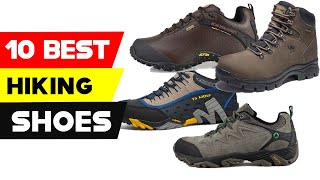
Ankle support for uneven terrain. This is the primary reason boots exist. A high collar extends 2-4 inches above the ankle and limits lateral ankle rolling on uneven ground. Research is actually mixed on whether ankle collars *prevent* ankle sprains (some studies suggest trained proprioception matters more), but for heavy loads and genuinely technical terrain, the extra structure provides meaningful stability most hikers want. Waterproofing for sustained wet conditions. Gore-Tex and similar waterproof membranes in boots keep feet dry through creek crossings (if the water stays below the collar), prolonged rain, and wet vegetation. Trail runners, even with Gore-Tex versions, get wet faster and take significantly longer to dry. For backpacking trips where wet feet every day for 3 nights is a hypothermia risk, boots win. Protection for heavy loads. A 50-lb pack changes your center of gravity and increases the rotational force on your ankle with every step. The stiffer sole and higher collar of a boot helps manage this load. Trail runners under heavy pack weight provide less load control and can bottom out (feel like no cushioning) faster. Rocky, technical terrain. A boot's stiffer midsole and lugged outsole provide better rock-gardening traction and underfoot protection. Standing on a sharp rock edge in a trail runner is uncomfortable -- the flexible sole transmits that shape to your foot. A stiff boot sole bridges across rock edges without your foot feeling every feature.
-
Off-trail hiking, scrambling, or bushwhacking
-
Sustained wet conditions (rain for days, repeated stream crossings)
-
Rocky, technical terrain with lots of boulder hopping
-
Hikers with a history of ankle instability
-
Cold-weather hiking where insulation matters
## Trail Running Shoes: When They Win
No break-in period. This is the most practical advantage. A new hiking boot needs 10-20 miles of wearing-in before the stiff upper leather or synthetic panels conform to your foot. New trail runners feel broken-in immediately. If you are buying shoes for an upcoming trip, trail runners work out of the box. Speed and agility. A 10-12 oz trail runner versus a 24-28 oz hiking boot is a significant weight difference per foot. Multiplied over 20,000 steps per mile, lighter footwear reduces fatigue measurably. Thru-hikers switching from boots to trail runners often report covering 20-30% more miles per day with the same perceived effort. Breathability and quick drying. Most trail runners use mesh uppers without waterproof membranes. This is a deliberate choice by ultramarathon athletes: if your feet get wet (they always do eventually), a breathable non-waterproof shoe dries in 30-60 minutes, while a waterproof boot soaks through the collar and then stays wet for 24+ hours because the waterproof membrane prevents drying from the inside. In warm weather, wet-and-dried is better than wet-and-stayed-wet. Comfort for fast, light hiking. For day hiking, trail runners pair perfectly with an ultralight approach -- a 10-15 lb pack, fast pace, maintained trail. The flexible sole and low profile allows more natural foot movement and generates less fatigue over long days.

-
Thru-hiking the PCT or AT (trail runners are now the dominant footwear choice on long trails)
-
Anyone transitioning from road running to hiking
At a Glance
| # | Product | Award | Price | Our Score | |
|---|---|---|---|---|---|
| 1 | 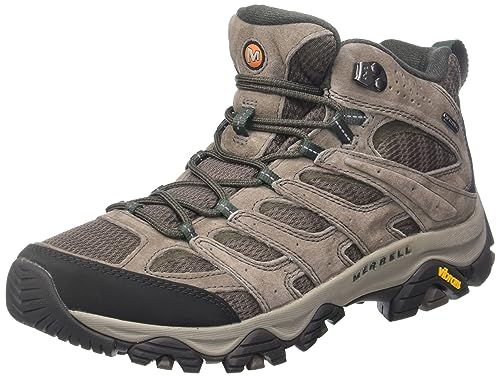 Merrell Men's Moab 3 Waterproof Hiking … Merrell Men's Moab 3 Waterproof Hiking … |
Best Overall | $139 | 9.2 | Buy → |
| 2 | 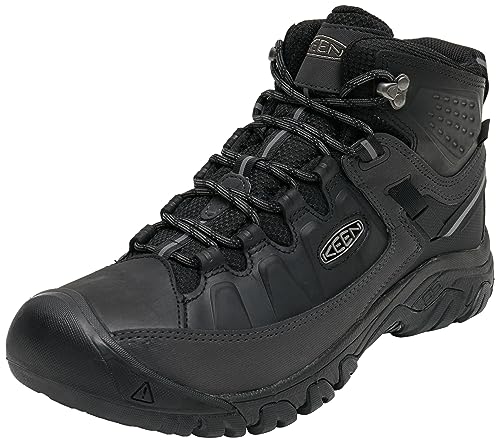 KEEN Men's Targhee III Mid Waterproof H… KEEN Men's Targhee III Mid Waterproof H… |
Best Mid-Height Boot | $139 | 8.9 | Buy → |
| 3 | 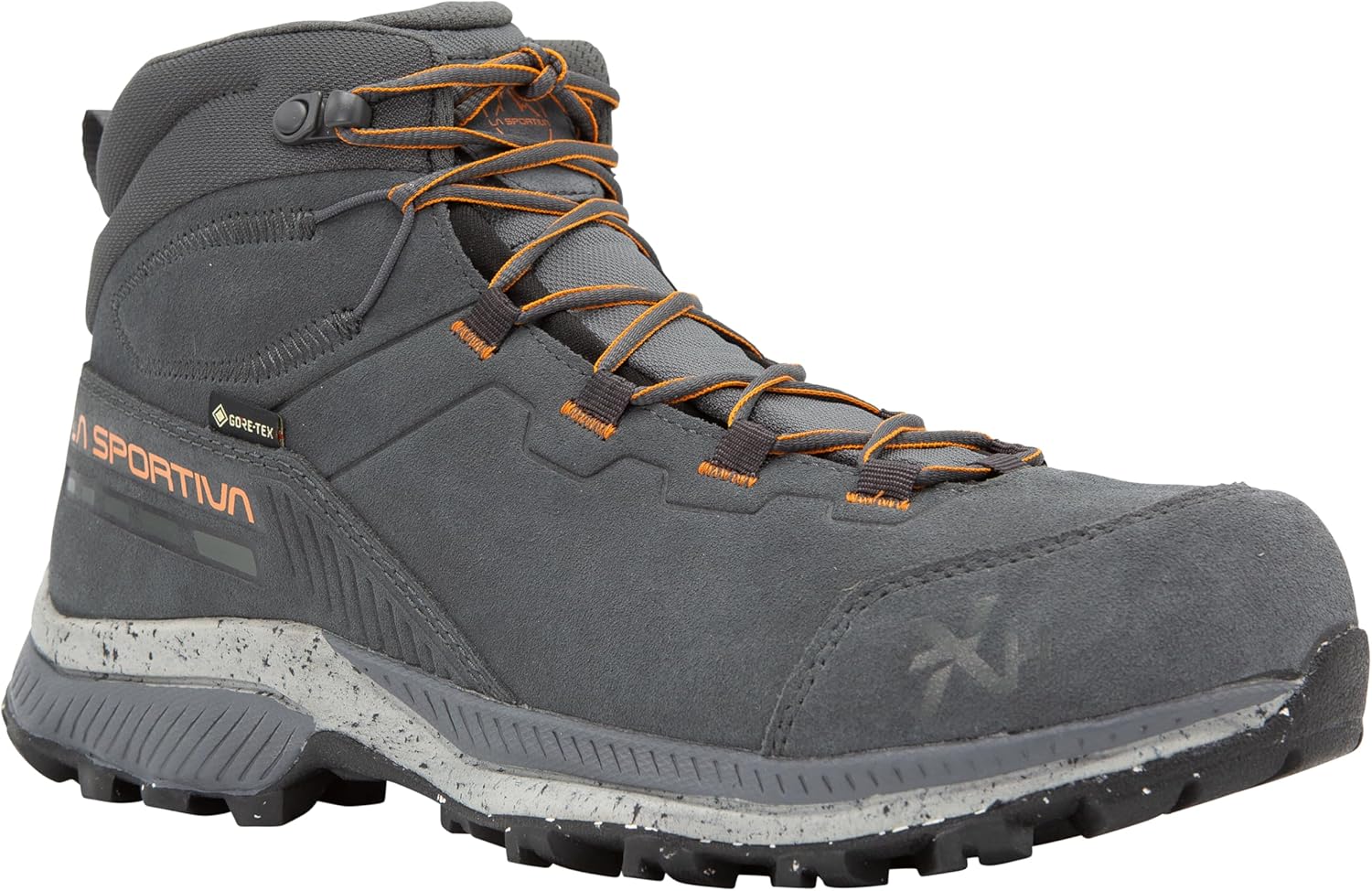 La Sportiva TX Hike Mid Leather GTX Hik… La Sportiva TX Hike Mid Leather GTX Hik… |
Best Technical Hiking Boot | $279 | 8.5 | Buy → |
| 4 |  ALTRA Lone Peak 8 Trail Running Shoe ALTRA Lone Peak 8 Trail Running Shoe |
Best Trail Runner | $109 | 8.2 | Buy → |
| 5 |  Brooks Cascadia 16 Trail Running Shoe Brooks Cascadia 16 Trail Running Shoe |
Best Trail Running Shoe | $109 | 7.8 | Buy → |
Showing 5 of 5 products
Merrell Men's Moab 3 Waterproof Hiking Shoe
“The most popular trail shoe in the world for good reason.”
See Today’s Price →What we like
- Best-in-class waterproofing
- Vibram outsole grips wet rock
- Proven comfort from day one
Watch out for
- Heavier than non-waterproof version
Read Full Analysis
Merrell Men's Moab 3 Waterproof Hiking Shoe is the bestselling hiking shoe in the American market — the Moab (Mother of All Boots) line has dominated recreational hiking footwear for years by delivering the right combination of waterproofing, cushioning, and durability at an accessible price. The M-Select DRY waterproof membrane keeps feet dry for water crossings and rain without the breathability sacrifice of inferior waterproof membranes. The 3mm lug depth provides traction on dirt and light scramble terrain. Against the KEEN Targhee III Mid Boot (higher ankle support) and La Sportiva TX Hike (technical approach boot), the Moab 3 is the comfort-optimized option for trail users who prioritize cushioned long-day wear over technical terrain performance. Against Altra Lone Peak and Brooks Cascadia trail shoes, Moab 3 is a hiking shoe rather than a running shoe — heavier, more supportive, optimized for loaded day hikes rather than trail running. For casual to intermediate hikers who want proven waterproofing and all-day comfort on maintained trails, Moab 3 is the market's default recommendation.

KEEN Men's Targhee III Mid Waterproof Hiking Boot
“Best mid-cut hiking boot for ankle stability on rugged terrain.”
See Today’s Price →What we like
- Mid-cut ankle support for technical terrain
- Wide toe box is KEEN's signature
- Excellent protection
Watch out for
- Heavier than Merrell
- Takes 2+ days to break in
Read Full Analysis
KEEN Men's Targhee III Mid Waterproof Hiking Boot is KEEN's flagship hiking boot — the mid-height design provides ankle support above what low-cut trail shoes offer while remaining lighter than traditional backpacking boots. The KEEN.DRY waterproof membrane provides reliable protection in wet conditions, and the wider toe box (KEEN's signature design) accommodates natural foot splay on long descents. Against Merrell Moab 3 (low-cut), the Targhee III Mid provides meaningful ankle protection for uneven terrain and loaded pack hiking where rolled ankle risk is higher. Against La Sportiva TX Hike Mid (technical approach), the Targhee is more comfort-focused with more cushioning for non-technical trail distances. The KEEN toe cap protects the big toe from rock stub impacts on technical terrain. For hikers who carry 15+ pound packs, navigate rocky trails, or have a history of ankle instability, the Targhee III Mid's extra ankle support and KEEN's protective toe box design provide meaningful functional advantages over low-cut alternatives.
La Sportiva TX Hike Mid Leather GTX Hiking Boot
“Outdoor Gear Lab's top pick for technical hiking boots. The Vibram Megagrip outsole and Gore-Tex lining make it the go-to for serious hikers on demanding terrain.”
See Today’s Price →What we like
- Exceptional grip on technical terrain
- Gore-Tex waterproofing
- Vibram Megagrip outsole
- Precision fit for technical hiking
- Durable full-grain leather upper
Watch out for
- At $280, costs $80–130 more than comparable Gore-Tex leather mid boots from Merrell Moab 3 Mid GTX or Salomon X Ultra 4 Mid GTX — the premium pays for La Sportiva Italian construction and approach shoe precision on technical rocky terrain
- Break-in period of 8–15 miles before the leather softens fully to foot shape — blister prevention at the collar and toe box is required for the first 3–4 outings
- Available in a B (standard) width last only — feet wider than a 2E or those with bunions will experience forefoot pressure; Merrell and Salomon offer Gore-Tex mid boots in D and EE widths
Read Full Analysis
La Sportiva TX Hike Mid Leather GTX Hiking Boot is a technical approach and hiking hybrid — the TX (Technical Approach) lineage connects the Hike to climbing approach footwear, providing precision footwork on rocky scrambles and technical terrain where conventional hiking boots are imprecise. The GTX (Gore-Tex) waterproofing provides reliable waterproofing certified by Gore's own testing standards. The leather upper provides durability and break-in fit customization. Against Merrell Moab 3 and KEEN Targhee III, the TX Hike Mid is significantly stiffer and more technical — appropriate for users who scramble on Class 3-4 terrain but overkill for maintained trail hiking where cushion and flexibility are more valuable. Against Altra Lone Peak and Brooks Cascadia running shoes, the TX Hike is incompatible with running cadence but superior for precise foot placement on exposed rock. For mountaineers, via ferrata users, and peak baggers who need a single boot for trail approach and technical scrambling, the TX Hike Mid is the most capable hybrid in this comparison.

ALTRA Lone Peak 8 Trail Running Shoe
“The most popular zero-drop trail shoe for ultrarunners and foot-strike form advocates. The wide toe box allows natural foot splay over long distances — the top choice for trail ultras and thru-hiking.”
See Today’s Price →What we like
Watch out for
Read Full Analysis
Altra Lone Peak 8 Trail Running Shoe is the zero-drop, wide toe box trail runner — the flat platform (zero height differential between heel and forefoot) promotes a midfoot strike that reduces impact loading on the knees and promotes natural running gait. The wider toe box accommodates the natural foot splay that occurs when running at speed, reducing blistering and toenail bruising on long downhills. The MaxTrac outsole provides aggressive lug traction on loose dirt and technical trail surfaces. Against Merrell Moab 3 and KEEN Targhee III (hiking boots), Altra Lone Peak is a running shoe — lighter, more flexible, faster on flat to moderate trail, but less supportive under pack weight and on very technical terrain. Against Brooks Cascadia (conventional-drop trail runner), Altra's zero-drop requires an adjustment period for runners accustomed to heel drop — calf muscles must adapt over several weeks. For ultramarathon runners, long-distance trail runners, and natural running advocates, the Lone Peak 8 is the category-defining zero-drop trail shoe.

Brooks Cascadia 16 Trail Running Shoe
“One of the most durable all-terrain trail running shoes for muddy, rooted, and rocky conditions. A reliable choice for trail races up to 50K in variable mountain terrain.”
See Today’s Price →What we like
Watch out for
Read Full Analysis
Brooks Cascadia 16 Trail Running Shoe is Brooks' flagship trail runner — a conventional-drop trail shoe with 8mm heel-to-toe differential, the Cascadia provides the familiar running geometry of road shoes adapted for trail surfaces. The TrailTack outsole compound grips wet and dry trail surfaces, and the rock protection plate shields the forefoot from sharp rock impacts on technical terrain. Against Altra Lone Peak (zero-drop), Cascadia's 8mm drop is immediately comfortable for runners transitioning from road running without the adaptation period zero-drop requires. Against Merrell Moab 3 and KEEN Targhee (hiking boots), Cascadia is significantly lighter and built for running cadence rather than hiking load-bearing. Against HOKA Speedgoat (the other dominant trail runner), Cascadia provides less cushion with more ground feel — preferred by trail runners who want terrain feedback. For road runners transitioning to trail running who want reliable traction and rock protection without the learning curve of zero-drop geometry, Cascadia 16 is the standard recommendation.
Frequently Asked Questions
Should I buy hiking boots or trail shoes as a beginner?
Do I really need waterproof hiking boots?
How do I break in new hiking boots?
Are ankle sprain rates actually lower with hiking boots?
Can I use trail running shoes for backpacking?
What is zero-drop and should I try it?
How long should hiking boots or trail shoes last?
What socks should I wear with hiking boots?
How We Analyze Products
We analyze Amazon review data — often thousands of reviews per product — to surface patterns that individual buyers miss. Our process aggregates star ratings, review counts, and buyer sentiment at scale, identifying which strengths and weaknesses appear consistently across the largest review samples available.
Each product earned its placement through data: total review volume, average rating, and the specific praise and complaints that repeat most often across buyers. No manufacturer paid for placement on this page. Products appear here because buyers endorsed them at scale, not because a company asked us to feature them.
We use AI to summarize review sentiment — not to fabricate opinions, but to condense what thousands of buyers actually wrote into a readable format. The pros and cons you see reflect the most common themes found in verified purchaser reviews, paraphrased for clarity. We do not claim to have accessed Reddit, YouTube, or specific publications in generating these summaries.
Prices shown reflect Amazon pricing at the time this page was last generated. Click “See Today’s Price” to get the current live price on Amazon. Read our full methodology →