How to Build a Home Gym: Setup for Every Budget and Space (2026)
Start with adjustable dumbbells. They are the single highest-value piece of home gym equipment that exists -- one investment unlocks hundreds of exercises for every muscle group. Add a pull-up bar. Add a mat. That is your functional base at under $400. Everything else (bench, barbell, rack, cardio equipment) builds on this foundation in order of return on investment.
How to Build a Home Gym Buying Guide
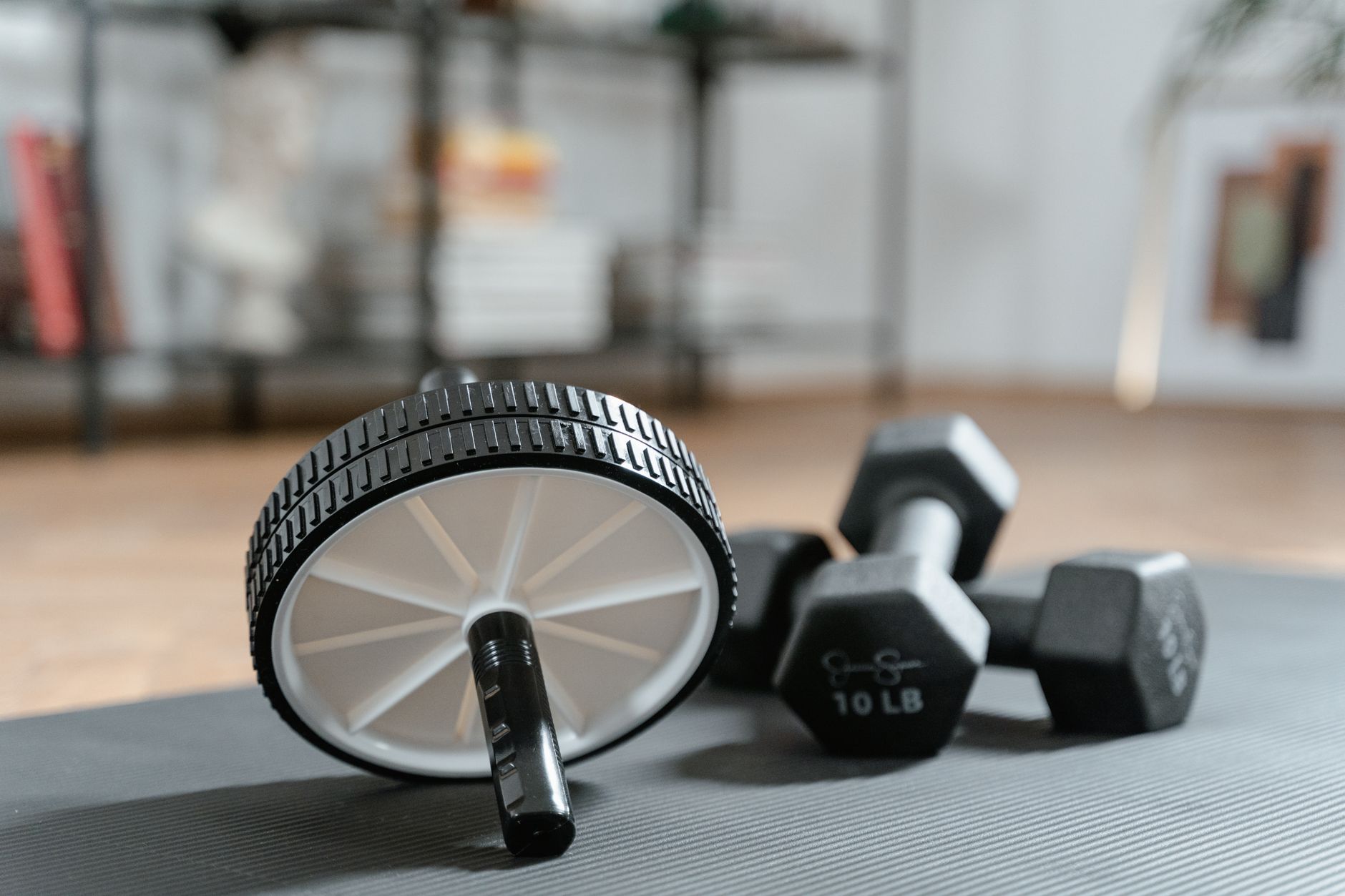 Photo by MART PRODUCTION / Pexels
Quick Verdict: Our top pick is the Adjustable Dumbbell Set 110 lb Total with Tray Anti-Slip Grip (Best Adjustable Dumbbells) — The 110 lb adjustable dumbbell set with anti-slip tray is the cornerstone of any serious home gym -- this weight rang.... Priced at $139.97.
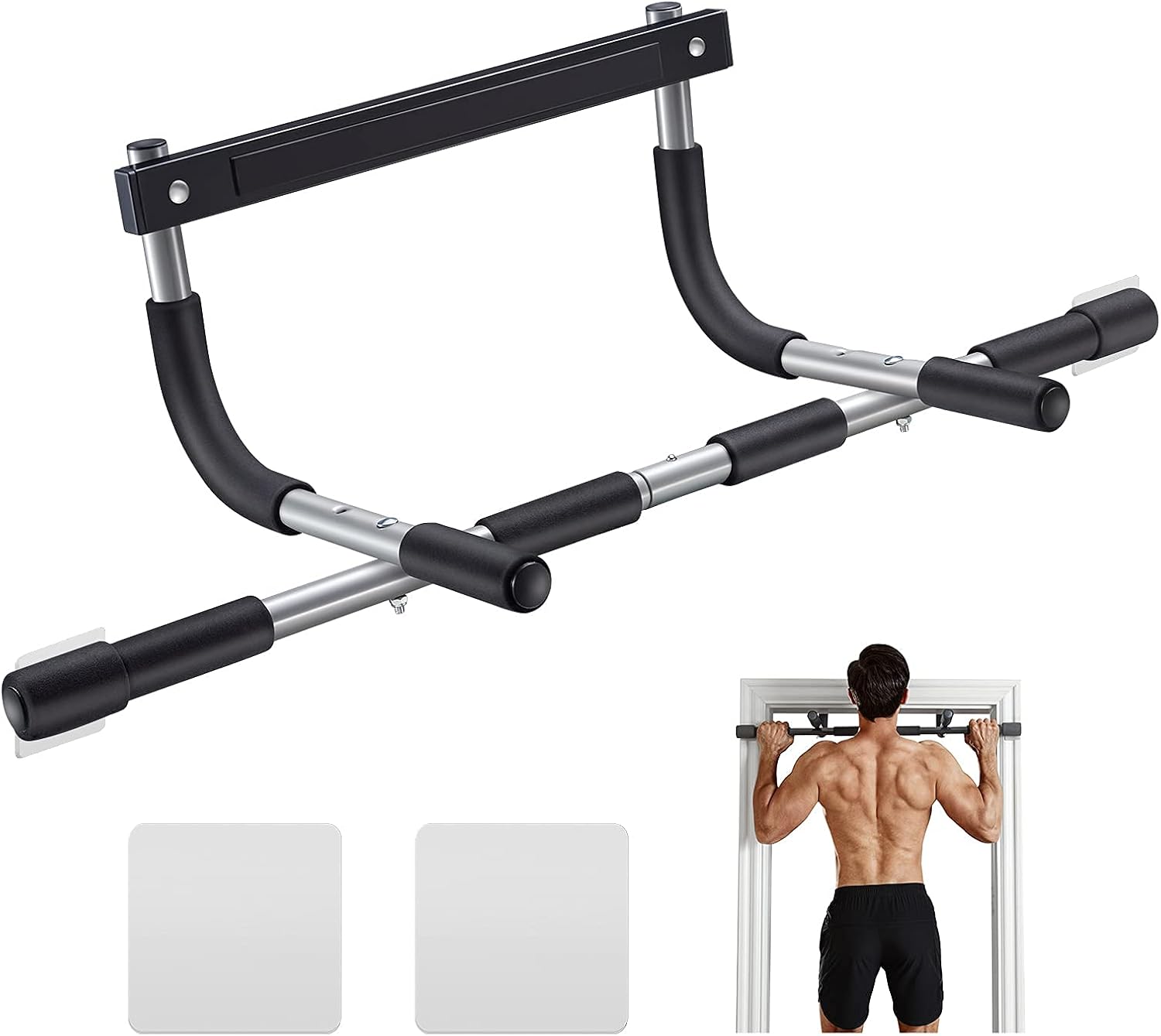
Budget Pick: The Ally Peaks Pull-Up Bar for Doorway Multi-Grip 440 lb Capacity at $27.98 — The Ally Peaks pull-up bar fits standard door frames without drilling, supports up to 440 lbs, and provides multiple ....
This guide is for you if:

-
You're building a home gym and want to avoid buying equipment you'll stop using
-
You have limited space and budget and need to prioritize what gives the most return per dollar
-
You want honest guidance on whether home gym equipment pays for itself vs. a gym membership

Skip this guide if:
-
You're a competitive powerlifter with specific training equipment needs
-
You just want product recommendations — see our fitness gear comparison pages

Quick verdict: Start with adjustable dumbbells. They are the single highest-value piece of home gym equipment that exists -- one investment unlocks hundreds of exercises for every muscle group.
## Why Most People Build Their Home Gym in the Wrong Order
Picture this: your home gym has a full power rack, a barbell, 300 pounds of bumper plates, and a brand new bench. It cost you $2,400. You use the bench every other day and the barbell occasionally. The dumbbell rack you "were going to add later" never happened. You have a $2,400 gym that cannot do half of what you actually want to do.
This is the pattern. People build their gym backwards -- starting with the big impressive equipment and skipping the foundational tools that deliver the most training variety per dollar.
Watch these first: Coop Mitchell at Garage Gym Reviews is the definitive home gym equipment reviewer. He has personally tested hundreds of pieces of equipment in his own garage and his reviews are the most practically useful in the industry. Search "Garage Gym Reviews" on YouTube. For budget builds specifically, search "basement gym transformation" for real people sharing what they spent and what they wish they had done differently.
---## Budget Tier 1: The $300 Foundation (Start Here, Even If You Plan to Spend More)
This setup works in the smallest apartment corner, takes up less than 6x6 feet of floor space, and unlocks more effective training than most commercial gyms.
Shopping list: 1. Adjustable dumbbells (up to 52.5 lbs): $200-$350. The Bowflex SelectTech 552 has been the market leader for years -- a single dial adjusts weight in 2.5 lb increments from 5 to 52.5 lbs, replacing 15 pairs of individual dumbbells. ATIVAFIT and PowerBlock make competing options at lower price points. This is the highest-ROI single item in home fitness. Period. 2. Doorframe pull-up bar: $30-$60. The Ally Peaks and Iron Gym types fit standard doorframes without drilling. Immediate upper body pulling strength, bodyweight rows with feet on floor, hanging leg raises -- this adds serious vertical pulling work to your dumbbell program. 3. High-density exercise mat: $20-$40. A 1/2-inch or 3/4-inch mat for core work, stretching, and floor exercises. Not optional -- cold garage concrete will kill your motivation for floor exercises faster than anything. 4. Resistance bands: $25-$50. A set of loop bands and/or tube bands with handles adds finisher exercises, mobility work, and accommodating resistance that complements the dumbbells. Bodylastics and Serious Steel make excellent options.
Total: $275-$500. What you can train: Every major muscle group with progressive resistance. Upper body push (dumbbell press variations), upper body pull (pull-up bar, dumbbell rows), lower body (goblet squats, lunges, Romanian deadlifts, single-leg work), core (everything). This is a complete program.
---## Budget Tier 2: The $1,000 Serious Upgrade
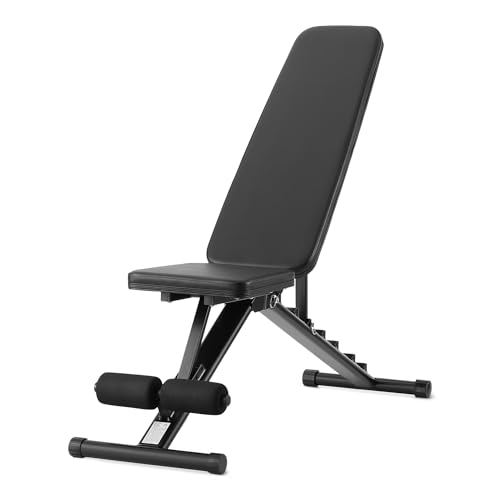
Add these to Tier 1:5. Adjustable weight bench: $150-$300. An adjustable bench (flat/incline/decline) is the single most efficient way to add exercise variety to your dumbbells. Incline dumbbell press, seated shoulder press, step-ups, Bulgarian split squats using the bench as the rear foot elevation -- the exercises multiply. Look for a 600+ lb capacity rating, a stable four-leg base, and multiple back pad angles.
6. Heavier adjustable dumbbells (up to 90 lbs): $200-$400. As you progress past 52.5 lbs on exercises like goblet squats, Romanian deadlifts, and chest press, you need heavier options. Bowflex SelectTech 1090 goes to 90 lbs. ATIVAFIT goes to 71 lbs. Alternatively, add a fixed-weight hex dumbbell set in the 60-75 lb range.
7. Kettlebell (35-53 lbs): $50-$80. Kettlebell swings, Turkish get-ups, single-arm rows, goblet squats -- the kettlebell unlocks explosive hip hinge movements that dumbbells cannot replicate as efficiently. One kettlebell in the 35-53 lb range covers most training needs.
Total Tier 2 addition: ~$400-$780. Running total: ~$700-$1,300.
---## Budget Tier 3: The $2,000 Serious Gym
The power rack and barbell. The mythologized centerpiece of home gym culture.
8. Power rack (squat stand or full cage): $300-$700. A power rack lets you do barbell squats, bench press (with a bench inside the rack), overhead press, pull-ups on the pull-up attachment, and dozens of accessory exercises. Budget-friendly options (Titan Fitness, CAP Barbell) perform acceptably. Mid-range (Rep Fitness, Rogue) build quality is noticeably better. Avoid the very cheapest options (sub-$200) -- wobble in a loaded rack is a safety issue, not a comfort issue.
9. Olympic barbell: $100-$400. A 7-foot, 45-lb Olympic bar is the standard. For home gym use, you want at least 190,000 PSI tensile strength steel, dual knurling marks (powerlifting + Olympic), and a smooth-spinning sleeve for Olympic lifts. Titan Fitness 86" bar and CAP Classic 7-foot bar are entry-level but functional. Rep Fitness and Rogue bars are the quality step-up.
10. Weight plates -- 300 lb set: $200-$500. Standard rubber or cast-iron plates. Bumper plates (can drop from height) cost more but protect floors and bars. For home gyms doing primarily powerlifting movements (squat/bench/deadlift), standard iron plates work fine. For Olympic lifting (clean, snatch), bumper plates are necessary.
11. Horse stall mats: $40-$60 each (typically 4x6 ft, 3/4-inch thick). This is the home gym community's open secret. Horse stall mats from Tractor Supply or rural supply stores are 3/4-inch thick rubber flooring designed for 1,200-pound horses -- they handle dropped weights, deadlift impacts, and everything a home gym throws at them. At $40-$50 per mat, they are one-fifth the price of branded gym flooring. Three to four mats covers a typical 12x12 ft garage gym corner.
Total Tier 3 addition: ~$640-$1,600. Running total: ~$1,350-$2,900.
---## Budget Tier 4: The $5,000 Complete Setup