How to Choose a Treadmill: Motor, Belt, Budget & More (2026)
Match the treadmill to your use: walkers need 2.0-2.5 CHP and a 18x48 inch belt minimum; joggers need 2.5-3.0 CHP and 20x55 inch belt; runners need 3.0+ CHP and a 22x60 inch belt. Budget $500-1,000 for a machine that will handle regular jogging. Under $500 motors burn out quickly under sustained use.
At a Glance
| # | Product | Award | Price |
|---|
How to Choose a Treadmill Buying Guide
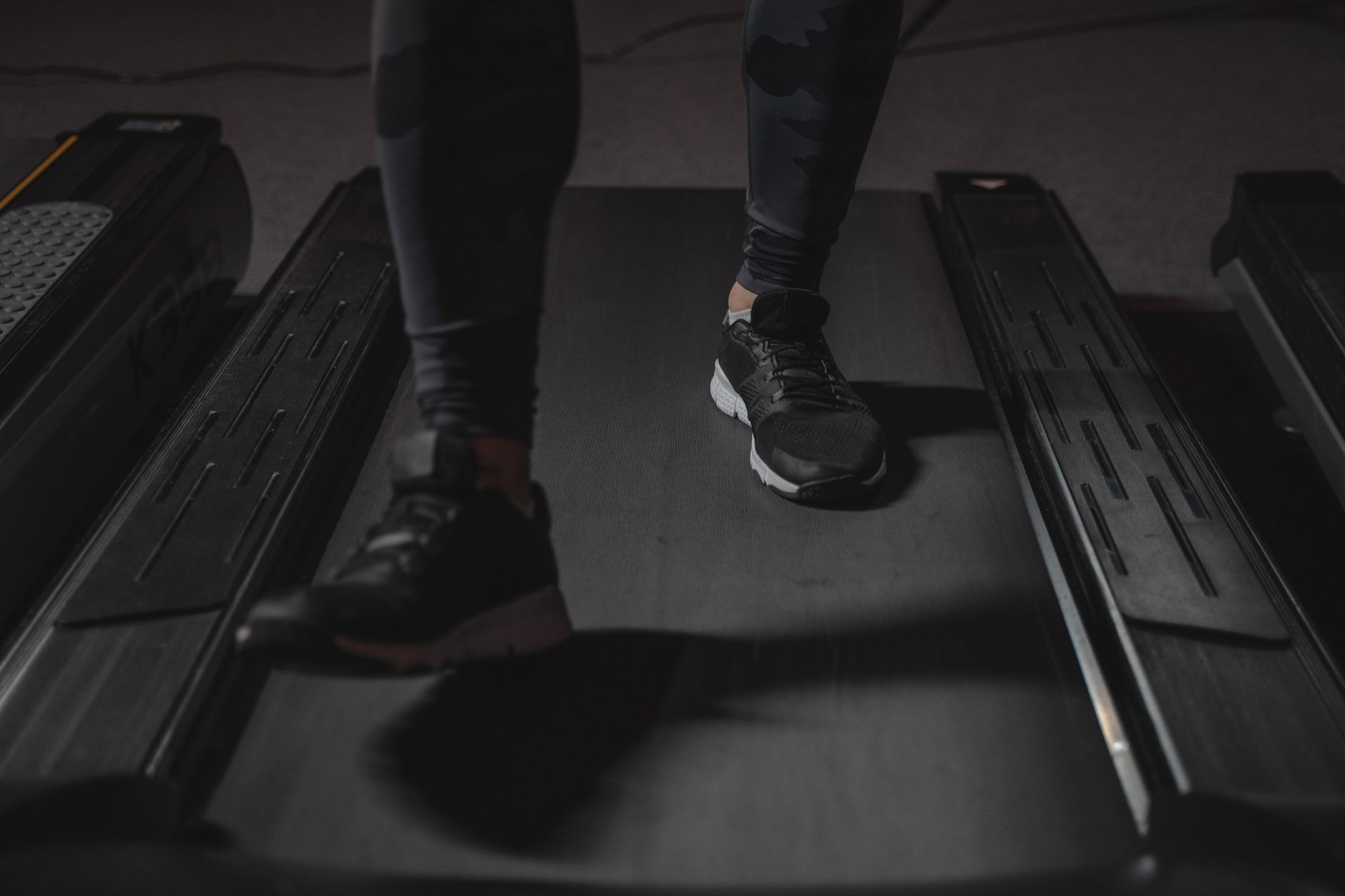 Photo by Tima Miroshnichenko / Pexels
Buying a treadmill is a significant investment that thousands of people make each year and regret within six months -- usually because they bought based on price alone, underestimated the footprint in their space, or bought a machine spec'd for casual walkers when they needed one built for running. This guide covers every spec that actually matters.
Motor Power: What CHP Means and How Much You Need
Treadmill motors are rated in CHP (continuous horsepower) -- the sustained output during continuous use, not the peak rating (which is meaningless for buying decisions). Ignore "peak" or "maximum" HP claims. Walkers: 2.0-2.5 CHP is adequate. Joggers (up to 6 mph): 2.5-3.0 CHP. Runners (6+ mph with regular use): 3.0 CHP minimum, preferably 3.5+. Heavy users or users over 200 lbs: 3.0 CHP minimum regardless of speed. Under-powered motors run hot under sustained use, wear out faster, and produce a less smooth belt feel. A 1.5 CHP motor marketed for "light jogging" will fail within two years of regular use.
Belt Size: The Spec Most People Get Wrong
Treadmill belts are measured in width x length. Minimum dimensions for comfortable use: walkers: 18" wide x 48" long. Joggers: 20" wide x 55" long. Runners with a long stride: 22" wide x 60" long. Most budget treadmills use 16-17" wide belts that are uncomfortably narrow for any gait faster than a slow walk. Running on a belt that is too narrow causes foot striking errors and increased fall risk. Budget treadmills often list belt dimensions in the small print because they are a liability. Always verify before buying.
Maximum Speed and Incline
Maximum speed: 10 mph is adequate for walkers and most joggers. 12 mph allows interval training for runners. 15 mph is overkill for 99% of home users but found on commercial-grade machines. Most residential buyers are fine with 10-12 mph max. Incline: flat treadmill (0%) use places less joint stress on knees than a 1-2% incline, which mimics outdoor running resistance. Motorized incline (up to 12-15%) enables hill training that significantly increases calorie burn and strength development. Decline capability (some premium models go to -3%) simulates downhill running, which burns different muscle groups. Budget models typically have manual incline (adjust by hand before running) or no incline; quality mid-range and above have motorized incline with controls on the console.
Cushioning and Deck Quality
Deck thickness and cushioning directly affect joint impact. A solid 1-inch thick phenolic deck with cushioned zones absorbs 30-40% more impact than a thin uncushioned deck. This matters for knees, hips, and ankles over thousands of steps per session. Budget treadmills use thin, rigid decks that feel like running on concrete. Mid-range and quality residential treadmills use multi-layer decks and rubberized cushioning zones. If you have knee or joint issues, deck quality is the most important spec after motor power.
Folding vs. Non-Folding
Folding treadmills fold the deck upright against the motor housing, reducing footprint by roughly 50% when not in use. The folding mechanism adds weight (often metal hydraulic cylinders) and potential failure points over time. Non-folding treadmills are more stable, require no folding mechanism maintenance, and generally have better deck support across the full belt length. If space is the primary constraint and the treadmill must move out of the way daily: folding is necessary. If you have a dedicated space: non-folding is the structurally better choice. Under-desk treadmills (walking pads) are a separate category: compact, no incline, max 4 mph -- designed for walking while working, not fitness running.
Budget Tiers: What Each Level Delivers
Under $500: light-duty folding treadmills. Adequate for walking and occasional jogging. Narrow belts, low CHP motors, thin decks. Not suitable for regular running or users over 180 lbs. Will not last more than 3-5 years under regular use. $500-1,000: mid-range residential treadmills where quality jumps significantly. NordicTrack T Series, ProForm Pro Series, Horizon T101. Wider belts, 2.5-3.0 CHP motors, basic cushioning. Appropriate for regular joggers and light runners. $1,000-2,000: quality residential treadmills with 3.0+ CHP, commercial-width belts (20"+), quality cushioning systems, touchscreen consoles. NordicTrack Commercial 1750, Sole F85, Bowflex T22. Appropriate for serious runners and daily heavy use. $2,000+: near-commercial grade. Peloton Tread, LifeFitness, Precor. Longest warranties, heaviest builds, highest motor ratings. Worth it for households with multiple daily users or runners exceeding 30+ miles per week.
How We Research Treadmill Recommendations
We evaluated treadmills across motor longevity data, belt and deck specifications, warranty coverage (a direct signal of manufacturer confidence in build quality), and real-world performance reports from owners at 1, 2, and 3+ years of use, cross-referencing with fitness equipment publications and consumer feedback on motor wear, belt tracking, and console reliability. Picks at each price tier were selected for the durability and performance that justifies the investment over a 5-10 year ownership period.
How We Analyze Products
We analyze Amazon review data — often thousands of reviews per product — to surface patterns that individual buyers miss. Our process aggregates star ratings, review counts, and buyer sentiment at scale, identifying which strengths and weaknesses appear consistently across the largest review samples available.
Each product earned its placement through data: total review volume, average rating, and the specific praise and complaints that repeat most often across buyers. No manufacturer paid for placement on this page. Products appear here because buyers endorsed them at scale, not because a company asked us to feature them.
We use AI to summarize review sentiment — not to fabricate opinions, but to condense what thousands of buyers actually wrote into a readable format. The pros and cons you see reflect the most common themes found in verified purchaser reviews, paraphrased for clarity. We do not claim to have accessed Reddit, YouTube, or specific publications in generating these summaries.
Prices shown reflect Amazon pricing at the time this page was last generated. Click “See Today’s Price” to get the current live price on Amazon. Read our full methodology →