How to Choose Ski Gear for Beginners: Rent vs Buy & What Fits (2026)
First season: rent skis and poles, buy a helmet (never rent one), ski-specific socks, and base layers. After your first season, buy properly fitted boots ($200-400) before skis -- boots improve control and comfort more than any other upgrade. Buy skis in season two or three once you know your terrain preferences.
At a Glance
| # | Product | Award | Price |
|---|
How to Choose Ski Gear for Beginners Buying Guide
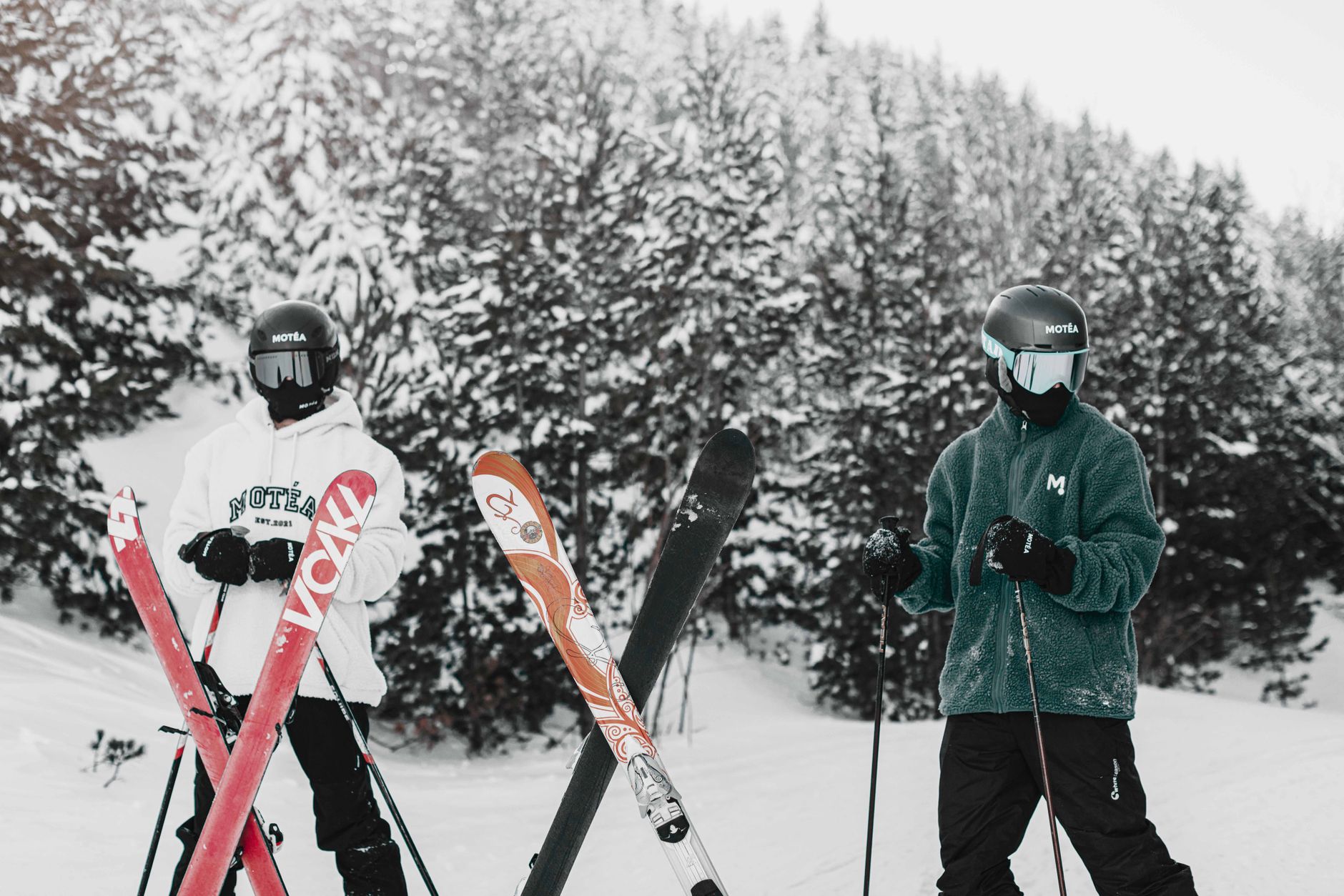 Photo by DYLBER CAUSHI / Pexels
Ski gear is expensive, and the conventional wisdom to buy everything before you know if you will enjoy the sport leads to thousands of dollars of regret in most cases. The right approach for beginners is a staged investment: rent first, buy only what makes sense after your first season.
What to Rent vs. What to Buy (First-Season Framework)
Rent: skis, boots (if unsure of fit preferences), poles. Rental skis are maintained, appropriate for beginner terrain, and give you hands-on experience with different ski types before committing. A full rental package (skis, boots, poles) typically costs $35-60 per day at most ski resorts. After two to three days of skiing, you will have a much clearer sense of whether this is a sport you want to pursue, and if so, what type of skiing you gravitate toward. Buy immediately: helmet (never rent a helmet -- head circumference fit is precise and rental helmets have unknown impact history), ski socks (ski-specific wool or synthetic socks prevent blisters and cold feet), and base layers (synthetic or wool, never cotton).
Skis: Length, Width, and Type
Ski length is measured in centimeters and should match your height and skill level. Beginners ski on shorter skis than their eventual skill level would suggest -- shorter skis are easier to turn and control. General starting point: chin to nose height in skis. More specifically: beginner adult at 5'8" should start on 155-165cm skis, not the 175-180cm an intermediate skier of the same height might use. Ski types for beginners: all-mountain skis (80-90mm waist width) handle both groomed runs and modest off-piste. They are the right category for anyone who does not yet know what specialty they will pursue. Avoid race skis (stiff, narrow, requires aggressive technique) and mogul-specific skis for your first season.
Ski stiffness (flex): softer skis are more forgiving of technique errors and easier to turn. Harder skis respond faster but punish imprecise technique. Beginners always want softer flex. When you see ski descriptions like "Sport" or "Beginner/Intermediate," that indicates softer flex appropriate for learning.
Ski Boots: The Most Important Piece of Gear
Ski boots are the most important fit decision in skiing. An ill-fitting boot causes pain, cold feet, poor control, and ruins the experience. Key concepts: Last width (the width of the boot) is measured in millimeters. Narrow feet (95-98mm last), average feet (99-101mm), wide feet (102-104mm). Do not squeeze wide feet into narrow boots hoping they will pack out -- they will not. Flex index: beginner boots are 60-80 flex, intermediate 80-100, advanced 100+. A beginner in an 80-flex boot has adequate responsiveness; a beginner in a 120-flex boot will not be able to activate the boot without expert technique.
Boot fitting procedure: try on ski boots in the afternoon (feet swell during the day). Wear ski-specific socks (not thick wool -- ski socks are thinner than you expect). Stand in the boot before buckling. After buckling, your toes should barely touch the front but not be crammed. Your heel should not lift when you flex forward. If you have persistent foot problems or unusual foot shape, custom footbeds ($80-200 from a boot fitter) are worth every penny.
Bindings, Poles, and Helmet
Bindings: ski bindings are set to a DIN (release) value based on your height, weight, skier type, and boot sole length. DIN settings determine how much force causes the binding to release, which affects both safety and performance. Bindings are mounted by a certified technician -- do not attempt to set your own DIN. Beginner DIN values typically fall between 3-7. Poles: length is determined by holding the pole upside-down at the basket. Your elbow should be at 90 degrees. Pole material: aluminum poles are heavier but indestructible; carbon poles are lighter but expensive and fragile for beginners. Aluminum for first season. Helmet: fit is the only spec that matters -- the helmet should fit snugly without pressure points and should not rock when you shake your head. MIPS (Multi-directional Impact Protection System) is worth the premium ($20-50 more) as it reduces rotational force in falls. Never buy a used ski helmet.
Budget: A Realistic First-Season to Full Ownership Path
First season (rent equipment, buy safety/comfort gear): helmet ($60-150), ski socks 2 pairs ($15-30 each), base layers set ($60-100), mid-layer fleece ($40-80), ski jacket and pants ($150-400 or rent at resort), goggles ($40-150). Total: $400-900 in owned gear, plus rental fees on the mountain. Second season (if you loved it, buy boots first): a properly fitted boot ($200-400) is the first major purchase. Boots improve control, comfort, and warmth far more than ski upgrades. Third season or intermediate transition: buy skis and poles ($300-700 for a quality all-mountain ski package including bindings).
How We Research Ski Gear Recommendations
We evaluated beginner ski equipment across fit consistency by brand, flex ratings appropriate for first-year skiers, durability over multiple seasons, and value at each price tier, cross-referencing with ski-specific publications and certified ski instructor input on what equipment supports technique development. Recommendations prioritize the gear decisions that most impact learning speed and comfort for new skiers.
How We Analyze Products
We analyze Amazon review data — often thousands of reviews per product — to surface patterns that individual buyers miss. Our process aggregates star ratings, review counts, and buyer sentiment at scale, identifying which strengths and weaknesses appear consistently across the largest review samples available.
Each product earned its placement through data: total review volume, average rating, and the specific praise and complaints that repeat most often across buyers. No manufacturer paid for placement on this page. Products appear here because buyers endorsed them at scale, not because a company asked us to feature them.
We use AI to summarize review sentiment — not to fabricate opinions, but to condense what thousands of buyers actually wrote into a readable format. The pros and cons you see reflect the most common themes found in verified purchaser reviews, paraphrased for clarity. We do not claim to have accessed Reddit, YouTube, or specific publications in generating these summaries.
Prices shown reflect Amazon pricing at the time this page was last generated. Click “See Today’s Price” to get the current live price on Amazon. Read our full methodology →