How to Maintain a Treadmill: Belt, Motor & Cleaning Guide (2026)
Lubricate with 100% silicone lubricant every 150 miles or 3 months (whichever comes first). Check and adjust belt tension every 6 months. Vacuum the motor area monthly if used heavily. A properly maintained treadmill lasts 10-15 years; a neglected one lasts 3-5. The single most impactful step is consistent lubrication before the belt slips.
At a Glance
| # | Product | Award | Price |
|---|
How to Maintain a Treadmill Buying Guide
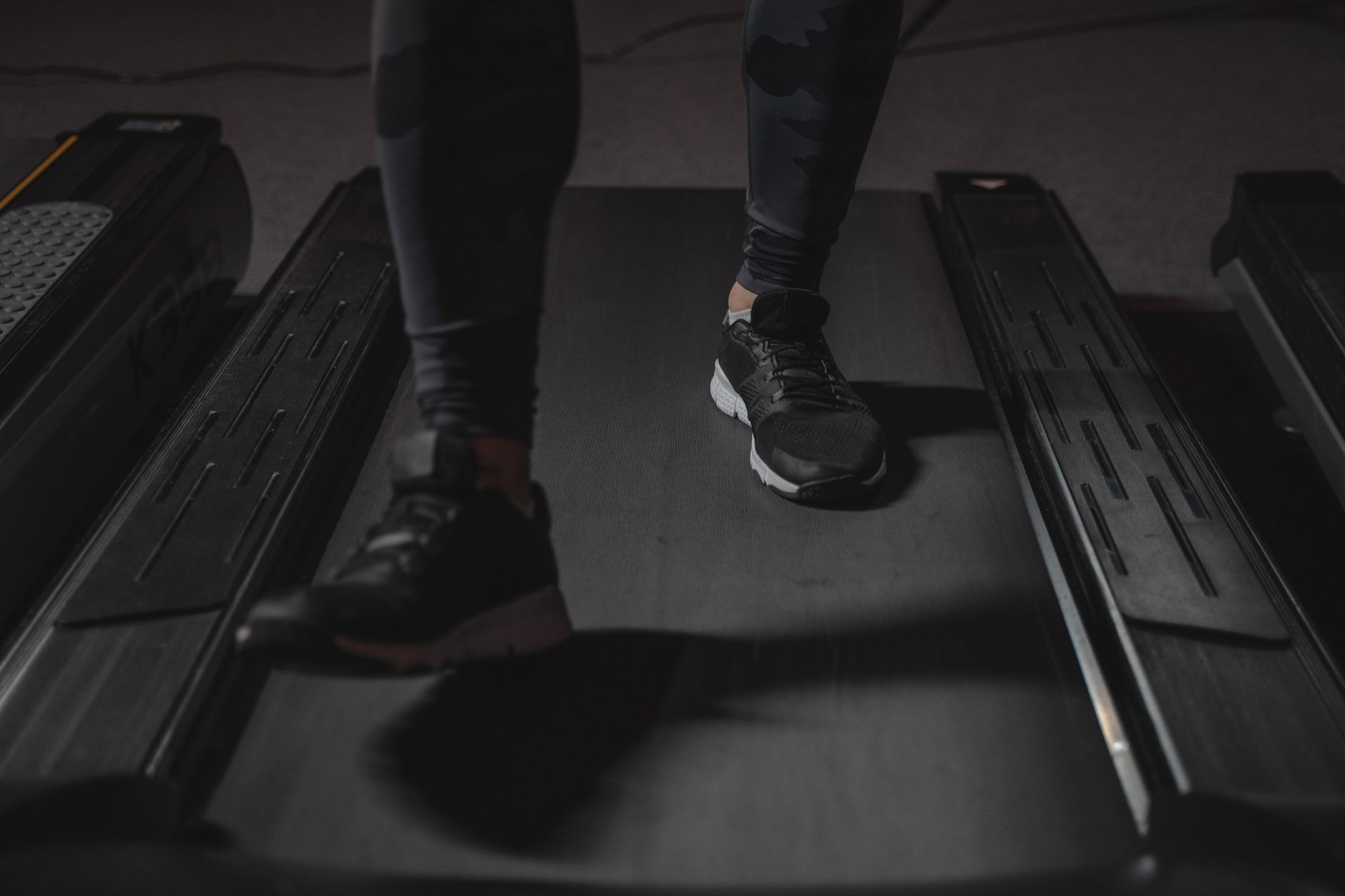 Photo by Tima Miroshnichenko / Pexels
A treadmill that is properly maintained lasts 10-15 years. One that is not maintained lasts 3-5 years before the motor burns out, the belt frays, or the electronics fail. The maintenance tasks that make this difference take less than 30 minutes per year in total. Here is exactly what to do and when.
Belt Lubrication: The Most Important Maintenance Task
The treadmill belt runs over a deck board constantly. Without lubrication, friction generates heat that wears both the belt and the deck simultaneously. The belt becomes stiff and starts to slip; the deck surface becomes rough and accelerates belt wear. Most modern treadmills come pre-lubricated from the factory and need their first lubrication at 150 miles of use, or approximately every 3 months for a user running 20 miles per week.
Lubrication procedure: unplug the treadmill. Lift the side of the belt from the center of the deck -- the belt should lift 2-3 inches. Using 100% silicone lubricant (the only correct lubricant -- do not use WD-40, petroleum-based oils, or general-purpose lubricants), apply a thin bead of lubricant along the center of the deck from roughly 6 inches from the front roller to 6 inches from the rear. Apply to both sides of the deck under the belt. Lower the belt. Plug in, run at low speed (2-3 mph) for 2-3 minutes to distribute the lubricant. A 4-ounce bottle of 100% silicone lubricant ($8-15) provides 3-5 applications. How often: every 150 miles or every 3 months, whichever comes first. Some treadmills specify different intervals in the manual -- always check the manufacturer specification for your model.
Belt Tension and Alignment
Belt tension check: walk on the treadmill at 2 mph and accelerate to a walking pace. If you feel the belt slip slightly under your foot (a hesitation as weight transfers), the belt needs tightening. If the belt feels stiff and the motor sounds labored, it may be over-tightened. Belt tension is adjusted via Allen key bolts at the rear of the treadmill (typically two bolts, one on each side). Turn both bolts clockwise a quarter-turn at a time. Tighten both bolts equally -- unequal tightening causes belt drift (the belt moves to one side).
Belt alignment check: stand to the side of the treadmill and watch the belt run at 2-3 mph. The belt should track in the center, equidistant from both side rails. If it drifts left, tighten the left rear bolt a quarter-turn. If it drifts right, tighten the right rear bolt. Allow a full minute between adjustments for the belt to stabilize before making further adjustments. Check and adjust belt tension and alignment every 6 months or when slipping or drift is observed.
Cleaning: What to Do and What to Avoid
After each use: wipe down the handrails and console with a lightly damp cloth. Wipe the belt surface if there is visible debris. Weekly (heavy users) or monthly (light users): vacuum or brush the area under the motor hood and around the rear roller. Dust and debris accumulate around the motor and can cause overheating. Use a soft brush attachment on a vacuum -- never use compressed air around the motor as it drives particles further into the housing. The belt surface: avoid cleaning products with petroleum or ammonia, which degrade latex and composite materials. A damp cloth with mild soap is adequate. Never soak the belt surface -- moisture penetrating the deck seams causes warping.
Maintenance Schedule Summary
After every session: wipe console and handrails. Every 3 months or 150 miles: lubricate the belt with 100% silicone lubricant. Every 6 months: check and adjust belt tension and alignment, vacuum motor area and rear roller compartment, check all bolts for tightness (vibration can loosen frame bolts over time). Annually: inspect the belt for signs of wear (fraying edges, flat spots, stiff areas), inspect the drive belt (the smaller belt connecting motor to front roller), and check power cord for damage. Every 3-5 years: replace the running belt. A new belt costs $80-200 depending on model and significantly extends motor life by reducing friction load.
Warning Signs That Need Immediate Attention
Burning smell: stop immediately and unplug. Either the belt is running without lubrication and burning the deck, or the motor is overheating. Do not run until the cause is identified. Belt slipping under load: indicates either belt under-tension or worn belt. Tighten first; if slipping continues on a properly tensioned belt, the belt needs replacement. Loud knocking or grinding: indicates a worn bearing in the front or rear roller. This requires a technician -- bearings are not a DIY repair on most residential treadmills. Console errors: most treadmill error codes are documented in the manual and online. Common codes (E1, E2) often relate to speed sensor failure or motor communication errors and may require part replacement.
How We Research Treadmill Maintenance Guidance
We compiled maintenance protocols from treadmill manufacturer documentation across NordicTrack, Sole, Bowflex, Horizon, and Peloton models, cross-referencing with fitness equipment technician recommendations and owner reports on maintenance tasks that most impacted treadmill longevity. The procedures described reflect the consensus across major residential treadmill brands and are validated against real-world maintenance outcomes reported by long-term treadmill owners.
How We Analyze Products
We analyze Amazon review data — often thousands of reviews per product — to surface patterns that individual buyers miss. Our process aggregates star ratings, review counts, and buyer sentiment at scale, identifying which strengths and weaknesses appear consistently across the largest review samples available.
Each product earned its placement through data: total review volume, average rating, and the specific praise and complaints that repeat most often across buyers. No manufacturer paid for placement on this page. Products appear here because buyers endorsed them at scale, not because a company asked us to feature them.
We use AI to summarize review sentiment — not to fabricate opinions, but to condense what thousands of buyers actually wrote into a readable format. The pros and cons you see reflect the most common themes found in verified purchaser reviews, paraphrased for clarity. We do not claim to have accessed Reddit, YouTube, or specific publications in generating these summaries.
Prices shown reflect Amazon pricing at the time this page was last generated. Click “See Today’s Price” to get the current live price on Amazon. Read our full methodology →