Home › Tech › Best Ethernet Cables for Beginners (2026)
Best Ethernet Cables for Beginners (2026)
By MyAwesomeBuy Research Team · Updated April 8, 2026 · Our Methodology
4 models compared32,432+ reviews analyzed
No manufacturer paid for placement. Rankings based on verified buyer review data.
Quick Answer
The Amazon Basics Cat6 10ft cable at $5.24 is the right starting point for anyone new to wired connections. It supports speeds up to 10Gbps and works with any router or switch. If you need a longer run — 75 feet or more — step up to the Cable Matters Cat6 at $20.49, which maintains signal quality over distance better than no-name alternatives.
Best for: Home networks, gaming setups, and office connections where reliable gigabit ethernet at a reasonable price is the goal
“The Amazon Basics Cat-6 is the best ethernet cable for most uses — 10Gbps capacity, snagless RJ-45 connectors, and available in any length at excellent value.”
Amazon Basics Cat6 Ethernet Cable delivers 10 Gigabit speeds at distances up to 55 meters — far more than the typical 10-foot home run from router to device — with gold-plated connectors that resist corrosion over years of use. At $5.24 for 10 feet, it's the most affordable reliable Cat6 cable for beginner network setups. Snagless boot protects the RJ-45 clip from breaking during frequent connect-disconnect. Best for gamers and streamers running a wired connection from a nearby router to a desktop or console to eliminate WiFi latency.
Full Specs & Measurements
Upc
192835002998
Asin
B089MGNQXF
Color
Black
Gauge
26.0
Model
CAT6-R-10FT-BLACK-1P
Frequency
250 MHz
Brand Name
Amazon Basics
Cable Type
Ethernet
Item Shape
Round
Model Name
Cat 6 Gigabit Ethernet Patch Internet Cable
Unit Count
1.0 Count
Item Weight
0.1 Kilograms
Manufacturer
Amazon
Connector Type
RJ45
Number Of Pins
8
Number Of Items
1
Connector Gender
Male-to-Male
Best Sellers Rank
#412 in Our Brands (See Top 100 in Our Brands) #7 in Cat 6 Ethernet Cables
Specification Met
Unknown (Likely Meets Some Industry Standards)
Compatible Devices
Printer
Data Transfer Rate
10 Gigabits Per Second
Included Components
Cable
Indoor Outdoor Usage
Indoor
Customer Package Type
Standard Packaging
Compatible Phone Models
No Compatible Phone Models
Connectivity Technology
Ethernet
Ethernet Cable Category
Cat 6
Recommended Uses For Product
Connect Devices
Other Special Features Of The Product
High Speed
Also Excellent
HUGIN Cat8 Ethernet Cable 25ft
$9
at Amazon
Best for: Users with 2.5G or 10G ethernet switches who need maximum throughput, or running cables near electrical interference sources
“The Dacrown Cat8 is the best Cat8 ethernet cable — 40Gbps shielded performance at a reasonable premium for 2.5G/10G networks and interference-heavy environments.”
Best for: Home office workers and gamers running ethernet from router to a room across the house (basement to second floor, living room to office)
“Cable Matters Cat6 75ft is the best long-run ethernet cable — pure copper conductors, snagless RJ-45 connectors, and Cat6 specs at a length that reaches most rooms.”
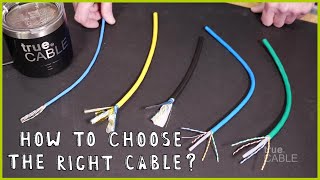
What Type of Ethernet Cable Should You Use? - Make It EASY
For home use, Cat6 is the current standard and supports speeds up to 10Gbps at distances up to 55 meters. Cat8 supports 40Gbps but is overkill for home networks since most home internet connections max out at 1–2Gbps. For a typical home where the router connects to a desktop, game console, or smart TV, Cat6 is all you need. Length matters for signal quality. Cable quality degrades over long runs, especially with budget cables. For runs under 25 feet, any Cat6 cable performs identically. For runs over 50 feet, buy from a reputable brand like Cable Matters or Amazon Basics rather than generic alternatives.
Flat vs. Round: Choose Flat for Baseboards and Doors
Flat vs round cable: flat cables like the Flat Patch Cable option are easier to run along baseboards and under door frames without a bulge. Round cables are more durable for high-flex installations. For permanent wall runs or floor-to-ceiling routing, flat is easier to work with. Shielding: most home ethernet cables are unshielded twisted pair (UTP). Shielded cables (STP or FTP) are only needed in environments with heavy electrical interference, such as near industrial equipment or elevator shafts. Cat8 cables like the HUGIN option are shielded by default, which contributes to their thick, stiff build.
Not all USB-C cables are equal — our USB-C cable guide explains Thunderbolt vs USB 3.2 vs charging-only and why the wrong cable causes slow charging or failed data transfer.
In most homes, yes. A wired Cat6 connection delivers consistent speeds with near-zero latency, while Wi-Fi speeds vary based on distance, interference, and congestion. For gaming, video calls, and 4K streaming, ethernet is reliably better.
What is the difference between Cat6 and Cat8?
Cat6 supports 10Gbps and is the standard for home networking. Cat8 supports 40Gbps but requires compatible switches and is designed for data centers. For home internet connections under 2.5Gbps, Cat6 performs identically to Cat8 in real-world use.
Can I run ethernet under carpet or through walls?
Under carpet: use a flat cable and run it along the edges to avoid compression bumps. Through walls: use a fish tape or conduit and buy a longer cable than you think you need. For permanent in-wall runs, buy Cat6 in-wall rated (CL2 or CL3) cable.
What length ethernet cable do I need?
Measure the actual path the cable will take — along walls, around door frames, and behind furniture — not the straight-line distance. Add 10–20% extra for slack. Always err longer; excess can be coiled, but a cable that's too short requires a coupler.
Do I need to do anything special to set up ethernet?
No. Plug one end into your router's LAN port and the other into your device's ethernet port. Your device will automatically detect the wired connection and prioritize it over Wi-Fi. No software configuration is needed.
We analyze Amazon review data — often thousands of reviews per product — to surface patterns
that individual buyers miss. Our process aggregates star ratings, review counts, and buyer
sentiment at scale, identifying which strengths and weaknesses appear consistently across
the largest review samples available. The 32,432+ reviews analyzed on this page represent real verified-purchase feedback from Amazon buyers.
Each product earned its placement through data: total review volume, average rating, and the
specific praise and complaints that repeat most often across buyers. No manufacturer paid for
placement on this page. Products appear here because buyers endorsed them at scale, not
because a company asked us to feature them.
We use AI to summarize review sentiment — not to fabricate opinions, but to condense what
thousands of buyers actually wrote into a readable format. The pros and cons you see reflect
the most common themes found in verified purchaser reviews, paraphrased for clarity. We do not
claim to have accessed Reddit, YouTube, or specific publications in generating these summaries.
Prices shown reflect Amazon pricing at the time this page was last generated. Click
“See Today’s Price” to get the current live price on Amazon.
Read our full methodology →
Affiliate disclosure: When you buy through our links, we may earn
a small commission at no extra cost to you. This helps us keep the reviews free and
the data updated. Our recommendations are based on data, not who pays us.
Learn more →

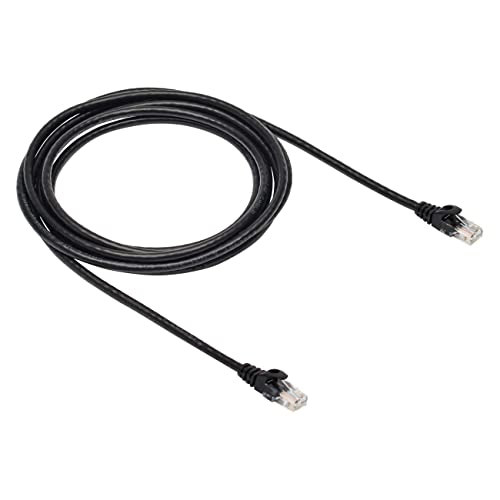 Amazon Basics Cat6 Ethernet Cable 10ft
 HUGIN Cat8 Ethernet Cable 25ft
 Flat Cat6 Ethernet Cable 100ft
 Cable Matters Cat6 Ethernet Cable 75ft


 Photo by Ann H / Pexels