Best Headphones for Music in 2026

The Bose QuietComfort headphones are the best for most music listeners — best-in-class active noise cancellation paired with a warm, detailed sound signature handles everything from jazz to hip-hop. Audiophiles willing to give up portability should look at the Grado SR80x or Focal Clear MG for open-back soundstage and accuracy at home.
See Today’s Price →At a Glance
| # | Product | Award | Price |
|---|---|---|---|
| 1 | Best Overall | $169 as of Nov 7, 2026 23:20 UTC details Buy → |
|
| 2 | Best for Audiophiles on the Go | $295 as of Nov 7, 2026 23:09 UTC details Buy → |
|
| 3 | Best for Studio Monitoring | $39.09 as of Nov 7, 2026 22:57 UTC details Buy → |
|
| 4 | Best Premium Open-Back | $1,269 as of Nov 7, 2026 23:11 UTC details Buy → |
|
| 5 | Best Budget Open-Back | Check price on Amazon Buy → |
Score Breakdown
| Bose QuietComfort Hea… | Sony WH-1000XM4 Wirel… | Shure SRH145 Portable… | Focal Clear MG Wired … | GRADO - SR80x - Prest… | |
|---|---|---|---|---|---|
| Comfort | 85 | – | 65 | 85 | 65 |
| Noise Canceling | 88 | – | 83 | N/A | N/A |
| Sound | 75 | – | 73 | 93 | 73 |
Scores 0–100 from published specifications and independent reviewers' measurements. Amazon star ratings are shown separately and are never part of a score. 0 = feature not present. – = insufficient data. How we score →
Headphones for Music Buying Guide
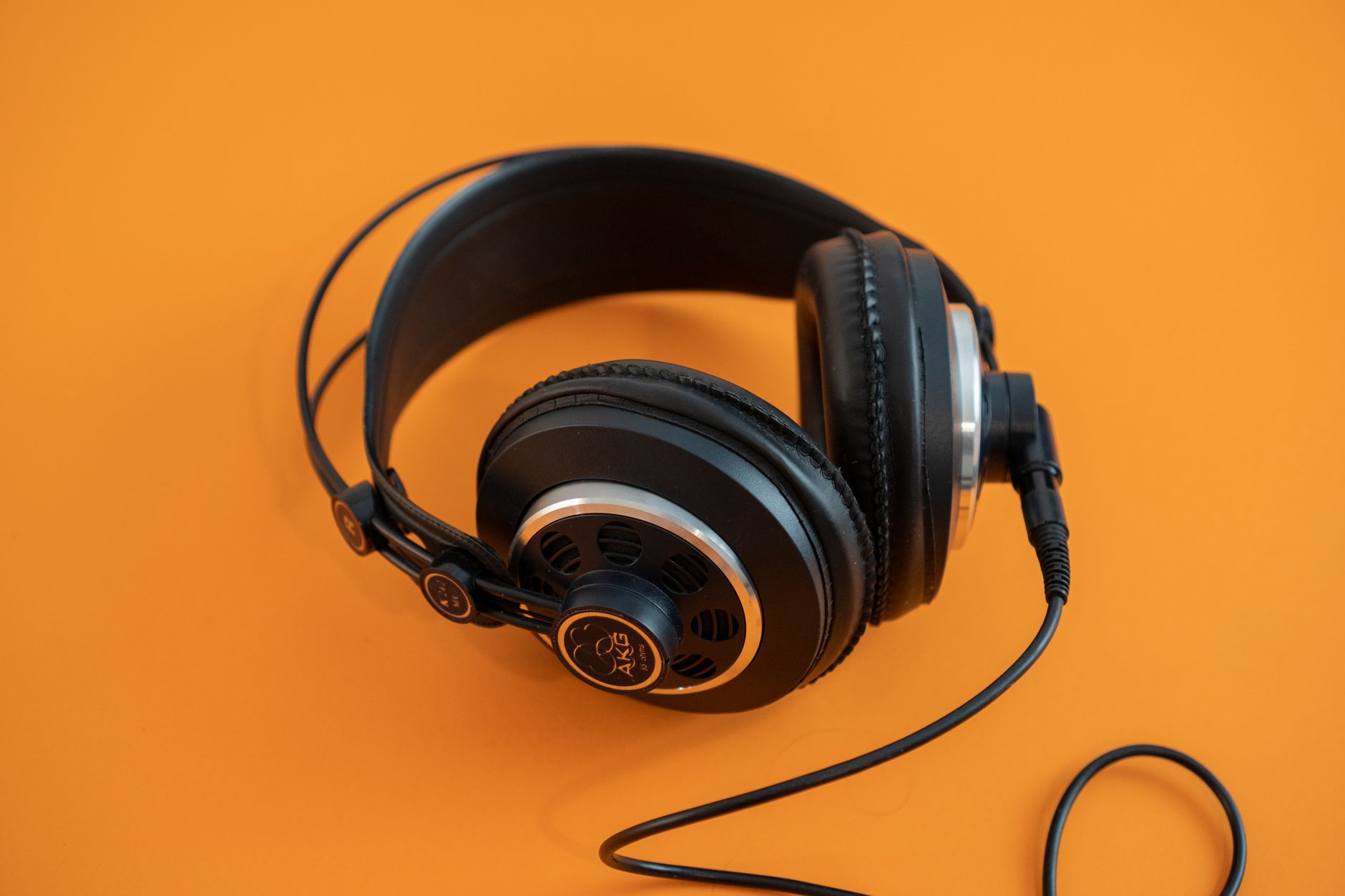 Photo by Paul Seling / Pexels
The best headphones for music depend entirely on what you listen to and where. Noise-canceling over-ears for commuters, open-back audiophile cans for home listening, and everything in between — the right headphone is a deeply personal match of sound signature, comfort, and use case.
How we picked these. Products span $50 to $1,500 to cover every serious listener's budget. We prioritized honest frequency response over marketing claims.
Open-Back vs Closed-Back: The Most Important Choice
Open-back headphones (Grado SR80x, Focal Clear MG) have perforated ear cups that allow air and sound to pass through. This creates a wide, natural soundstage — music sounds like it exists in a room rather than inside your head. The tradeoff: everyone around you can hear your music, and ambient noise leaks in. These are home-listening-only headphones. Closed-back headphones (Bose QuietComfort, Sony WH-1000XM5, JBL E50BT) seal around your ears, providing passive isolation. Most people need closed-back for real-world use. If you only ever listen at home in a quiet room, open-back is a revelation. If you commute, travel, or work in an office, get closed-back.
Active Noise Cancellation: When It's Worth It
ANC uses microphones to generate inverse sound waves that cancel ambient noise. Bose and Sony lead in ANC effectiveness — both reduce low-frequency hums (airplane engines, office HVAC) by 20-30dB. ANC has two tradeoffs: it adds $100-200 to the cost, and some users notice a slight pressure feeling or audio coloration at maximum ANC strength. For commuters and frequent flyers, ANC pays for itself. For home listeners, passive isolation from closed-back cups is usually sufficient.
Wired vs Wireless for Music
Audiophiles debate this endlessly but the practical answer is: Bluetooth codecs have caught up for most listeners. aptX HD and LDAC (used by Sony WH-1000XM5) transmit audio at up to 990kbps — exceeding CD quality. The theoretical maximum Bluetooth audio quality is indistinguishable from wired on consumer equipment. Where wired still wins: zero latency for video production work, battery-free reliability, and compatibility with amplifiers. Serious home listeners should have a wired option in their collection. Commuters should go wireless.
Sound Signature: Neutral vs V-Shaped vs Warm
Headphone sound signatures describe how they emphasize different frequencies. Neutral/flat headphones (Shure SRH145, Focal Clear MG) reproduce audio as recorded — preferred by mixing engineers and critical listeners. V-shaped headphones boost bass and treble while recessing mids — creates exciting, energetic sound that's popular for pop and EDM but can fatigue over long sessions. Warm headphones (Grado SR80x, some Bose tuning) emphasize bass and lower mids — smooth, rich sound that works well for jazz, classical, and acoustic music. Choose your signature based on what you actually listen to, not what reviewers prefer.


Impedance and Amplification
Impedance (measured in ohms) determines how much power headphones need. Low impedance (16-32Ω) — Sony WH-1000XM5, Bose QC — drives fine from smartphones. High impedance (150-600Ω) — Beyerdynamic DT 880, some Shure models — needs a dedicated headphone amplifier to reach proper volume and control. The Focal Clear MG (55Ω) is amplifier-friendly but benefits from a quality DAC/amp stack. If you're using headphones directly from a phone or laptop, stick to models under 80Ω.
Comfort for Long Listening Sessions
Weight, clamping force, ear cup depth, and headband padding all determine whether you can wear headphones for 3+ hours. Memory foam ear pads conform to your head shape over time. Protein leather (faux leather) is durable but can warm up ears in summer. Velour or fabric pads breathe better but provide less isolation. The Grado SR80x uses unusual on-ear foam pads that polarize listeners — some find them uncomfortable after 30 minutes, others love the lightweight feel. Try before buying when possible, especially in the $300+ range.
Watch Before You Buy


“Industry-leading ANC, warm balanced sound, 24-hour battery, foldable for travel.”
See Today’s Price →What we like
- World-class active noise cancellation blocks ambient sound better than most competitors at any price
- Bose QuietComfort legacy makes this the go-to recommendation for frequent flyers and commuters
- Wireless Bluetooth with 24-hour battery life suits full travel days without recharging
Watch out for
- $359 price is steep for listeners who will use them primarily at home on a desk
- ANC-tuned sound signature prioritizes smoothness over the detail retrieval audiophiles want
Read Full Analysis
The Bose QuietComfort headphones earn the top spot on this list less for raw audio fidelity than for the thing most headphones-for-music roundups undersell: the ability to actually hear your music in a noisy world. Bose's active noise cancellation is among the most effective at any price, swallowing jet-engine drone, HVAC hum, and open-office chatter that would otherwise force you to crank the volume — and quieter listening at safe volumes is its own kind of fidelity. A 24-hour battery covers a coast-to-coast round trip without a charger, and the band folds flat for travel.
Compared with the open-back options further down this page — the $1,349 Focal Clear MG or the $418 Grado SR80x — the Bose trades the last sliver of detail retrieval and soundstage width for ANC, Bluetooth, and a sound signature tuned to be smooth and easy over long sessions rather than analytical. Against the sub-$40 wired picks like the Shure SRH145, it's a different category entirely: you're paying for silence, wireless freedom, and all-day comfort, not just a driver.
Buy the Bose QuietComfort if you listen on planes, trains, or in a shared workspace and want one pair that disappears the world around you. Skip it if you do critical, seated listening at a desk in a quiet room — at that point the open-back Focal Clear MG or Grado SR80x on this page give you more music for the money, and a wired pair like the Shure SRH145 costs a tenth as much.
Skip this if: Skip if you want open soundstage — ANC headphones are closed-back by design.
“LDAC high-res Bluetooth, multipoint connection, 30-hour battery, best-in-class ANC.”
See Today’s Price →What we like
- Sony WH-1000XM5 leads industry benchmarks for ANC depth and sound quality combined
- Multipoint Bluetooth connects to two devices simultaneously — switch between phone and laptop instantly
- Speak-to-Chat automatically pauses playback when you start talking — no button hunting
Watch out for
- Non-folding design is bulkier to pack than the previous XM4 generation
- At-ear pressure during extended sessions can cause discomfort for users with larger ears
Read Full Analysis
The Sony WH-1000XM5 earns "Best for Audiophiles on the Go" through the highest-rated combined ANC depth and audio quality in a portable over-ear package. Sony's LDAC codec delivers up to 990kbps Bluetooth audio — Hi-Res wireless quality when paired with a compatible source — and the 30-hour battery handles long-haul travel itineraries without anxiety. Multipoint Bluetooth connects two devices simultaneously so laptop-to-phone switching happens without disconnecting and re-pairing, and Speak-to-Chat pauses playback automatically when conversation starts. Against the Bose QuietComfort ($359, rank 1), the XM5 competes at a comparable price tier with LDAC high-res codec as the differentiator — Bose earns its reputation for best-in-class wearing comfort while Sony's XM5 leads on audio codec quality and ANC measurement scores. Against the Focal Clear MG ($1349, rank 4), the XM5 costs a fraction of the price at the trade of Focal's open-back planar transparency — for travel and commuting, the XM5's closed-back isolation is the correct choice where the Focal's open-back design cannot be used publicly. Against the Grado SR80x ($418, rank 5), the XM5 adds Bluetooth, ANC, and 30-hour battery versus Grado's pure wired open-back listening philosophy. Right for frequent travelers, commuters, and audiophiles who want Hi-Res wireless audio with industry-leading ANC in a single portable package. Skip it for stationary home listening — the Focal Clear MG and Grado SR80x deliver superior open-back acoustic transparency for environments where isolation is not the goal.
Skip this if: Skip if you dislike app-heavy headphones — the Sony Headphones Connect app controls most features.

“Flat neutral frequency response, foldable design, 24-ohm impedance works without an amp.”
See Today’s Price →What we like
- $39 makes Shure studio heritage accessible for budget-conscious music listeners
- Closed-back design isolates sound on the go without active noise cancellation drain
- Shure SRH145 is wired — zero latency and zero battery anxiety for daily commutes
Watch out for
- No Bluetooth — wired-only use limits mobility and requires a headphone jack or adapter
- Entry Shure model lacks the driver quality found in the brand premium SRH series
Read Full Analysis
The Shure SRH145 earns "Best for Studio Monitoring" as the only wired neutral-response option on this page — a flat frequency reproduction that makes headphones useful for mixing and monitoring rather than consumer-pleasurable listening. At 24-ohm impedance the SRH145 drives cleanly off phones and laptops without a dedicated headphone amplifier, and Shure's closed-back design provides passive isolation for tracking environments where open-back headphones would bleed into microphones. Against the Bose QuietComfort ($359, rank 1) and Sony WH-1000XM5 (rank 2), the SRH145 costs a fraction of the price with zero wireless or ANC — it is a fundamentally different tool for a different purpose. Monitor headphones optimize for accuracy; wireless consumer headphones optimize for enjoyable portable listening. Against the Focal Clear MG ($1349, rank 4) and Grado SR80x ($418, rank 5), the SRH145 costs dramatically less with commensurately less driver resolution and acoustic refinement — it is the accessible entry point into Shure monitoring heritage before investing in the premium open-back tier. Right for bedroom producers, podcasters, and audio students who need an affordable wired monitor headphone for accurate playback reproduction without the wireless or comfort premium of consumer options. Skip it for commuting or travel listening — the Sony WH-1000XM5 (rank 2) and Bose QuietComfort ($359, rank 1) deliver far more enjoyable portable audio experiences with ANC and wireless freedom.
Skip this if: Skip if you want bass-boosted fun sound — these are tuned flat for accuracy, not excitement.
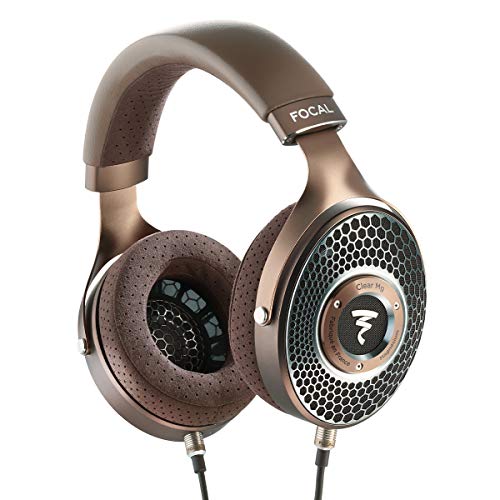
“Full aluminum and magnesium driver housing, exceptionally wide soundstage, audiophile reference-class.”
See Today’s Price →What we like
- Focal Clear MG magnesium driver delivers reference-grade transparency used by mastering engineers
- $1349 open-back design reveals mix details inaudible on closed-back or wireless headphones
- French-made Focal construction with leather and microfiber earpads built for long listening sessions
Watch out for
- $1349 requires a dedicated headphone amplifier to reach full potential — adds total cost
- Open-back design leaks sound both ways — unusable on public transit or in shared offices
Read Full Analysis
The Focal Clear MG sits at the top of this page's price ladder and it's here for one reason: it's an open-back reference headphone whose magnesium-dome drivers resolve detail that closed-back and wireless models on this list simply can't show you. Mastering engineers reach for Focal's Clear line because the midrange is uncolored and the soundstage spreads wide and precise — when “best headphones for music” means hearing the recording rather than a flattering version of it, this is the pick. French-built, with leather-and-microfiber earpads and an aluminum yoke that adapts to your head, it's made for hours of seated listening.
What the extra money over the $418 Grado SR80x — the other serious open-back on this page — actually buys you is a quieter background, deeper and better-controlled bass, and build materials in a different league; the Grado gets you most of the way there for a third of the price. Against the $359 Bose QuietComfort, it's not a fair fight in either direction: the Focal has no noise cancellation, no Bluetooth, leaks sound in both directions, and ideally wants a dedicated headphone amp, which adds to the real cost.
Choose the Focal Clear MG if you have a quiet listening room, a decent amp or DAC, and you care about fidelity more than convenience. Skip it if you'll use these on a commute, in an office, or straight out of a laptop jack — the open design makes the first two impossible, and the Bose QuietComfort or the budget Shure SRH145 on this page make far more sense for portable, casual listening.
Skip this if: Skip if you listen anywhere outside a quiet home — open-back design leaks audio in both directions.
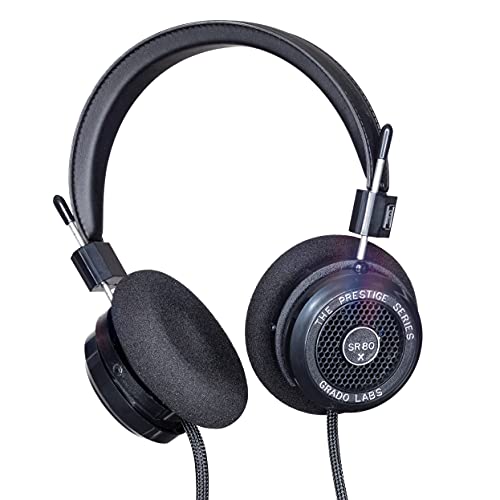
“Dynamic driver with open-back design, wide soundstage, no-frills build, no batteries needed.”
See Today’s Price →What we like
- Grado open-back house sound is warmly detailed — beloved by jazz, acoustic, and vocal music listeners
- SR80x punches well above its $418 price against competing open-backs from larger brands
- Brooklyn-made Grado drivers carry decades of audiophile credibility in the under-$500 tier
Watch out for
- On-ear rather than over-ear fit causes pressure discomfort during sessions over 2 hours
- Open-back design is unsuitable for use outside or in offices with background noise
Read Full Analysis
The Grado SR80x earns rank 5 on this music headphones page as the only true open-back audiophile design in the comparison — a product type that the ANC-equipped closed-back headphones at higher ranks do not serve. Open-back construction creates a naturally wide soundstage that closed-back headphones cannot fully replicate regardless of price, making the SR80x the pick for listeners who prioritize spatial accuracy in jazz, acoustic, and vocal music. Brooklyn-made Grado drivers carry decades of audiophile credibility and deliver the warmly detailed house sound the brand has built its reputation on. The Grado SR80x sits between the rank-1 Bose QuietComfort and the rank-3 Focal Clear MG in price. Unlike the Bose and other ANC headphones in this comparison, the SR80x requires no batteries, no Bluetooth pairing, and no digital signal processing — a purely passive wired listening experience that Grado proponents argue is audibly cleaner. The SR80x punches well above its tier against competing open-backs from larger audio brands, delivering imaging and detail that rivals headphones at significantly higher prices for its target genres. The Grado SR80x is right for home listeners who want an open-back audiophile experience without flagship pricing and who listen primarily to jazz, acoustic, classical, or vocal music where the Grado house sound shines. Skip it for any use outside a private home listening space — open-back design leaks sound to anyone nearby and provides zero noise isolation from the environment, making it unsuitable for commuting, shared offices, or air travel. The on-ear cup design also causes pressure discomfort during extended sessions beyond two hours, which limits its use for marathon listening compared to circumaural alternatives.
Skip this if: Skip if you need noise isolation — these leak audio completely and are for home listening only.
Frequently Asked Questions
Are open-back headphones better for music?
Do I need a headphone amplifier for better sound?
Is Bluetooth audio quality good enough for serious music listening?
What is the difference between noise-canceling and noise-isolating headphones?
How long should headphones last?
Are Bose or Sony headphones better for music?
How We Chose These Products
We compare each product’s Amazon listing, the manufacturer’s published specifications and Amazon customer ratings, shown with their review counts as Amazon’s data, and rank the products on how well they answer this page’s question. We do not test products in hand and we do not run our own analysis of review text. A publication or expert is named only where we cite its published findings about that product. No manufacturer paid for placement on this page.
A price appears only when Amazon’s API supplied it within the last 24 hours, with the date and time beside it; otherwise use “Check price on Amazon” for the live price. Read our full methodology →
How We Score These Products
Each dimension score comes from evidence about the exact model listed — a published specification, a measurement by a named independent reviewer, or that product’s own buyer reviews, as described for each dimension below — not from a similar product in the same range. We do not test products ourselves, and we do not score a dimension we could not evidence. A dash means no evidence was found for that product, not that it performed badly.
Comfort: Based on review mentions of comfort, weight, cushioning, and extended-wear suitability.
Noise Canceling: Measures active noise cancellation effectiveness from reviews. Open-back headphones score 0 (no ANC by design).
Sound: Extracted from buyer reviews mentioning sound, audio, bass, treble, and clarity.
The overall score is the mean of the dimensions we could evidence for that product, on a 10-point scale. Price is shown separately and is never folded into a score. Amazon star ratings are shown separately and are never part of any score.