Best Portable Power Station Under $300 2026

The ALLPOWERS VOLIX P300 is the best portable power station under $300 — lightweight 299Wh capacity, USB-C charging, and solar-compatible for off-grid use at $129.99. The S300 Plus bundle adds a solar panel for complete off-grid kit value.
See Today’s Price →At a Glance
Showing 2 of 2 products
ALLPOWERS VOLIX P300
“If your only backup need is phone charging, CPAP, and LED lights — and you don't need to run a fridge — the P300 saves $270 vs. the R1500 LITE. Know your load requirements before buying.”
See Today’s Price →What we like
- $129.99 — $270 less than the R1500 LITE
- Right choice if you only need device charging and CPAP
- 6.8 lbs — actually portable, unlike the 30 lb R1500 LITE
Watch out for
- 300W output limit excludes mini fridges, power tools, and most home appliances
- 288Wh capacity provides only a few hours of backup for most home loads
Read Full Analysis
The VOLIX P300 is the entry point to portable power stations — 300W output and 288Wh capacity for $129.99. At 6.8 lbs, it's genuinely portable: put it in a day pack, carry it to a campsite, or keep it in a car trunk for roadside emergencies. The 288Wh capacity isn't large by power station standards, but it's exactly right for the common use cases at this price: keeping devices charged and running a CPAP overnight.
ALLPOWERS S300 Plus Solar Generator
“The S300 Plus is the best under-$300 power station for anyone who needs solar charging. The bundle value is the key advantage — a comparable kit assembled from separate components costs more.”
See Today’s Price →What we like
- $209.99 for power station plus solar panel — bundle value beats separate purchase
- Off-grid solar charging capability for camping and emergency use
- 300W output handles all standard portable power loads
- Solar independence eliminates reliance on wall outlet recharging
Watch out for
- 300W output ceiling — cannot run mini fridges or power tools
- Solar charging requires adequate sun exposure
Read Full Analysis
The S300 Plus is the inflection point in the under-$300 market where a power station gains genuine off-grid capability through bundled solar charging. For the price of a standalone 300W station from premium brands, ALLPOWERS includes the solar panel — making it the best bundle value in this price range. For camping, emergency preparedness, or van life use where charging from the grid isn't always available, the solar capability changes the use case entirely.
Portable Power Station Under $300 Buying Guide
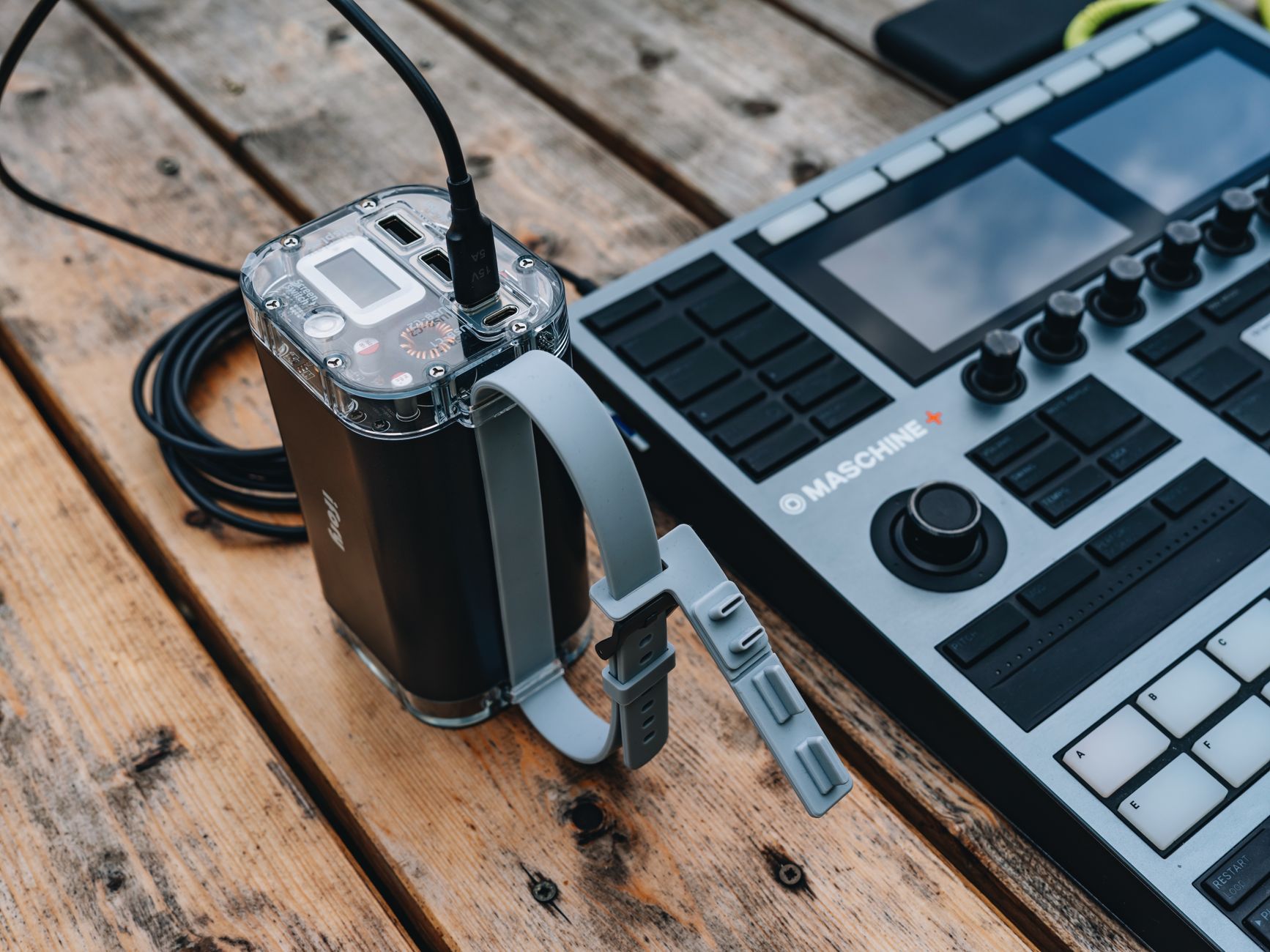 Photo by Egor Komarov / Pexels
Under-$300 portable power stations cover the 300Wh-500Wh capacity range -- enough for phone and laptop charging, overnight CPAP operation, LED lights, and camera equipment. They are not substitute home-backup systems, but for camping, tailgating, job sites, and light emergency use, they deliver real utility at a fraction of the cost of larger units.
What a 300Wh Power Station Can Actually Power
A 300Wh unit realistically handles: charging a laptop 3-4 times, a smartphone 20+ times, running a CPAP machine (without heat) for one night (60-70Wh typical draw), or powering LED string lights for 15+ hours. What it cannot do: run a mini-fridge reliably (draws 100-150W continuously, too close to the output limit), power tools like drills or circular saws (500W-1500W surge requirement), or run a microwave or electric kettle (800W+).
Solar Bundle vs. Power Station Only
At the under-$300 price, you can often choose between a bare power station ($130-$200) or a bundle that includes a matching solar panel ($200-$280). The bundle is almost always better value if you plan any outdoor use -- buying a compatible solar panel separately typically costs $80-$150 more than the bundle price. Check that the solar panel's wattage rating matches or is under the station's max solar input spec (usually 60-100W for this class).
Key Specs to Compare
Capacity (Wh) determines total energy stored -- more is better but adds weight. Output wattage determines what you can plug in simultaneously -- 300W continuous handles laptops and lights together but not power tools. AC recharge time from a wall outlet typically runs 4-6 hours for 300Wh stations. Solar input rating tells you the maximum panel wattage the unit accepts; pairing a 100W panel to a port rated for 60W wastes solar capacity.
Battery Chemistry: LFP vs. NMC
Lithium Iron Phosphate (LFP) batteries offer 2000-3000 charge cycles before capacity degrades significantly, while older Lithium Nickel Manganese Cobalt (NMC) chemistry typically delivers 500-800 cycles. LFP is also safer and more thermally stable. At the under-$300 price point, not all stations disclose battery chemistry -- look for "LiFePO4" or "LFP" in the specs. Units with LFP chemistry cost slightly more but last 4-5x longer with regular use.
Weight and Portability
Under-$300 stations typically weigh 6-10 lbs -- light enough to carry in one hand to a campsite or trunk. For backpacking, this class is still too heavy; look at 40-60Wh pocket banks instead. For car camping, overlanding, and job sites, the weight is a non-issue and the capacity payoff is worth it. Handles are standard on most models at this price tier; confirm handle placement before buying if you will be carrying it long distances.
Related Guides
Frequently Asked Questions
What is the best portable power station under $200?
Can a $200 power station run a CPAP machine?
Is ALLPOWERS as good as Jackery for a portable power station under $300?
How long does a 300Wh power station last?
Does the ALLPOWERS S300 Plus include a solar panel?
How We Analyze Products
We analyze Amazon review data — often thousands of reviews per product — to surface patterns that individual buyers miss. Our process aggregates star ratings, review counts, and buyer sentiment at scale, identifying which strengths and weaknesses appear consistently across the largest review samples available. The 2,180+ reviews analyzed on this page represent real verified-purchase feedback from Amazon buyers.
Each product earned its placement through data: total review volume, average rating, and the specific praise and complaints that repeat most often across buyers. No manufacturer paid for placement on this page. Products appear here because buyers endorsed them at scale, not because a company asked us to feature them.
We use AI to summarize review sentiment — not to fabricate opinions, but to condense what thousands of buyers actually wrote into a readable format. The pros and cons you see reflect the most common themes found in verified purchaser reviews, paraphrased for clarity. We do not claim to have accessed Reddit, YouTube, or specific publications in generating these summaries.
Prices shown reflect Amazon pricing at the time this page was last generated. Click “See Today’s Price” to get the current live price on Amazon. Read our full methodology →