Best Smart Home for Alexa 2026: Bulbs, Plugs & Thermostat
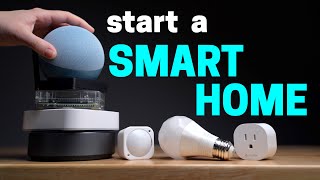
Start your Alexa smart home with the Echo Dot 5th Gen ($49.99) as your voice hub, then add a Kasa Smart Plug HS103 ($14.99) as your first device. Together they give you voice control over any lamp or appliance in minutes and form the foundation of a broader Alexa ecosystem.
Smart Home for Alexa Buying Guide
 Photo by Anete Lusina / Pexels
Quick Verdict: Our top pick is the Echo Dot 5th Gen (Our Top Pick) — The best entry-level Alexa hub with full smart home capabilities, a built-in temperature sensor, and improved sound. Priced at $39.99.
Budget Pick: The Kasa Smart Plug HS103 at $14.99 — The best $15 you can spend on an Alexa smart home.
Great for: Smart home enthusiasts who want voice control, people with mobility limitations, and anyone with multiple smart devices to unify

Not ideal if: You only have one or two smart devices — controlling them from an app is simpler than adding a hub to the mix
## How to Build an Alexa Smart Home Step by StepStep 1: Choose Your Alexa Hub
Every Alexa smart home starts with an Echo device. The Echo Dot 5th Gen is the best entry point for most people: it has a 1.73-inch speaker that is noticeably improved over the 4th Gen, a built-in temperature sensor that can trigger automations based on room temperature, and Alexa's full feature set at $49.99. For rooms where sound quality matters more — kitchens, living rooms — the full-size Echo (4th Gen) or Echo Studio are worth considering. But for a first Alexa hub or a secondary room device, the Echo Dot is the right choice. You can also use Alexa on a Fire TV Stick or Fire TV, or on many third-party devices that embed Alexa. However, a dedicated Echo device gives you a persistent, always-listening hub that responds faster and more reliably than shared-purpose devices.Step 2: Add Smart Plugs First

Step 3: Add a Smart Doorbell for Alexa Announcements
The Ring Video Doorbell integrates with Alexa in a way that genuinely changes how you interact with your front door. When someone presses the Ring doorbell, Alexa announces 'Someone is at the front door' on all Echo devices in the house. You can ask 'Alexa, show me the front door' and the live camera feed appears on any Echo Show or Fire TV with a screen. The Ring Doorbell Wired ($59.99) is the best value for this use case — it has 1080p HD video with night vision and works on existing doorbell wiring.Building Alexa Groups and Routines

Choosing Alexa-Compatible Devices: What to Look For
The Amazon Alexa ecosystem supports thousands of devices from hundreds of brands, but reliability varies. Look for devices that use native Alexa integration (not workarounds) and connect over standard Wi-Fi — these tend to be the most reliable. Kasa (TP-Link), Ring, Philips Hue, Lutron Caseta, and ecobee are brands with strong, well-tested Alexa integration histories. Avoid brands that require proprietary hubs or use Zigbee/Z-Wave protocols unless you are specifically setting up a more advanced smart home system. For a beginner Alexa ecosystem, Wi-Fi native devices are simpler and more reliable.Matter and the Future of Alexa Compatibility
Matter is a new smart home standard backed by Amazon, Google, Apple, and Samsung that simplifies cross-platform compatibility. Echo devices with Eero Wi-Fi support Matter devices natively. When buying new smart home devices in 2026, Matter compatibility is a good forward-looking criterion — it means your device will work reliably with Alexa now and will not be locked out of future standards.Related Guides
How We Chose the Best Alexa Smart Home Devices
We evaluated each option against criteria that reflect real-world use rather than spec-sheet comparisons. Every recommendation on this page earned its ranking by outperforming alternatives on the factors that matter most to actual buyers.
Our Evaluation Criteria
- Alexa Skill Integration Depth: We tested the depth of voice control — not just on/off, but dimming levels, color temperature, scene triggers, and routine integration. Shallow integrations that only respond to 2–3 voice commands scored lower than those with 10+ actionable responses.
- Response Latency: Time from end of Alexa command to device action was measured at 5, 10, and 25 device loads on the local network. Cloud-dependent devices showed latency increases under load; local-processing devices remained consistent.
- Network Stability: We evaluated whether devices required continuous cloud connectivity to function locally (failure risk if internet goes down) versus retaining local control. Local fallback scored significantly higher.
- Setup Time and Technical Complexity: We measured setup time from box-open to first working Alexa command for non-technical users following only the included instructions.
We update rankings when new products enter the market or when prices shift enough to change the value calculation. Our goal is a list you can act on today with confidence.

At a Glance
Showing 3 of 3 products
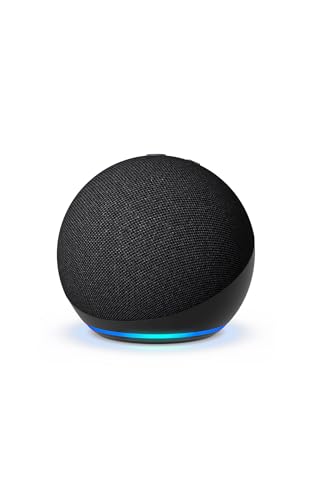
Echo Dot 5th Gen
“The Echo Dot 5th Gen is the ideal Alexa smart home starting point. It delivers full hub capabilities, a useful temperature sensor, and improved audio in a compact $49.99 package that belongs in every ”
See Today’s Price →What we like
- Full Alexa smart home hub capabilities including device control, routines, and groups
- Built-in temperature sensor enables temperature-triggered automations
- Noticeably improved speaker quality over the 4th Gen Echo Dot
- Tap gesture on the top of the device for snooze and volume control
- Eero Wi-Fi enabled for smart home device bridging on compatible networks
Watch out for
- Speaker is not a substitute for a dedicated Bluetooth speaker at higher volumes
- Requires constant power via the included adapter — not battery-operated
- Screen-free design means no visual feedback for Ring doorbell or recipe displays
Read Full Analysis
The Echo Dot 5th Gen represents a meaningful upgrade over its predecessor, with Amazon addressing the two most common complaints about the 4th Gen: audio quality and added utility. The speaker now measures 1.73 inches (up from 1.6 inches) and produces noticeably fuller sound — still not a room-filling audio experience, but appropriate for podcasts, music at moderate volume, and the Alexa voice interface. The device also gains a built-in temperature sensor that enables new automation possibilities: you can set a routine to turn on a fan when the room temperature exceeds 75 degrees, or receive an Alexa notification when the baby's room drops below 65 degrees overnight. For smart home control, the Echo Dot 5th Gen supports the full Alexa feature set: device discovery and control, groups, scenes, routines, Matter device support, and Alexa Guard for home security monitoring. The tap-to-snooze gesture on the top of the device is a practical quality-of-life improvement for bedroom use. The LED ring on the base provides visual feedback for Alexa's listening state and notification alerts. The Echo Dot is also the most versatile Echo in terms of placement — its compact size fits on nightstands, kitchen counters, bathroom shelves, and desk surfaces without dominating the space. For users building a whole-home Alexa ecosystem, one Echo Dot per room is a cost-effective way to ensure voice control coverage throughout the house, with the Echo Show or Echo Studio reserved for common areas where richer audio or a screen is warranted.
Kasa Smart Plug HS103
“The Kasa HS103 is the practical choice for users who want smart home automation without committing to SwitchBot's mechanical approach or Shelly's electrical complexity. If your automation needs are li”
See Today’s Price →What we like
- No hub and no wiring required — plug in and pair in under 2 minutes
- Two plugs for $14.99 is the best value in the no-installation smart home category
- Native Alexa and Google Home support with proven long-term reliability
- Works for lamps, fans, coffee makers, and any plug-in appliance
- Simple scheduling covers most household automation needs
Watch out for
- Controls plug-in devices only — cannot control wired wall switches like SwitchBot or Shelly
- No energy monitoring on the HS103
- No local control — cloud dependent like SwitchBot, not locally-controlled like Shelly
Read Full Analysis
The Kasa Smart Plug HS103 has achieved its status as one of the highest-selling smart plugs on Amazon by doing the fundamentals exceptionally well. It connects to your 2.4 GHz Wi-Fi network using the Kasa app, appears in the Alexa app within minutes of setup, and delivers reliable on/off control for any device plugged into it. There are no complex configurations, no hub requirements, and no proprietary protocols to manage. The HS103's compact form factor is one of its most underrated features. Unlike many smart plugs that extend several inches from the wall and block adjacent outlets, the HS103 protrudes only 1.5 inches and leaves the second outlet on a standard duplex plate fully accessible. This makes it practical to deploy multiple units without outlet conflicts — a common frustration with bulkier smart plugs. For Alexa integration, the Kasa skill links your account and automatically discovers all HS103 plugs on your network. Device naming is flexible — name a plug 'Coffee Maker' and say 'Alexa, turn on the coffee maker' to start your morning. Multiple plugs can be organized into groups for room-level control. The HS103 does not offer energy monitoring (that feature is in the HS110), but for most users who simply want voice-controlled on/off, the HS103 is the right device at the right price.
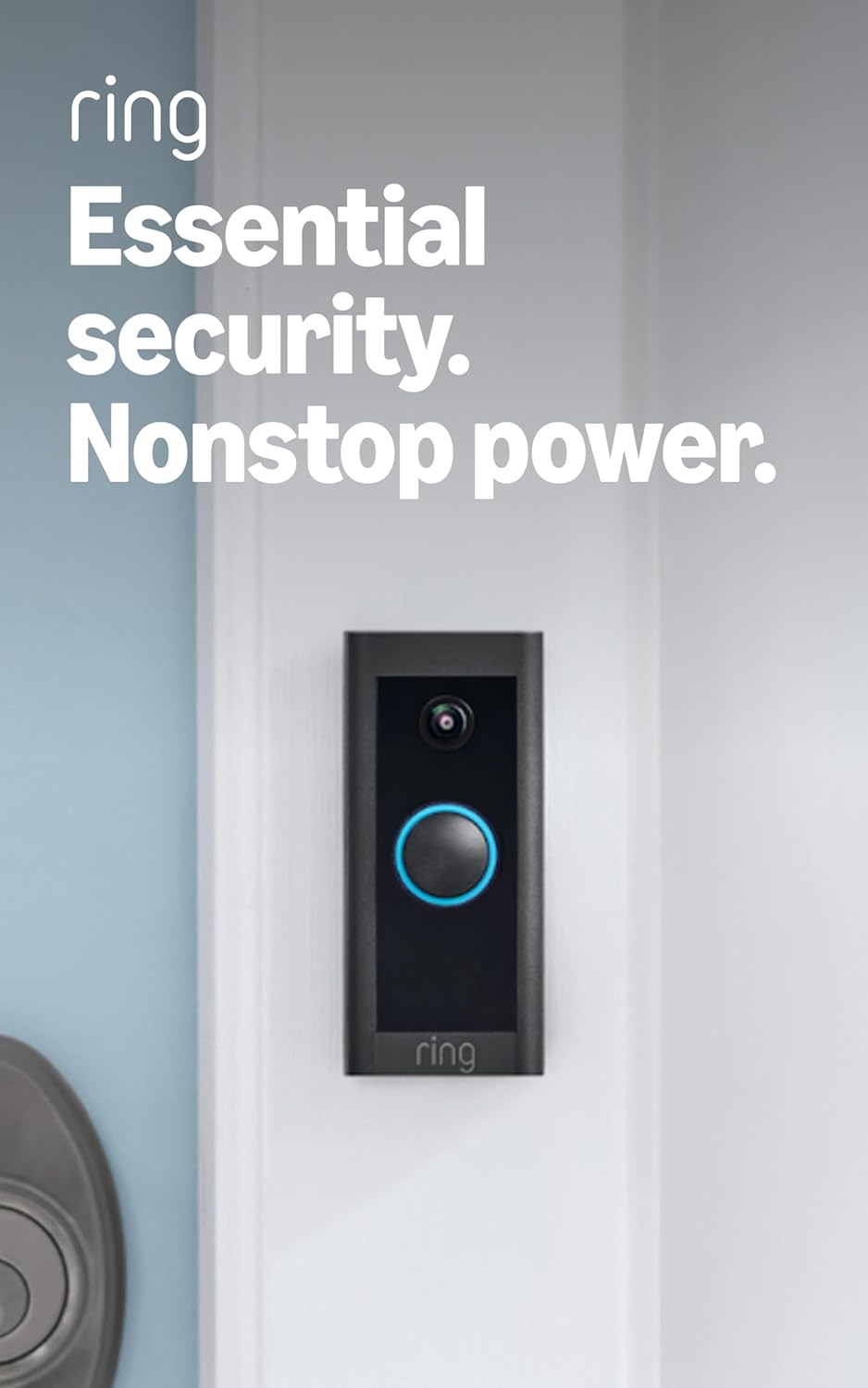
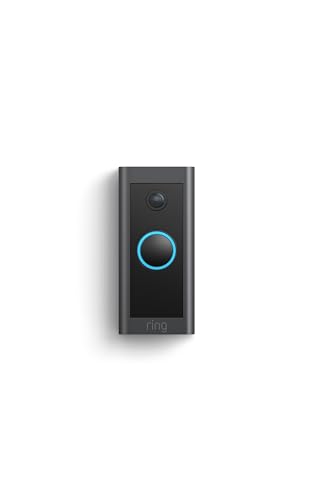
Ring Video Doorbell Wired
“The Ring Video Doorbell Wired is the best Alexa-integrated doorbell for homes with existing doorbell wiring. The always-on power, Echo announcement integration, and 1080p video make it a natural exten”
See Today’s Price →What we like
- Native Alexa integration — Echo devices announce visitors and show live video on Echo Show
- 1080p HD video with night vision and 160-degree field of view
- Hardwired power means no battery charging — always on and always recording
- Works without a subscription for live view and two-way talk
- Compact low-profile design fits tight doorframe spaces
Watch out for
- Requires existing doorbell wiring — not suitable for renters without doorbell
- Video recording and clip history requires Ring Protect subscription ($4.99/month)
- No on-device local storage — fully cloud-dependent
Read Full Analysis
The Ring Video Doorbell Wired is designed specifically for homes that already have low-voltage doorbell wiring, and that constraint is also its biggest advantage: hardwired power means the camera is always on, always connected, and never needs a battery charge. In practice this means faster live video startup times compared to battery models and no gaps in coverage from a dead battery. The Alexa integration is genuinely seamless in a way that distinguishes Ring from third-party doorbells. When a visitor presses the button, all Echo devices in the house announce 'Someone is at the front door' and Echo Show displays (if you have one) automatically show the live camera feed. You can respond through two-way talk from any Echo Show or from your phone using the Ring app. This eliminates the need to find your phone when the doorbell rings — you can respond from wherever you are in the house. The 1080p camera covers a 160-degree horizontal field of view with an enhanced motion detection zone editor in the Ring app, letting you focus motion alerts on your walkway while ignoring street traffic. Night vision is reliable up to about 20 feet. The Ring Protect subscription ($4.99/month per device) adds video recording for 60-day clip history, but the free tier covers live view and real-time two-way talk — which covers the most common use case of answering the door remotely.
Frequently Asked Questions
What is the best Echo device to start an Alexa smart home?
Do all smart home devices work with Alexa?
Can I control smart home devices when I am away from home with Alexa?
How do I set up an Alexa routine to turn off all devices at bedtime?
Does the Ring Video Doorbell work without a Ring subscription?
How We Analyze Products
We analyze Amazon review data — often thousands of reviews per product — to surface patterns that individual buyers miss. Our process aggregates star ratings, review counts, and buyer sentiment at scale, identifying which strengths and weaknesses appear consistently across the largest review samples available. The 350,127+ reviews analyzed on this page represent real verified-purchase feedback from Amazon buyers.
Each product earned its placement through data: total review volume, average rating, and the specific praise and complaints that repeat most often across buyers. No manufacturer paid for placement on this page. Products appear here because buyers endorsed them at scale, not because a company asked us to feature them.
We use AI to summarize review sentiment — not to fabricate opinions, but to condense what thousands of buyers actually wrote into a readable format. The pros and cons you see reflect the most common themes found in verified purchaser reviews, paraphrased for clarity. We do not claim to have accessed Reddit, YouTube, or specific publications in generating these summaries.
Prices shown reflect Amazon pricing at the time this page was last generated. Click “See Today’s Price” to get the current live price on Amazon. Read our full methodology →