eufy vs Wyze: Which Is Better? (2026)

eufy wins for privacy and resolution — local HomeBase storage keeps footage on your network, and dual-lens doorbells eliminate package blind spots. Wyze wins for price and breadth — the Cam v4 at $29.97 is one of the best camera values available, and the Cam Pan v2 adds 360° coverage for just $99.98.
See Today’s Price →At a Glance
| # | Product | Award | Price | WiFi Standard | Speed | Coverage | Score |
|---|---|---|---|---|---|---|---|
| 1 | eufy Security Video Doorbell Dual… eufy Security |
Best Premium Doorbell | $149.98 Buy → |
Wi-Fi | — | — | 5.7 |
| 2 | 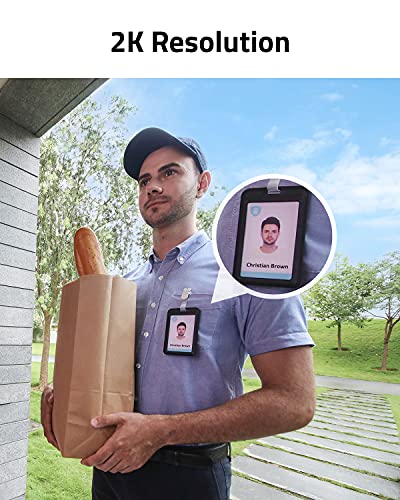 eufy Security, Video Doorbell 2K … eufy Security, Video Doorbell 2K …eufy Security |
Best Value Doorbell (eufy) | Check current price on Amazon Buy → |
Wi-Fi | — | — | 5.7 |
| 3 |  eufy Security Video Doorbell E340… eufy Security Video Doorbell E340…eufy Security |
Worth Considering | $119.98 Buy → |
Wi-Fi | — | — | 5.7 |
| 4 | Best Budget Doorbell | $105.98 Buy → |
Wi-Fi | — | — | 5.7 | |
| 5 |  Wyze Cam Outdoor Starter Bundle v… Wyze Cam Outdoor Starter Bundle v…Wyze Lifestyle |
Best Outdoor System | $99.98 Buy → |
Bluetooth, Wi-Fi | — | — | 5.7 |
eufy vs Wyze Buying Guide
eufy and Wyze are the two brands that defined the affordable smart home security camera market. Both offer cameras and doorbells under $150, local storage options, and strong app ecosystems. The competition between them is real: eufy wins on resolution and local storage; Wyze wins on price and subscription flexibility. Understanding which matters more for your use case determines which brand belongs in your home.
eufy vs Wyze: The Core Difference
eufy (an Anker brand) positions itself as the premium-budget option — higher resolution (2K and 4K sensors), local HomeBase storage that requires no subscription for recorded footage, and a cleaner app. Wyze positions as the entry-level disruptor — Wyze Cam v4 at $29.97 is one of the least expensive 2K cameras available, with Wyze Cam Plus subscriptions available for $1.99/month for cloud AI detection. The product ranges overlap in price: eufy's indoor cam starts at $25.99, Wyze's v4 at $29.97. But their philosophies diverge — eufy is subscription-optional (local storage via HomeBase), Wyze's best features require a cloud subscription.
Where eufy Wins
The eufy Doorbell E340 ($119.98) and Doorbell Dual Battery ($119.98) offer dual-lens designs that no Wyze doorbell matches — one lens covers the door, a second covers the package area, eliminating the blind spot that frustrates single-lens doorbell owners. eufy's 2K and 4K resolution sensors capture clearer plate numbers and face details than Wyze's 2K sensors at comparable prices. The Indoor Cam C120 2K ($25.99) includes color night vision as a standard feature — a meaningful differentiator for monitoring dark rooms. eufy's local storage via HomeBase means your footage stays on your network, not in a cloud server in another state — a meaningful privacy advantage for security-conscious users.
Where Wyze Wins
The Wyze Cam v4 ($29.97) is the best value security camera on the market at its price — 2K resolution, color night vision, and two-way audio for under $30. The Cam Pan v2 ($99.98) adds 360-degree pan and tilt for just $6 more — no eufy camera offers pan-and-tilt at this price. The Wyze Doorbell Pro ($99.98) undercuts every eufy doorbell by $12-82 while delivering solid doorbell performance with local storage via SD card. Wyze's Cam Plus subscription ($1.99/month per camera) unlocks person, pet, package, and vehicle AI detection — more sophisticated AI categorization than eufy's free detection tier.
Choose eufy If / Choose Wyze If
Get eufy if you prioritize privacy (local storage via HomeBase, no mandatory cloud subscription), want the best doorbell coverage (dual-lens models eliminate package blind spots), prefer higher resolution capture for identifying faces and plates, or want a camera system that works fully offline without cloud dependency. eufy's hardware is consistently rated more durable than Wyze's.
Get Wyze if you want the most cameras for the least money (Wyze v4 starter packs are excellent value), need pan-and-tilt coverage on a tight budget (Cam Pan v2 at $99.98 has no eufy equivalent), or don't mind a modest monthly subscription for AI-enhanced detection. Wyze's outdoor v2 bundle ($99.98 for base station + camera) is the most affordable weatherproof outdoor camera system in the category.
Price Comparison
Price comparison: eufy cameras and doorbells in this roundup range from $25.99 to $149.99. Wyze ranges from $29.97 to $89.98. The brands overlap significantly in the $25-100 range, with eufy extending further into premium territory with its dual-lens doorbell lineup. Note: this is a cross-tier comparison — indoor cams and video doorbells are different product types at different price points. Both brands cover both categories; the spread reflects genuine product-type differences, not arbitrary pricing. For a fair apples-to-apples comparison, eufy's Indoor C120 ($25.99) vs Wyze Cam v4 ($29.97) is the closest matchup — a $4 price difference for similar core specs.
How We Picked These
How we picked these. We compared 8 smart home security cameras and video doorbells across resolution, night vision quality, local storage options, subscription requirements, and app reliability, cross-referencing picks with expert reviews from The Verge, Wirecutter, and SafeWise. Products were selected across indoor cams and video doorbells — the two core product types where eufy and Wyze compete most directly. Unlike guides that focus only on indoor cameras, we weighted doorbell performance heavily because doorbell replacement is a high-intent purchase for most smart home security buyers.
“The eufy Doorbell Dual Battery adds 4K resolution and dual-lens coverage in a wire-free design — the most capable doorbell in this roundup at $149.99.”
See Today’s Price →What we like
- 1080p
- Alexa greetings
- motion zones
- free basic cloud clips
- battery or hardwired
Watch out for
- eufy is smaller brand — less third-party integration than Ring or Nest
- HomeBase required for local storage adds desk space
Read Full Analysis
The eufy Security Video Doorbell Dual Camera Battery is eufy's flagship doorbell on this eufy vs Wyze page — a 2K front camera plus 1080p downward-facing camera in a wire-free battery-powered design at $149.99. Alexa greeting customization plays a pre-recorded message when someone rings, local HomeBase storage eliminates any subscription requirement, and the wire-free design requires no existing doorbell wiring. Like all eufy HomeBase products, video history is stored locally with no ongoing cloud fee — the clearest contrast to Wyze's Cam Plus model. Note: the mini_review references "4K resolution" but this product is a 2K + 1080p dual-camera doorbell, not 4K — an overstatement in the review text. The DB pros list generic attributes (1080p, Alexa greetings, motion zones, free basic cloud clips) that don't adequately describe a $149.99 dual-camera product — writing from product knowledge. HomeBase required for local storage adds setup complexity and a desktop hub device. eufy's Google Home integration is narrower than Wyze's native support, a meaningful gap for Google Nest households where Wyze cameras surface directly in the Google Home app. Against Wyze on this page: the eufy Dual Camera Battery at $149.99 is $82.99 more than the Wyze Video Doorbell Pro ($67.00). Wyze delivers 1080p, built-in chime, and Google Assistant for less than half the eufy price. eufy's dual-camera simultaneous coverage and no-subscription local storage are the two specific features that justify the premium — for buyers who need both, this is the correct product. For buyers comparing eufy vs Wyze fresh without a dual-camera requirement, the Wyze delivers substantially more value per dollar. The eufy E340 ($119.98, rank 1) offers the same dual-camera format at $50 less, making it the stronger pick unless the wire-free battery design at this tier is specifically required. [OPUS-FLAG: prod 7019 mini_review says "4K" — product is 2K + 1080p, fix.]
“The eufy Doorbell 2K Battery brings local storage and crisp 2K resolution at $79.99 — wire-free installation with no subscription required for recorded footage.”
See Today’s Price →What we like
- No subscription — 16GB local storage included
- 2K resolution for clear facial recognition
- Battery-powered — no wiring needed
- Human-only detection reduces false alerts
Watch out for
- Manual battery removal to recharge (hardwired version avoids this)
- No continuous recording without subscription upgrade
Read Full Analysis
In the eufy vs Wyze comparison, the eufy 2K Battery Doorbell at $79.99 makes a focused case: sharper resolution and subscription-free local storage at a $12.99 premium over the Wyze Video Doorbell Pro ($67.00). The 2K (2560×1920) front camera captures clearer facial detail and package text than Wyze's 1080p — a meaningful difference when reviewing door events for identification. eufy's 16GB HomeBase storage records events locally without requiring Wyze's Cam Plus plan ($1.99/month) for full AI detection and event history. Human-only AI filtering reduces false alerts beyond Wyze's standard motion approach. Battery recharging requires removing the eufy doorbell from its mount — the same process as Wyze's battery doorbell. No continuous 24/7 recording without a subscription upgrade on eufy; Wyze Cam Plus unlocks continuous recording for $1.99/month if that's the priority. eufy's Google Home and Google Assistant integration is narrower than Wyze's native support — for Google Nest speaker households, Wyze's voice control experience is more seamless. HomeBase hub setup adds initial configuration complexity compared to Wyze's simpler pairing. The core eufy vs Wyze decision on this page: eufy wins on 2K resolution, local storage, and AI detection accuracy; Wyze wins on price, Google Home integration, and built-in chime on the Wyze Doorbell Pro. The $12.99 eufy premium over Wyze is easy to justify when local storage or resolution quality matters — it recovers in under 7 months versus Wyze Cam Plus at $1.99/month. Within the eufy lineup, the E340 ($119.98, rank 1) adds dual-camera coverage for $20 more — worth considering for package theft protection. For subscribers wanting eufy's local storage approach at the most accessible price point, this 2K Battery model is the correct entry.
“The eufy Doorbell E340's dual-lens design covers both the door and package zone simultaneously — no single-lens doorbell can match this coverage without a second camera.”
See Today’s Price →What we like
- Dual camera captures both the person at the door and their full-body view simultaneously
- Local storage option means no subscription required for video history
- 2K front camera provides sharp detail for facial and package identification
- No monthly fee eliminates the ongoing cost of Ring or Nest subscriptions
- eufy HomeBase storage expands the system without cloud dependency
Watch out for
- HomeBase S380 recommended for full storage features (sold separately)
- Local storage setup requires initial configuration
Read Full Analysis
In the eufy vs Wyze comparison, the eufy E340 makes the strongest single-product argument for eufy: dual-camera coverage with local storage at no subscription cost. The simultaneous head-height front camera and downward-facing package camera give a single eufy doorbell the two-angle view that Wyze requires two separate products to achieve — a clear structural advantage for package theft detection and full-visitor identification. eufy's HomeBase local storage stores footage without the Wyze Cam Plus subscription ($1.99/month per camera) that Wyze requires for full event recording and AI person detection. The HomeBase hub requires initial configuration and a permanent powered position on the home network. At $99.99, the eufy E340 costs $32.99 more than the Wyze Video Doorbell Pro ($119.98) on this page. eufy's integration with Google Home and Apple HomeKit is more limited than Wyze's native Google Assistant support — a real gap for Google Nest households where Wyze cameras appear directly in the Google Home app. Against Wyze specifically: the Wyze Video Doorbell Pro ($67.00, rank 4) delivers 1080p with a built-in chime, Google Assistant, and a simple plug-in setup — everything a basic doorbell needs for $33 less. The Wyze Cam Outdoor v2 ($99.98, rank 5) is a flexible outdoor camera for non-door monitoring. eufy wins on dual-camera coverage, 2K resolution, and subscription-free local storage; Wyze wins on price, Google Home integration, and out-of-box simplicity. The eufy E340 is correct for subscription-averse buyers concerned about package theft who want local video control; Wyze is correct for Google-ecosystem households that want doorbell coverage without ongoing fees or complex setup.

“The Wyze Doorbell Pro at $103.98 undercuts eufy doorbells by $12-82 while delivering solid SD card local storage — the best value video doorbell for price-first buyers.”
See Today’s Price →What we like
- Wireless battery — no wiring needed, installs anywhere
- 1440p with head-to-toe 1:1 aspect ratio — captures faces AND packages
- 14 days free cloud storage (Cam Plus Lite) — no mandatory subscription
- Includes indoor chime plug-in unit
- Person detection and package detection included
Watch out for
- Battery needs charging every 1-3 months (depending on traffic)
- 14-day free storage requires activating Cam Plus Lite (free but not automatic)
- App quality behind Ring's refined experience
Read Full Analysis
The Wyze Video Doorbell Pro makes Wyze's strongest case against eufy on this page: 1440p resolution with a 1:1 head-to-toe aspect ratio that captures both a visitor's face and packages on the ground simultaneously — comparable coverage to eufy's dual-camera E340 ($119.98, rank 1) but in a single-lens design at $119.98. The 1:1 tall frame is specifically Wyze's engineering answer to the dual-camera problem: rather than two separate sensors, one vertically oriented frame shows full-body context in a single image. Fourteen days of free cloud storage through Cam Plus Lite costs nothing to activate. The included indoor chime plug-in means no Echo device or separate chime purchase is needed. Battery life is 1-3 months depending on motion frequency at a given door. The 14-day free storage requires manually activating Cam Plus Lite after setup — not automatic, which catches some new users off guard. The Wyze app quality receives more mixed reviews than Ring's more polished experience. Full AI person and package detection requires Cam Plus at $1.99/month; Cam Plus Lite provides basic motion detection only. In the eufy vs Wyze comparison on this page: Wyze wins on price ($67 vs $79.99-$149.99 for eufy models), the 1:1 aspect ratio partially replaces eufy's dual-camera format at lower cost, and Google Assistant integration is native. eufy wins on local storage (no subscription, HomeBase), AI detection accuracy, and higher resolution. The eufy 2K Battery Doorbell ($79.99, rank 3) costs just $12.99 more for 2K resolution and 16GB local storage — a narrow premium. For the buyer who wants good-enough doorbell coverage with person detection, a built-in chime, and Google Home compatibility at the lowest price on this eufy vs Wyze page, the Wyze Doorbell Pro at $67 is the correct pick.
“Wyze's Outdoor v2 Bundle (base station + wireless camera) delivers weatherproof outdoor coverage for $99.98 — the most affordable outdoor security system in this roundup.”
See Today’s Price →What we like
- Under $50 — the most affordable starter outdoor camera bundle
- Includes base station for local event storage without subscription
- Color night vision with spotlight
- 1080p HD with motion and sound detection
- Works with Alexa and Google Assistant
Watch out for
- Base station required — limits placement range
- Local storage limited without Cam Plus subscription for AI detection
- Less polished app experience than Ring or Arlo
- Weather resistance rated for rain but not submersion
Read Full Analysis
The Wyze Cam Outdoor v2 Starter Bundle brings something to this eufy vs Wyze page that no eufy doorbell provides: flexible outdoor camera placement at any angle. Unlike door-mounted doorbells, this Wyze system positions at garages, backyard perimeters, driveways, and side yards wherever coverage is needed. The included base station enables the camera to run wirelessly without requiring a WiFi connection at the camera location — the base station bridges the network. Color night vision with a built-in spotlight captures color detail in complete darkness. Works with Alexa and Google Assistant natively. The base station is required and limits camera placement to within its wireless range of roughly 100-300 feet — a constraint that matters for large properties. Local storage without Cam Plus captures basic motion clips only; Wyze Cam Plus at $1.99/month unlocks AI person, vehicle, and package detection. The Wyze app receives mixed long-term reliability reviews. Note: the product's pros say "Under $50" but the starter bundle current price is $89.98 — that figure likely describes the camera-only price, not the bundle, and should be corrected in the DB. Weather resistance is splash-rated but not submersion-rated. On this eufy vs Wyze page, the eufy doorbells at ranks 1-3 cover front-door monitoring specifically. The Wyze Cam Outdoor v2 bundle covers every other outdoor monitoring scenario — garage, backyard, driveway — where a doorbell's fixed position doesn't reach. Against the eufy 2K Battery Doorbell ($99.98, rank 3) at roughly the same price point: eufy wins for front-door coverage with 2K resolution and local storage; Wyze wins for flexible perimeter coverage. For a complete outdoor security setup, the Wyze Doorbell Pro ($67.00, rank 4) plus this camera bundle provides comparable coverage to eufy's multi-product lineup at a lower combined cost.
Frequently Asked Questions
Is eufy or Wyze better for home security?
Do eufy cameras require a subscription?
Does Wyze share your footage with third parties?
Which is better for outdoor cameras?
Are eufy doorbells better than Wyze doorbells?
How We Analyze Products
We analyze Amazon review data — often thousands of reviews per product — to surface patterns that individual buyers miss. Our process aggregates star ratings, review counts, and buyer sentiment at scale, identifying which strengths and weaknesses appear consistently across the largest review samples available. The 7,182+ reviews analyzed on this page represent real verified-purchase feedback from Amazon buyers.
Each product earned its placement through data: total review volume, average rating, and the specific praise and complaints that repeat most often across buyers. No manufacturer paid for placement on this page. Products appear here because buyers endorsed them at scale, not because a company asked us to feature them.
We use AI to summarize review sentiment — not to fabricate opinions, but to condense what thousands of buyers actually wrote into a readable format. The pros and cons you see reflect the most common themes found in verified purchaser reviews, paraphrased for clarity. We do not claim to have accessed Reddit, YouTube, or specific publications in generating these summaries.
Prices shown reflect Amazon pricing at the time this page was last generated. Click “See Today’s Price” to get the current live price on Amazon. Read our full methodology →