How to Choose Headphones in 2026: Buyer's Guide
For commuting and travel, Sony WH-1000XM5 or Bose QC Ultra lead on ANC. For gym use, AirPods Pro or Sony WF-1000XM5. For studying on a budget, mid-range over-ear headphones under $100 outperform their price.
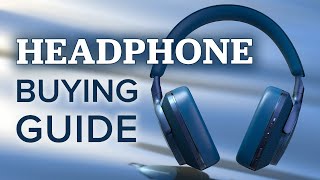
How to Choose Headphones Buying Guide
Headphones are intensely personal — the right pair for a commuter is wrong for a studio musician, and the right pair for a runner is wrong for someone who wears glasses all day. This guide cuts through spec sheets and marketing to explain what actually matters when choosing headphones for your specific use case in 2026.
Headphone Types: Over-Ear, On-Ear, and In-Ear
Over-ear headphones (circumaural) have ear cups that fully enclose the ear. They offer the best passive noise isolation, the most spacious soundstage, and the most comfortable fit for long listening sessions. The trade-off is bulk — they're the hardest to carry and create the most heat during exercise. Over-ear headphones dominate in the premium ANC category (Sony WH-1000XM5, Bose QuietComfort 45) and in studio monitoring applications.
On-ear headphones (supra-aural) rest on top of the ear rather than around it. They're more portable than over-ear but create more ear pressure during long sessions and provide less passive isolation. Many portable Bluetooth options (like the Marshall Monitor II) fall here. For multi-hour wear, over-ear is typically more comfortable.
In-ear headphones (earbuds and IEMs) fit inside the ear canal. True wireless earbuds (TWS) are now the dominant form factor for portable use — Sony WF-1000XM5, Apple AirPods Pro, and Samsung Galaxy Buds offer full ANC in a pocketable package. In-ear monitors (IEMs) with a cable offer audiophile-grade sound in a portable form. See our best noise-canceling headphones and best commuter headphones guides for specific recommendations.
Active Noise Cancellation: What It Does and Doesn't Do
ANC uses microphones to sample ambient sound and generate an inverse audio signal that cancels it out in real time. It works best on low-frequency constant sounds: airplane engine rumble, HVAC hum, train noise, highway wind. It is less effective on sharp transient sounds (voices in a quiet office, dogs barking), and no ANC headphone completely silences an environment.
ANC quality varies significantly between models. The Sony WH-1000XM5 and Bose QuietComfort Ultra are the benchmark ANC performers for travel and commuting. For office use, see our best office headphones guide. ANC always adds battery cost — expect 5–10 hours less playback with ANC on vs. off.
Transparency (pass-through) mode is the reverse: it amplifies ambient sound so you can hear your environment without removing headphones. For cycling, running, and street use, transparency mode is a safety feature. See best running headphones for models that balance ANC with transparency.
Wired vs. Wireless: The Real Trade-Off
Wireless Bluetooth headphones offer freedom of movement and are the right choice for commuters, gym use, and casual listening. The audio quality of modern Bluetooth codecs (LDAC, aptX Lossless, AAC) is indistinguishable from wired for casual listeners. True audiophiles and recording professionals still prefer wired for zero compression, zero latency, and zero battery dependency. For gaming, wired remains important for latency-sensitive use — even low-latency Bluetooth introduces 40–100ms of lag vs. <1ms for wired.
For studio use, see our best studio headphones guide. For gaming, see best gaming headphones. Battery life for wireless headphones ranges from 6 hours (compact earbuds) to 30–40 hours (over-ear models like the Sony WH-1000XM5).
Fit, Comfort, and Long-Term Wearability

Fit is the most underrated spec and the one you can't evaluate from a review. Glasses wearers need headphones with soft memory foam ear cups that don't press the glasses arm into the skull — the Sony WH-1000XM5 and Bose QC45 have known issues for some glasses wearers, while the Shure AONIC 50 is often recommended for all-day wear with glasses. See best headphones for glasses wearers for specific guidance.
Clamping force matters for long sessions — over-ear headphones should grip firmly enough not to fall off but not so firmly they create headache. Look for adjustable headbands with multiple steps. Weight is significant for desktop and studio use: headphones over 300g become uncomfortable after 2+ hours for most people. Ear cup padding material affects heat — leather/protein leather looks good but traps heat; fabric/velour breathes better for warm environments or exercise.
Matching Headphones to Your Use Case

Commuting and travel: Over-ear with strong ANC. Sony WH-1000XM5, Bose QC Ultra, or Apple AirPods Max. Battery life of 20+ hours and a carrying case are requirements.
Working from home: ANC + boom microphone or excellent built-in mic. The Jabra Evolve2 55 and Sony WH-1000XM5 are top picks. See best WFH headphones.
Gym and running: Secure fit, sweat resistance (IPX4+), and either open-back in-ear for situational awareness or good transparency mode. Weight under 35g. Ear hooks or ear fins prevent displacement during movement.
Studying and focus: Good passive isolation or moderate ANC; budget options in the $50–150 range often outperform premium options for pure study use. See best study headphones for under-$100 picks that deliver above their price.
At a Glance
| # | Product | Award | Price |
|---|
Frequently Asked Questions
What's the difference between noise-canceling and noise-isolating headphones?
How important is driver size in headphones?
Is Bluetooth audio quality as good as wired?
What headphone impedance should I look for?
How do I know if headphones will fit my ears comfortably?
What is headphone frequency response and does it matter?
How long should headphones last?
How We Analyze Products
We analyze Amazon review data — often thousands of reviews per product — to surface patterns that individual buyers miss. Our process aggregates star ratings, review counts, and buyer sentiment at scale, identifying which strengths and weaknesses appear consistently across the largest review samples available.
Each product earned its placement through data: total review volume, average rating, and the specific praise and complaints that repeat most often across buyers. No manufacturer paid for placement on this page. Products appear here because buyers endorsed them at scale, not because a company asked us to feature them.
We use AI to summarize review sentiment — not to fabricate opinions, but to condense what thousands of buyers actually wrote into a readable format. The pros and cons you see reflect the most common themes found in verified purchaser reviews, paraphrased for clarity. We do not claim to have accessed Reddit, YouTube, or specific publications in generating these summaries.
Prices shown reflect Amazon pricing at the time this page was last generated. Click “See Today’s Price” to get the current live price on Amazon. Read our full methodology →