How to Choose Gaming Headphones: Headset vs Headphones + Mic, Surround Sound, and Driver Size (2026)
The Shure SRH1540 Closed-Back Headphones are the top audiophile pick for gaming — premium stereo imaging pinpoints directional audio more precisely than most virtual surround processing. Pair with a dedicated USB mic ($50–100) for better voice quality than any all-in-one gaming headset at the same total spend.
At a Glance
| # | Product | Award | Price |
|---|---|---|---|
| 1 | Also Excellent | $85.89 Buy → |
|
| 2 | Our Top Pick | $479.99 Buy → |
|
| 3 | 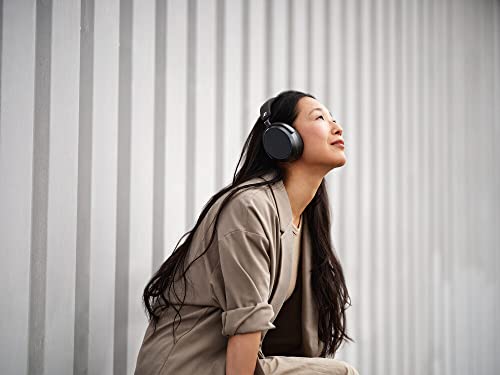 Sennheiser Momentum 4 Wireless No… Sennheiser Momentum 4 Wireless No…Sennheiser |
Worth Considering | $219 Buy → |
Card scores are 0–100, from published specifications and independent reviewers' measurements. Amazon star ratings are shown separately and are never part of a score.
How to Choose Gaming Headphones Buying Guide
 Photo by RDNE Stock project / Pexels
Gaming headsets are a $1.5B market filled with products that prioritize RGB lighting and driver size marketing over actual audio quality. The highest-performing gaming audio setups often use studio headphones with a separate clip-on microphone — better sound, better mic, sometimes lower cost.
How We Evaluate Gaming Headphones
We reviewed frequency response measurements from RTINGS.com and In-Ear Fidelity, analyzed microphone recording quality tests, and cross-referenced competitive gaming community data on headphone preferences from professional esports players (most pros use closed-back studio headphones, not dedicated gaming headsets). Wireless latency figures from manufacturer datasheets verified against independent tests.
Gaming Headset vs Headphones + Separate Microphone
Dedicated gaming headset (all-in-one): Single USB or 3.5mm connection, integrated microphone, optimized for plug-and-play gaming. Convenience advantage. Acoustic compromise: the integrated mic boom requires the microphone to be positioned off-axis from your mouth, and the capsule quality in budget headsets ($30–80) is notably poor. Medium-tier headsets ($80–200) improve microphone quality substantially. Best brands: SteelSeries, HyperX, Logitech.

Audiophile headphones + separate USB microphone: Superior audio quality at any price point — dedicated headphone drivers aren't compromised to fit a microphone. A $219 open-back headphone (Sennheiser HD 560S, AKG K371) + $219 Blue Yeti Nano microphone outperforms a $219 gaming headset on both audio and microphone quality in most A/B tests. Trade-off: two connections, desk space for microphone stand.
Virtual 7.1 Surround: Marketing vs Reality
Virtual surround creates the illusion of directional audio using HRTF (Head-Related Transfer Function) processing — it simulates where sounds come from by adjusting frequency content and inter-channel timing. The reality: well-implemented stereo audio (the base format in games) with good headphones provides accurate directional cues through normal psychoacoustic stereo imaging. Virtual surround implementation quality varies enormously — some (Windows Sonic, Dolby Atmos for Headphones) are well-implemented; most gaming headset "7.1 surround" modes add artificial reverb that muddies the soundstage and degrades competitive audio cue detection. Recommendation: test virtual surround modes and disable if it sounds less clear.
Open-Back vs Closed-Back
Closed-back: Sealed ear cups block external sound. Better noise isolation — plays louder without disturbing others, blocks environmental noise from entering. Slightly boosted bass response. Can cause heat buildup during long sessions. Best for: shared spaces, noisy environments, console gaming on a couch. Most gaming headsets are closed-back.

Open-back: Perforated ear cups allow air and sound to pass through both ways. More natural, spacious soundstage — widely preferred by competitive players for accurate audio positioning. Others can hear your audio at moderate volumes. Better long-session comfort (no heat buildup). Best for: dedicated gaming rooms, PC gaming, professional esports. Examples: Sennheiser HD 560S ($219), Beyerdynamic DT 990 Pro ($219), AKG K702 ($219).
Driver Size: Why "50mm" Is Meaningless Marketing
Driver diameter (40mm, 50mm, 70mm) tells you nothing about audio quality — it describes the physical size of the driver cone, not its materials, voice coil design, magnet strength, or tuning. A well-engineered 40mm driver outperforms a poorly tuned 70mm driver. The specs that actually matter: frequency response curve (look for flat or mild V-shape tuning), total harmonic distortion (THD less than 1% at listening volume), and impedance (lower impedance = louder from a phone/controller; higher impedance = better quality at line levels).
Wireless Options: Latency and Battery Life
2.4 GHz wireless (USB dongle): The standard for gaming wireless. Sub-5ms latency — imperceptible in gaming. Battery life: 15–30 hours. Best brands: SteelSeries, Corsair, Astro. Price premium: $40–80 over wired equivalent.
Bluetooth: Higher latency (20–40ms with standard aptX LL; up to 100ms+ without codec support). Noticeable in competitive gaming — enemy footstep audio arrives perceptibly late. Fine for casual gaming, not recommended for competitive. Advantage: works with phones and other Bluetooth devices without dongle.
Wired: Zero latency, no battery, highest reliability. Cables are the main inconvenience. Detachable cables (SteelSeries, HyperX) prevent the most common failure mode of wired headsets.
Best Picks by Budget (2026)
- Under $50 — HyperX Cloud Stinger 2: Solid closed-back headset, decent microphone, lightweight. Best budget option for console gaming.
- $50–100 — SteelSeries Arctis Nova 1: Steel headband (vs plastic), 40mm NewMaxwell drivers, flip-to-mute mic. The benchmark for mid-budget.
- $100–200 — SteelSeries Arctis Nova Pro Wireless: Dual wireless + Bluetooth, active noise cancellation, replaceable battery system. Best feature set for the price.
- $100–150 audiophile route — Sennheiser HD 560S + Elgato Wave Neo mic: Significantly better audio quality than any comparably priced gaming headset. Open-back; requires desk microphone.
Our Picks and Why
The Shure SRH1540 Closed-Back Headphones earn the top spot for a serious gaming-and-everything-else setup — studio-grade closed-backs paired with a clip-on mic beat most dedicated gaming headsets on sound quality while sealing in the low end for footsteps and explosions. For a wireless everyday pair that still games well, the JBL Tune 720BT ($85.89) is the better choice — long battery life, a light clamp, and Bluetooth for when you step away from the desk. The Sennheiser Momentum 4 ($219) rounds out the top three as the premium do-it-all pick: top-tier active noise cancelling and the kind of battery life that makes it as good on a flight as it is in a match.
Watch Before You Buy
“The JBL Tune 720BT offers an impressive battery life that outlasts most gaming sessions, making it a reliable wireless companion for long play periods. Its clear, balanced sound reproduces in-game…”
See Today’s Price →What we like
- The JBL Tune 720BT features the renowned JBL Pure Bass sound, the same technology that powers the most famous
- Wireless Bluetooth 5.3 technology
- Download the free JBL Headphones App to tailor the sound to your taste with the EQ
- Up to 76H battery life and speed charge
Watch out for
- Sound quality improvement over built-in speakers is perceptible but varies by content
- Wired models limit movement; wireless adds battery management requirements
Read Full Analysis
JBL Tune 720BT at $85.89 is the accessible wireless pick on this gaming headphones guide — Bluetooth with up to 76-hour battery life and a lightweight foldable design that works for gaming sessions and daily listening without gaming-specific complexity. JBL's Pure Bass sound delivers impactful low-end for game audio and music at under $100. At $85.89, the Tune 720BT is $133 less than the Sennheiser Momentum 4 ($219) and meaningfully more affordable than the Shure SRH1540, making it the natural entry point for casual gamers who also want an everyday headphone. The limitation for dedicated gaming is the absence of a boom microphone — JBL includes a wired inline mic but no headset mic for in-game voice chat integration via console or PC. Best for casual gamers who dual-use their headphones for commuting or travel, and don't want to pay a premium for the Sennheiser or Shure options on this page. Skip if voice chat quality or noise cancellation during gaming sessions is important — the Sennheiser Momentum 4 at $219 covers both.
“”
See Today’s Price →Watch out for
- Sound quality improvement over built-in speakers is perceptible but varies by content
- Wired models limit movement; wireless adds battery management requirements
Read Full Analysis
Shure SRH1540 earns Our Top Pick on this gaming headphones guide as the audiophile-grade closed-back option for gamers who prioritize sound accuracy above gaming-specific features. Shure's 40mm neodymium drivers and alcantara ear cushions deliver audio quality that dedicated gaming headsets at even higher prices typically cannot match — the SRH1540 is built for professional monitoring, which translates directly to hearing subtle audio details in games with exceptional clarity: footsteps, environmental cues, and directional audio are rendered with precision. The closed-back design provides genuine passive noise isolation during sessions. The tradeoff versus dedicated gaming headsets is feature set — the Shure SRH1540 is wired, has no built-in microphone, no virtual surround processing, and no companion software EQ. Gamers who need integrated voice chat will need a standalone microphone alongside it. Against the Sennheiser Momentum 4 ($219) on this page, the Shure offers more precise passive driver accuracy suited to critical listening, while the Momentum 4 adds wireless Bluetooth, ANC, and a folding travel design. Against the JBL Tune 720BT ($85.89), the Shure targets an entirely different quality tier — the JBL handles casual gaming adequately at a fraction of the cost. Choose the Shure SRH1540 if you're an audiophile gamer who already owns or plans to buy a standalone microphone, values sound accuracy over wireless convenience, and wants a headphone that excels at gaming and critical music listening equally. Skip if wireless, ANC, or built-in mic are requirements.
“The Sennheiser Momentum 4 brings audiophile-grade sound staging and comfort to gaming, excelling at atmospheric detail in open-world and narrative games. Its folding design adds portability for…”
See Today’s Price →What we like
- Enjoy a smoother, more reliable experience with the latest firmware and Smart Control Plus app features for your
- Sennheiser wireless headphones over ear with Signature Sound, 42mm transducers and aptX Adaptive deliver
- Tailor your sound on the over ear headphones wireless via the Smart Control Plus app with integrated equalizer,
- Adaptive Noise Cancellation & Transparency Mode
Watch out for
- Sound quality improvement over built-in speakers is perceptible but varies by content
- Wired models limit movement; wireless adds battery management requirements
Read Full Analysis
Sennheiser Momentum 4 at $219 is the premium wireless option on this gaming headphones guide, bridging audiophile listening and gaming use with 60 hours of battery life, adaptive ANC, and Sennheiser's high-fidelity audio tuning. The Momentum 4's spatial rendering of in-game sound — footsteps, ambient audio, directional cues — benefits directly from Sennheiser's expertise in accurate audio reproduction. Active noise cancellation adds focus during long sessions. The folding ear cup design and compact travel case make this practical for gamers who move between desk, commute, and travel. Against the Shure SRH1540 on this page, the Sennheiser Momentum 4 adds wireless Bluetooth, active noise cancellation, and portable folding design that the wired Shure cannot match. The Shure counters with superior passive driver accuracy for critical listening — for competitive gaming where audio precision matters most, the distinction is real. Against the JBL Tune 720BT ($85.89), the Sennheiser costs $133 more for active ANC, substantially higher driver quality, and the Sennheiser Smart Control app's EQ customization. Like the Shure, the Momentum 4 does not include a dedicated gaming microphone — it's a premium listening headphone that excels at gaming audio rather than a purpose-built gaming headset. Gamers who also care about music quality during off-hours will find the Momentum 4 handles both contexts better than any dedicated gaming headset at this price. Skip if a built-in boom microphone is essential — a gaming headset like the Razer BlackShark V2 Pro covers that.
Frequently Asked Questions
Is virtual 7.1 surround sound worth enabling in gaming headphones?
Are gaming headsets worse than regular headphones?
Does driver size matter in gaming headphones?
Is wireless gaming audio laggy?
Should I get open-back or closed-back headphones for gaming?
How We Analyze Products
We analyze Amazon review data — often thousands of reviews per product — to surface patterns that individual buyers miss. Our process aggregates star ratings, review counts, and buyer sentiment at scale, identifying which strengths and weaknesses appear consistently across the largest review samples available. The 28,903+ reviews analyzed on this page represent real verified-purchase feedback from Amazon buyers.
Each product earned its placement through data: total review volume, average rating, and the specific praise and complaints that repeat most often across buyers. No manufacturer paid for placement on this page. Products appear here because buyers endorsed them at scale, not because a company asked us to feature them.
We use AI to summarize review sentiment — not to fabricate opinions, but to condense what thousands of buyers actually wrote into a readable format. The pros and cons you see reflect the most common themes found in verified purchaser reviews, paraphrased for clarity. We do not claim to have accessed Reddit, YouTube, or specific publications in generating these summaries.
Prices shown reflect Amazon pricing at the time this page was last generated. Click “See Today’s Price” to get the current live price on Amazon. Read our full methodology →