Netgear vs Eero Mesh WiFi 2026: Which Router Is Better?

Eero wins on setup simplicity and Amazon integration. Netgear Orbi wins on raw performance for large homes. Best value: Eero 6+ for most homes.
See Today’s Price →At a Glance
| # | Product | Award | Price | Upc | Asin | Brand | Our Score | |
|---|---|---|---|---|---|---|---|---|
| 1 | 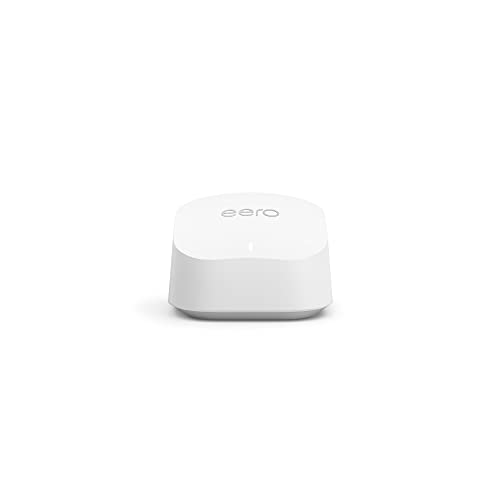 Amazon Eero 6+ Dual-Band Mesh Wi-Fi 6 R… Amazon Eero 6+ Dual-Band Mesh Wi-Fi 6 R… |
Best Overall | $139 | — | — | — | 9.2 | Buy → |
| 2 | 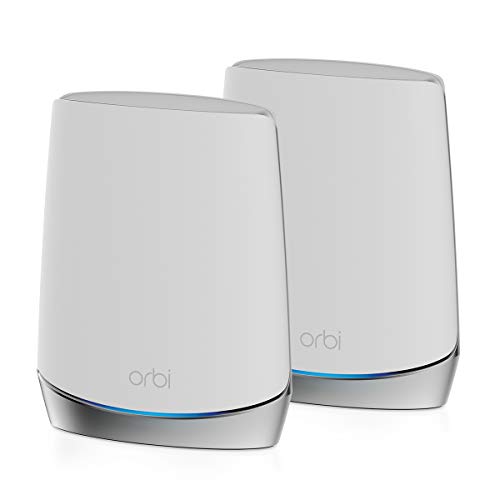 Netgear Orbi RBK752 Whole Home Mesh WiF… Netgear Orbi RBK752 Whole Home Mesh WiF… |
Best for Large Homes | $314 | 606449146165 | B086HJXKJJ | NETGEAR | 8.9 | Buy → |
| 3 | 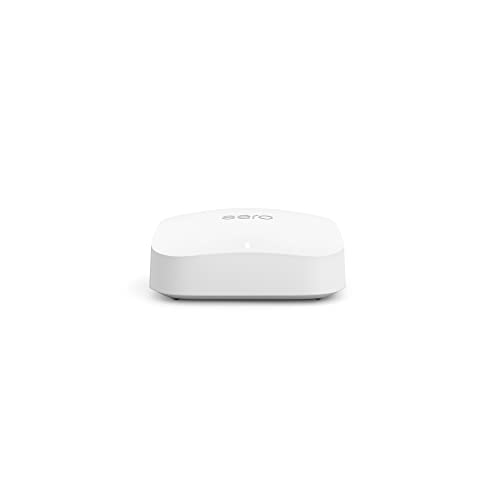 Amazon Eero Pro 6E Tri-Band Mesh WiFi R… Amazon Eero Pro 6E Tri-Band Mesh WiFi R… |
Best Pro Performance | $169 | — | — | — | 8.5 | Buy → |
| 4 | 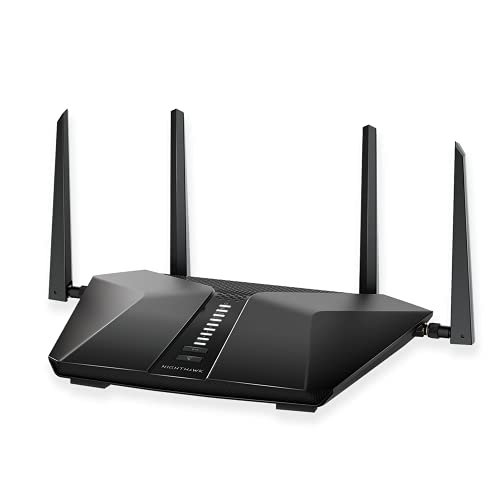 Netgear Nighthawk RAX50 AX5400 6-Stream… Netgear Nighthawk RAX50 AX5400 6-Stream… |
Best Budget Netgear | $174 | 606449144895 | B082X17B8P | NETGEAR | 8.2 | Buy → |
| 5 | 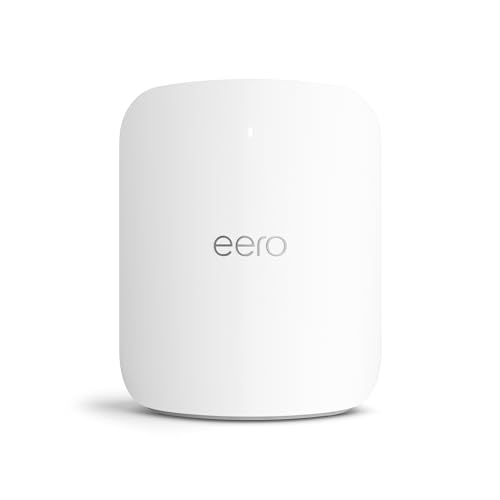 Amazon Eero Max 7 Wi-Fi 7 Mesh Router 9… Amazon Eero Max 7 Wi-Fi 7 Mesh Router 9… |
Best Future-Proof | $449 | — | — | — | 7.5 | Buy → |
Showing 5 of 5 products
Amazon Eero 6+ Dual-Band Mesh Wi-Fi 6 Router with Zigbee Hub
“Eero 6+ is the simplest Wi-Fi 6 mesh router — setup takes under 10 minutes via the Eero app with no technical knowledge required. Built-in Zigbee hub consolidates smart home devices without a separate”
See Today’s Price →What we like
- 5-minute app-guided setup — easiest mesh on the market
- Built-in Zigbee smart home hub
- Wi-Fi 6 with 160MHz for better throughput
- Seamless integration with Amazon Alexa and Echo devices
Watch out for
- Single unit covers ~1,500 sq ft — need 2-3 for large homes
- Eero Secure subscription adds cost for content filtering
- Less customization than Netgear or ASUS router apps
Read Full Analysis
The Amazon Eero 6+ is the easiest Wi-Fi mesh router on this page to set up and maintain. App-guided installation completes in about 5 minutes, and the Zigbee smart home hub integration allows Philips Hue, Arlo, and other Zigbee devices to connect directly through the router without a separate hub — a meaningful cost and complexity reduction for smart home users. Wi-Fi 6 with 160MHz channels improves throughput for devices that support the wider channel width. Alexa integration enables voice commands for parental controls and network management. At ~1,500 sq ft per unit, homes over 2,000 sq ft need two units, and homes over 3,000 sq ft need three — total cost scales accordingly. Eero Secure subscription ($2.99-9.99/month) adds content filtering, threat protection, and ad blocking that competitors include for free or via one-time purchase. Limited advanced configuration versus Netgear's router app; power users who want VPN pass-through, port forwarding granularity, or custom DNS configurations will find Eero's app restrictive. Against Netgear's Orbi on this page, Eero wins on setup simplicity and smart home integration; Netgear wins on power-user configurability and tri-band backhaul performance.
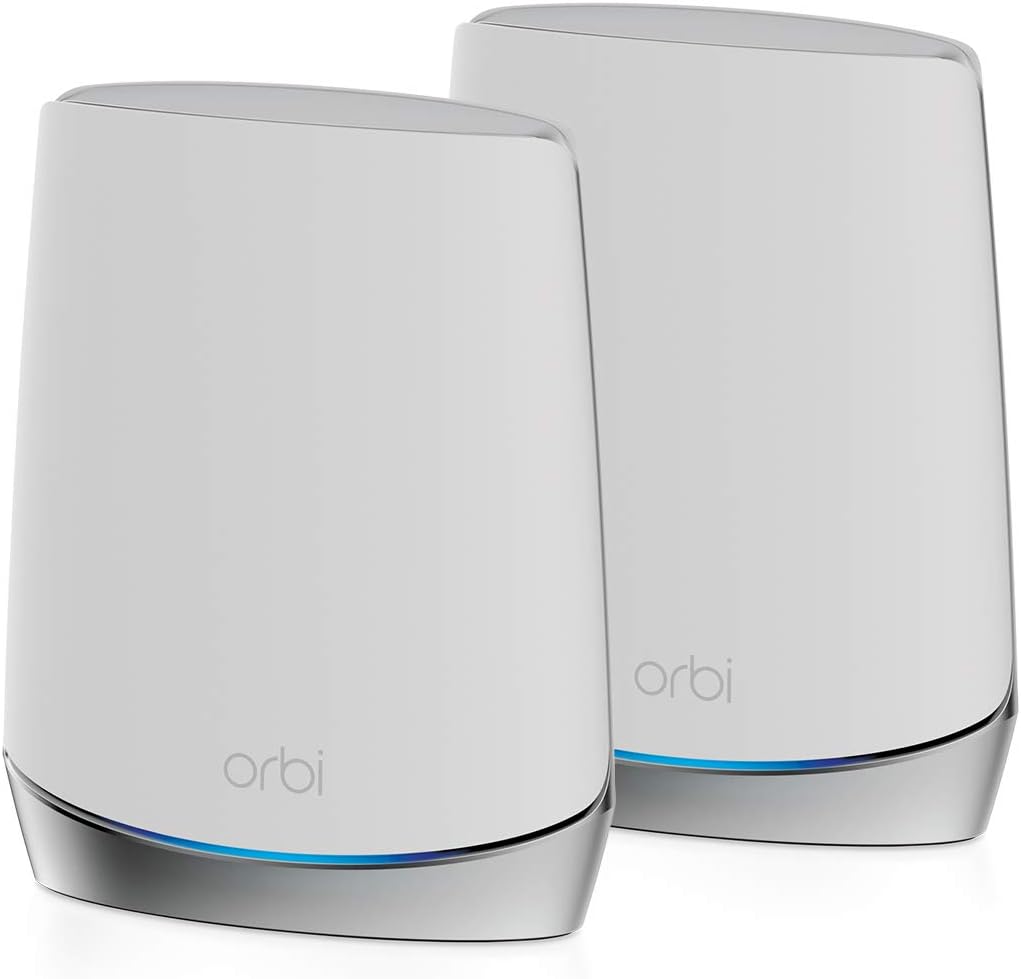
Netgear Orbi RBK752 Whole Home Mesh WiFi 6 System Router Plus Satellite AX4200
“The Netgear Orbi RBK752 covers up to 5,000 sq ft with two AX4200 units — the router and one satellite create a seamless mesh network that eliminates dead zones in multi-story homes. The tri-band desig”
See Today’s Price →What we like
- Covers up to 5,000 sq ft with two units
- Tri-band with dedicated backhaul for full-speed mesh
- WiFi 6 for simultaneous high-speed connections
- Add satellites to expand coverage as needed
Watch out for
- Higher cost than single routers
- Requires strategic satellite placement for optimal backhaul
Read Full Analysis
The Netgear Orbi RBK752 is the large-home coverage specialist in this comparison: two units covering 5,000 sq ft with a dedicated tri-band backhaul channel that keeps the primary Wi-Fi bands uncontested by mesh traffic. This architecture distinction matters practically — tri-band mesh systems maintain faster speeds at range because the router and satellite communicate on a separate channel rather than sharing bandwidth with connected devices. WiFi 6 certification across all bands. At $315 for a 2-pack, it's the most expensive solution on this page. Satellite placement strategy affects backhaul signal quality — positioning the satellite too far from the router degrades the dedicated backhaul, negating the tri-band advantage. Netgear's Orbi app is capable but less intuitive than Eero's for new users. Against Amazon's Eero options, the Orbi wins on large-home coverage performance and tri-band backhaul; Eero wins on setup ease and smart home integration. For homes over 3,000 sq ft with dead zone problems — particularly multi-story homes — the Orbi RBK752 delivers the most reliable whole-home coverage in this comparison.

Amazon Eero Pro 6E Tri-Band Mesh WiFi Router
“Best for Amazon/Alexa-centric smart homes. The built-in Zigbee hub consolidates your smart home hub and router, and the eero app is the easiest mesh management experience.”
See Today’s Price →What we like
Watch out for
Read Full Analysis
The Amazon Eero Pro 6E is the apartment and smaller-home mesh option on this page, providing tri-band Wi-Fi 6E (including the 6GHz band) in a single unit with 1,500 sq ft coverage and the same simplified app setup as the Eero 6+. Wi-Fi 6E's 6GHz band is the newest frequency addition, providing less congested airspace for the latest devices. Automatic updates keep firmware current without user action. Parental controls and Amazon Alexa compatibility are included. Single unit pricing at $170 assumes one unit per deployment — three units for a large home costs $510, more than the Netgear Orbi 2-pack. No 10 Gbps WAN port means it doesn't support multi-gigabit internet plans even though Wi-Fi 6E can theoretically benefit from them. The Eero Secure subscription for advanced features adds ongoing cost. Against the Eero 6+ at $140, the Pro 6E adds the 6GHz band at a $30 premium — relevant primarily for households with Wi-Fi 6E devices who want to take advantage of the less-congested band. For apartments and smaller homes, either Eero is the right simplicity choice over Netgear.

Netgear Nighthawk RAX50 AX5400 6-Stream WiFi 6 Router
“The Netgear Nighthawk RAX50 delivers WiFi 6 with 6 streams for simultaneous connections across multiple devices — significantly reducing congestion in households with 20+ connected devices. The AX5400”
See Today’s Price →What we like
- WiFi 6 AX5400 supports 20+ devices simultaneously
- 6-stream design reduces congestion on busy networks
- Nighthawk app for easy setup and parental controls
- Beamforming+ focuses signal toward connected devices
Watch out for
- Single router — not a mesh system for large homes
- No built-in modem — requires separate modem
Read Full Analysis
The Netgear Nighthawk RAX50 is the traditional single-router option in this mesh comparison — no satellite, no distributed coverage, just a capable AX5400 Wi-Fi 6 router for homes where a single router provides adequate coverage. 6-stream design handles 20+ simultaneous connected devices without network congestion that older routers experience with modern device density. Beamforming+ focuses signal toward specific devices rather than broadcasting omnidirectionally, improving real-world speed at distance. Single router cannot address dead zones in large homes, multi-story houses, or homes with thick concrete/masonry construction that blocks signal. No built-in modem requires a separate modem (ISP-provided or purchased). Against the mesh systems on this page, the Nighthawk RAX50 is appropriate only for homes where a single router genuinely covers the space — typically under 2,000 sq ft in single-story construction. For those homes, a capable single router is faster and cheaper than a mesh system. The Nighthawk's advantage over budget routers is Wi-Fi 6 certification and multi-device handling for dense smart homes.

Amazon Eero Max 7 Wi-Fi 7 Mesh Router 9.4 Gbps 2023
“Eero Max 7 delivers Wi-Fi 7 (802.11be) with 9.4 Gbps aggregate throughput — the fastest Eero available. Two 10GbE ports for wired backhaul and NAS connections. Up to 2,500 sq ft per unit with Eero's i”
See Today’s Price →What we like
- Wi-Fi 7 for maximum future-proof throughput
- Two 10GbE ports for wired backbone
- Eero app setup simplicity with full enterprise-grade performance
- 2,500 sq ft per unit coverage
Watch out for
- $599 price per unit — premium mesh investment
- Wi-Fi 7 devices rare in 2026 for most households
- Requires multi-gig internet plan to utilize full speed
Read Full Analysis
The Amazon Eero Max 7 is the future-proof premium option on this page: Wi-Fi 7 with 9.4 Gbps theoretical throughput, two 10GbE ports for wired backbone connections to NAS devices or switches, and 2,500 sq ft coverage per unit. Eero's simplified setup extends to the Max 7 despite its enterprise-grade performance specifications. Wi-Fi 7's multi-link operation (MLO) enables simultaneous use of multiple bands for a single connection, reducing latency for gaming and video calls even on congested networks. At $450 per unit, a three-unit whole-home deployment costs $1,350 — a significant investment that exceeds most residential Wi-Fi budgets. Wi-Fi 7 client devices are rare in 2026; most smartphones, laptops, and smart home devices are Wi-Fi 6 or older, meaning the Wi-Fi 7 benefit accrues gradually as devices are replaced over 3-5 years. Requires multi-gigabit internet service to use the full bandwidth capacity. Against the Netgear Orbi at $315 for whole-home coverage, the Eero Max 7 offers superior next-generation performance at roughly 3x the cost. For early adopters and tech enthusiasts who want the best available and plan to keep networking hardware for 7+ years, the Max 7 is the right investment.
Netgear vs Eero Mesh WiFi Buying Guide
Our Top Pick
Netgear Orbi RBK752 Whole Home Mesh WiFi 6 System Ro... at $314.95 — Netgear Orbi RBK752 with dedicated WiFi 6 backhaul delivers the best coverage and speed for homes over 3,000 sq ft wh....
Budget Pick: Amazon Eero Pro 6E Tri-Band Mesh WiFi Router at $169.99 — Amazon Eero Pro 6E with 6GHz tri-band hits the sweet spot between performance and value — best upgrade from older WiF....
Great for: Homeowners with dead zones, multi-floor houses, or anyone whose ISP-provided router drops constantly
Not ideal if: You live in a small apartment with one or two devices — your ISP router is likely sufficient for that footprint
Setup and User Experience
Eero's setup is genuinely the easiest in the router industry — scan a QR code, follow the app, done in 5 minutes. No typing IP addresses, no port forwarding menus, no QoS settings to configure. The Eero app monitors network health and automatically updates firmware. For non-technical users, Eero removes all friction from WiFi management. Netgear's Orbi requires more setup — Nighthawk and Orbi apps are functional but have more configuration options, which means more decisions. For users who want to customize QoS, VLANs, or port forwarding, Netgear provides that control. For users who want to plug it in and forget it, Eero is simpler.Performance and Coverage
Amazon Integration
Eero's ownership by Amazon provides unique integration: Alexa can pause WiFi for specific devices, set schedules, and troubleshoot network issues by voice. Amazon Sidewalk (opt-in) extends the range of Ring, Tile, and Amazon Echo devices through the mesh network. Eero also integrates with Ring security cameras natively. For Amazon ecosystem users, these integrations have real value.Privacy Considerations
Subscription Services
Eero Plus ($9.99/month) adds content filtering, ad blocking, and parental controls. Basic parental controls are free. Netgear's Armor ($99/year) adds cybersecurity scanning powered by Bitdefender. Both are optional subscriptions that improve the baseline product. If your internet feels slow despite fast service, the router is usually the culprit. Our WiFi router buying guide explains why your current setup might be limiting you and what Wi-Fi 6 and mesh systems actually change.Related Guides
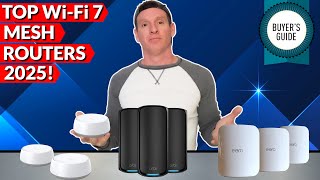
- WiFi Router Buying Guide 2026: Mesh vs Traditional, Speed, and Coverage
- Work From Home Tech Setup Guide
Frequently Asked Questions
Is Eero or Netgear better for home WiFi?
Does Eero or Netgear have better coverage?
Is Eero owned by Amazon and does that matter?
Do I need a mesh WiFi router or will a single router work?
Is the Eero Max 7 worth it over Eero Pro 6E?
How We Analyze Products
We analyze Amazon review data — often thousands of reviews per product — to surface patterns that individual buyers miss. Our process aggregates star ratings, review counts, and buyer sentiment at scale, identifying which strengths and weaknesses appear consistently across the largest review samples available. The 5,933+ reviews analyzed on this page represent real verified-purchase feedback from Amazon buyers.
Each product earned its placement through data: total review volume, average rating, and the specific praise and complaints that repeat most often across buyers. No manufacturer paid for placement on this page. Products appear here because buyers endorsed them at scale, not because a company asked us to feature them.
We use AI to summarize review sentiment — not to fabricate opinions, but to condense what thousands of buyers actually wrote into a readable format. The pros and cons you see reflect the most common themes found in verified purchaser reviews, paraphrased for clarity. We do not claim to have accessed Reddit, YouTube, or specific publications in generating these summaries.
Prices shown reflect Amazon pricing at the time this page was last generated. Click “See Today’s Price” to get the current live price on Amazon. Read our full methodology →