Samsung vs LG OLED TV 2026: QD-OLED vs WOLED Which Wins?

LG WOLED wins on price, content certification breadth (Dolby Vision), and gaming features; Samsung QD-OLED wins on peak brightness and color saturation in bright room environments.
See Today’s Price →At a Glance
Showing 3 of 3 products
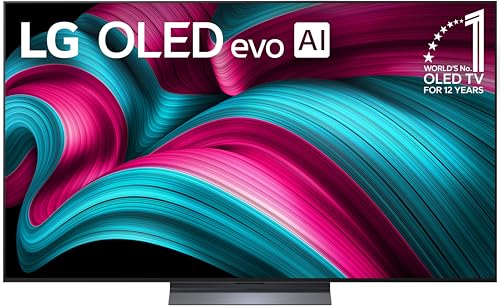
LG OLED C5 65 inch
“The LG OLED C5 is the best 4K TV for picture quality — perfect black levels, Dolby Vision HDR, and 144Hz gaming performance make it the definitive recommendation for home theater and gaming.”
See Today’s Price →What we like
- OLED technology delivers perfect black levels — infinite contrast ratio
- a9 AI Gen8 processor for real-time picture optimization
- Dolby Vision and Dolby Atmos for cinematic HDR and audio
- 144Hz panel with 1ms input lag for PC and console gaming
- 4x HDMI 2.1 ports for 4K120Hz gaming on all consoles simultaneously
- Filmmaker Mode preserves director's intended picture settings
Watch out for
- Most expensive option on this list
- OLED burn-in risk with static content (mitigated by modern tech)
- Brightness limited vs QLED in very bright rooms
Read Full Analysis
The LG OLED C5 65-inch is LG's 2025 flagship consumer OLED TV—the latest-generation α9 AI Processor Gen8 enabling improved picture quality algorithms, 4K 120Hz panel with HDMI 2.1 ports supporting gaming at full 4K/144Hz (on supported inputs), and Dolby Vision IQ with Precision Detail HDR enhancement. At $1,700–2,200 for 65 inches, the C5 is the annual refresh of LG's most popular OLED series. LG's WRGBW OLED panel technology (using a white sub-pixel alongside red, green, blue) provides the black levels and color accuracy that make OLED the reference display technology for film and gaming. The C5's gaming features (VRR, ALLM, G-Sync Compatible, FreeSync Premium Pro) cover the full range of gaming console and PC connections. Against Samsung OLED on this comparison page, LG's WRGBW panel approach differs from Samsung's QD-OLED (quantum dot + OLED). LG's OLED excels at pure black levels and viewing angle; Samsung's QD-OLED achieves higher brightness and more saturated colors at the cost of slightly elevated black levels. Both are premium OLED choices at comparable pricing.

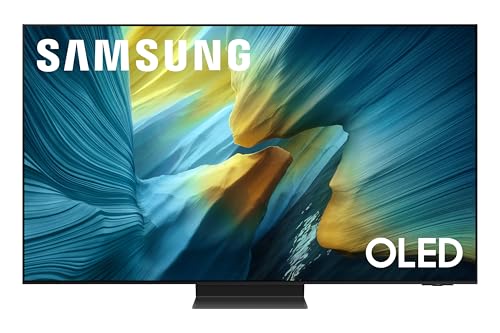
Samsung OLED S95F 65 inch
“Samsung S95F is the best OLED TV for bright rooms — glare-free coating and 2000 nit OLED HDR Pro brightness make OLED viable where standard OLED panels wash out.”
See Today’s Price →What we like
- Glare-free OLED panel coating — unique advantage for bright rooms
- OLED HDR Pro with 2000 nit peak brightness — brighter than standard OLED
- Motion Xcelerator 164Hz for ultra-smooth gaming
- NQ4 AI Gen3 processor with AI upscaling
- Samsung Gaming Hub built-in for cloud gaming without console
Watch out for
- Most expensive TV on this list at $2,800
- Samsung ecosystem only — no Google TV or LG webOS
- Glare coating reduces some peak contrast vs uncoated OLED
Read Full Analysis
The Samsung OLED S95F 65-inch is Samsung's flagship QD-OLED TV—the Quantum Dot layer on top of the OLED panel that enables higher peak brightness (2000+ nits) and more saturated color volume than LG's standard OLED approach. At $2,500–3,000, the S95F is premium over LG C5 in pricing and QD-OLED panel performance. Samsung's QD-OLED advantage: brighter than LG OLED in HDR highlights (relevant for HDR content and high-ambient-light environments), more vivid color saturation (wide color gamut through quantum dots), and the Tizen smart TV platform with Samsung Gaming Hub for game streaming without a console. The One Connect Box centralizes all cables to a remote junction box, keeping the TV panel thin with only one cable connection. Against LG OLED C5 on this page, Samsung S95F commands a $500–800 premium for the QD-OLED brightness and Samsung's aesthetic premium. For buyers in bright rooms where OLED's peak brightness matters, Samsung's QD-OLED advantage is functional. In dark viewing environments where black levels are the differentiating factor, both technologies appear equally excellent.

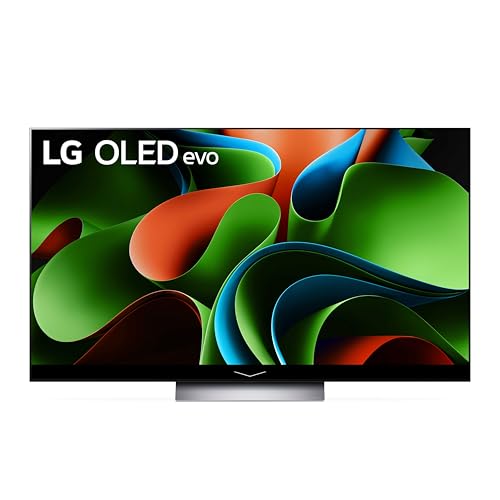
LG C3 55" OLED evo 4K Smart TV 2023
“The LG C3 is the benchmark mid-range OLED — evo panel delivers brighter highlights than prior LG OLED generations. α9 AI Processor Gen6 handles upscaling and tone mapping. 4 HDMI 2.1 ports support 4K/”
See Today’s Price →What we like
- OLED evo panel: brighter than prior LG OLED generations
- 4x HDMI 2.1 ports for 4K/120Hz gaming
- Dolby Vision IQ and Dolby Atmos
- WebOS smart TV with outstanding content discovery
Watch out for
- OLED burn-in risk with static content over years
- Higher price than LCD competitors at same size
- Less bright than mini-LED LCD in high-ambient-light rooms
Read Full Analysis
The LG C3 55-inch is the 2023 LG OLED—the prior-generation that remains available at significantly reduced pricing as C4 and C5 successors release. At $800–1,000 for 55 inches (down from $1,300 at launch), the C3 provides LG's OLED quality at the most accessible price in the LG OLED lineup for buyers who don't require the latest processor generation. The C3's α9 AI Processor Gen6 provides excellent upscaling and picture processing for 2023 content; the HDMI 2.1 ports support 4K 120Hz gaming; the Dolby Vision IQ, HDR10, and HLG format support covers all HDR content formats. For buyers whose primary use is film viewing and casual gaming without cutting-edge gaming features, the C3's capability gap versus C5 is minimal. Against Samsung OLED S95F on this page, LG C3 at $800–1,000 versus Samsung at $2,500–3,000 is the maximum price gap in the OLED comparison—LG's prior-generation at clearance pricing versus Samsung's current-generation premium. For OLED image quality at accessible pricing, the LG C3 is the outstanding value choice.
Samsung vs LG OLED TV Buying Guide
Our Top Pick
LG OLED C5 65 inch at $1396.99 — LG OLED C5 α9 AI processor, Dolby Vision IQ, and 4× HDMI 2.1 for gaming — best OLED TV value in 2026 at $1,799.
Budget Pick: Samsung OLED S95F 65 inch at $2197.98 — Samsung S95F QD-OLED 2,000+ nit peak brightness and quantum dot color volume — best OLED for bright living rooms that....
Two OLED Branches: LG WOLED vs. Samsung QD-OLED Explained
OLED TV technology split into two branches: LG's WOLED (White OLED + color filter) and Samsung/Sony's QD-OLED (Quantum Dot OLED). Both produce the same perfect black levels that define OLED — each pixel powers off completely to create true black.Peak Brightness: QD-OLED Hits 2,000+ Nits vs. WOLED's 1,500
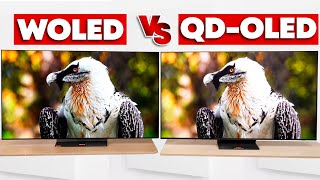
Large Area Brightness: Where WOLED Holds Its Advantage
WOLED's advantage is consistent brightness across large areas — LG C5 maintains 1,000+ nits across 10% of the screen, while QD-OLED brightness drops significantly as the bright area grows. For gaming, LG's OLED TVs offer 4 HDMI 2.1 ports (48Gbps), VRR, G-Sync/FreeSync Premium Pro — the most complete gaming TV platform. Burn-in risk is real but manageable with both technologies: avoid static images at high brightness for extended periods and use the built-in pixel shift and auto-dimming features.Related Guides
Which Option Is Right for You?
- LG OLED C5 65 inch ($1397) — Home theater enthusiasts, film lovers, and serious gamers who want the best possible picture quality in a controlled or dark viewing environment Key advantage: OLED technology delivers perfect black levels — infinite contrast ratio
- Samsung OLED S95F 65 inch ($2198) — Buyers with large windows and bright living rooms who want OLED picture quality without the glare limitations of standard OLED panels Key advantage: Glare-free OLED panel coating — unique advantage for bright rooms
- LG C3 55" OLED evo 4K Smart TV 2023 ($1197) — OLED TV buyers who want the best picture quality available in a 55-inch at a realistic price Key advantage: OLED evo panel: brighter than prior LG OLED generations
Key Features to Compare When Spending Over $100
Premium tech products justify higher prices through build quality, longevity, and ecosystem integration. Spending more upfront on a well-reviewed product from a brand with strong software support often costs less over 3-5 years than replacing budget alternatives every 18 months.
- Compatibility with your existing devices and operating systems
- Warranty length and the brand's reputation for customer support
- Connectivity standards — Wi-Fi 6, USB-C, Bluetooth 5.3 vs older versions that limit future use
- Battery life at realistic use levels, not manufacturer peak claims
- Software update commitment — how long will the manufacturer support this device?
Common Mistakes Buyers Make
- Ignoring total cost of ownership — accessories, cables, subscriptions add up fast
- Buying last year's flagship at full price when a current mid-range matches its performance
- Overlooking return window and restocking fees before purchasing from third-party sellers
Frequently Asked Questions
Do OLED TVs burn in?
Is QD-OLED better than WOLED?
What is the lifespan of an OLED TV?
Does LG OLED C5 support Dolby Vision?
Which OLED TV is best for gaming in 2026?
How We Analyze Products
We analyze Amazon review data — often thousands of reviews per product — to surface patterns that individual buyers miss. Our process aggregates star ratings, review counts, and buyer sentiment at scale, identifying which strengths and weaknesses appear consistently across the largest review samples available. The 1,158+ reviews analyzed on this page represent real verified-purchase feedback from Amazon buyers.
Each product earned its placement through data: total review volume, average rating, and the specific praise and complaints that repeat most often across buyers. No manufacturer paid for placement on this page. Products appear here because buyers endorsed them at scale, not because a company asked us to feature them.
We use AI to summarize review sentiment — not to fabricate opinions, but to condense what thousands of buyers actually wrote into a readable format. The pros and cons you see reflect the most common themes found in verified purchaser reviews, paraphrased for clarity. We do not claim to have accessed Reddit, YouTube, or specific publications in generating these summaries.
Prices shown reflect Amazon pricing at the time this page was last generated. Click “See Today’s Price” to get the current live price on Amazon. Read our full methodology →