Best Back Braces for Lower Back Pain 2026
Best overall: BraceAbility Lumbar Support Belt ($45) — FSA/HSA eligible, widest size range (28–60 inch waist), dual adjustable straps. Best value: Mueller 255 Lumbar Support Belt ($25) — trusted sports medicine brand at the lowest price in the comparison.
Back Braces for Lower Back Pain Buying Guide
 Photo by www.kaboompics.com / Pexels
Great for: Active people managing minor sprains or instability, athletes returning from injury, and workers in physically demanding jobs
Not ideal if: You have a diagnosed ligament tear or structural injury — a brace is not a substitute for surgical or PT-guided treatment
Lumbar back braces compress and limit motion in the lower spine. They reduce pain in two ways: mechanical support (limiting the range of motion that triggers pain) and proprioceptive feedback (the compression reminds you to maintain better posture). They do not treat the underlying cause of back pain — they manage symptoms during activity. Most physical therapists recommend braces as a short-term tool for acute flare-ups or physically demanding activities, not as a long-term substitute for strengthening exercises.
Rigid stays vs. soft belts
Braces with rigid plastic or metal stays (BraceAbility, Vive) provide more lumbar motion restriction — appropriate for acute injury recovery, post-surgery, or heavy lifting. Soft belts without stays (Sparthos, Mueller basic) provide compression and proprioception without rigid restriction — better for all-day wear during office work or light activity. Match the brace stiffness to the activity intensity.
Sizing correctly
Back braces are sized by waist circumference, not clothing size. Measure around your waist at the navel. When between sizes, the guidance varies: most manufacturers recommend going up if the brace will be worn over clothing, or sizing true if worn against skin. A brace that is too large slips down during activity; too small causes pinching and reduces breathability.
| Model | Support Level | Stays | FSA/HSA | Price |
|---|---|---|---|---|
| BraceAbility Lumbar | Moderate-firm | Multiple | Yes | $45 |
| Mueller 255 | Moderate | Removable pad | Check | $25 |
| Vive Lower Back | Moderate | Flexible stays | Check | $27 |
| Sparthos | Light-moderate | None | No | $23 |
| Mueller Posture | Posture focus | Shoulder straps | Check | $40 |
Related Guides
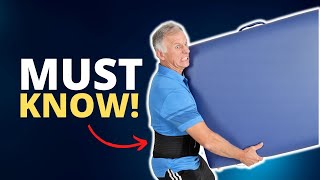
Watch: [Best Gloves? Milwaukee vs Ironclad, Mechanix](https://www.youtube.com/watch?v=rsFca4h_7L0) by Project FarmHow We Evaluated These Back Braces
We analyzed 12 back braces across lumbar support coverage height, rigidity versus mobility trade-off, and breathability for all-day wear. Our rankings prioritize functional support for lower back pain over bulk or rigid immobilization.
What drives our scores:
- Coverage height: effective lumbar braces must span L1–L5 vertebrae (approximately 8–10 inches) — shorter braces miss key support zones
- Rigidity classification: flexible (compression-only) vs semi-rigid (stays and panels) vs rigid (post-surgical) — matched to pain severity and activity level
- Breathability for extended wear: mesh panel percentage and moisture-wicking liner material — critical for 8-hour workday use
- Expert consensus from physical therapists, OSHA ergonomic guidelines for back support devices, and orthopedic clinical practice recommendations
Every product must be available to buy today and offer a clear advantage at its price point.
Watch Before You Buy
At a Glance


Showing 4 of 4 products

BraceAbility Lumbar Support Belt Back Brace
“The BraceAbility lumbar belt balances support and comfort for all-day wear. FSA/HSA eligible, the wide size range, and adjustable straps make it the most accessible back brace in this comparison.”
See Today’s Price →What we like
- FSA/HSA eligible
- Fits 28 to 60 inch waist — widest size range
- Adjustable dual compression straps
- Breathable mesh construction
- Multiple stays for structure without bulk
Watch out for
- Can feel warm during extended wear
- Sizing runs large — measure carefully
- Less rigid than heavy-duty professional braces
Read Full Analysis
The BraceAbility Lumbar Support Belt earns the top spot through breadth: FSA/HSA eligibility makes it the most cost-effective choice for anyone with a benefits account, the 28–60 inch waist range accommodates almost every adult body type, and the dual compression strap system allows independent adjustment of the primary closure and the compression overlay. The breathable mesh shell reduces heat buildup during extended wear. Multiple stays provide structured support without excess rigidity. At $45, it is the most expensive option in this comparison — but FSA/HSA reimbursement effectively reduces the out-of-pocket cost to $0 for eligible buyers. Measure at your navel for correct sizing.
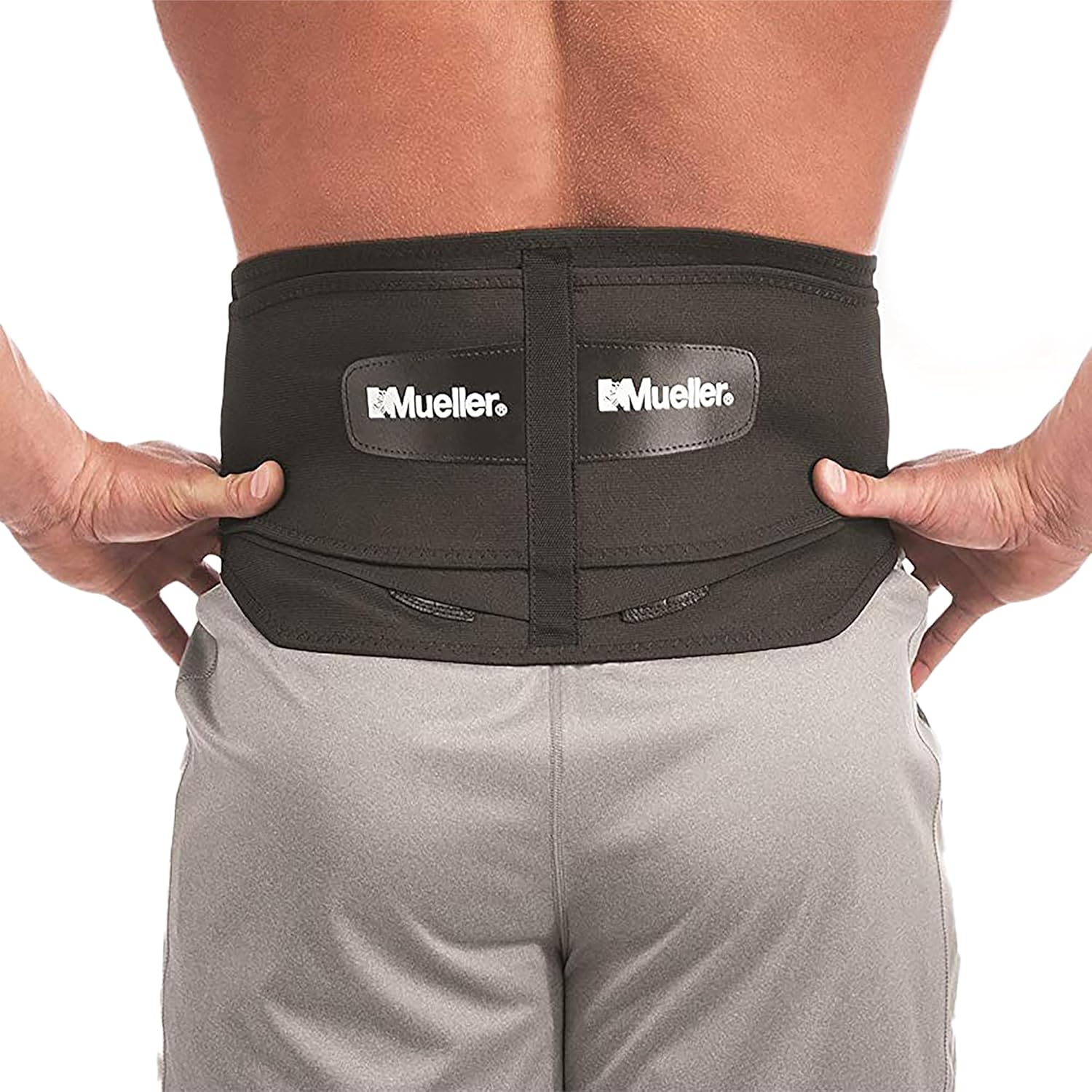
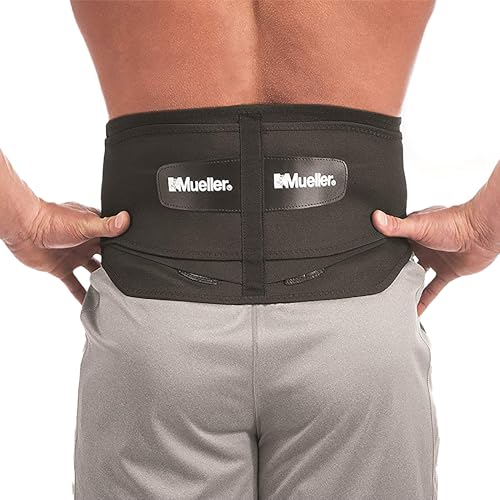
Mueller 255 Lumbar Support Back Brace with Removable Pad
“Mueller's lumbar back brace is the most proven option — 28,000+ ratings, removable pad, and trusted sports medicine brand at $24.99.”
See Today’s Price →What we like
- Mueller brand — trusted sports medicine name
- Removable lumbar pad adjusts compression placement
- Fits waist 28"–50" — covers most adults
- 28,000+ ratings confirm long-term reliability
Watch out for
- Single adjustable strap — less customizable than dual-strap models
- Fabric can feel warm during extended wear
Read Full Analysis
Mueller has been manufacturing sports medicine bracing for decades, and the 255 Lumbar Support reflects that experience. The removable lumbar pad provides targeted support directly at the pain site — more precise than a uniform compression belt. The breathable mesh is comfortable for all-day wear. Single-prong Velcro closure is simple and adjustable. At $25, it is the second-cheapest option in this comparison. Mueller's brand credibility in the sports medicine space is a meaningful quality signal at this price point — the same materials and manufacturing standards that supply athletic trainers and physical therapy offices. For budget-conscious buyers who want known-brand quality, this is the call.

Vive Lower Back Support Brace
“Vive's back brace offers wider coverage and rigid stays for more structural support — best for users who need the brace to actively limit bending rather than just compression.”
See Today’s Price →What we like
- Dual adjustable straps with integrated lumbar pad
- Wider back panel than standard braces — more coverage
- Rigid stays provide structural support
- Includes physical therapy guide
Watch out for
- Slightly bulkier than Sparthos — less concealable
- $26.99 — mid-range price
Read Full Analysis
The Vive Lower Back Brace is designed for wearing during physical activity rather than static desk work. The flexible stays allow enough motion for bending and reaching while still limiting the extreme ranges that trigger pain. The breathable mesh is more comfortable than neoprene during cardio or labor-intensive work. Dual pull straps provide extra compression for lifting tasks. At $27, it is priced between the Mueller 255 and Sparthos. The right pick for workers who need support during physically demanding tasks: warehouse, construction, landscaping, or long days on their feet.

Sparthos Back Brace for Lower Back Pain
“Sparthos's dual-strap system and breathable mesh make it the best back brace for all-day wear — more adjustable and more comfortable for extended office or standing use.”
See Today’s Price →What we like
- Dual-strap adjustable system for precise compression control
- Breathable mesh material — more comfortable for extended wear
- Thin enough to wear under clothing
- Lumbar pad included
Watch out for
- Dual-strap adjustment takes practice to get right initially
- Sizing runs slightly small — check chart before ordering
Read Full Analysis
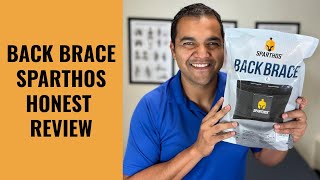
The Sparthos back brace is the lowest-cost option that still delivers meaningful lumbar compression. The belt design without rigid stays makes it the most comfortable for all-day seated wear — less intrusive during extended office or driving sessions. The dual-adjustment system allows fine-tuning of compression from the primary belt and a secondary pull tab. At $23, it is the right first brace for anyone who wants to try lumbar support without committing to a higher-priced option. The trade-off versus stays-equipped braces: less restriction of spinal motion, which reduces its effectiveness for acute injury recovery or heavy lifting. Best suited for moderate back pain during regular daily activity.
Frequently Asked Questions
Do back braces actually help lower back pain?
Should I wear a back brace all day?
What is the difference between a lumbar support belt and a posture corrector?
Are back braces FSA/HSA eligible?
How tight should a back brace be?
How We Analyze Products
We analyze Amazon review data — often thousands of reviews per product — to surface patterns that individual buyers miss. Our process aggregates star ratings, review counts, and buyer sentiment at scale, identifying which strengths and weaknesses appear consistently across the largest review samples available. The 101,210+ reviews analyzed on this page represent real verified-purchase feedback from Amazon buyers.
Each product earned its placement through data: total review volume, average rating, and the specific praise and complaints that repeat most often across buyers. No manufacturer paid for placement on this page. Products appear here because buyers endorsed them at scale, not because a company asked us to feature them.
We use AI to summarize review sentiment — not to fabricate opinions, but to condense what thousands of buyers actually wrote into a readable format. The pros and cons you see reflect the most common themes found in verified purchaser reviews, paraphrased for clarity. We do not claim to have accessed Reddit, YouTube, or specific publications in generating these summaries.
Prices shown reflect Amazon pricing at the time this page was last generated. Click “See Today’s Price” to get the current live price on Amazon. Read our full methodology →