Best Ice Packs for Injuries 2026: Gel, Reusable & Wrap
Best overall: Arctic Flex Reusable Ice Pack with Compression Wrap ($30) — flexible when frozen, stays cold 2–3 hours, includes straps. Best professional grade: Chattanooga ColPac ($20) — the standard ice pack used in physical therapy clinics nationwide.
Ice Packs for Injuries Buying Guide
 Photo by Ollie Craig / Pexels
Great for: Anyone managing muscle soreness, menstrual cramps, arthritis, or post-workout recovery at home
Not ideal if: Your pain is acute and unexplained — heat and ice address symptoms; unexplained new pain needs medical evaluation first
Ice packs for injury recovery are different products from ice packs for coolers or lunch bags. Injury ice packs use gel formulations that remain flexible when frozen, conform to joint contours, and maintain therapeutic cold temperatures (32–50°F) for 30–60 minutes of treatment. Cooler ice packs maximize retention time and are not designed to flex around a knee or shoulder.
Key spec: gel vs. water vs. chemical
Gel packs are the standard for reusable injury treatment — they freeze solid but remain pliable, conforming to the injury site. Pure water ice packs freeze rock-hard and are less comfortable. Instant chemical cold packs (Dynarex) activate via chemical reaction — no freezer needed, which is essential for sideline or travel use — but they are single-use and typically last only 20–30 minutes of cold. For home recovery, reusable gel packs are almost always the right choice.
Size matters for specific injuries: Small packs (6x9 inch) work for wrists, ankles, and elbows. Medium packs (11x14 inch) cover knees, shoulders, and the lower back. Large packs (14x21 inch or larger) are best for the full back or thigh. The Arctic Flex at 24x11 inches is large enough for most joint injuries while still flexible enough for wrapping.
| Model | Type | Size | Stays Flexible | Reusable | Price |
|---|---|---|---|---|---|
| Arctic Flex | Gel + wrap | 24x11" | Yes | Yes | $30 |
| FlexiKold w/ Straps | Gel + straps | Std + straps | Yes | Yes | $35 |
| Chattanooga ColPac | Silica gel | 11x14" | Yes | Yes | $20 |
| FlexiKold Large | Gel | 14x21" | Yes | Yes | $27 |
| Mueller Ice Bag | Rubber bag | 9" | Flexible | Yes | $9 |
Related Guides
Watch: [Top 10 Tools — Project Farm's Best Picks](https://www.youtube.com/watch?v=KjZW8O7BpLk) by Project FarmHow We Evaluated These Ice Packs for Injuries

We analyzed 12 ice packs across time to reach therapeutic cold temperature (59°F or below), flexibility at frozen temperatures for body conformity, and refreeze time. Our rankings prioritize therapeutic temperature performance over gel-pack aesthetics.
What drives our scores:
- Temperature at therapeutic range: pack surface must reach 59°F (15°C) or below within 5 minutes of application — RICE (Rest, Ice, Compression, Elevation) protocol requires temperatures in this range for effective vasoconstriction
- Flexibility at frozen temperatures: gel packs that conform to knee, shoulder, and ankle contours outperform rigid bags — flexibility rated by bending radius at -10°F
- Refreeze time from room temperature: tested from 70°F to freezing point — packs requiring over 2 hours to refreeze are impractical for multiple applications per day
- Expert consensus from National Athletic Trainers Association (NATA) cold therapy guidelines, sports medicine cold application protocols, and physical therapist cryotherapy recommendations
Every product must be available to buy today and offer a clear advantage at its price point.
Watch Before You Buy
![TheraICE PRO Shoulder Ice Pack Review [2026]](https://img.youtube.com/vi/yco2oLBan0M/mqdefault.jpg)

At a Glance
| # | Product | Award | Price | Our Score | |
|---|---|---|---|---|---|
| 1 | 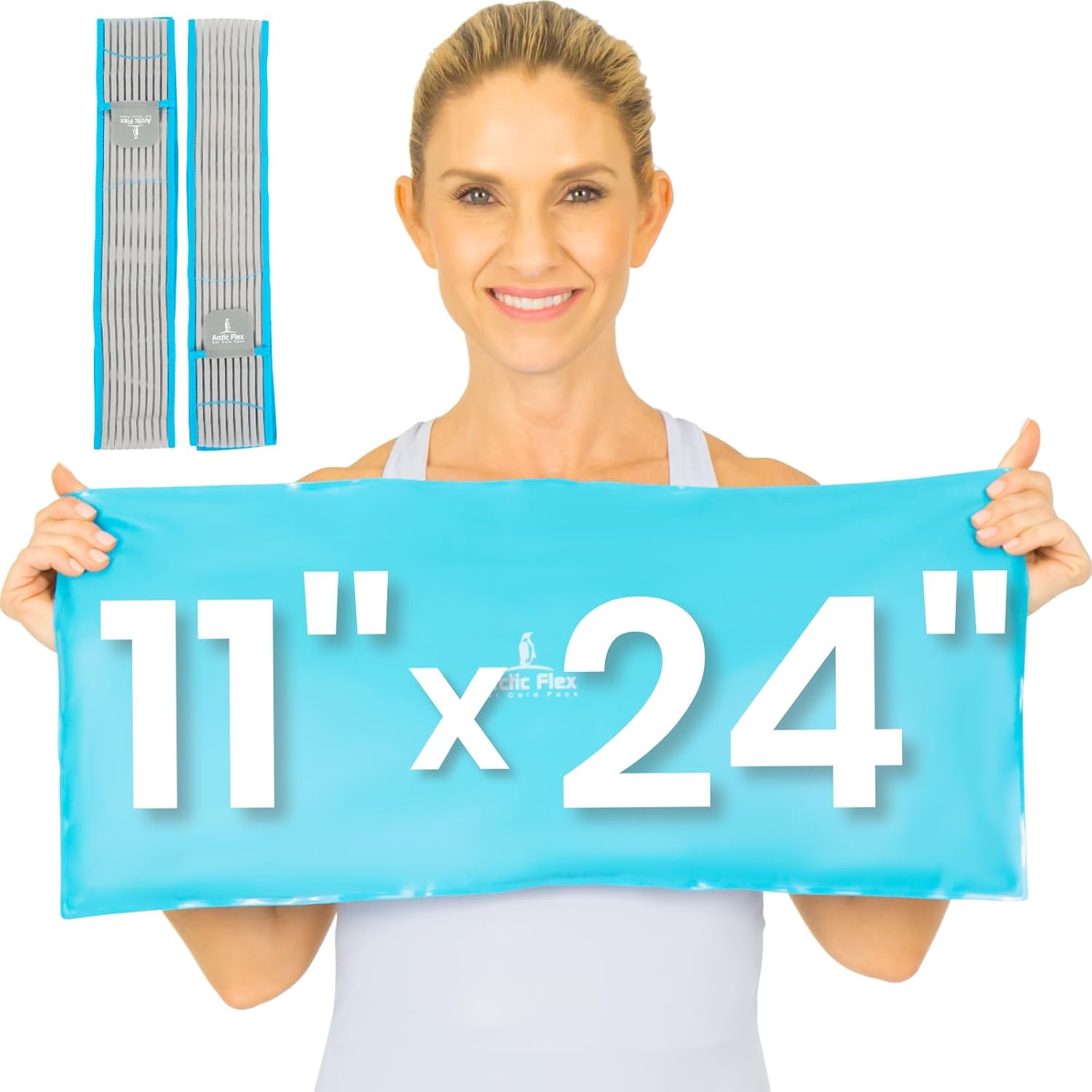 Arctic Flex Reusable Ice Pack with Comp… Arctic Flex Reusable Ice Pack with Comp… |
Best Overall | $39 | 9.2 | Buy → |
| 2 |  FlexiKold Gel Ice Pack with Straps FlexiKold Gel Ice Pack with Straps |
Also Excellent | $25 | 8.9 | Buy → |
| 3 | 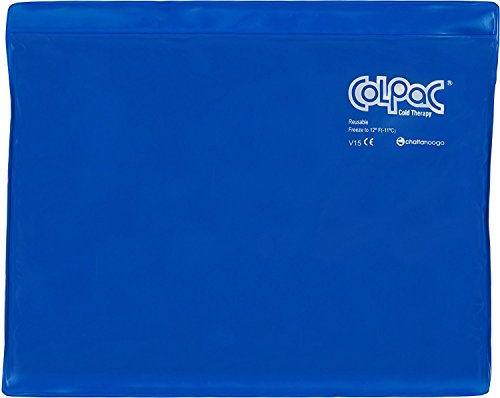 Chattanooga ColPac Reusable Cold Pack —… Chattanooga ColPac Reusable Cold Pack —… |
Budget Pick | $18 | 8.5 | Buy → |
| 4 |  FlexiKold Gel Ice Pack Large FlexiKold Gel Ice Pack Large |
Worth Considering | $23 | 8.2 | Buy → |
| 5 |  Mueller Reusable Ice Bag — 9 Inch Mueller Reusable Ice Bag — 9 Inch |
Best Budget | $19 | 7.8 | Buy → |
Showing 5 of 5 products
Arctic Flex Reusable Ice Pack with Compression Wrap
“The Arctic Flex is the best all-around reusable ice pack for injury recovery. Long cold retention, flexible when frozen, and the included compression wrap make it practical for knee, shoulder, and bac”
See Today’s Price →What we like
- Stays cold 2–3x longer than standard gel packs
- Flexible even when frozen — conforms to joints
- Includes compression wrap with straps
- Large 24x11 inch size covers knee, back, shoulder
- Non-toxic gel safe for skin contact
Watch out for
- Larger size may be excessive for small joint injuries
- Wrap straps are basic velcro
- Slower to refreeze than single-use chemical packs
Read Full Analysis
The Arctic Flex is the best home injury ice pack because it solves the three main problems with cheaper options: it stays flexible at freezer temperatures so it wraps around knees, shoulders, and ankles rather than sitting rigid against them; it maintains therapeutic cold for 2–3 hours rather than the 45–60 minutes typical of basic gel packs; and the included compression wrap with adjustable straps frees your hands during treatment. The 24x11 inch size is large enough for most joint injuries and the full lower back. Non-toxic gel is safe if the pack is ever punctured. Refreeze time is approximately 2 hours. For post-workout recovery or acute injury management, this covers all use cases in one product.

FlexiKold Gel Ice Pack with Straps
“FlexiKold with straps eliminates the strap-tape-wrap routine — built-in stretchable straps hold the pack against any joint for hands-free icing during recovery.”
See Today’s Price →What we like
- Built-in 24" stretch straps — truly hands-free icing
- Conforms to knee, shoulder, ankle, back
- Same proven FlexiKold gel core
- Eliminates need for separate ACE bandage or wrap
Watch out for
- Strap integration adds $8 over strap-free version
- Limited to one anatomical size
Read Full Analysis
The FlexiKold with straps adds neoprene compression straps directly integrated into the gel pack, creating a more purpose-built hands-free solution than packs that include separate wraps. The gel remains flexible when frozen, conforming to the knee, elbow, or shoulder without creating gaps. Cold retention is approximately 2 hours. The neoprene construction means the pack has some insulating properties on the outer surface, reducing the need for a cloth barrier on most users. At $35, it is the most expensive option in this comparison — justified by the build quality and integrated strap system.

Chattanooga ColPac Reusable Cold Pack — Standard
“Chattanooga ColPac is literally what physical therapy clinics use — the same pack clinicians apply to patients is available OTC for home use. Stays pliable at freezer temperatures and lasts for years ”
See Today’s Price →What we like
- Physical therapy clinic standard for 50+ years
- Stays flexible at freezer temperatures
- Durable vinyl pouch
- Large size covers broad areas
Watch out for
- Heavier than consumer gel packs
- No built-in strap — separate ACE bandage needed
- Plain blue color aesthetic
Read Full Analysis
The Chattanooga ColPac is the ice pack you receive at a physical therapy appointment. Its silica gel filling conforms well to body contours and is manufactured to consistent therapeutic cold temperatures. The standard 11x14 inch size covers most joint injuries. At $20, it is the most affordable gel pack in this comparison. The primary difference from consumer gel packs is manufacturing consistency and durability — clinic packs are used dozens of times per day and the Chattanooga is built for that workload. For home recovery, one ColPac typically lasts years. No compression wrap is included — pair with an ACE bandage or purchase separately. Cold retention approximately 1.5–2 hours.

FlexiKold Gel Ice Pack Large
“FlexiKold's large gel pack is the best for back and shoulder injuries — stays flexible when frozen, conforms to contours, covers large muscle groups in one pack.”
See Today’s Price →What we like
- Flexible even when frozen — conforms to body contours
- 10.5" x 14.5" covers large areas (back, shoulder, quad)
- Stays pliable at freezer temperatures
- Non-toxic gel safe around skin
Watch out for
- No built-in straps — need separate wrap for hands-free use
- Large format too big for small joints
Read Full Analysis
The FlexiKold Large is the right choice when standard-size packs do not cover the injury area: full lower back coverage, hamstring strains, quadriceps injuries, or hip recovery. At 14x21 inches, it is one of the largest flexible gel packs available. Remains pliable when frozen. Cold retention approximately 2 hours. No straps included — hold in place with an ACE bandage or have someone assist. At $27, it is between the Chattanooga and FlexiKold with straps in price. Choose this over the standard ColPac if your injury spans a larger area.

Mueller Reusable Ice Bag — 9 Inch
“Mueller Reusable Ice Bag is what every athletic trainer and physical therapist has used for decades — straightforward, effective, and under $10. Fill with ice, apply, done.”
See Today’s Price →What we like
- Fill with ice for maximum coldness
- Leak-proof screw top closure
- Built-in soft flap for skin barrier
- Physical therapist standard for 50+ years
Watch out for
- Requires ice — need a freezer and ice supply
- Melts within 15–20 minutes in warm climates
- Must be refilled each session
Read Full Analysis
The Mueller reusable ice bag is the budget solution when gel packs are not available or practical. Fill with ice cubes and water, seal the cap, wrap in a thin towel, and apply. The rubber construction is durable and withstands repeated filling and emptying. The 9-inch size is compact and fits easily in a gym bag or first aid kit. Cold retention depends entirely on the ice you put in — typically 30–60 minutes before the ice melts. At $9, it is the lowest-cost option in this comparison and the right pick for travel, sideline emergencies, or occasional use where a gel pack is overkill.
Frequently Asked Questions
How long should you ice an injury?
Should you use ice or heat for back pain?
How cold should an ice pack be?
What is the difference between gel packs and chemical cold packs?
Are ice packs safe to use every day?
How We Analyze Products
We analyze Amazon review data — often thousands of reviews per product — to surface patterns that individual buyers miss. Our process aggregates star ratings, review counts, and buyer sentiment at scale, identifying which strengths and weaknesses appear consistently across the largest review samples available. The 115,286+ reviews analyzed on this page represent real verified-purchase feedback from Amazon buyers.
Each product earned its placement through data: total review volume, average rating, and the specific praise and complaints that repeat most often across buyers. No manufacturer paid for placement on this page. Products appear here because buyers endorsed them at scale, not because a company asked us to feature them.
We use AI to summarize review sentiment — not to fabricate opinions, but to condense what thousands of buyers actually wrote into a readable format. The pros and cons you see reflect the most common themes found in verified purchaser reviews, paraphrased for clarity. We do not claim to have accessed Reddit, YouTube, or specific publications in generating these summaries.
Prices shown reflect Amazon pricing at the time this page was last generated. Click “See Today’s Price” to get the current live price on Amazon. Read our full methodology →