Best Plate Compactor 2026: Honda-Powered & Budget Options
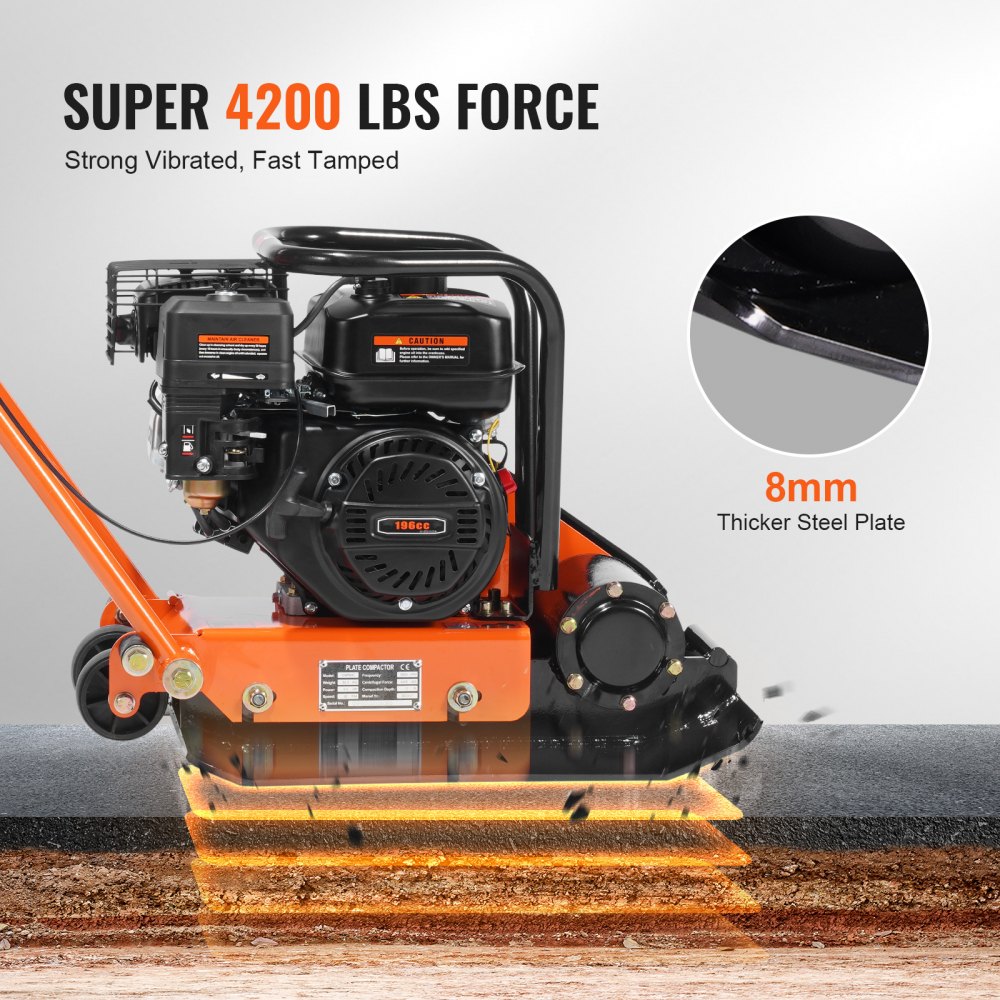
For professional daily use, the NorthStar Honda is worth the premium. For homeowners and occasional contractors, the VEVOR Honda-powered compactor at $599.99 delivers professional results at a savings.
See Today’s Price →At a Glance

Showing 2 of 2 products
VEVOR Plate Compactor 6.5 HP Gas Honda Engine
“Professional-grade plate compactor with Honda reliability — contractors use it for pavers, gravel, and subbase prep.”
See Today’s Price →What we like
- Honda GX160 engine (reliable, easy-start)
- 4,500 lb compaction force
- Folds for transport/storage
- Anti-vibration handle
- Large 19"×19" plate
Watch out for
- Heavy at 132 lbs
- Loud operation — hearing protection required
- Needs winterization for storage
Read Full Analysis
VEVOR's plate compactor pairs a Honda GX160 engine with a 19"×19" plate and 4,500 lb compaction force. The anti-vibration handle reduces fatigue during long sessions. At $599.99, it delivers contractor-grade results at a homeowner-friendly price.

NorthStar Honda GX160 Plate Compactor 2958 lb Force
“The contractor's choice when downtime isn't an option — Honda reliability plus serious compaction force.”
See Today’s Price →What we like
- Honda GX160 — most reliable engine available
- Nearly 3,000 lb compaction force
- Reversible direction lever
- Heavy-duty belt drive
- Anti-vibration handle
Watch out for
- Premium price
- Very heavy at 164 lbs
- Overkill for light residential paver work
Read Full Analysis
NorthStar's compactor generates 2,958 lb of force with belt-drive power transfer for smoother operation. The reversible direction lever, anti-vibration handle, and NorthStar 3-year warranty make it the professional's choice for daily use.
Plate Compactor Buying Guide
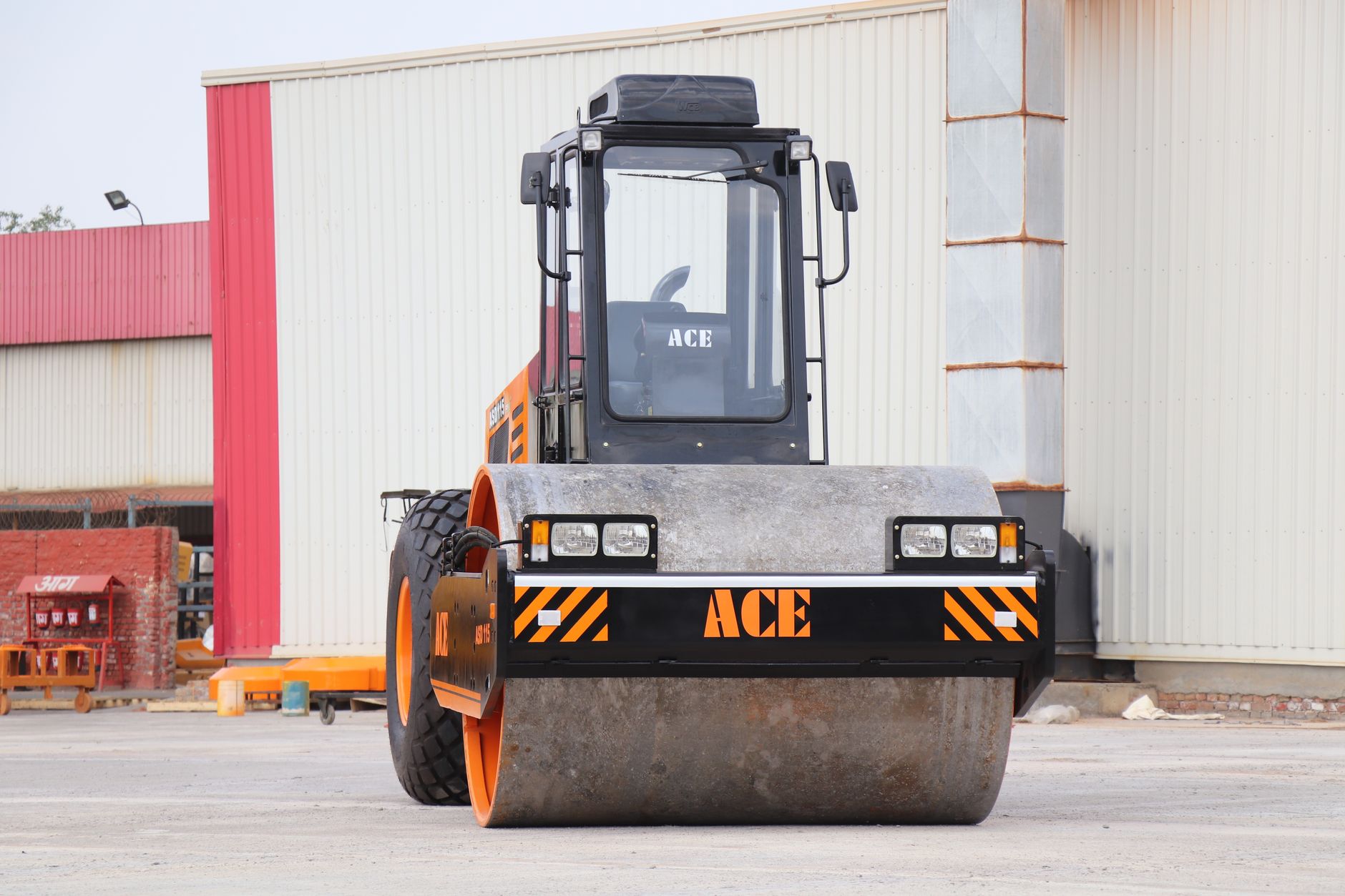 Photo by Action Construction Equipment Ltd. - ACE / Pexels
A plate compactor compresses soil, gravel, sand, and asphalt for paving projects. At $600–$1,400 for quality machines, understanding the specs prevents buying either too much or too little compactor for the job.
Compaction Force and Use Cases
Compaction force is measured in pounds (lbs) of impact force. 2,500–3,500 lbs: suitable for residential projects—patio base layers (4–6 inch lifts), walkways, pavers, interlocking brick, and landscape gravel. 3,500–6,000 lbs: commercial-grade, handles compacting fills for driveways, parking areas, and thicker asphalt lifts. For a homeowner doing a backyard patio or walkway project, a compactor in the 2,500–3,500 lb range is sufficient. Renting a commercial-grade machine is often more economical if you only need it for one large project.
Engine Size and Fuel
Honda GX series engines are the standard for reliable plate compactors—GX120 (4HP) for light-duty, GX160 (5.5HP) for standard residential use, GX200 (6.5HP) for heavier applications. Engine quality is more important than raw horsepower—a reliable 5HP engine outperforms an unreliable 7HP. Predator and Subaru-Robin engines are also well-regarded alternatives. Avoid machines with no-name engines at this price—compactors work hard and unreliable engines are a common failure point.
Plate Size
Plate width determines coverage per pass. Wider plates (20–22 inches) cover more ground but are heavier and harder to maneuver in tight spaces. Narrower plates (18–20 inches) are easier to control around corners and in confined spaces. For paver installation, confirm the plate doesn't damage the paver surface—a rubber pad attachment or poly pad protects pavers during compaction. Many compactors include a water tank to keep the plate moist during asphalt compaction (prevents sticking).
Weight and Transportation
Plate compactors weigh 130–250 lbs. At this weight, a truck or trailer with a ramp is required for transport. Built-in lifting hooks allow loading with a hoist. Folding handles reduce machine dimensions for storage and transport. If you plan to transport frequently, confirm the machine has proper lifting points and the handles fold to a manageable profile.
Vibration and Operator Safety
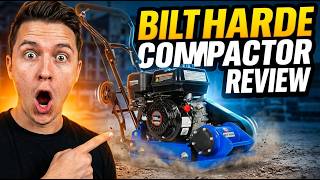
Anti-vibration handles reduce operator fatigue and long-term hand-arm vibration syndrome (HAVS) risk. Extended compactor operation without vibration isolation causes cumulative nerve and vascular damage in the hands. Quality machines include rubber-isolated handles as standard; cheaper machines transmit full vibration to the operator. Anti-vibration gloves provide additional protection. Limit continuous operation to 30-minute sessions when possible on extended projects.
Frequently Asked Questions
How many passes do I need with a plate compactor for paver base?
Can I use a plate compactor on sand?
Will a plate compactor work on clay soil?
What's the difference between forward-plate and reversible plate compactors?
How do I maintain a gas plate compactor?
How We Analyze Products
We analyze Amazon review data — often thousands of reviews per product — to surface patterns that individual buyers miss. Our process aggregates star ratings, review counts, and buyer sentiment at scale, identifying which strengths and weaknesses appear consistently across the largest review samples available. The 90+ reviews analyzed on this page represent real verified-purchase feedback from Amazon buyers.
Each product earned its placement through data: total review volume, average rating, and the specific praise and complaints that repeat most often across buyers. No manufacturer paid for placement on this page. Products appear here because buyers endorsed them at scale, not because a company asked us to feature them.
We use AI to summarize review sentiment — not to fabricate opinions, but to condense what thousands of buyers actually wrote into a readable format. The pros and cons you see reflect the most common themes found in verified purchaser reviews, paraphrased for clarity. We do not claim to have accessed Reddit, YouTube, or specific publications in generating these summaries.
Prices shown reflect Amazon pricing at the time this page was last generated. Click “See Today’s Price” to get the current live price on Amazon. Read our full methodology →