DEWALT vs Makita Reciprocating Saw: Best Recip Saws 2026
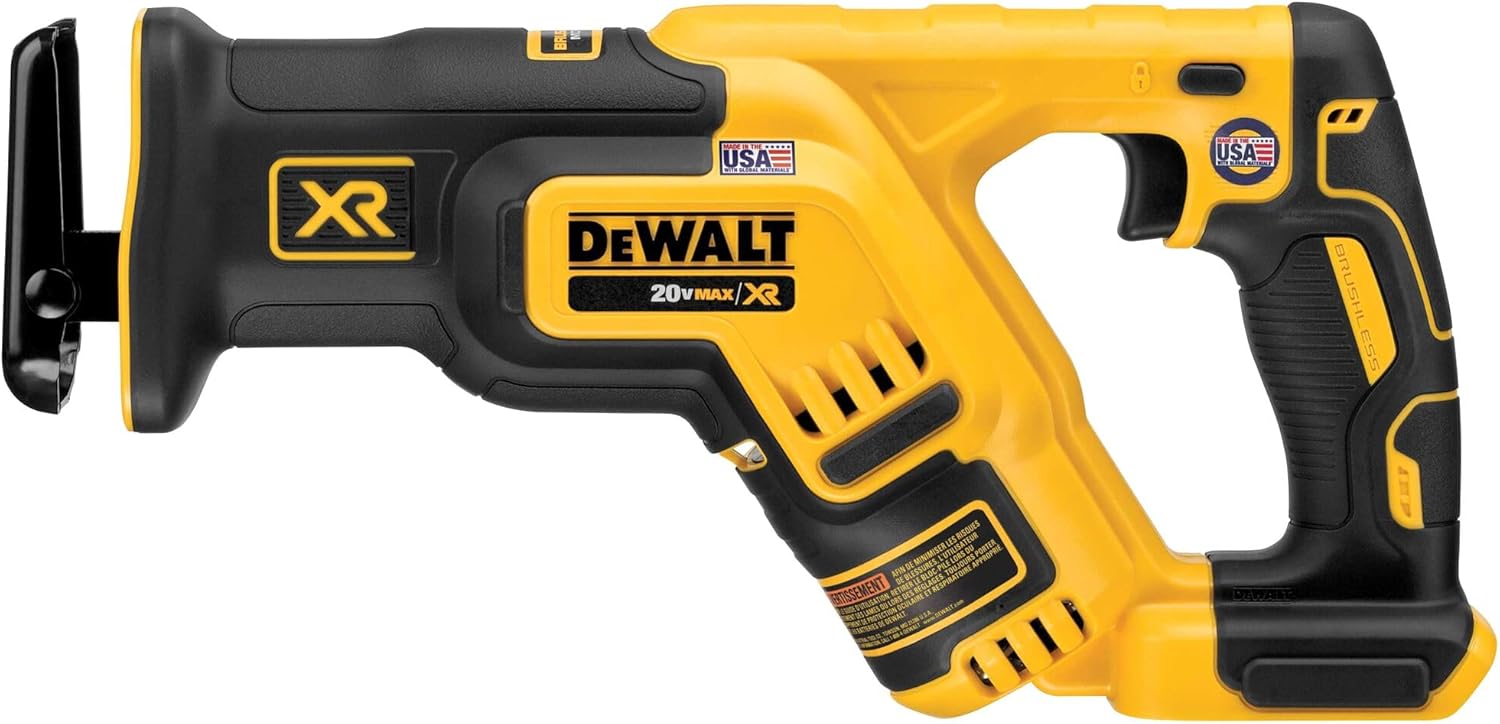
DEWALT DCS367B wins on power. Makita XRJ04Z wins on battery ecosystem value.
See Today’s Price →At a Glance
| # | Product | Award | Price | Our Score | |
|---|---|---|---|---|---|
| 1 |  DEWALT DCS367B 20V MAX XR Reciprocating… DEWALT DCS367B 20V MAX XR Reciprocating… |
Best Overall | $209 | 9.2 | Buy → |
| 2 |  Makita XRJ04Z 18V LXT Lithium-Ion Cordl… Makita XRJ04Z 18V LXT Lithium-Ion Cordl… |
Best Makita | $119 | 8.9 | Buy → |
| 3 |  DEWALT DCS380B 20V MAX Reciprocating Sa… DEWALT DCS380B 20V MAX Reciprocating Sa… |
Best Budget | $127 | 8.5 | Buy → |
| 4 | 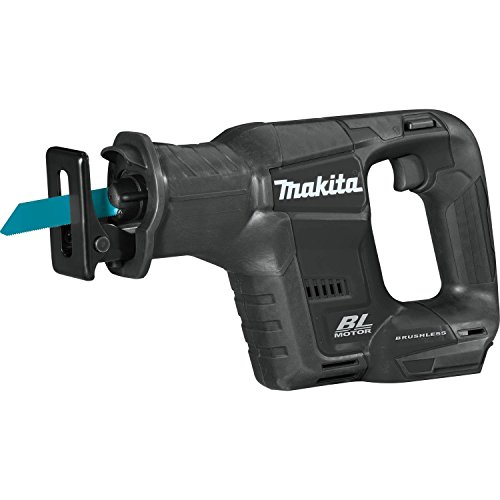 Makita XRJ07ZB 18V LXT Sub-Compact Brus… Makita XRJ07ZB 18V LXT Sub-Compact Brus… |
Compact Pick | $175 | 8.2 | Buy → |
Showing 4 of 4 products
DEWALT DCS367B 20V MAX XR Reciprocating Saw
“For users who need to cut quickly through multiple materials — wood, metal, PVC, drywall — the DEWALT DCS367B eliminates the effort of hand-sawing entirely. The compact head design reaches places a st”
See Today’s Price →What we like
- Compact design fits in tight spaces traditional saws can't reach
- Variable speed trigger for precise control
- Tool-free blade change in seconds
- Compatible with entire 20V MAX ecosystem
Watch out for
- Battery and charger sold separately (adds cost)
- Overkill for simple lumber cuts
- Heavier than a traditional handsaw
Read Full Analysis
The DEWALT DCS367B 20V MAX XR ($209.00) is the premium DeWalt reciprocating saw on this page and the most capable option in the comparison. The XR brushless motor delivers extended runtime and the compact design — shorter than traditional recip saws — fits into wall cavities, between joists, and behind pipes where full-size saws can't reach. This compact form factor is the primary differentiation from the budget DCS380B ($127.66) and the reason professionals pay the premium. Against the Makita XRJ04Z ($119.95) and XRJ07ZB ($175.42), the DCS367B costs more but benefits buyers already in the DeWalt 20V MAX ecosystem. Battery compatibility across an entire tool lineup is real value: one charger, one battery platform, interchangeable between circular saw, drill, and recip saw. The DCS367B's variable speed trigger enables precision control that the basic DCS380B's simpler trigger doesn't match. The honest limitation: at $209 tool-only, battery and charger add another $50–100 for users without DeWalt batteries. The XR brushless system is overkill for homeowners who occasionally cut tree branches or do infrequent demo work. The DCS380B at $127.66 covers those use cases adequately. The DCS367B earns its price for contractors and serious DIYers running it daily.

Makita XRJ04Z 18V LXT Lithium-Ion Cordless Recipro Saw, Tool Only, Blue
“Best for Makita LXT users who need a reciprocating saw — the brushless motor and quality build justify the bare-tool price when you already own the batteries.”
See Today’s Price →What we like
Watch out for
Read Full Analysis
The Makita XRJ04Z 18V LXT ($119.95) is the entry-level Makita reciprocating saw on this page — the right starting point for buyers in the Makita 18V LXT ecosystem who need a basic recip saw for occasional cutting tasks. The 18V LXT battery system is Makita's flagship platform with broad compatibility across over 100 tools, so buyers already invested in LXT get immediate value from battery reuse. Against the DEWALT DCS380B ($127.66) at a similar price, the choice reduces to ecosystem: DeWalt 20V MAX versus Makita 18V LXT. Performance is comparable at this tier — both are brushed-motor entry-level recip saws with similar SPM ratings. The decision should be made based on which battery platform you already own or which brand's broader lineup you're building toward. The honest limitation is the tool-only pricing: the XRJ04Z lists at $119.95 for the saw alone, and Makita 18V batteries and chargers add $50–100+ to the real cost for buyers starting fresh. The variable speed trigger requires learning to apply appropriate pressure for different materials — too aggressive and blades snap. Against the sub-compact XRJ07ZB ($175.42) on this page, the XRJ04Z is a full-size tool with more blade stroke travel, better for sustained cutting rather than tight-space access.

DEWALT DCS380B 20V MAX Reciprocating Saw (Tool Only)
“The most popular cordless recip saw on Amazon — reliable 3,000 SPM, 4-position blade clamp, and DEWALT 20V MAX compatibility at under $100.”
See Today’s Price →What we like
- Under $100 (tool only)
- 3,000 SPM for efficient cutting
- 4-position blade clamp for versatility
- 20V MAX ecosystem compatible
Watch out for
- Tool only — 20V MAX battery required
- Brushed motor (less efficient than FUEL)
- Less anti-vibration than Milwaukee
Read Full Analysis
The DEWALT DCS380B ($127.66) is the budget entry point of the DeWalt lineup on this page — a brushed-motor 20V MAX recip saw that covers the most common use cases at the lowest price in the comparison. The 3,000 SPM cutting speed is adequate for lumber, PVC, and light demolition. The 4-position blade clamp accepts standard blades in four orientations, useful when cutting in different directions or flush-cutting near surfaces. Against the DeWalt DCS367B ($209.00) on this page, the DCS380B costs $81 less by using a brushed motor instead of brushless. The practical difference: shorter battery runtime per charge and more heat generated during sustained use. For homeowners who use a recip saw occasionally — pruning trees, cutting old pipes, opening walls for a single remodel project — the brushed motor is perfectly adequate. Contractors running the saw for hours daily will notice the runtime gap. Against the Makita XRJ04Z ($119.95) at a similar price point, this is primarily an ecosystem decision. Both are competent entry-level recip saws. DeWalt's broader 20V MAX lineup is a slight advantage for buyers who also own DeWalt drills, circular saws, or grinders. The honest limitation: tool only, and the 20V MAX battery adds cost for buyers starting from scratch.

Makita XRJ07ZB 18V LXT Sub-Compact Brushless Reciprocating Saw (Tool Only)
“Sub-compact brushless with full 18V LXT battery compatibility — shorter body accesses tighter spaces than standard-length recip saws.”
See Today’s Price →What we like
- Sub-compact body for tight access
- Brushless motor efficiency
- 18V LXT ecosystem compatible
- Lightweight (3.7 lbs without battery)
Watch out for
- Tool only — LXT battery required
- Less aggressive cutting than full-size Milwaukee FUEL
- Sub-compact limits large blade use
Read Full Analysis
The Makita XRJ07ZB Sub-Compact Brushless ($175.42) occupies a unique niche in this comparison: at 3.7 lbs, it's the lightest and most compact reciprocating saw on the page, designed specifically for tight-access cuts where a standard recip saw won't fit. HVAC runs, bathroom renovations, cutting in between studs — the sub-compact body gets into places the DeWalt DCS367B ($209.00) and DCS380B ($127.66) cannot reach despite their overall quality advantage. Against the Makita XRJ04Z ($119.95), the XRJ07ZB costs $55 more and delivers a brushless motor for better battery efficiency and a sub-compact form factor for tight-space work. If your cutting primarily happens in open areas, save the $55. If you're regularly cutting in confined spaces — wall openings, under sinks, in ceiling joists — the sub-compact design is worth the premium. The honest limitation is blade stroke: the sub-compact design restricts blade travel compared to full-size recip saws, making it slower on thick lumber and less efficient for sustained demolition work. The XRJ07ZB is a specialist tool for access-limited cutting, not a replacement for a full-size saw in general demolition. Like all Makita LXT tools, batteries and charger are sold separately — budget accordingly.
DEWALT vs Makita Reciprocating Saw Buying Guide
Great for: Demolition work, cutting through walls or pipes, and rough cuts where precision doesn't matter
Not ideal if: You want clean finished cuts in woodworking — a jigsaw or circular saw produces far better results
using demolition blades for finish cuts (bi-metal fine-tooth blades are needed for clean cuts in PVC, CPVC, and finished lumber), choosing the fastest SPM setting for all materials (slower settings prevent overheating on metal and allow more controlled plunge cuts in drywall), and ignoring anti-vibration handles for extended overhead use (standard handles transmit blade vibration to hands and wrists — anti-vibe versions are meaningfully more comfortable for 30+ minute cuts). DEWALT DCS367B 20V XR ($209) is the premium compact version; Makita XRJ04Z 18V ($119.95) is the best bare-tool value.
Budget ($80–$130): Makita XRJ04Z ($119.95) and DEWALT DCS380B ($99) — both reliable reciprocating saws for renovation and demo work. The DEWALT DCS380B is the better budget choice as a bare tool. Mid-range ($130–$220): DEWALT DCS367B ($209) with brushless motor for extended runtime and compact one-handed operation. Makita XRJ07ZB sub-compact ($170.60) for tight-clearance work between joists and studs. Premium ($220–$400): MILWAUKEE M18 FUEL Sawzall and DEWALT FLEXVOLT — brushless motors with 0–3200 SPM and orbital cutting action for maximum demolition productivity. Not sure whether you need a drill, an impact driver, or a hammer drill for your project? Our drill vs. impact driver guide breaks down every driver type so you buy the right tool the first time.
Quick Decision: If budget is the priority, go with the Makita XRJ04Z 18V LXT Lithium-Ion Cordless Recipro Saw, Tool Only, Blue; if you want the best overall, choose the DEWALT DCS367B 20V MAX XR Reciprocating Saw; if you need best budget, the DEWALT DCS380B 20V MAX Reciprocating Saw (Tool Only) is your pick.
Watch Before You Buy


Frequently Asked Questions
What stroke length do I need?
Can I use DEWALT batteries in Makita tools?
Which is better for plumbing and electrical work?
Do I need corded or cordless?
Which brand has the best reciprocating saw?
Are Makita reciprocating saws any good?
How We Analyze Products
We analyze Amazon review data — often thousands of reviews per product — to surface patterns that individual buyers miss. Our process aggregates star ratings, review counts, and buyer sentiment at scale, identifying which strengths and weaknesses appear consistently across the largest review samples available. The 26,071+ reviews analyzed on this page represent real verified-purchase feedback from Amazon buyers.
Each product earned its placement through data: total review volume, average rating, and the specific praise and complaints that repeat most often across buyers. No manufacturer paid for placement on this page. Products appear here because buyers endorsed them at scale, not because a company asked us to feature them.
We use AI to summarize review sentiment — not to fabricate opinions, but to condense what thousands of buyers actually wrote into a readable format. The pros and cons you see reflect the most common themes found in verified purchaser reviews, paraphrased for clarity. We do not claim to have accessed Reddit, YouTube, or specific publications in generating these summaries.
Prices shown reflect Amazon pricing at the time this page was last generated. Click “See Today’s Price” to get the current live price on Amazon. Read our full methodology →