Best Toddler Balance Bikes 2026: Wood, Metal & Adjustable
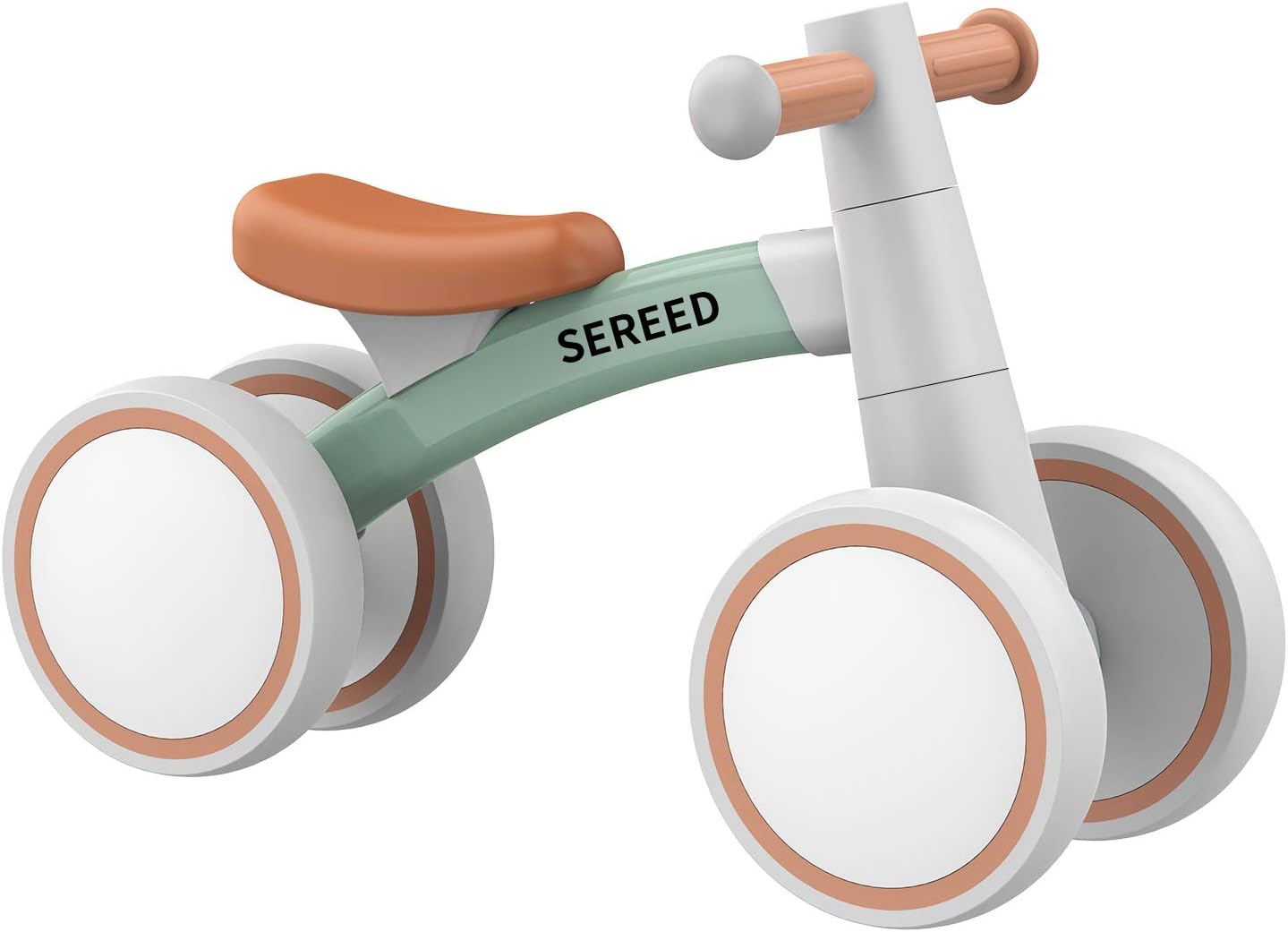
For children 12–24 months, start with the SEREED 4-Wheel Balance Bike ($29) — the extra wheels provide stability at this age. For toddlers 2 and up, the SEREED 2-Wheel Balance Bike ($44) is the best path to eventually riding a pedal bike without training wheels.
What You Need to Know
 Photo by Ivan S / Pexels
Best Toddler Balance Bikes and Scooters 2026: A Parent's Buying Guide
Balance bikes have largely replaced training wheels as the recommended first bike for toddlers, and for good reason: they teach children authentic balance and steering rather than relying on lateral support that disappears when you remove the training wheels. But the category includes more than just traditional two-wheel balance bikes — four-wheel babies bikes, kick scooters, and hybrid designs each serve different age ranges and developmental stages.
Age and Development: Matching the Product to the Child
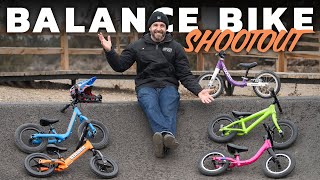
The biggest factor in choosing a first ride-on toy is developmental readiness, not the child's birthday:
- 12–18 months: Most children are just learning to walk steadily. Four-wheel baby bikes or large sit-and-ride toys provide just enough stability to engage without frustrating. Look for: four wheels, very low seat height (under 10 inches), lightweight frame (under 4 lbs), no steering mechanism to overwhelm.
- 18 months–2 years: Walking is stable, running is starting. Three-wheel scooters or four-wheel balance bikes work well. The child is developing balance rapidly but still benefits from extra lateral support.
- 2–3 years: This is the classic entry age for two-wheel balance bikes. Most 2-year-olds have enough walking and running balance to manage a two-wheel no-pedal bike with guidance. Tool-free seat adjustment is important — they grow fast at this age.
- 3–5 years: Balance bikes remain useful. Children who've been on balance bikes since age 2 often transition to pedal bikes without training wheels by age 3–4, which is earlier than the training wheel average.
Balance Bikes vs. Training Wheels: Why Balance Bikes Win
Training wheels keep the bike upright through external support. When they're removed, the child has to learn balance from scratch — which is why so many kids struggle painfully with training wheel removal. Balance bikes teach balance from the very beginning:
- Child propels with feet, learning to lift their feet and coast when moving fast enough
- Natural instinct develops: lean into turns, shift weight to maintain equilibrium
- When they transition to a pedal bike, balance is already internalized — they only have to learn pedaling
Multiple pediatric developmental studies support balance bikes over training wheels for faster, more confident bike transitions. Major cycling advocacy organizations (including PeopleForBikes) recommend balance bikes as the standard first bike.
Key Features to Evaluate
Seat height range: The most important spec. The child should be able to place both feet flat on the ground when seated — not tippy-toed. As they progress, they'll lift their feet to coast, but they need flat-footed contact early on. Measure your child's inseam and find a bike where the minimum seat height is at or below that measurement.
Weight: Toddlers are not strong. A heavy balance bike is frustrating and hard for young children to maneuver, especially when carrying it up stairs or loading in a car. Under 5 lbs is ideal for the youngest riders; under 8 lbs is acceptable for 3-year-olds.

Tires — foam vs. inflatable: Foam EVA tires never need inflation and are maintenance-free. Inflatable (pneumatic) tires offer better grip on rough surfaces and a smoother ride. For young toddlers on smooth surfaces, foam is fine and eliminates flat-tire hassle. For older kids riding on gravel paths or uneven ground, pneumatic tires are worth the maintenance.
Handlebar design: Look for a T-bar with padded grips. Avoid handlebars that lock at a single height — adjustability matters as the child grows. The handlebar should be at roughly chest height when the child is seated, allowing slightly bent elbows.
No footrests vs. footrests: Some balance bikes include footrests so children can lift their feet and coast without dangling them. A nice feature for kids who've progressed past the initial stages but not strictly necessary.

What to Look For: Budget vs. Premium
Budget ($25–45): Foam tires, plastic or basic steel frame, fewer adjustment points. Fine for a first bike that a young toddler will use for 12–18 months before outgrowing it. The SEREED models in this lineup are good examples: functional, appropriately sized, and inexpensive enough that outgrowing them doesn't sting.
Mid-range ($60–100): Better quality materials, pneumatic tires, wider adjustment range. Worth it if you expect the child to use the bike for 2–3 years or if you plan to pass it down to a younger sibling. Brands like Strider and Woom dominate this tier.
Premium ($120+): Brands like Specialized Hotrock or Guardian. Lightweight aluminum frames, quality pneumatic tires, extended adjustment ranges. Primarily worth it for older children (4+) who are ready for more technical riding or for families who will pass the bike through multiple children.
Safety Basics for Young Riders
- Helmet always: Even at low speeds on a balance bike, a helmet is mandatory. At ages 1–5, the skull is still developing. Falls are inevitable — and expected. A properly fitted helmet (CPSC-certified) should be non-negotiable.
- Start on flat, smooth surfaces: Carpet, smooth pavement, or a path without slope. Toddlers on balance bikes have no braking mechanism — a downhill slope they can't control is dangerous. Introduce gentle slopes only when the child can intentionally lift their feet and coast.
- Knee and elbow pads for beginners: Not required but helpful for hesitant riders. Reduces the sting of falls and can make some children more willing to try.
- Supervise always: Balance bikes can reach surprising speeds on a slight downhill. Stay close for the first weeks and never leave a toddler on a balance bike near traffic, stairs, or slopes without direct supervision.
Frequently Asked Questions
Related Guides
Showing 3 of 3 products
SEREED Baby Balance Bike 4 Wheels for 12-24 Month Toddlers
“The 4-wheel design is the right starter for 12-18 month-olds who aren't quite ready for a 2-wheel balance bike.”
See Today’s Price →What we like
Watch out for
Read Full Analysis
The SEREED Baby Balance Bike with 4 Wheels is designed for the very youngest riders — babies as young as 12 months who are just starting to walk steadily. The four-wheel design adds enough lateral stability that babies can sit and scoot without tipping, which reduces frustration at an age when balance is still developing. The seat and handlebar both adjust without tools to grow with the child. At $29, it's an accessible entry point into early bike riding. By the time a child outgrows it (usually around age 2–2.5), they'll have developed enough balance and coordination to transition to a standard two-wheel balance bike. Lightweight enough (about 3.5 lbs) that parents can easily carry it when the toddler is done.
Gotrax KS1 Kids 3-Wheel Kick Scooter LED Wheels Adjustable Ages 2-8
“The 3-wheel Gotrax is the safe, fun starter scooter that grows with kids across their preschool years.”
See Today’s Price →What we like
Watch out for
Read Full Analysis
The Gotrax KS1 3-Wheel Kick Scooter bridges the gap between ride-on toys and bikes. Three wheels provide stability for younger riders (ages 2–3) while teaching the balance and coordination they'll need for a two-wheeler later. As kids grow and gain confidence, the scooter remains useful — the handlebar adjusts from about 26 to 33 inches, covering ages 2 through 8. The LED light-up wheels are powered by motion — no batteries needed — and they're a genuine engagement tool for kids who resist riding. The rear foot brake teaches proper stopping mechanics early. At $34, it also gives the longest useful lifespan of any product in this lineup, crossing multiple childhood stages without being outgrown quickly.
SEREED Toddler Balance Bike No Pedal for Ages 2-5 Tool-Free Adjust
“A proper 2-wheel balance bike that sets toddlers up for pedal bike success years earlier than training wheels.”
See Today’s Price →What we like
Watch out for
Read Full Analysis
The SEREED Toddler Balance Bike (No Pedal) is the traditional approach to teaching bike riding — two wheels, no pedals, child propels with feet. This method is well-documented to produce better outcomes than training wheels: children learn authentic balance and steering rather than relying on the training wheels as a crutch. The seat adjusts tool-free from about 12 to 17 inches, spanning roughly ages 2–5. The EVA foam tires never need inflation (no flats) and are lightweight. The handlebar grips are soft and padded for little hands. At $44 it's more expensive than the 4-wheel baby version, but appropriate for older toddlers (2+) who have already developed basic walking coordination. Most kids who start on a balance bike like this transition to a pedal bike without training wheels at age 3–4.
Frequently Asked Questions
What age should a child start on a balance bike?
Do balance bikes really work better than training wheels?
What size balance bike does my toddler need?
How long will my child use a balance bike before needing a pedal bike?
Is a kick scooter a good alternative to a balance bike?
How We Analyze Products
We analyze Amazon review data — often thousands of reviews per product — to surface patterns that individual buyers miss. Our process aggregates star ratings, review counts, and buyer sentiment at scale, identifying which strengths and weaknesses appear consistently across the largest review samples available.
Each product earned its placement through data: total review volume, average rating, and the specific praise and complaints that repeat most often across buyers. No manufacturer paid for placement on this page. Products appear here because buyers endorsed them at scale, not because a company asked us to feature them.
We use AI to summarize review sentiment — not to fabricate opinions, but to condense what thousands of buyers actually wrote into a readable format. The pros and cons you see reflect the most common themes found in verified purchaser reviews, paraphrased for clarity. We do not claim to have accessed Reddit, YouTube, or specific publications in generating these summaries.
Prices shown reflect Amazon pricing at the time this page was last generated. Click “See Today’s Price” to get the current live price on Amazon. Read our full methodology →