Best Aquaponics Kit for Beginners (2026)

The Fin to Flower Mini System A ($60) is our top pick — compact countertop design, crystal clear with a natural waterfall feature, and a proven nitrogen cycle that supports herbs, leafy greens, and small fish simultaneously. The Eden Mini Garden ($70) is the most complete option with a 20-gallon tank for more fish and larger plant capacity. The Fin to Flower Midsize ($90) scales up for those who want a genuine herb-production system.
See Today’s Price →At a Glance


Showing 3 of 3 products
Fin to Flower Mini Aquaponics System
“Fin to Flower mini aquaponics at $60 combines a fish tank with a grow bed for herbs or lettuce — the most practical countertop intro to aquaponics for anyone who wants to grow food and keep fish simul”
See Today’s Price →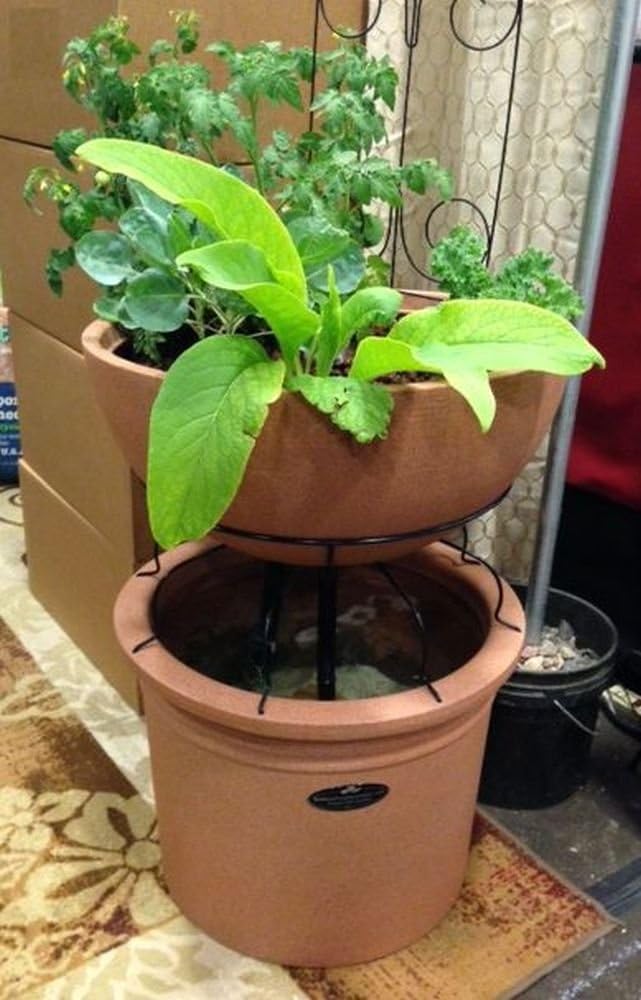
Eden Mini Garden Aquaponics 20 Gallon
“Eden 20-gallon aquaponics system is the right size for growing a meaningful crop of greens alongside fish — larger than countertop kits and appropriate for a balcony or spare room with adequate light.”
See Today’s Price →
Fin to Flower Midsize Aquaponics System
“A self-sustaining indoor aquaponics system that grows herbs and greens year-round using fish waste as fertilizer. Rewarding for gardeners who want a living ecosystem — requires genuine commitment to f”
See Today’s Price →Aquaponics Kit for Beginners (2026) Buying Guide
 Photo by Monamie Chakravarti / Pexels
Fin to Flower Mini Aquaponics System is our top pick for beginner aquaponics kits — its self-contained design and simple setup let complete beginners grow herbs and keep fish in one compact countertop unit. For budget shoppers, Eden Mini Garden Aquaponics 20 Gallon offers a 20-gallon tank for those who want more growing space and fish capacity.
Aquaponics combines aquaculture (raising fish) with hydroponics (growing plants in water) in a symbiotic system: fish produce waste that bacteria convert to plant nutrients, plants absorb those nutrients and clean the water for the fish. It's a self-sustaining mini-ecosystem that requires minimal inputs once established. How the nitrogen cycle works: fish produce ammonia (from respiration and waste). Beneficial bacteria (Nitrosomonas and Nitrobacter) colonize the grow media and convert ammonia to nitrites, then to nitrates. Plants absorb nitrates as fertilizer. The cleaned water returns to the fish tank. This cycle takes 4-6 weeks to fully establish in a new system (the "cycling" period). Countertop vs full aquaponics systems: desktop aquaponics (Fin to Flower, Eden) are ornamental and educational — they produce some herbs but are primarily conversation pieces and learning tools. Full backyard aquaponics systems (IBC tote systems, 300+ gallons) produce substantial food. For beginners interested in learning the biology before committing to a large system, a desktop kit is the ideal starting point. Fish selection for beginners: goldfish are the most forgiving fish for desktop aquaponics — they tolerate a wide range of water conditions (55-72°F), are available everywhere, and are inexpensive to replace if the cycle period is rough on fish. Bettas (one per tank, aggressive) work well in small tanks. Tilapia (for full-size systems) are the industry standard for food production. Never start with sensitive fish like koi or fancy goldfish varieties. Plants that grow best in desktop aquaponics: leafy greens and herbs with shallow root systems do best — lettuce, basil, mint, watercress, chives. Root vegetables and large fruiting plants (tomatoes, peppers) require full-size systems with deeper grow beds and higher fish density for sufficient nutrient load. Water testing: the essential investment is a basic test kit (API Freshwater Master Test Kit, $25) that measures ammonia, nitrite, nitrate, and pH. During the cycling period, check water parameters every 3-4 days. Ammonia and nitrite should drop to 0 and nitrate should rise, confirming the nitrogen cycle is established. Maintain pH between 6.8 and 7.2 for optimal plant nutrient uptake and fish health.
Watch Before You Buy

Frequently Asked Questions
What is aquaponics and how does it work?
What fish are best for beginner aquaponics?
What plants grow well in aquaponics systems?
How often do I need to maintain an aquaponics system?
How long does it take an aquaponics system to cycle?
How We Analyze Products
We analyze Amazon review data — often thousands of reviews per product — to surface patterns that individual buyers miss. Our process aggregates star ratings, review counts, and buyer sentiment at scale, identifying which strengths and weaknesses appear consistently across the largest review samples available.
Each product earned its placement through data: total review volume, average rating, and the specific praise and complaints that repeat most often across buyers. No manufacturer paid for placement on this page. Products appear here because buyers endorsed them at scale, not because a company asked us to feature them.
We use AI to summarize review sentiment — not to fabricate opinions, but to condense what thousands of buyers actually wrote into a readable format. The pros and cons you see reflect the most common themes found in verified purchaser reviews, paraphrased for clarity. We do not claim to have accessed Reddit, YouTube, or specific publications in generating these summaries.
Prices shown reflect Amazon pricing at the time this page was last generated. Click “See Today’s Price” to get the current live price on Amazon. Read our full methodology →