Best Fire Pit for Deck (2026)

The Solo Stove Bonfire ($225) is the best fire pit for decks — smokeless design with removable ash pan protects deck surfaces from heat damage.
See Today’s Price →At a Glance
| # | Product | Award | Price | Our Score | |
|---|---|---|---|---|---|
| 1 |  Solo Stove Bonfire 19.5 Inch Smokeless … Solo Stove Bonfire 19.5 Inch Smokeless … |
Best Overall | $224 | 9.3 | Buy → |
| 2 |  Solo Stove Bonfire with Stand 19.5 Inch… Solo Stove Bonfire with Stand 19.5 Inch… |
Best with Stand | $269 | 9.0 | Buy → |
| 3 | 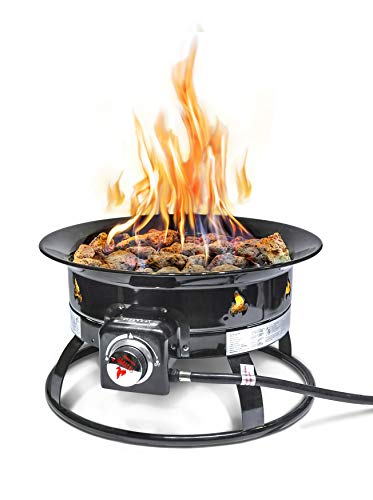 Outland Living Portable Propane Fire Pi… Outland Living Portable Propane Fire Pi… |
Best Propane | $159 | 8.7 | Buy → |
| 4 | 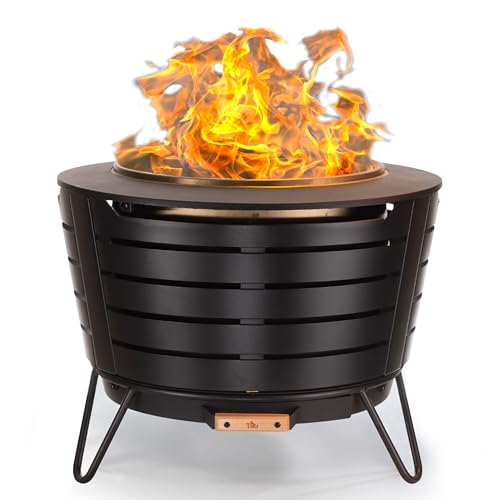 TIKI Patio Smokeless Outdoor Fire Pit 2… TIKI Patio Smokeless Outdoor Fire Pit 2… |
Best Tabletop | $395 | 8.4 | Buy → |
Showing 4 of 4 products
Solo Stove Bonfire 19.5 Inch Smokeless Fire Pit with Removable Ash Pan

Solo Stove Bonfire with Stand 19.5 Inch Smokeless Fire Pit Removable Ash Pan
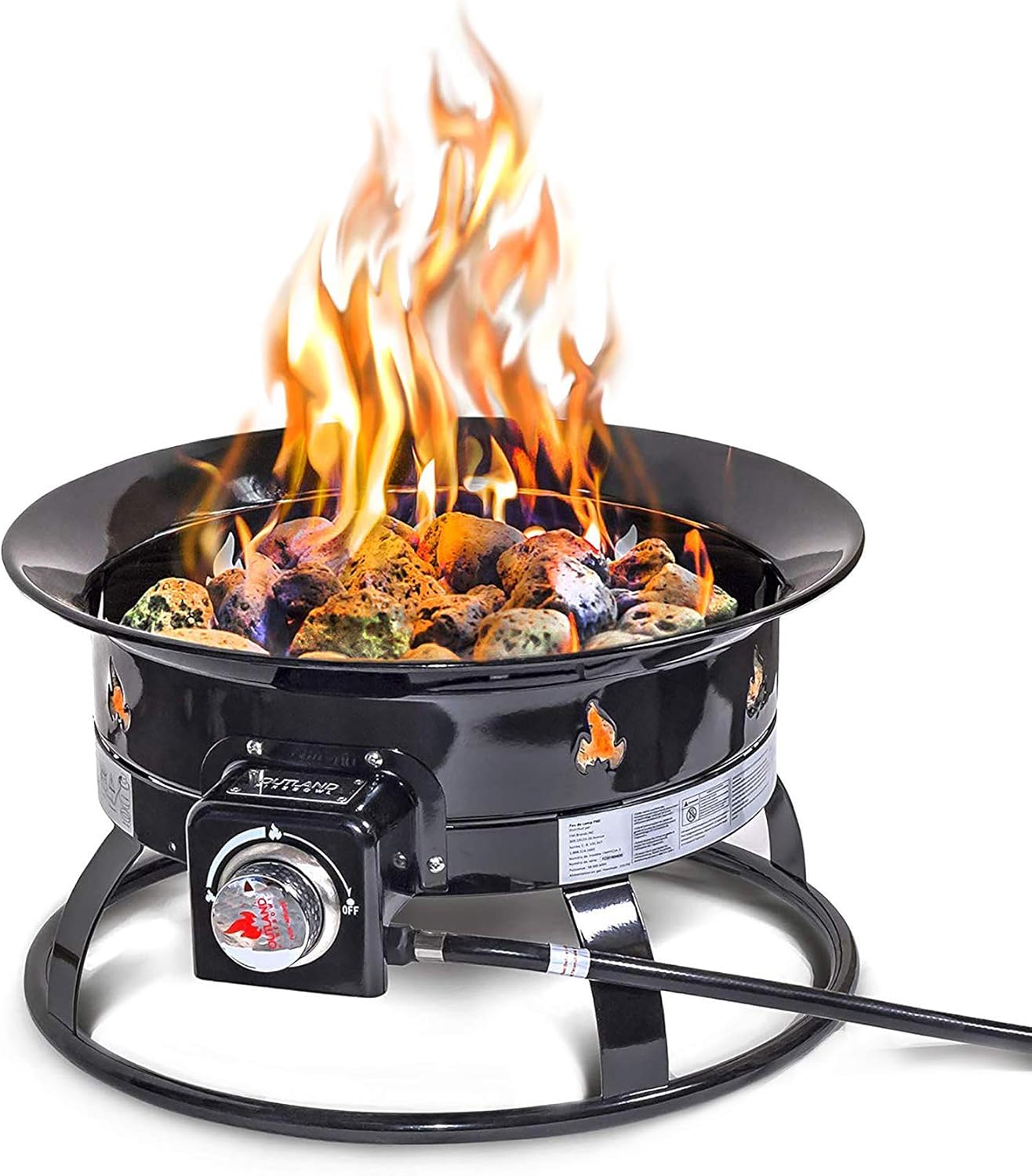
Outland Living Portable Propane Fire Pit 19-inch 58000 BTU Black 893 Deluxe

TIKI Patio Smokeless Outdoor Fire Pit 25-Inch Wood-Burning with Stand and Cover
Fire Pit for Deck (2026) Buying Guide
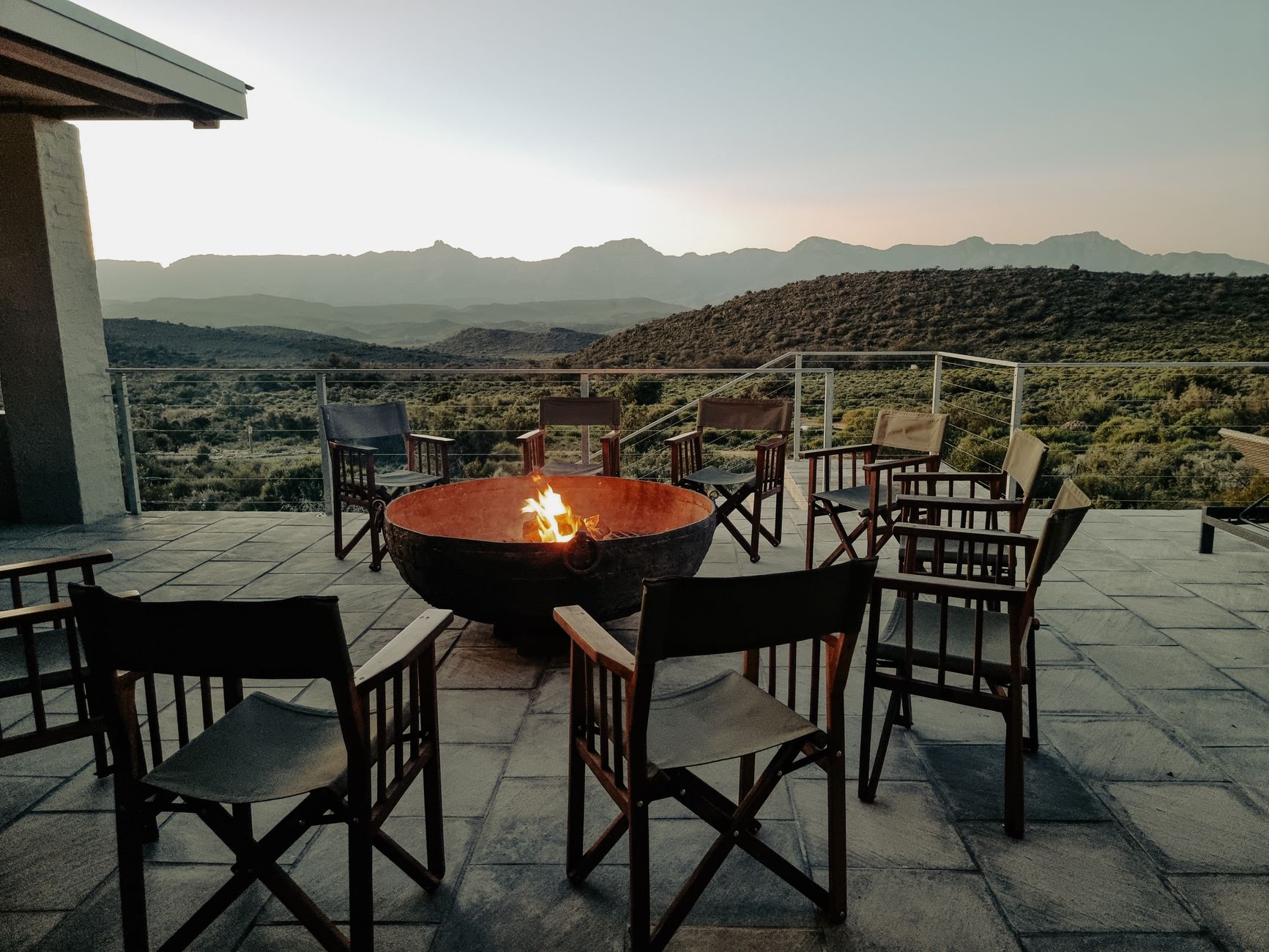 Photo by Francois Van Staden / Pexels
How to Choose a Fire Pit for a Deck
Using a fire pit on a wooden deck requires significantly more care than using one on a patio or grass. Most deck materials — composite, cedar, pine, pressure-treated lumber — are combustible, and a traditional wood-burning fire pit sitting directly on decking is a fire risk and may void your homeowner's insurance. The safest options for deck use are propane fire pits, which produce no embers or sparks, or smokeless fire pits elevated on stands that keep the heat source away from the decking surface. Deck fire pits should always sit on a fire-resistant mat rated for outdoor use, and you should verify local fire codes — many municipalities prohibit open-flame wood burning within a certain distance of structures.
Key Features to Look For
- Smokeless design: Solo Stove's double-wall combustion system ($224.99 for the Bonfire) burns wood so efficiently that it produces dramatically less smoke than a standard fire pit — a critical feature on a deck where smoke drifts directly into the house and on guests. The TIKI Patio Fire Pit ($395.00) uses a similar secondary combustion system.
- Stand height: The Solo Stove Bonfire with Stand ($269.99) elevates the fire pit 6 inches off the deck surface, reducing radiant heat transfer to the decking significantly. The stand is worth the $45 premium for deck use specifically.
- Propane for zero-risk burning: The Outland Living Propane Fire Pit at $159.99 produces no embers, no sparks, and no smoke — the safest possible option for wooden or composite decks. The 58,000 BTU output provides real warmth in a portable, CSA-certified unit.
- Removable ash pan: Both Solo Stove Bonfire models include a removable ash pan for clean ash disposal without tipping the fire pit — important on a deck where spilling ash creates a mess and staining risk.
Price vs. Performance
For deck use, the Outland Living Propane Fire Pit at $159.99 is the most responsible recommendation — no embers, no sparks, CSA-certified, and the most deck-safe fire pit in this group. The Solo Stove Bonfire with Stand at $269.99 is the best smokeless wood-burning option if you want the authentic wood fire experience with the stand elevating heat away from the deck surface. The base Bonfire at $224.99 is $45 less but requires an additional stand or fire-resistant pad for deck use. The TIKI Patio Fire Pit at $395.00 is the most premium option with the widest 25-inch diameter for maximum visible flame.
Our Recommendation
For deck safety, start with the Outland Living Propane Fire Pit at $159.99 — it is the only fire pit in this group that completely eliminates ember and spark risk, which is the primary hazard on a wood or composite deck. If you prefer wood fire, the Solo Stove Bonfire with Stand at $269.99 is the deck-appropriate configuration — always pair it with a fire-resistant deck mat and check local ordinances regarding wood burning before your first use.
Related Guides
Frequently Asked Questions
Is it safe to use a wood-burning fire pit on a deck?
What does smokeless really mean for fire pits?
What fuel can I use in a Solo Stove Bonfire?
How do I clean a Solo Stove fire pit?
Can I cook food over a fire pit on a deck?
How We Analyze Products
We analyze Amazon review data — often thousands of reviews per product — to surface patterns that individual buyers miss. Our process aggregates star ratings, review counts, and buyer sentiment at scale, identifying which strengths and weaknesses appear consistently across the largest review samples available.
Each product earned its placement through data: total review volume, average rating, and the specific praise and complaints that repeat most often across buyers. No manufacturer paid for placement on this page. Products appear here because buyers endorsed them at scale, not because a company asked us to feature them.
We use AI to summarize review sentiment — not to fabricate opinions, but to condense what thousands of buyers actually wrote into a readable format. The pros and cons you see reflect the most common themes found in verified purchaser reviews, paraphrased for clarity. We do not claim to have accessed Reddit, YouTube, or specific publications in generating these summaries.
Prices shown reflect Amazon pricing at the time this page was last generated. Click “See Today’s Price” to get the current live price on Amazon. Read our full methodology →