Best Garden Soil Test Kits for 2026

The Luster Leaf Rapitest Soil Test Kit is the best garden soil test kit for 2026. Its 40-test design covers multiple beds or multiple seasons, and results appear in minutes without mailing a sample.
See Today’s Price →At a Glance
| # | Product | Award | Price |
|---|---|---|---|
| 1 | Rapitest Soil Test Kit Luster Leaf |
Best Overall | $17.33 as of Nov 16, 1:50 PM CT details Buy → |
| 2 |  Luster Leaf Products 1663 80 Prof… Luster Leaf |
Best for Heavy Use | $38.70 as of Nov 16, 1:55 PM CT details Buy → |
| 3 | Best Lab Accuracy | $34.95 as of Nov 16, 2:13 PM CT details Buy → |
Garden Soil Test Kits for Buying Guide
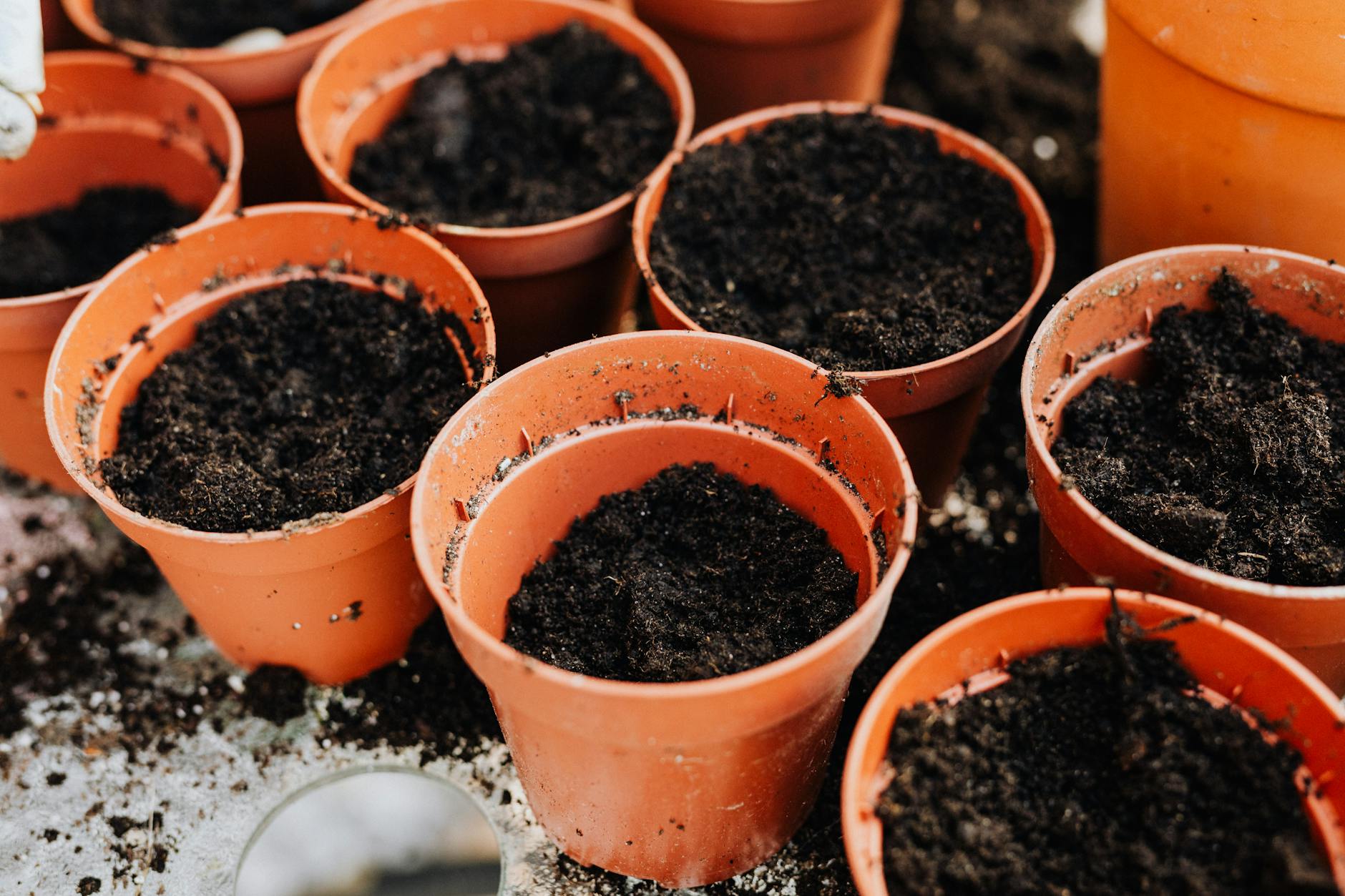 Photo by www.kaboompics.com / Pexels
Soil tests measure pH and nutrient levels to guide your fertilizer and amendment decisions. Most garden problems attributed to pest, disease, or watering issues are actually caused by pH and nutrient imbalances that prevent plants from absorbing what's already in the soil. A soil test costs $17–$32 and answers the question definitively — far less expensive than a season of fertilizer applications that don't address the actual deficiency.
At-Home Tests vs. Mail-In Lab Analysis
At-home soil test kits (the Luster Leaf Rapitest kits) use color-comparison chemistry. You mix a soil sample with reagent, match the resulting color to a printed chart, and read the approximate pH and NPK level within a range. Results come in minutes. Mail-in lab analysis (MySoil) sends a physical soil sample to a USDA-accredited laboratory. The lab runs quantitative tests and delivers a digital report with specific nutrient values and crop-specific amendment recommendations. Lab tests cost more and take 3–5 days, but produce precise data vs. the range estimates from color charts. For most home gardeners, the Luster Leaf Rapitest provides sufficient actionable information. For market farmers, serious orchards, or any situation where targeted precision matters, mail-in analysis is worth the premium and the wait.
What pH Tells You
Soil pH (the acid-to-alkaline scale from 0–14, with 7 being neutral) controls which nutrients are chemically available to plant roots, regardless of whether those nutrients are physically present in the soil. Most vegetables perform best in slightly acidic soil between pH 6.0 and 6.8. Blueberries prefer pH 4.5–5.5. Asparagus tolerates slightly alkaline soil up to pH 7.5. Adding fertilizer without addressing a pH out of range is wasted product — the nutrients can't be absorbed even when present. Lime raises pH (makes more alkaline), sulfur lowers pH (makes more acidic). Both amendments work slowly — 3–6 months to fully adjust soil pH.

NPK vs. Micronutrients
The Luster Leaf Rapitest measures the three primary macronutrients: nitrogen (N), phosphorus (P), and potassium (K). These are the numbers on fertilizer bags. The Professional 80-test kit adds some indicator tests for micronutrients. The MySoil mail-in test reports 13 nutrient levels including calcium, magnesium, iron, zinc, and boron — micronutrients that cause specific deficiency symptoms (yellowing patterns, tip burn) that NPK alone won't explain. If your plants show unusual symptoms despite adequate NPK, a mail-in test that covers micronutrients can identify the missing element.
When and How Often to Test
Test new garden beds before the first season of planting. For established beds, testing every 2–3 years is sufficient unless you're adding large quantities of amendments, using city water with high pH, or seeing persistent plant health problems. Test in fall to allow time to make pH adjustments before spring planting — lime and sulfur require months to change soil pH. Collect soil samples from multiple spots within each bed and mix them before testing for an average reading that represents the whole bed rather than one anomalous corner.
Watch Before You Buy


“Luster Leaf Rapitest: 40 tests for pH, N, P, K -- results in minutes, covers multiple beds for seasons.”
See Today’s Price →What we like
- 40 tests covering pH, nitrogen, phosphorus, and potassium — the most complete home kit
- Results in 1–2 minutes — immediate feedback without waiting for lab turnaround
- 14,200 verified reviews at 4.4 stars — by far the most-validated soil test kit available
Watch out for
- Color comparison method introduces human interpretation variability on borderline readings
- 40 tests go quickly if you test multiple beds — may need to buy more for large gardens
Read Full Analysis
The Luster Leaf Rapitest earns Best Overall on this soil test kit page by delivering the four measurements that define soil health for most home gardens — pH, nitrogen, phosphorus, and potassium — in 40 tests. That test count covers a full growing season of bed monitoring across a typical home garden without requiring a second purchase, which separates it from lower-count competitor kits that run out mid-season. Results in 1-2 minutes via color comparison avoids the lab turnaround wait that mail-in soil tests require, enabling same-day amendment decisions: test, identify deficiency, apply lime or fertilizer, move on. The color comparison method is the accuracy limitation — borderline readings between two color bands introduce human interpretation variability. For most home gardeners, directional data (low/adequate/high for each nutrient) is sufficient for practical amendment decisions even without laboratory precision. With 14,200+ verified reviews at 4.4 stars, the Luster Leaf Rapitest is the most real-world validated soil test kit available.
“Luster Leaf Professional 80-test kit -- more tests, more detailed nutrient indicators, for serious growers.”
See Today’s Price →What we like
- 80 tests (20 each for pH, N, P, K) — double the test count of the Rapitest 1601
- Professional volume allows testing multiple zones across a large garden or lawn
- Same proven Luster Leaf colorimetric method with consistent buyer validation
Watch out for
- More expensive per test than the Rapitest 1601 at comparable accuracy
- Same color comparison limitations as the Rapitest on borderline readings
Read Full Analysis
The Luster Leaf 1663 is the high-volume version of the Rapitest 1601: 80 tests (20 each for pH, nitrogen, phosphorus, and potassium) versus the 1601's 40. The math makes sense for large properties or serious growers testing multiple distinct zones — vegetable beds, lawn sections, container gardens — across a full growing season without running short. The colorimetric method is the same proven Luster Leaf chemistry used in the Rapitest; consistent buyer validation confirms reliable results for typical residential soil chemistry. The per-test cost works out higher than the 1601 when spread across all 80, and the color-comparison accuracy limitation on borderline pH readings applies equally to both kits. It returns value when the full test count will be used; for small single-zone gardens, the $17.09 Rapitest is more economical.

“MySoil USDA-accredited mail-in analysis: quantitative results for 13 nutrients with crop-specific recommendations.”
See Today’s Price →What we like
- Full laboratory analysis — 13 nutrients, pH, and organic matter percentage
- Personalized amendment recommendations based on actual test results
- Prepaid mailer included — no guesswork about how to send the sample
Watch out for
- 7–10 day turnaround — not useful when you need answers before planting next weekend
- $29.99 per sample — more expensive per test than home kits for simple pH/NPK checks
Read Full Analysis
MySoil's mail-in kit delivers laboratory-quality analysis that home colorimetric kits can't match: 13 individual nutrients, pH, and organic matter percentage from a single sample, with crop-specific amendment recommendations based on your actual results rather than a color comparison card. The prepaid mailer eliminates guesswork about sample prep and shipping — collect, seal, and drop in the mail. Two practical constraints define its use case: the 7-10 day turnaround means this is a planning tool, not a pre-weekend-planting solution; and at $31.99 per sample it costs more than the Luster Leaf home kits when only basic pH and NPK are needed. For serious vegetable gardeners, new lawn installations, or anyone chasing a persistent fertilization problem without clear answers, the laboratory precision is worth the cost and wait.
Frequently Asked Questions
What does a soil test actually tell me?
How do I collect a soil sample correctly?
My plants look yellow -- can a soil test diagnose this?
How long does it take to change soil pH?
Can I use a soil test kit for potted plants?
How We Chose These Products
We compare each product’s Amazon listing, the manufacturer’s published specifications and Amazon customer ratings, shown with their review counts as Amazon’s data, and rank the products on how well they answer this page’s question. We do not test products in hand and we do not run our own analysis of review text. A publication or expert is named only where we cite its published findings about that product. No manufacturer paid for placement on this page.
A price appears only when Amazon’s API supplied it at a recent daily refresh, with the date and time beside it, and is withdrawn at 4 AM Central on the day after it turns 24 hours old; otherwise use “Check price on Amazon” for the live price. Read our full methodology →