Best Grass Seed for Shade 2026: Fine Fescue & Rye Mix

Scotts Dense Shade Mix is the best grass seed for shade — survives on 3 hours of sun, tall fescue blend fills in dense, and covers 5,600 sq ft at $45.
See Today’s Price →At a Glance
| # | Product | Award | Price | Our Score | |
|---|---|---|---|---|---|
| 1 | 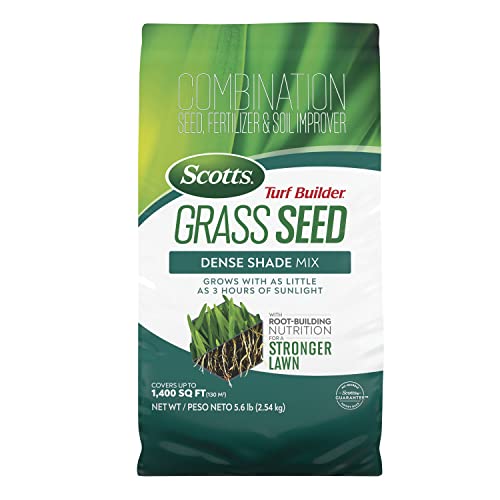 Scotts Turf Builder Grass Seed Dense Sh… Scotts Turf Builder Grass Seed Dense Sh… |
Best Overall | $44 | 9.2 | Buy → |
| 2 |  Jonathan Green Black Beauty Dense Shade… Jonathan Green Black Beauty Dense Shade… |
Best Premium | $44 | 8.9 | Buy → |
| 3 | 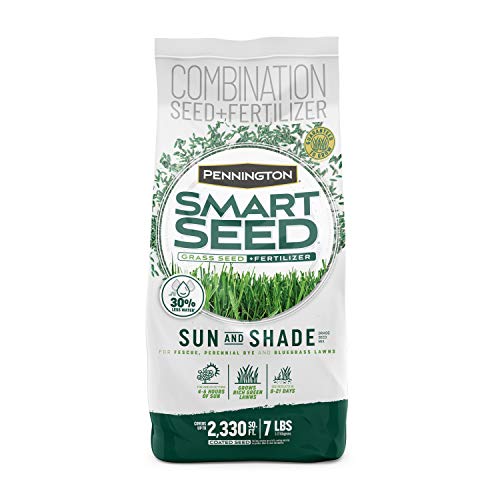 Pennington Smart Seed Sun and Shade Gra… Pennington Smart Seed Sun and Shade Gra… |
Best Value | $27 | 8.5 | Buy → |
| 4 | 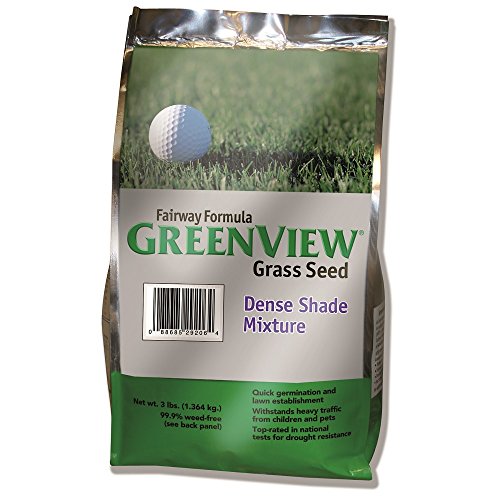 GreenView Fairway Formula Grass Seed De… GreenView Fairway Formula Grass Seed De… |
Best Budget | $15 | 8.2 | Buy → |
Showing 4 of 4 products
Scotts Turf Builder Grass Seed Dense Shade Mix 5.6 lbs
“The most effective grass seed for areas under trees and eaves that receive filtered light. Scotts Turf Builder coating speeds germination versus uncoated alternatives in difficult shade conditions.”
See Today’s Price →
Jonathan Green Black Beauty Dense Shade Grass Seed Cool Season 7 lb
“A high-germination shade grass seed blend for lawns under dense canopies and north-facing areas. Jonathan Green genetics are bred for northeastern cool-season conditions where shade grass struggles mo”
See Today’s Price →
Pennington Smart Seed Sun and Shade Grass Mix 7 lb
“A versatile sun-and-shade blend that covers open lawn and partially shaded spots in one purchase. Smart seed coating reduces watering frequency versus uncoated seed — practical for mixed-exposure lawn”
See Today’s Price →
GreenView Fairway Formula Grass Seed Dense Shade Mixture 3 lb
“A premium shade grass seed blend bred for performance under heavy tree canopy. GreenView fairway-grade genetics deliver better germination in difficult low-light conditions than standard retail mixes.”
See Today’s Price →Grass Seed for Shade Buying Guide
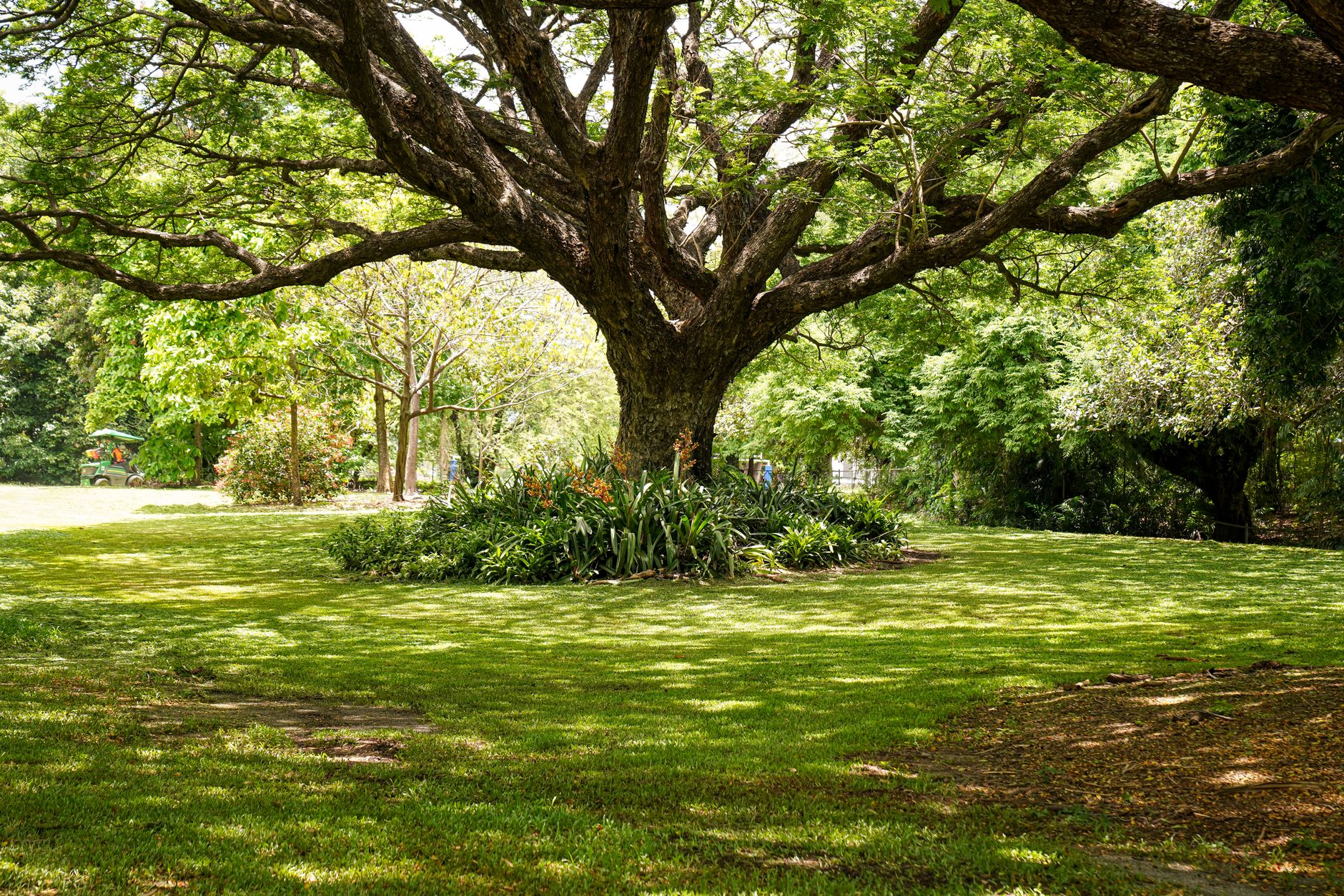 Photo by Eleanor Newport / Pexels
Why Shade Grass Seed Mixes Are Different
Standard grass seed mixes (Kentucky bluegrass, tall fescue) require 6-8 hours of direct sunlight per day. Shaded areas under trees, along fences, or on the north side of buildings receive 2-4 hours -- these grasses fail to establish and thin out over time. Shade mixes use fine fescue varieties (creeping red fescue, chewings fescue, hard fescue) that germinate and thrive with minimal sunlight. These varieties grow slower, require less mowing, and stay green with less water -- ideal for low-traffic shaded areas.
Sunlight Minimums: Know Your Shade Level
Deep shade (0-2 hours of direct sun): no grass seed mix will succeed -- consider shade-tolerant ground covers (pachysandra, hostas, mulch). Moderate shade (2-4 hours): fine fescue mixes like Scotts Dense Shade and Jonathan Green Black Beauty are designed for this range. Light shade (4-6 hours): most shade mixes work well; Pennington Smart Seed Sun and Shade handles this range and light-sun transition zones. Partial sun (6+ hours): standard turf mixes outperform shade mixes; use a general-purpose grass seed instead.
Overseeding vs. New Lawn: How Much Seed You Need
For overseeding an existing thin lawn: 3-5 lbs per 1,000 square feet. For bare ground or new lawn establishment: 8-10 lbs per 1,000 square feet. The Scotts 5.6 lb bag covers approximately 1,400 sq ft of overseeding or 750 sq ft of new seeding. The Jonathan Green 7 lb bag covers more area and is better value for larger shaded zones. Measure your shaded area before ordering to avoid under-seeding -- thin application is the most common reason shade grass fails to fill in.
Seeding Timing and Establishment

Cool-season fine fescues germinate best in soil temperatures of 50-65°F -- early fall (September-October) is the optimal seeding window in most climates, with spring (April-May) as the second option. Fine fescue germinates in 7-14 days under good conditions. Keep soil moist during the first 2-3 weeks -- fine fescue seedlings are drought-sensitive during establishment. Once established, fine fescue is significantly more drought-tolerant than Kentucky bluegrass or perennial ryegrass.
Related Guides
Frequently Asked Questions
What is the best grass seed for shaded areas?
How much shade is too much for grass to grow?
What is the difference between shade grass seed and regular grass seed?
When should I overseed a shaded lawn area?
How do I fix a thin, patchy lawn under trees?
How We Analyze Products
We analyze Amazon review data — often thousands of reviews per product — to surface patterns that individual buyers miss. Our process aggregates star ratings, review counts, and buyer sentiment at scale, identifying which strengths and weaknesses appear consistently across the largest review samples available.
Each product earned its placement through data: total review volume, average rating, and the specific praise and complaints that repeat most often across buyers. No manufacturer paid for placement on this page. Products appear here because buyers endorsed them at scale, not because a company asked us to feature them.
We use AI to summarize review sentiment — not to fabricate opinions, but to condense what thousands of buyers actually wrote into a readable format. The pros and cons you see reflect the most common themes found in verified purchaser reviews, paraphrased for clarity. We do not claim to have accessed Reddit, YouTube, or specific publications in generating these summaries.
Prices shown reflect Amazon pricing at the time this page was last generated. Click “See Today’s Price” to get the current live price on Amazon. Read our full methodology →