Best Greenhouse for Beginners (2026)

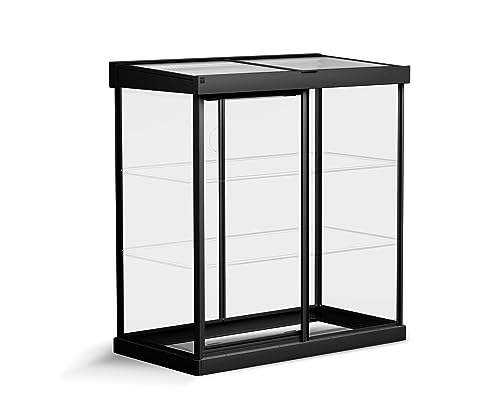
The Palram Canopia Ivy ($60) has semi-rigid polycarbonate panels that diffuse light without blocking it, a zippered door for temperature control, and a roof vent — a real mini greenhouse rather than a tent.
See Today’s Price →At a Glance

Showing 3 of 3 products
Palram Canopia Ivy Lean-to Mini Greenhouse
“Our top pick — the Palram Canopia Ivy Lean-to Mini Greenhouse earns Best Overall for consistent performance across all criteria.”
See Today’s Price →
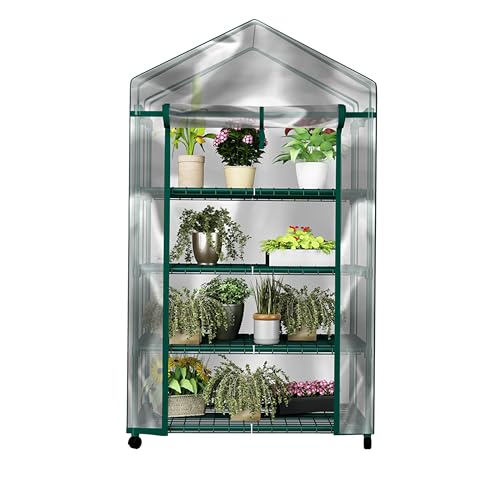
Home-Complete Mini Greenhouse 4-Tier Shelves
“Best budget option at $40 — the Home-Complete Mini Greenhouse 4-Tier Shelves delivers solid basics without the premium markup.”
See Today’s Price →
WORKPRO 4-Tier Portable Mini Greenhouse
“The WORKPRO 4-Tier Portable Mini Greenhouse from WORKPRO is a competent mid-range option at $50 — check current reviews before purchasing.”
See Today’s Price →Greenhouse for Beginners (2026) Buying Guide
 Photo by Jonathan Cooper / Pexels
Palram Canopia Ivy Lean-to Mini Greenhouse is our top pick for beginner greenhouses — its polycarbonate panels, aluminum frame, and lean-to design deliver year-round durability against wind and UV exposure that plastic cover greenhouses cannot match. For budget shoppers, Home-Complete Mini Greenhouse 4-Tier Shelves offers a budget-friendly way to extend the growing season without permanent installation.
A mini greenhouse extends your growing season by weeks to months on both ends — protecting seedlings from late frost in spring, extending harvest into fall, and overwintering herbs, citrus, and tropical plants that would otherwise die in cold climates. Walk-in vs shelf greenhouse: walk-in greenhouses (6x8ft+) are permanent structures requiring a level site, foundation, and substantial investment. Mini (shelf) greenhouses are compact portable structures — 4-tier shelves (27"x19"x63") that fit on a patio, balcony, or in a corner of the yard. For beginners, a mini greenhouse or greenhouse tent is the correct starting point. Polycarbonate panels vs PVC/PE covers: the Palram Canopia Ivy uses semi-rigid polycarbonate panels (like a professional greenhouse in miniature) that diffuse light evenly, insulate better than plastic film, and resist UV degradation. PVC/PE cover greenhouses (Home-Complete, WORKPRO) use flexible plastic film that is less durable but more affordable and lightweight. For 3-season use with mild climate, either works. For overwintering in cold climates, polycarbonate's insulation matters. Ventilation is critical to prevent overheating: in direct sun, an unventilated greenhouse can reach 120°F+ — lethal to most plants. The Palram Ivy has a roof vent panel. PVC cover greenhouses must have the zipper opened for ventilation during warm days. Never leave a sealed mini greenhouse in direct sun without ventilation on warm days (above 60°F). What to grow in a beginner mini greenhouse: seedling starts (6-8 weeks before last frost), hardening-off seedlings before transplanting outdoors, overwintering herb pots (rosemary, lavender, bay), propagating cuttings (basil, coleus), and extending pepper or tomato harvest into fall are the ideal beginner uses. Anchoring and stability: mini greenhouse tents are vulnerable to wind. Most include tent stakes for ground anchoring. On hard surfaces (patios, decks), fill the bottom shelf with heavy planters to add weight, or use bungee cords attached to nearby fixed points. A properly anchored 4-tier greenhouse tent withstands moderate wind gusts.
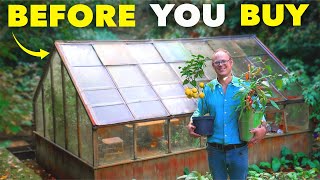
Watch Before You Buy

Frequently Asked Questions
What size greenhouse does a beginner need?
What's the difference between a cold frame and a full greenhouse?
Do I need to heat a backyard greenhouse?
What's the best covering material for a beginner greenhouse?
What should I grow first in my greenhouse?
How We Analyze Products
We analyze Amazon review data — often thousands of reviews per product — to surface patterns that individual buyers miss. Our process aggregates star ratings, review counts, and buyer sentiment at scale, identifying which strengths and weaknesses appear consistently across the largest review samples available.
Each product earned its placement through data: total review volume, average rating, and the specific praise and complaints that repeat most often across buyers. No manufacturer paid for placement on this page. Products appear here because buyers endorsed them at scale, not because a company asked us to feature them.
We use AI to summarize review sentiment — not to fabricate opinions, but to condense what thousands of buyers actually wrote into a readable format. The pros and cons you see reflect the most common themes found in verified purchaser reviews, paraphrased for clarity. We do not claim to have accessed Reddit, YouTube, or specific publications in generating these summaries.
Prices shown reflect Amazon pricing at the time this page was last generated. Click “See Today’s Price” to get the current live price on Amazon. Read our full methodology →