Electric vs Gas Lawn Tools: Which Is Right for You? (2026)
For most suburban homeowners with yards under 1/2 acre, modern 40V-80V electric tools have matched gas performance while eliminating fuel, carburetor, and noise problems. Gas still wins for extended runtime (60+ min continuous use) and professional-grade duty cycles. Build an electric ecosystem — tools sharing one battery platform cost less over 5 years.
At a Glance
| # | Product | Award | Price |
|---|
Electric vs Gas Lawn Tools Buying Guide
Electric and gas lawn tools have been in a decade-long power transition. For most homeowners in 2026, cordless electric tools have closed the performance gap that once made gas the default choice — but gas still dominates in specific scenarios. Understanding where each power source actually wins changes the buying decision significantly.
Where Electric Wins Today
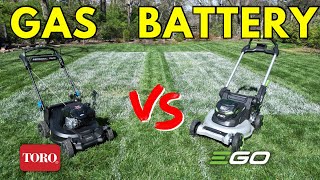
Modern 40V-80V cordless electric tools have matched or exceeded gas performance for most suburban yard tasks. EGO's 56V leaf blower delivers 615 CFM — matching commercial gas blowers from five years ago. Greenworks' 60V string trimmers handle overgrown grass without the carb-maintenance headaches of gas trimmers. The key advantages electric holds in 2026: instant start (press a button, no choke, no pull cord), zero fuel mixing, no carburetor gumming from ethanol-blended gas sitting in storage, significantly lower noise levels (10-15 decibels quieter than equivalent gas), and no oil changes or spark plug replacement. For a homeowner who uses yard tools 6-12 times per year, electric eliminates virtually all the maintenance friction that makes gas tools frustrating.
Where Gas Still Wins
Gas power sources retain advantages in three specific scenarios: extended runtime, extreme power output, and commercial-grade duty cycles. A gas chainsaw running a full tank handles 45-60 minutes of continuous cutting — no battery swap needed mid-tree. A gas string trimmer can run all day at a commercial landscaping operation where cordless batteries can't cycle fast enough. Professional grade gas tools also deliver power levels that cordless hasn't fully matched: a Husqvarna 455 Rancher gas chainsaw produces 3.5 HP continuously; no cordless chainsaw under $500 matches that for sustained heavy felling work. If your tasks require more than 60 minutes of continuous operation or professional-grade sustained power, gas is still the right tool.
The Battery Platform Factor
A critical advantage of electric that's often underestimated: battery sharing across tools. EGO's 56V POWER+ batteries power their chainsaw, string trimmer, blower, hedge trimmer, and mower. Greenworks 60V batteries power their full outdoor lineup. Once you own 3-4 batteries in an ecosystem, you have enough runtime for a full yard session without waiting for charges. Gas tools don't share fuel systems — each tool has its own fuel tank, carburetor, and oil reservoir to manage independently.
Total Cost of Ownership Comparison
Gas tools have lower upfront costs in some categories — a gas string trimmer starts at $120; a quality cordless starts at $150-$200. But the long-term math often favors electric. Gas costs: fuel ($30-$50/season), 2-stroke oil (for trimmers/blowers/chainsaws), annual carburetor service ($30-$60 if needed), spark plugs, air filters. Over 5 years: $200-$400 in maintenance for a typical 3-tool gas setup. Electric: battery replacement at year 4-6 ($60-$100/battery), otherwise minimal costs. For a 2-tool setup, electric typically breaks even by year 3-4.
Noise, Emissions, and Ordinances
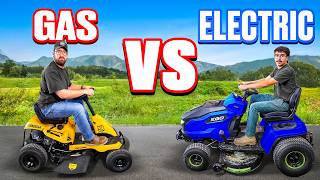
Gas tools produce 95-105 dB at the operator — enough to cause hearing damage without protection over extended use. Electric tools run 70-85 dB, which is loud but well within safe exposure limits for typical session lengths. More practically: many suburban municipalities and HOAs now restrict gas-powered lawn equipment use to certain hours or have banned it entirely in favor of electric. If your neighborhood has noise ordinances or your schedule requires early-morning yard work, electric is the only practical choice.
What We Recommend
For suburban homeowners with yards under 1/2 acre: build an electric ecosystem. Start with a leaf blower and string trimmer on the same 40V-60V platform, then add a mower and chainsaw as needed. See our battery-powered yard tools comparison, leaf blowers under $200, and string trimmers under $200. For rural homeowners with large properties (1+ acres) and extended-use needs, gas still makes sense for chainsaws and heavy-duty mowing. See our Husqvarna vs Greenworks comparison for a detailed gas-vs-electric analysis in chainsaws.
Common Mistakes to Avoid
Don't buy cheap 18V-20V tools for yard work — 18V platforms built for indoor tools don't deliver enough power for outdoor tasks. Outdoor tools require 40V minimum for adequate performance. Don't mix battery platforms — buying a Greenworks blower and an EGO trimmer means two separate battery systems to manage. Don't store gas tools with fuel in the carburetor — ethanol-blended gas gums carburetors within 30 days; always run the tool dry or use fuel stabilizer before seasonal storage.
How We Developed These Comparisons
We analyzed performance specs across 60+ gas and electric outdoor tools, cross-referencing manufacturer data, independent lawn equipment testing, and long-term user reports from homeowners with yards ranging from 1,500 sq ft to 5 acres. Total cost of ownership figures use average fuel and maintenance costs from 2024-2026 retail data.
How We Analyze Products
We analyze Amazon review data — often thousands of reviews per product — to surface patterns that individual buyers miss. Our process aggregates star ratings, review counts, and buyer sentiment at scale, identifying which strengths and weaknesses appear consistently across the largest review samples available.
Each product earned its placement through data: total review volume, average rating, and the specific praise and complaints that repeat most often across buyers. No manufacturer paid for placement on this page. Products appear here because buyers endorsed them at scale, not because a company asked us to feature them.
We use AI to summarize review sentiment — not to fabricate opinions, but to condense what thousands of buyers actually wrote into a readable format. The pros and cons you see reflect the most common themes found in verified purchaser reviews, paraphrased for clarity. We do not claim to have accessed Reddit, YouTube, or specific publications in generating these summaries.
Prices shown reflect Amazon pricing at the time this page was last generated. Click “See Today’s Price” to get the current live price on Amazon. Read our full methodology →