How to Sharpen Mower Blades: Step-by-Step Guide (2026)
Sharpen mower blades 1-3 times per season — dull blades tear grass, leaving brown tips and inviting disease. Disconnect power, remove the blade (counterclockwise bolt), file or grind at the 30-45 degree bevel angle, balance before reinstalling. The whole job takes 20-30 minutes and dramatically improves cut quality.
At a Glance
| # | Product | Award | Price |
|---|
How to Sharpen Mower Blades Buying Guide
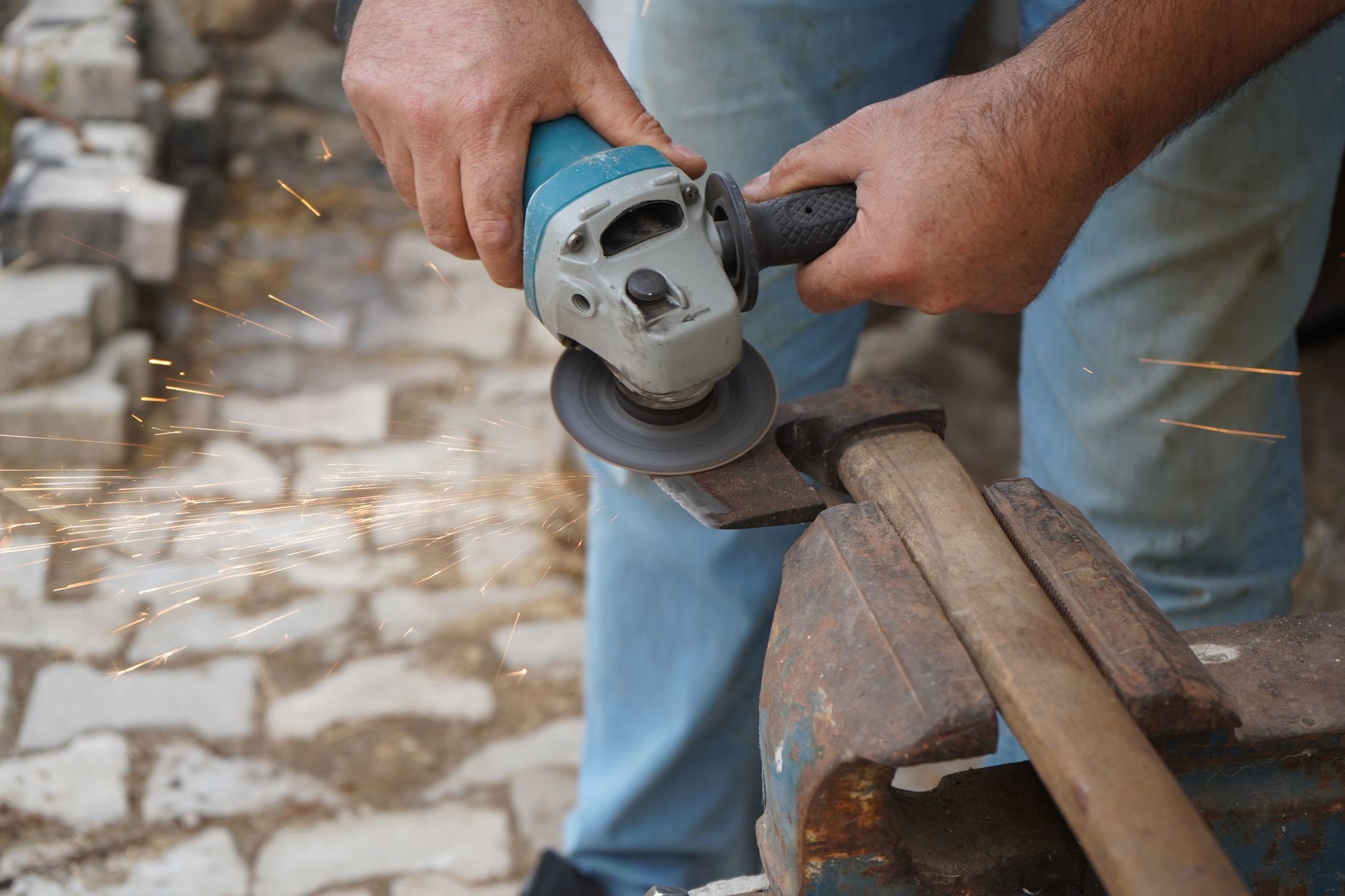 Photo by Mustafa Alper alper / Pexels
A dull mower blade tears grass rather than cutting it, leaving ragged brown tips that invite disease and stress. Most homeowners don't realize blades need sharpening 1-3 times per season — a 20-minute task that dramatically improves cut quality and lawn health.
How to Tell When Your Blade Needs Sharpening
Three signs: the grass tips look brown or shredded 24-48 hours after mowing (torn ends, not clean cuts); the mower requires multiple passes over the same area to cut cleanly; or you can feel the blade by running a gloved finger across the edge and it feels flat rather than beveled. A sharp mower blade has a 30-45 degree bevel on the cutting edge, similar to a kitchen knife. When that bevel is gone — the edge is flat, nicked, or bent — it's time to sharpen. For most homeowners mowing weekly through a growing season, sharpen once in spring and once mid-season.
Safety First: Disconnect Power Before Any Work
For gas mowers: disconnect the spark plug wire and tip the mower on its side with the air filter up (not down, or oil floods the filter). For electric mowers: remove the battery pack completely — not just turn it off. Wear thick gloves when handling the blade; even a dull blade can cut on contact. Prop the mower safely on its side with the carburetor (gas) or battery compartment (electric) facing up. Never work under a mower that isn't properly supported.
Removing the Blade
Mark one side of the blade with a marker before removal so you reinstall it in the same orientation (the blade has a specific top/bottom side). Use a block of wood wedged between the blade and deck to prevent rotation, then use a breaker bar or socket wrench to loosen the center bolt. Mower blade bolts are typically 5/8-inch or 3/4-inch, torqued to 35-50 ft-lb — they're tight. The bolt loosens counterclockwise (left). Once removed, inspect the blade for cracks, heavy bends, or missing chunks — if damage is severe, replace rather than sharpen.
Sharpening Methods
Three approaches in order of precision: A metal file (most accessible, no power required): hold the blade in a vise and file at the existing bevel angle (typically 30-45 degrees) in smooth strokes away from the body. Remove metal until the edge is uniformly sharp across its full length. An angle grinder (fastest, 5-7 minutes per blade): use a grinding disc at the blade's bevel angle. Keep the grinder moving — dwelling in one spot removes too much metal and can heat the blade enough to affect temper. A blade sharpener attachment (easiest for beginners): a drill-powered sharpener guides the angle automatically. Costs $10-$15 and produces consistently good results without practice.
Balancing After Sharpening
An unbalanced blade causes vibration that damages the mower's spindle bearings over time and makes the cut uneven. After sharpening, balance the blade by hanging it horizontally on a nail through the center hole. If one end drops, it's heavier — file or grind a small amount of metal from the heavy end's underside (not the cutting edge) until the blade hangs level. A blade balancer tool costs $3-$5 at any hardware store and gives more precise results than the nail method. Reinstall the blade with the marked side facing the same direction as before.
Reinstalling and Testing
Torque the center bolt to 35-50 ft-lb (check your mower's manual for the specific spec). Reconnect the spark plug wire or reinsert the battery. Start the mower and listen for unusual vibration — if present, the blade may be unbalanced or installed reversed. Make one pass over the lawn and inspect a cut section: clean, uniform grass tips indicate a sharp blade. Brown-tipped or torn cuts after one pass indicate insufficient sharpening.
When to Replace Instead of Sharpen
Replace the blade when: cracks appear anywhere on the blade body; chunks are missing from the cutting edge; the blade has a severe bend that can't be straightened safely; or the blade has been sharpened so many times that the metal is thin and the cutting edge is very close to the blade center. A replacement blade for most residential mowers costs $15-$35 — worth it when sharpening can no longer produce a safe, effective edge. See our lawn mower guide for mower recommendations and electric mower picks for models with easy blade access.
Common Mistakes to Avoid
Don't skip the balance check — vibration from an unbalanced blade shortens spindle bearing life from years to months. Don't sharpen blades with cracks — a cracked blade can shatter at high RPM. Don't tip a gas mower with the air filter down — oil floods the filter and causes starting problems. Don't reinstall the blade upside down — the cutting edge faces a specific direction; the bevel always faces toward the grass.
How We Developed These Steps
These procedures are based on manufacturer service manual recommendations for residential rotary mowers, cross-referenced with professional lawn equipment technician guidance and verified against common failure patterns reported by homeowners in lawn care communities. Safety steps reflect CPSC guidelines for rotary mower maintenance.
How We Analyze Products
We analyze Amazon review data — often thousands of reviews per product — to surface patterns that individual buyers miss. Our process aggregates star ratings, review counts, and buyer sentiment at scale, identifying which strengths and weaknesses appear consistently across the largest review samples available.
Each product earned its placement through data: total review volume, average rating, and the specific praise and complaints that repeat most often across buyers. No manufacturer paid for placement on this page. Products appear here because buyers endorsed them at scale, not because a company asked us to feature them.
We use AI to summarize review sentiment — not to fabricate opinions, but to condense what thousands of buyers actually wrote into a readable format. The pros and cons you see reflect the most common themes found in verified purchaser reviews, paraphrased for clarity. We do not claim to have accessed Reddit, YouTube, or specific publications in generating these summaries.
Prices shown reflect Amazon pricing at the time this page was last generated. Click “See Today’s Price” to get the current live price on Amazon. Read our full methodology →