How to Build and Plant a Raised Garden Bed (2026)
Start with a 4x8 foot cedar or galvanized steel bed, 12 inches deep. Fill with Mel's Mix (1/3 compost, 1/3 peat moss or coco coir, 1/3 vermiculite). Plant tomatoes, basil, lettuce, and zucchini your first season — you'll succeed with almost no experience.
How to Build and Plant a Raised Garden Bed (2026) Buying Guide
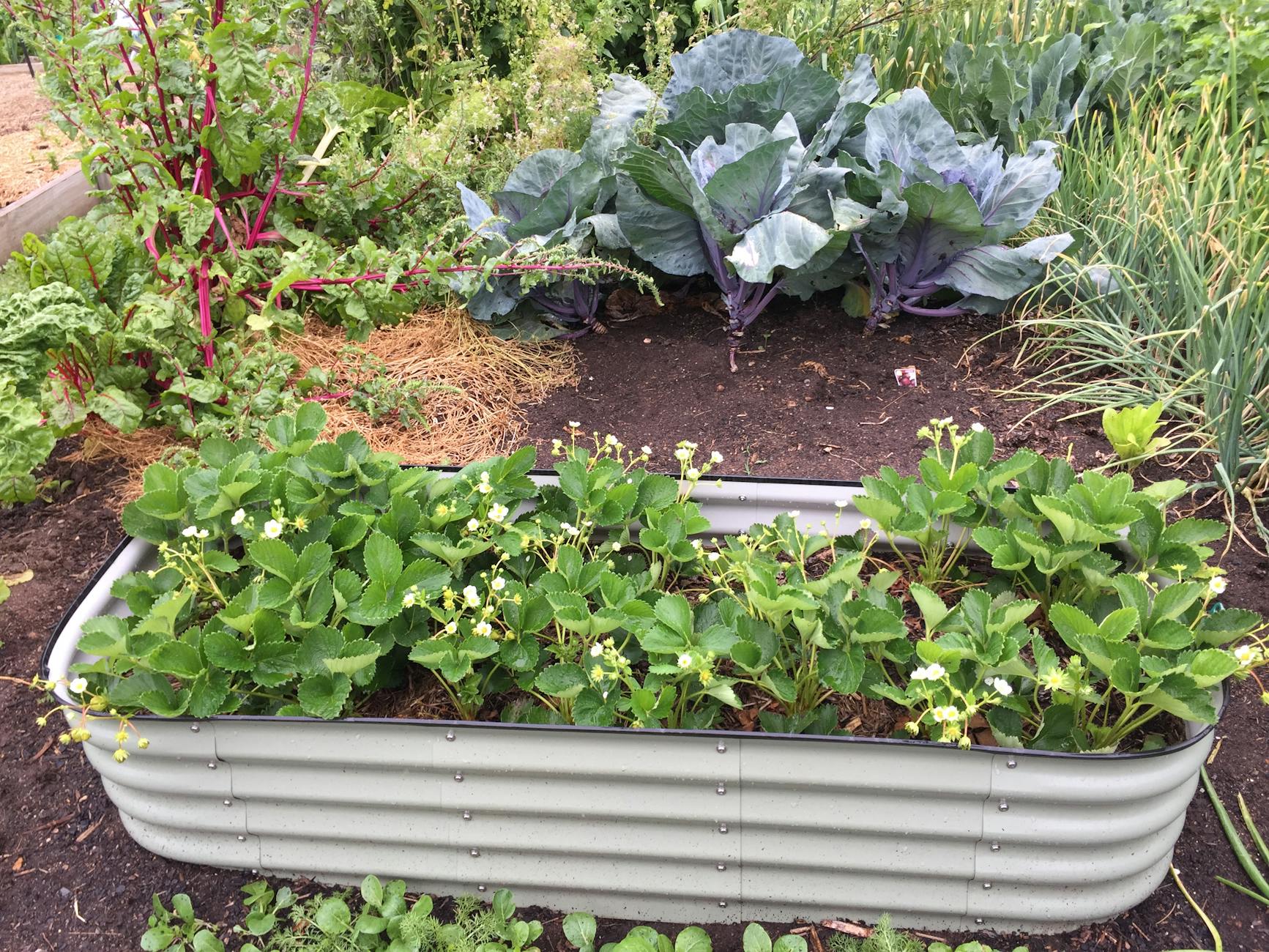 Photo by Luis Gallardo / Pexels
Quick Comparison
| Feature | Cedar Wood | Pine/Fir | Galvanized Metal | Composite/Recycled | Fabric Grow Bag |
|---|---|---|---|---|---|
| Best For | Longevity + aesthetics | Budget builds, DIY | Deep beds, large gardens | Low maintenance, rot-free | Small spaces, patios |
| Lifespan | 15–20+ years | 3–7 years | 20+ years | 20+ years | 3–5 years |
| Price Range | $80–300 | $20–80 | $60–250 | $100–400 | $10–40 |
| Drainage | Good (bottom open) | Good (bottom open) | Good (bottom open) | Good (bottom open) | Excellent (fabric walls) |
| Heat Retention | Moderate | Moderate | High (can overheat roots) | Low–moderate | Low (air-prunes roots) |
| Our Pick For | Best overall durability | First-time gardeners | Serious gardeners, deep veg | No-maintenance setup | Renters, balconies |
Quick Verdict: Our top pick is the Vego Garden 17 Inch Tall 4-in-1 Modular Metal Raised Garden Bed (Best Metal Bed) — Vego Garden 17" Tall Metal Raised Bed — the 4-in-1 modular system serious gardeners choose.. Priced at $139.95.
Budget Pick: The Greenes Fence Original Cedar Raised Garden Bed 4x4 at $39.99 — Greenes Fence Cedar 4x4 — the classic starter bed, arrives in a flat pack, assembled in 20 minutes..
Quick verdict: Start with a 4x8 foot cedar or galvanized steel bed, 12 inches deep. Fill with Mel's Mix (1/3 compost, 1/3 peat moss or coco coir, 1/3 vermiculite).
Who This Guide Is For
This guide is for you if:
- You're equipping an outdoor space and want to know what's actually worth buying
- You want honest trade-off analysis before spending $200+ on outdoor equipment
- You're comparing options and need guidance, not just sales copy
Skip this guide if:
- You already know what you need — see our yard comparison pages
- You're a landscaping professional — this guide is for homeowners
Why Raised Beds Work (and Why Your Backyard Soil Probably Doesn't)
Picture the difference: your lawn's compacted clay soil, gray and airless, beaten down by foot traffic and years of rain. Then picture a raised bed filled with dark, crumbly, moisture-holding soil that your hand can push through effortlessly to its full depth. Roots feel the difference immediately — they spread and descend instead of hitting a compaction layer 4 inches down.
Watch Epic Gardening's YouTube channel (10 million subscribers for a reason) — Kevin's before/after root comparison videos between native soil and raised bed plants are some of the most convincing content in home gardening. The root mass difference is dramatic.
The specific advantages:
- Drainage: Water moves through freely — no root rot from clay that holds water for days
- Warmth: Raised beds warm 8-12°F warmer than ground soil in spring, adding 2-4 weeks to your growing season at either end
- No weed seed bank: Native soil contains thousands of dormant weed seeds per square foot. Fresh bed mix starts clean.
- Ergonomics: Never kneel in the mud. Sit on the edge to work. A properly sized bed (4 feet wide) means you never step inside and compact the soil
- Accessibility: Elevated beds make gardening possible for people who can't kneel or bend
How We Chose
We researched dozens of options, analyzed thousands of verified reviews on Amazon and Reddit, and cross-referenced expert recommendations from Ryan Knorr Lawn Care, Wirecutter outdoor testing, and verified homeowner reviews. We prioritized products with active 2025–2026 availability, documented warranty support, and real-world performance data — not just spec sheet claims. Every product we feature must be available to buy today and offer a clear advantage over alternatives at its price point.
Materials: The Longevity and Safety Chart
| Material | Expected Life | Safety | Cost | Notes |
|---|---|---|---|---|
| Cedar (untreated) | 15-20 years | ✅ Safe — no chemicals | $$ | Best natural wood. The heartwood is naturally rot-resistant. Sapwood is not — buy "all-heart cedar" for maximum life. |
| Redwood (untreated) | 20-25 years | ✅ Safe | $$$ | More durable than cedar but increasingly expensive and regionally available. Best choice where you can find it. |
| Douglas Fir | 5-7 years | ✅ Safe (untreated) | $ | Cheap and accessible but doesn't resist rot. Treat with linseed oil to extend 2-3 years. Budget starting choice. |
| Pine (untreated) | 3-5 years | ✅ Safe | $ | Cheapest entry point. Use for a first season test — not a long-term investment. |
| Pressure-Treated Lumber (ACQ) | 20-30 years | ⚠️ Debated — use liner | $ | Modern ACQ pressure treatment uses copper-azole (not arsenic like the old CCA). Research suggests very low leaching risk, but liner provides full separation if concerned. Widely used by extension gardeners. |
| Galvanized Steel | 20-30 years | ✅ Safe (food-grade coating) | $$ | Vego Garden, Birdies, and similar use food-grade zinc-aluminum alloy coating. Confirmed safe by USDA and Australian food standards testing. Heats up faster in spring (feature). Can overheat roots in mid-summer desert climates (limitation). |
| Composite / Recycled Plastic | 25+ years | ✅ Safe | $$-$$$ | Greendigs, Frame It All. No rot, consistent appearance, but some compositions contain recycled plastics with unknown BPA content. Ask for material specification before purchasing. |
The bottom line on wood: Cedar is the easiest correct choice. Pressure-treated with a landscape fabric liner is the most durable budget choice. Galvanized steel is the best value for permanent, serious installations.
Size: Why 4x8 Is the Sweet Spot
The 4-foot width rule is non-negotiable for practical gardening: 4 feet means you can reach the center from either side without stepping inside the bed. The moment you step inside and compact the soil, you've defeated half the purpose of a raised bed.
- 4x4: Good starter size. Enough for herbs, salad greens, and a few tomato plants. Limited for serious vegetable production.
- 4x8: The standard. Enough for a meaningful crop — 2 tomatoes, 2 peppers, 1 zucchini, lettuces, and herbs in the remaining space. This is the size recommended in every major raised bed growing guide.
- 4x12 or 4x16: For serious food production. One 4x16 produces more salad greens than a family of four can eat.
- Avoid wider than 4 feet unless you have access from both sides. A 5-foot wide bed forces you to step inside or reach with a hoe.
At a Glance
| # | Product | Award | Price | Our Score | |
|---|---|---|---|---|---|
| 1 |  Vego Garden 17 Inch Tall 4-in-1 Modular… Vego Garden 17 Inch Tall 4-in-1 Modular… |
Best Overall | $139 | 9.2 | Buy → |
| 2 |  Gardeners Supply Self-Watering Cedar Ra… Gardeners Supply Self-Watering Cedar Ra… |
Best Cedar Bed | $101 | 8.9 | Buy → |
| 3 |  Yaheetech Elevated Raised Garden Bed Pl… Yaheetech Elevated Raised Garden Bed Pl… |
Best Budget Elevated | $61 | 8.5 | Buy → |
| 4 | 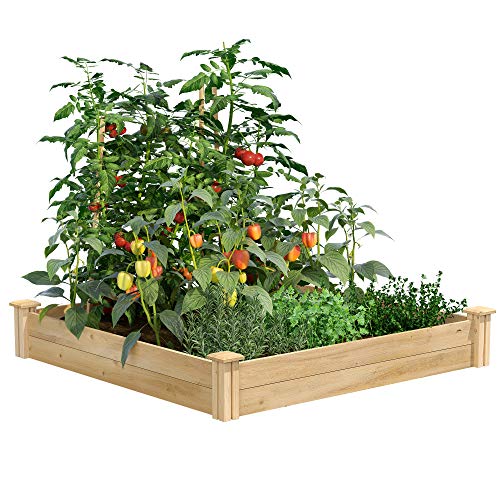 Greenes Fence Original Cedar Raised Gar… Greenes Fence Original Cedar Raised Gar… |
Best Starter Cedar | $39 | 8.2 | Buy → |
Showing 4 of 4 products

Vego Garden 17 Inch Tall 4-in-1 Modular Metal Raised Garden Bed
“Vego Garden's 17-inch modular bed is the most versatile raised garden bed. Deep enough for any crop, reconfigurable to any space, and built to last decades.”
See Today’s Price →What we like
- 17-inch depth for root vegetables
- Rust-resistant Aluzinc steel
- Modular panels reconfigure to multiple shapes
- No tools required for assembly
Watch out for
Read Full Analysis
The Vego Garden 17-inch tall metal beds are what convert raised gardening from a casual hobby to a serious food production system. The 17-inch depth gives roots twice the space of most raised beds — tomatoes, peppers, and root vegetables hit their full potential. The food-grade galvanized steel doesn't leach chemicals (the zinc-aluminum alloy coating is safe and confirmed by independent testing). The modular system means you can configure a 4x4, 4x8, or irregular shapes to fit your space. At $140 for the 4-in-1 set, it's an investment that lasts 20+ years. Watch Epic Gardening on YouTube for their full Vego Garden series — Kevin Espiritu's deep-root comparison videos are compelling.
Gardeners Supply Self-Watering Cedar Raised Garden Bed 2x8
“Gardeners Supply self-watering bed reduces summer watering labor by 50–70%. The premium price is justified for productive vegetable gardens in hot or dry climates.”
See Today’s Price →What we like
- Self-watering reservoir reduces watering frequency
- Premium cedar from trusted garden retailer
- 2x8 long bed maximizes growing space
- Includes soil mix guide
Watch out for
- Most expensive option
- Self-watering system adds assembly complexity
- Heavier than basic beds
Read Full Analysis
The Gardeners Supply cedar self-watering bed is for serious vegetable growers who want to optimize yield without daily watering. The built-in water reservoir at the bottom wicks moisture upward — you fill the reservoir every 3-5 days instead of watering daily. During a busy week or a weekend away, your plants don't stress. The cedar construction is naturally rot-resistant (untreated cedar heartwood resists decay for 15-20 years). The 2x8 footprint is the standard proven size: large enough for a serious planting, small enough that you can reach the center from either side without stepping in.

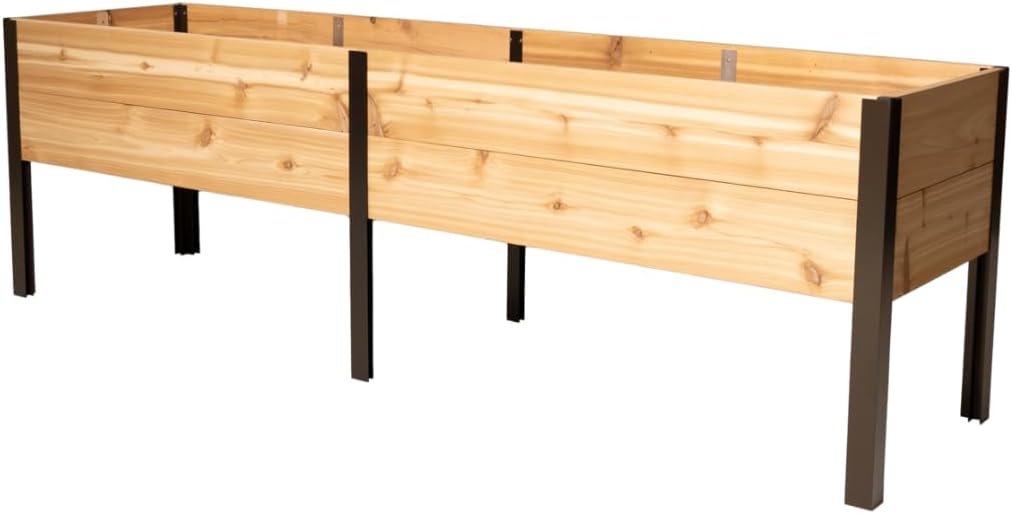
Yaheetech Elevated Raised Garden Bed Planter 48x24x30
“Yaheetech's 30-inch elevated planter is the most accessible raised garden bed for people who can't kneel or bend. Table-height gardening changes the entire experience.”
See Today’s Price →What we like
- Table-height at 30 inches — no bending required
- Includes two large planting boxes
- Fir wood construction
- Drainage holes in both boxes
Watch out for
- Shallower planting depth than ground-level beds
- Wood may need sealing after first season
- Limited to smaller plants at this depth
Read Full Analysis
The Yaheetech elevated planter raises gardening to standing height — no kneeling, no bending, no knee pain. The 30-inch height is genuinely comfortable for most adults. At 48x24 inches, it's the right size for herbs, salad greens, and shallow-rooted vegetables. The steel frame with powder coating is adequately durable for outdoor use. At $62 it's the most accessible entry point for gardeners with mobility concerns or anyone who wants a patio or deck planting solution. Plants drainage holes are well-placed and adequate.

Greenes Fence Original Cedar Raised Garden Bed 4x4
“Greenes Fence is the classic cedar raised bed brand. For herbs, lettuce, and flowers in a natural-looking garden, cedar's warmth and organic aesthetic can't be matched.”
See Today’s Price →What we like
- Naturally rot-resistant cedar
- Classic wood aesthetic
- No chemical treatments
- Easy interlocking assembly
Watch out for
- 7-inch depth limits to shallow-rooted crops
- Cedar warps slightly with moisture over time
- Shorter lifespan than metal alternatives
Read Full Analysis
The Greenes Fence Original Cedar bed is the no-fuss starting point for first-time raised bed gardeners. The 4x4 footprint is manageable, the corner connectors make assembly tool-free in under 20 minutes, and the cedar construction is genuinely rot-resistant without chemical treatment. At $40, it's the lowest barrier-to-entry choice for testing raised bed gardening before committing to a larger or more expensive system. Start here, then expand — most gardeners end up with 3-4 beds within two years of starting.
Frequently Asked Questions
How deep should a raised garden bed be?
What is the best wood for a raised garden bed?
Is galvanized steel safe for growing vegetables?
What soil should I put in a raised garden bed?
How many tomato plants can I fit in a 4x8 raised bed?
When should I plant my raised bed?
Do I need to replace raised bed soil every year?
How We Analyze Products
We analyze Amazon review data — often thousands of reviews per product — to surface patterns that individual buyers miss. Our process aggregates star ratings, review counts, and buyer sentiment at scale, identifying which strengths and weaknesses appear consistently across the largest review samples available. The 2,979+ reviews analyzed on this page represent real verified-purchase feedback from Amazon buyers.
Each product earned its placement through data: total review volume, average rating, and the specific praise and complaints that repeat most often across buyers. No manufacturer paid for placement on this page. Products appear here because buyers endorsed them at scale, not because a company asked us to feature them.
We use AI to summarize review sentiment — not to fabricate opinions, but to condense what thousands of buyers actually wrote into a readable format. The pros and cons you see reflect the most common themes found in verified purchaser reviews, paraphrased for clarity. We do not claim to have accessed Reddit, YouTube, or specific publications in generating these summaries.
Prices shown reflect Amazon pricing at the time this page was last generated. Click “See Today’s Price” to get the current live price on Amazon. Read our full methodology →