About This Guide
Start spring lawn care once soil temps consistently hit 45–50°F. Order: (1) soil test, (2) debris cleanup, (3) dethatch if thatch exceeds ½ inch, (4) core aerate compacted areas, (5) overseed bare patches, (6) apply pre-emergent before soil hits 55°F, (7) fertilize after grass greens up, (8) sharpen mower blade and set to 3–3.5 inches for first cut, (9) start irrigation at soil temp 60°F+. For warm-season grasses, shift the entire schedule 4–6 weeks later.
How to Care for Your Lawn in Spring (2026) Buying Guide
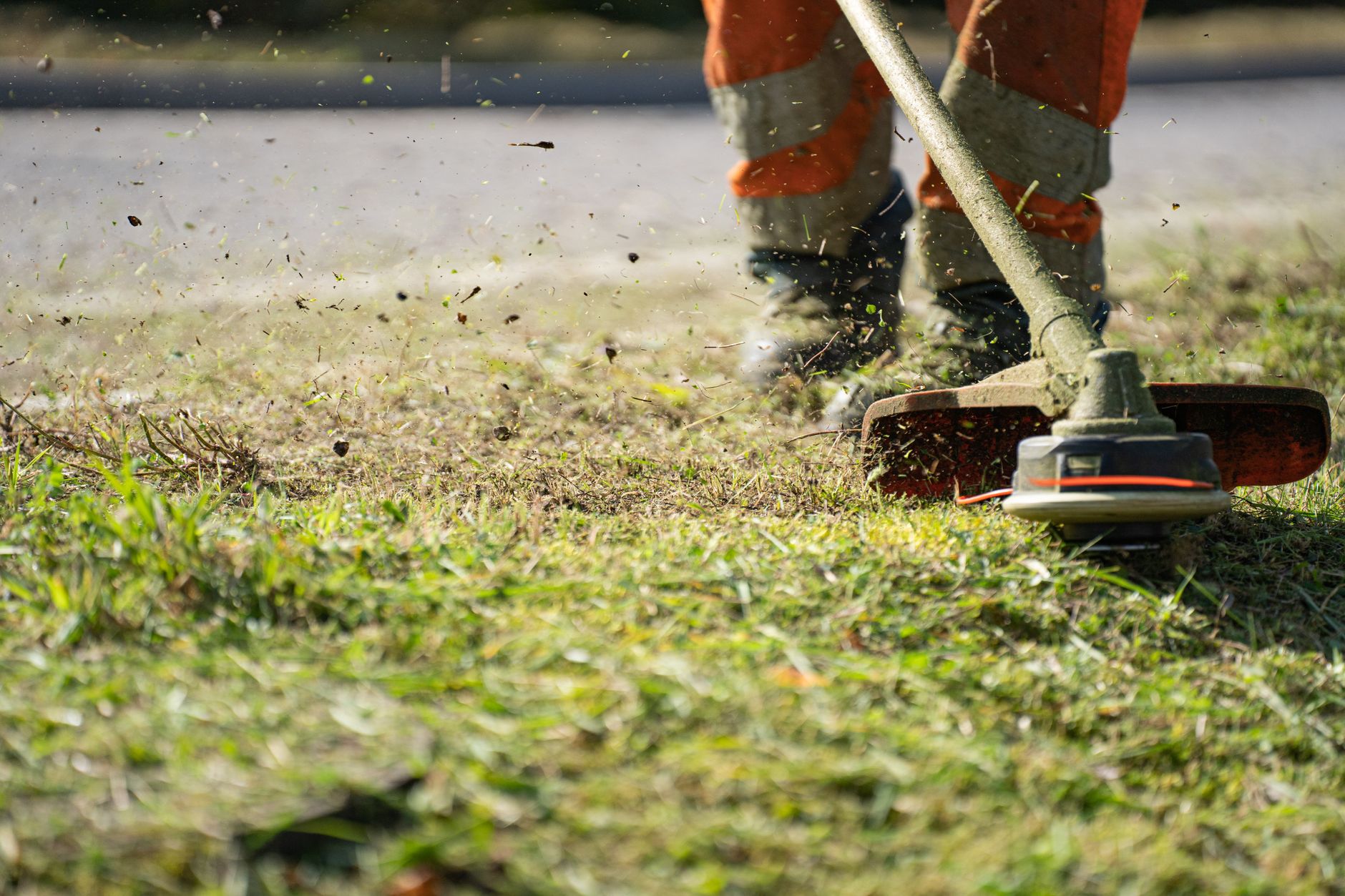 Photo by Pascal Küffer / Pexels
Quick Verdict: Our top pick is the Honda HRX217YXBVKA4 21 in Battery Self-Propelled Mower (Best Premium Battery Mower) — The best battery mower you can buy in 2026 if budget isn't a constraint. Priced at $1099.
Budget Pick: The Stainless Steel Garden Hose 50 ft 10-Mode Nozzle Sprayer at $52.99 — A no-kink hose is essential for new seedling watering — interrupted water flow kills germination momentum.
This guide is for you if:
-
You're buying a lawn mower for the first time or replacing one after many years
-
You need to choose between gas, electric, battery, and robotic options for your lawn size
-
You want to know if a robot mower is actually worth the $1,000+ price tag
Skip this guide if:
Quick verdict: Start spring lawn care once soil temps consistently hit 45–50°F. Order: (1) soil test, (2) debris cleanup, (3) dethatch if thatch exceeds ½ inch, (4) core aerate compacted areas, (5) overseed bare patches, (6) apply pre-emergent before soil hits 55°F, (7) fertilize after grass greens up, (8) sharpen mower blade and set to 3–3.5 inches for first cut, (9) start irrigation at soil temp 60°F+.
## Spring Lawn Care Guide 2026: Step-by-Step from Dormant to Lush
The difference between a good lawn and a great lawn isn't what you do — it's *when* you do it. Every spring task has a narrow window that, missed by even two weeks, can mean a season of playing catch-up. This guide covers all four critical spring tasks in the right order, for both cool-season and warm-season grasses.
---
Step 1: Take Stock — Soil Test and Winter Damage Assessment
▶
DO THIS FIRST: Early Spring Lawn Care
Before you buy a single bag of anything, do two things: assess winter damage and test your soil.
Winter damage assessment:
-
Walk the lawn and note bare patches, matted areas (snow mold), vole tunnels, and salt damage near driveways
-
Probe compacted areas with a screwdriver — if it doesn't push in easily 2–3 inches, you need aeration
-
Check thatch depth by cutting a small plug: if the spongy brown layer between grass and soil is over ½ inch, plan to dethatch
Soil test: A $15–25 mail-in soil test from your local extension office (or a DIY kit) tells you pH, nitrogen, phosphorus, and potassium levels. Without this, you're guessing on
fertilizer. Most lawns need pH 6.0–7.0. Lime raises pH; sulfur lowers it. Apply before fertilizing — lime and sulfur need 2–4 weeks to work.
For accurate soil temp tracking, most county extension offices publish weekly soil temperature data online. You can also buy an inexpensive soil thermometer from your local garden center.
---
Step 2: Spring Cleanup — Remove Debris and Matted Grass
When: As soon as the last frost has passed and the soil is firm enough to walk on without leaving deep footprints.
What to do:
-
Rake out dead leaves, twigs, and debris that accumulated over winter. Matted material blocks sunlight and air movement, creating conditions for fungal disease.
-
Rake lightly over any areas with snow mold — a matted, grayish-white crust on the grass surface. Raking breaks up the matting and allows the grass to dry out and recover.
-
Don't scalp the lawn with your rake; a light to moderate pass is sufficient for most yards.
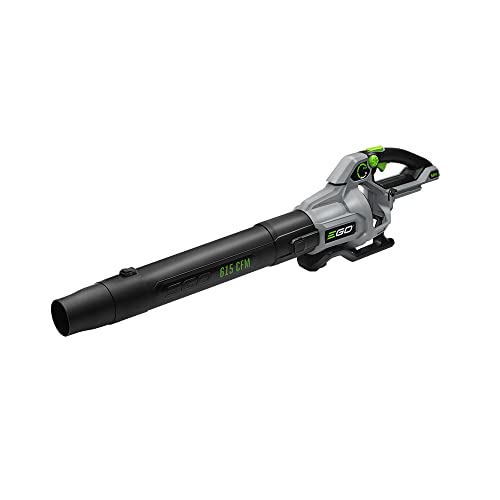
Tool for the job: A leaf blower speeds up cleanup dramatically. The
EGO POWER+ LB6150 at 615 CFM handles even wet spring debris. For detailed walkthrough videos, search
Ryan Knorr Lawn Care on YouTube — his spring prep series is a benchmark for DIY lawn enthusiasts.
---
Step 3: Dethatching — When You Need It and How to Do It
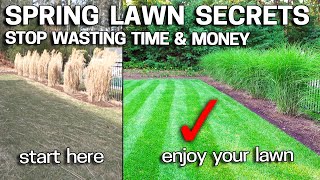
▶
HOW I JUMPSTART MY LAWN IN SPRING - Spring Lawn Care Tricks REVEALED!
Early spring, before new growth gets going.
Cool-season grasses (Kentucky bluegrass, fescue, ryegrass): Dethatch in early spring or early fall. Spring dethatching should happen before overseeding.
Warm-season grasses (Bermuda, zoysia, St. Augustine): Dethatch just as the grass breaks dormancy in spring.
Do you actually need to dethatch? Cut a small plug 2–3 inches deep. If the brown spongy layer between the green grass and the soil is:
Dethatching methods:
1.
Power rake / dethatcher: Most effective for severe thatch. Rent from a home center for $50–80/day for small lawns.
2.
Scarifier attachment for riding mowers.
3.
Manual thatching rake: Works for small areas; labor-intensive.
After dethatching, bag and remove the debris — don't compost heavy thatch, as it may contain weed seeds.
---
Step 4: Core Aeration — The Most Important Step Most Homeowners Skip

▶
Lawn Care 101: How to Weed, Seed, Feed, Mow, & Water
Cool-season grasses — early spring when soil temps are 50–65°F. Warm-season grasses — late spring after green-up when soil temps are 70°F+.
Core aeration pulls small plugs of soil (2–3 inch depth) from your lawn, relieving compaction, improving water penetration, and creating direct channels for fertilizer and seed to reach root zones. Research consistently shows that aerated lawns absorb 2–5x more water and fertilizer than un-aerated lawns.
Who needs aeration:
-
Lawns with heavy clay soil (soil compacts easily)
-
Lawns with heavy foot traffic or play areas
-
-
-
Any lawn that wasn't aerated in the last 1–2 years
Equipment options:
Leave the soil plugs on the lawn — they break down in 2–3 weeks and return nutrients to the soil.
For a deep tutorial on aeration timing and technique, search The Lawn Care Nut on YouTube — Allyn Hane's aeration content covers cool-season and warm-season differences in practical detail.
---
Frequently Asked Questions
When should I start spring lawn care?
Start when soil temperatures consistently reach 45–50°F at a 2-inch depth. This is typically late February–March in the South, March–April in the Mid-Atlantic and Midwest, and April–May in the Northeast and Upper Midwest. Soil temp matters more than the calendar date — a warm March can move everything 2–3 weeks earlier than usual.
Should I aerate or overseed first in the spring?
Aerate first, then overseed immediately after. Core aeration creates channels in the soil that allow grass seed to make direct contact with the soil — germination rates are significantly higher when seed falls into aeration holes rather than sitting on top of dense, compacted turf. After aerating and seeding, do NOT apply pre-emergent — it will prevent grass seed from germinating just as effectively as weed seeds.
Can I apply pre-emergent and overseed at the same time?
No. Pre-emergent herbicides work by preventing all seed germination — they can't distinguish between grass seed and weed seed. If you need to overseed bare patches, skip pre-emergent in those areas and apply a post-emergent weed killer later in the season. If your lawn is thick and established with only minor thinning, apply pre-emergent now and overseed in the fall when temperatures drop below 75°F.
How early is too early to fertilize in the spring?
Too early means before the grass has greened up and completed at least one or two mowing cycles. Applying heavy nitrogen to dormant or semi-dormant grass wastes fertilizer and can stress the grass. For cool-season grasses, late April through May is the typical safe window in most northern states. A light application at green-up is acceptable; the heavy feeding should happen in the fall for cool-season grasses.
How do I know if my lawn needs dethatching or just aeration?
Cut a small 3-inch-deep plug from your lawn and examine the layer between the green grass and the soil. If that brownish, spongy layer is under ¼ inch, skip dethatching — aeration alone is sufficient. If it's ¼ to ½ inch, aeration may be enough. If it exceeds ½ inch, dethatch before aerating and overseeding. Note that some thatch is normal and beneficial — it's only a problem when it gets thick enough to block water and air from reaching roots.
What mowing height should I use for the first cut of spring?
Set your mower to 3–3.5 inches for most cool-season grasses (Kentucky bluegrass, tall fescue, perennial ryegrass). For warm-season grasses (Bermuda, zoysia), a lower cut of 1.5–2.5 inches is typical after break dormancy. Never remove more than one-third of the grass blade in a single mowing — if the grass has gotten long over winter, gradually lower the height over multiple mowings.
Do I need to water after applying pre-emergent?
Yes — most pre-emergent herbicides require ½ inch of water within 24–48 hours of application to activate the barrier in the soil. Check the specific product label. If rain isn't forecast, water it in with your sprinkler. Without activation, the product sits on top of the soil and can degrade before it forms the barrier needed to block germination.
How We Analyze Products
We analyze Amazon review data — often thousands of reviews per product — to surface patterns
that individual buyers miss. Our process aggregates star ratings, review counts, and buyer
sentiment at scale, identifying which strengths and weaknesses appear consistently across
the largest review samples available. The 6,815+ reviews analyzed on this page represent real verified-purchase feedback from Amazon buyers.
Each product earned its placement through data: total review volume, average rating, and the
specific praise and complaints that repeat most often across buyers. No manufacturer paid for
placement on this page. Products appear here because buyers endorsed them at scale, not
because a company asked us to feature them.
We use AI to summarize review sentiment — not to fabricate opinions, but to condense what
thousands of buyers actually wrote into a readable format. The pros and cons you see reflect
the most common themes found in verified purchaser reviews, paraphrased for clarity. We do not
claim to have accessed Reddit, YouTube, or specific publications in generating these summaries.
Prices shown reflect Amazon pricing at the time this page was last generated. Click
“See Today’s Price” to get the current live price on Amazon.
Read our full methodology →