What Can You Cook on a Pellet Grill? (Complete 2026 Guide)
A pellet grill uses indirect heat and wood smoke to function as an outdoor smoker, oven, and slow-roaster simultaneously. At 225-250 degrees it smokes brisket, ribs, and pork shoulder. At 325-375 degrees it roasts chicken, vegetables, and whole turkeys. At 450-500 degrees it bakes pizza and reverse-sears steaks. The wood pellet flavor is mild and adjustable -- nothing like campfire smoke -- and the set-it-and-forget-it temperature control means you can load it up and walk away for hours.
What Can You Cook on a Pellet Grill? (Complete Buying Guide
 Photo by Luis Quintero / Pexels
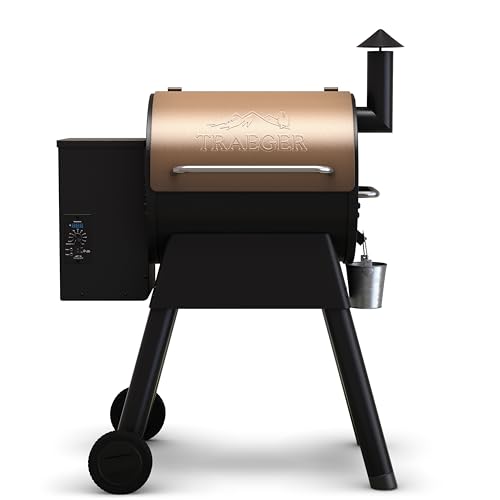
Quick Verdict: Our top pick is the Traeger Grills Pro 22 Wood Pellet Grill and Smoker, 572 sq in, 6-in-1 BBQ, Bronze (Best Overall) — Traeger Pro 22 is the brand that made pellet grilling mainstream -- reliable WiFIRE control and 572 sq in of cook space.. Priced at $497.49.
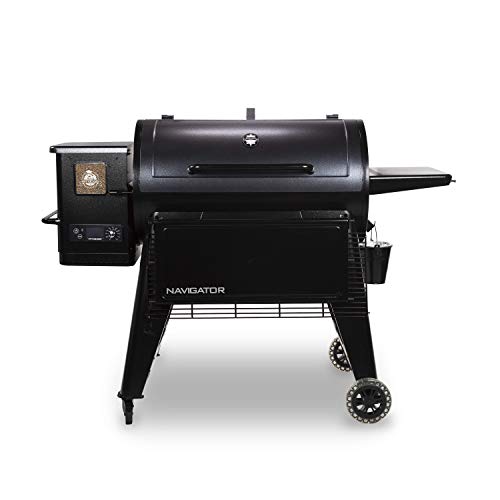
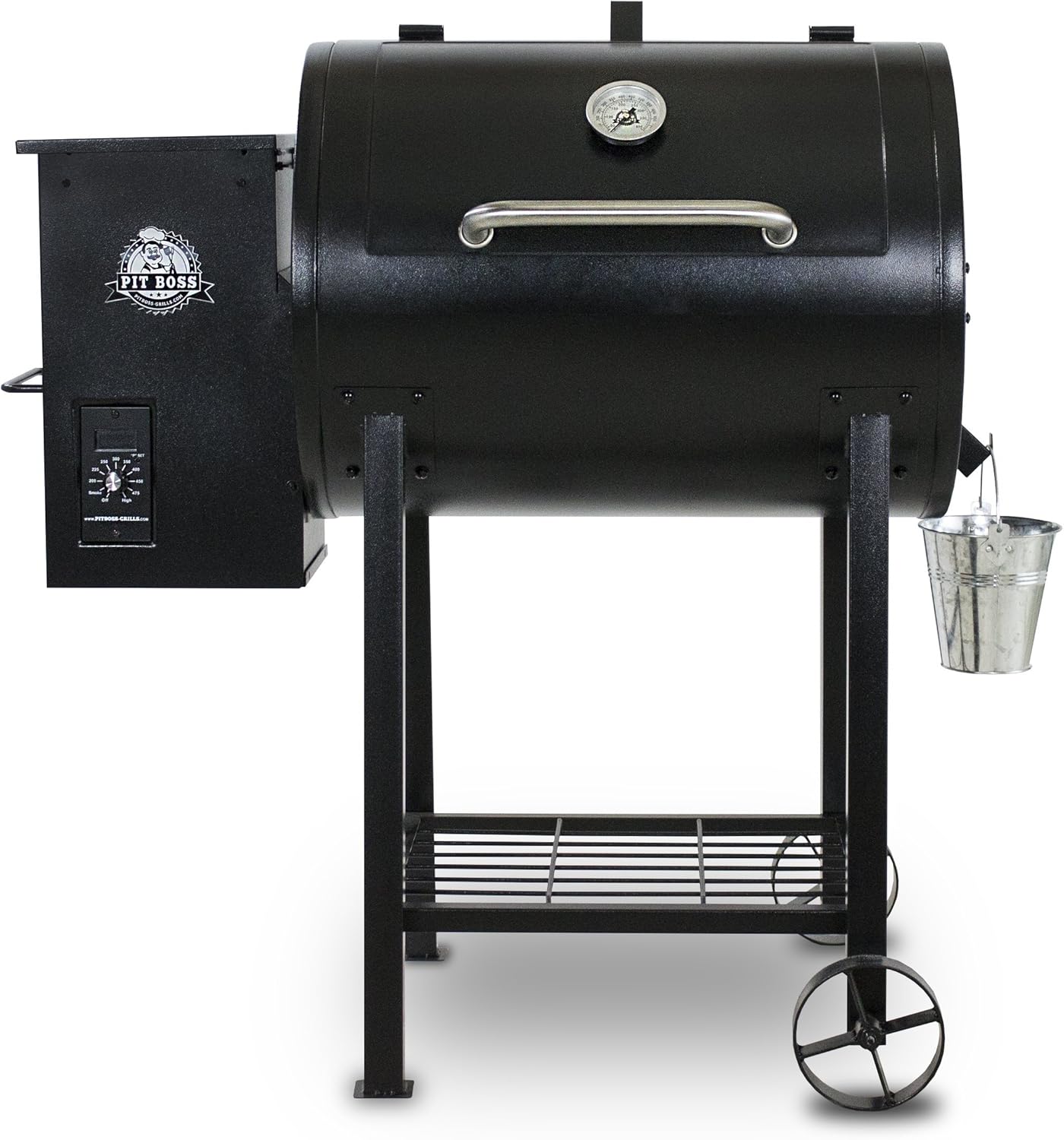
Budget Pick: The Pit Boss PB1150G Wood Pellet Grill 1150 Square Inches with Cover at $366.98 — 1150 square inches of cook space handles brisket, ribs, and a whole turkey simultaneously..
This guide is for you if:

-
You're buying your first grill and need to understand gas vs. charcoal vs. pellet trade-offs
-
You want to know what different grill types can cook before spending $300+
-
You're deciding whether a pellet grill is worth the premium over a basic setup

Skip this guide if:
-
You've chosen your grill type and just need the best model
-
You're a competition BBQ pitmaster — this guide is for backyard cooks

Quick verdict: A pellet grill uses indirect heat and wood smoke to function as an outdoor smoker, oven, and slow-roaster simultaneously. At 225-250 degrees it smokes brisket, ribs, and pork shoulder.
A pellet grill does WAY more than BBQ. If you've been thinking about getting one but aren't sure it's worth the investment, the answer to "can it do X?" is almost always yes -- and usually better than you'd expect.
Watch: Meat Church BBQ -- "Pellet Grill Brisket -- Meat Church BBQ" (https://www.youtube.com/watch?v=klmG0DQgEJs) -- Matt Pittman's pellet brisket is the video that convinced tens of thousands of people that pellet-smoked brisket can rival stick-burner results. Watch it to understand how to manage the stall and wrap timing.
HOW A PELLET GRILL ACTUALLY WORKS
Unlike a charcoal or gas grill where you're managing a flame directly, a pellet grill feeds compressed wood pellets from a hopper into a fire pot via an auger. A fan circulates the heat and smoke, an igniter rod starts combustion, and a digital controller maintains temperature within a few degrees of whatever you set. It's essentially an outdoor convection oven that also produces real wood smoke. This combination is what makes it so versatile -- it can go from 165 degrees (for cold-ish smoking and dehydrating) to 500+ degrees (for high-heat pizza and searing on models with a direct flame option).
THE WOOD PELLET FLAVOR GUIDE (What Each Wood Does)
The pellet you choose determines the smoke flavor profile. Think of this like choosing spices -- it's the seasoning for your cook, not a byproduct.
Hickory: The classic American BBQ smoke. Bold, smoky, slightly bacon-like. Best for: pork ribs, pulled pork, brisket, sausage. Strongest flavor of common pellets -- use it when you want smoke to be a primary flavor component.
Mesquite: Even bolder than hickory, with an earthy edge. Best for: beef brisket (Texas-style), fajita-style chicken, strong-flavored game meats. Can be overpowering in long cooks -- many pitmasters mix 50/50 with oak.
Cherry: Mild-medium sweetness with a slight fruity note and a beautiful mahogany color on the bark. Best for: pork ribs, chicken, duck, ham. The color effect on poultry skin is stunning -- cherry smoke turns chicken skin a rich reddish-brown that looks professionally done.
Apple: The gentlest common smoking wood. Mild, slightly sweet, barely detectable in longer cooks. Best for: chicken (especially whole birds), fish, cheese smoking, vegetables. Good for guests who say they "don't like smoky food" -- they probably don't know they don't like hickory, not smoke in general.
Oak: Medium-mild with an earthy, slightly wine-like quality. Best for: beef (classic Texas brisket wood), lamb, fish. A neutral base that lets the meat's own flavor lead. Most competition BBQ pitmasters use oak as their foundation, adding fruit woods for color.
Alder: Very mild, slightly sweet. Traditional Pacific Northwest fish smoking wood. Best for: salmon, trout, halibut, delicate vegetables.
Competition/Signature blends: Most pellet companies sell blends like "Competition Blend" (usually hickory/cherry/maple) that work well across most proteins without going all-in on any single flavor.
TEMPERATURE ZONES: WHAT TO COOK WHERE
165-200 degrees F (Cold Smoke Zone): Cheese smoking, herb dehydrating, fish for cold-smoked salmon texture, jerky (some prefer this finish temp to retain moisture).
What it looks like: The grill runs at the lowest reliable setting. Cheese holds its shape but takes on color and smoke ring. After 2-4 hours, block cheese develops a pellicle (surface skin) that carries the smoke flavor through the interior. You can smoke blocks of cheddar, gouda, or mozzarella that taste incomparably better than store-bought smoked cheese.
225-250 degrees F (The Low-and-Slow Zone): This is BBQ country. Brisket, pork shoulder, spare ribs, beef short ribs. Long cooks at this temperature allow connective tissue (collagen) to break down into gelatin over 8-16 hours, producing the fall-apart tenderness that defines great BBQ.
Watch: HowToBBQRight (Malcom Reed) -- search "Malcom Reed pellet grill ribs" on YouTube (YouTube: @HowToBBQRight). Malcom's 3-2-1 rib method is the most-shared pellet grill recipe in the BBQ community.
275-325 degrees F (The Middle Ground): Chicken pieces (thighs, drumsticks, wings), spatchcocked whole chickens, pork tenderloins, vegetables. At this temperature you get smoke penetration AND skin that renders properly rather than staying rubbery. Most pellet grill chicken failures happen because people try to cook whole pieces at 225 -- the skin never gets crispy. 325 degrees solves it.
350-375 degrees F (The Roasting Zone): Whole turkeys, beef roasts, bone-in pork shoulder (faster), stuffed peppers, potatoes, vegetable medleys. At this temperature the pellet grill behaves very much like an outdoor convection oven -- the smoke is present but subtle, and the heat circulation produces even browning.
What Thanksgiving looks like on a pellet grill: A 14-pound turkey at 325 degrees for 3.5-4 hours produces the most flavorful, evenly browned bird most people will ever eat. Cherry wood pellets give the skin a mahogany color. The smoke is mild enough that even anti-smoke guests enjoy it. This is the single most impressive cook you can show off to family.
450-500 degrees F (The High Heat Zone): Pizza, flatbreads, reverse-sear finish on steaks, searing (on models with direct flame access). At this temperature, a pizza stone placed in the grill for 30 minutes pre-heat produces a crust that rivals a wood-fired pizza oven. The combination of high heat above and the stone's radiant heat below creates the leopard-spot char on crust that marks great pizza.
Watch: search "pellet grill pizza recipe" on YouTube (YouTube: @HowToBBQRight or @MeatChurchBBQ) for the stone placement and technique.
BRISKET: THE ICONIC PELLET GRILL COOK
A 12-14 pound whole packer brisket is the pellet grill's signature achievement -- and it's more achievable on a pellet grill than on any other cooker because of the temperature stability. The general outline: