Best First Credit Card for Beginners 2026
Start with the Discover it® Secured Card. It requires a refundable $200 deposit, charges no annual fee, earns 2% cash back at restaurants and gas, and automatically upgrades qualified accounts to unsecured after 7 months.
At a Glance
| # | Card / Product | Award | Annual Fee | Rewards Rate | APR Range | |
|---|---|---|---|---|---|---|
| 1 | Discover it® Secured Credit Card | Best Overall | $0 | 2% cash back at gas stations and restaurants (up to $1,000/quarter combined); 1% on all other purchases | 26.49% Variable | Apply → |
| 2 | Capital One Platinum Secured Credit Card | Best No-Deposit Option | $0 | None | 28.99% Variable | Apply → |
| 3 | First Central Savings Bank Young Savers Account | Also Excellent | No monthly fee | No minimum deposit requirement to open | 4.00% APY on balances up to $25,000; 0.25% APY above $25,000 | Apply → |
First Credit Card for Beginners Buying Guide
 Photo by DΛVΞ GΛRCIΛ / Pexels
How we evaluated these. We compared first credit cards for beginners across no-annual-fee requirement, secured vs. unsecured options, credit-bureau reporting (all 3), APR range, credit limit graduation path, and rewards simplicity, cross-referencing NerdWallet, CFPB credit building guidance, and verified new cardholder reviews. Rates as of April 2026. Terms apply. This content is for informational purposes only and should not be considered financial advice.
The best first credit card builds your credit score while costing as little as possible — the Discover it Secured requires a $200 refundable deposit and reports to all three bureaus monthly, then automatically upgrades to an unsecured card after 7 months of on-time payments while earning 2% cash back at gas stations and restaurants. The Capital One Platinum Secured has a $49-$200 minimum deposit and no annual fee with a clear path to the unsecured Platinum card after responsible use. The Chase Sapphire Preferred at $95 annually is the right target card once your score clears 700 and you want travel rewards. This guide covers the credit-building sequence from secured card through first rewards card, and what milestones to hit before applying for each upgrade.
Affiliate disclosure: Some products featured are from partners who compensate us. This does not affect our ratings or editorial recommendations.
What Every Beginner Needs to Know About First Credit Cards
Getting your first credit card is one of the most important financial moves you'll make in your 20s. Done right, it builds a credit score that saves you thousands on future car loans, mortgages, and even apartment applications. Done wrong, it creates debt that follows you for years.The Two Types of Beginner Credit Cards
Secured cards require a refundable deposit (usually $200–$500) that becomes your credit limit. The card issuer holds this money as collateral. The secured deposit serves as collateral, making these cards broadly accessible — even to applicants with no credit history. Your deposit is fully refunded when you close the account or graduate to an unsecured card. Student cards don't require a deposit but are designed for college students who can prove enrollment. They often have slightly easier approval standards than standard unsecured cards.What to Look for as a Beginner
1. Reports to all 3 credit bureaus — This is non-negotiable. If a card doesn't report to Equifax, Experian, and TransUnion, it won't build your credit score. Always verify before applying. 2. No annual fee — Don't pay $99/year for a card you're using to build credit. Plenty of excellent beginner cards are free. 3. Automatic upgrade path — The best secured cards automatically review your account every 6–12 months and upgrade you to unsecured when you qualify, returning your deposit. 4. Low or no foreign transaction fees — Many beginner cards charge 3% on purchases abroad. If you travel at all, look for 0% foreign transaction fees.How Credit Scores Actually Work
Your FICO score is built from 5 factors:- Payment history (35%) — Always pay on time, even just the minimum
- Credit utilization (30%) — Keep balances below 30% of your limit (below 10% is ideal)
- Length of credit history (15%) — Older accounts help; don't close your first card
- Credit mix (10%) — Eventually having credit cards + installment loans helps
- New credit (10%) — Too many applications in a short window temporarily hurts your score
What Beginners Should Skip
Skip: Cards with annual fees over $0 — you don't need rewards yet, you need to build credit history without extra costs. Skip: Store credit cards (Target RedCard, Amazon Store Card as a first card) — high interest rates, very limited usability at only one retailer, and they count as "retail cards" which score differently. Skip: Credit builder loans as your only tool — they work, but you need a revolving credit account (credit card) in your mix too. Skip: Prepaid debit cards marketed as "credit cards" — these do not build credit at all, regardless of what the marketing says. Skip: Cards requiring excellent credit — know your credit tier before applying. Applying for a card you don't qualify for results in a hard inquiry that temporarily lowers your score.The 6-Month Game Plan
Month 1: Apply for your card, use it for one small recurring purchase (Netflix, a grocery run) Month 2–6: Pay the full statement balance every single month, on time Month 6: Check if you qualify for an upgrade. Your score should be 650+ if you started from 0. Month 12: Consider adding a second card to diversify your credit mixUnderstanding APR
APR (Annual Percentage Rate) on beginner cards is typically 22–28%. This sounds alarming, but it only matters if you carry a balance. If you pay your statement balance in full every month, you pay $0 in interest regardless of APR. The APR on your first card is irrelevant if you use it correctly.For a step-by-step framework on choosing your first card, How to Pick Your First Credit Card in 2026 covers credit score requirements, annual fee math, and which card types build credit fastest. Once you've established credit history, our Best Credit Cards of 2026 covers the upgrade picks worth switching to after 12-18 months. For the rewards cards that become available as your score grows, Best Rewards Credit Cards of 2026 ranks cash back and points earners by everyday value.

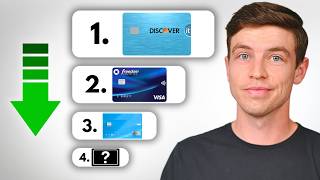
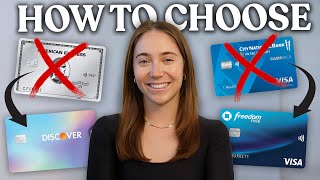
The Discover it® Secured Credit Card ($0) is Best Overall — People with no credit history who want to earn rewards while building credit. The Capital One Platinum Secured Credit ($0) earns Best No-Deposit Option status — Applicants who want to start with the lowest possible security deposit ($49). The Chase Sapphire Preferred® Card ($0) is Best if You Have Some History — Travelers who want transferable points to Hyatt and United at a much lower $95 annual fee.
This content is for informational purposes only and should not be considered financial advice. Consult a qualified financial professional before making major financial decisions.
Discover it® Secured Credit Card
“No annual fee, guaranteed credit bureau reporting, and automatic upgrade to unsecured after 7 months makes this the single best first card.”
What we like
- $0 annual fee — no cost to build credit
- 2% cash back at gas stations and restaurants (up to $1,000/quarter combined), 1% everywhere else
- Cashback Match: Discover matches all cash back earned in your first year automatically
- Automatic account review starting at 7 months for upgrade to unsecured card
- No foreign transaction fees — unusual for a secured card
- Reports to all three major credit bureaus monthly
Watch out for
- Minimum $200 security deposit required to open the account
- 26.49% Variable APR — avoid carrying a balance
- 2% category capped at $1,000/quarter combined gas + restaurants
Rates as of April 16, 2026. Terms apply. Verify on issuer site.
Capital One Platinum Secured Credit Card
“Capital One's secured card has a low $49–$200 deposit and can upgrade to Quicksilver rewards card after responsible use.”
What we like
- Security deposit as low as $49 to open (depending on creditworthiness)
- $0 annual fee
- Automatic credit line review and consideration for upgrade in as little as 6 months
- Reports to all three major credit bureaus monthly
- No foreign transaction fees
Watch out for
- 28.99% Variable APR — among the highest for secured cards
- No rewards of any kind
- Minimum $200 credit limit regardless of deposit amount paid
Rates as of April 16, 2026. Terms apply. Verify on issuer site.
First Central Savings Bank Young Savers Account
“The First Central Savings Bank Young Savers Account offers a 4.00% APY on balances up to $25,000 — the highest rate on this list — with no monthly fees and FDIC insurance. Balances above $25,000 still”
What we like
- 4.00% APY on balances up to $25,000 — highest rate on this list
- 0.25% APY on balances above $25,000 — still earns interest on larger balances
- No monthly fees
- Customizable alerts for parents
- FDIC insured
Watch out for
- Smaller, regional bank — less brand recognition than Ally or Capital One
- Rate is variable and subject to change
- Limited physical branch network
Rates as of April 16, 2026. Terms apply. Verify on issuer site.
Frequently Asked Questions
What credit score do I need for my first credit card?
How long does it take to build a credit score from nothing?
Should I pay the minimum or the full balance each month?
Will applying for a credit card hurt my credit score?
When should I get my second credit card?
How We Evaluate Financial Products
We compare financial products based on objective criteria: annual fees, APR ranges, rewards rates, sign-up bonuses, and key perks. We do not factor in issuer relationships or compensation when determining rankings. Products are ranked based on overall value for the target use case described on this page.
Rates and terms change frequently. We update these pages regularly, but always verify current rates directly on the issuer’s website before applying. APR ranges shown reflect the full possible range — your actual rate depends on your creditworthiness.
This content is for informational purposes only and should not be considered financial advice. We compare products; we do not advise on which product is right for your personal financial situation. Read our full methodology →