How to Choose a Protein Powder That Matches How You Train (2026)
For most people lifting 3-5 days a week and eating a reasonable diet: a basic whey concentrate like Optimum Nutrition Gold Standard is all you need, taken whenever is convenient. Whey isolate (less lactose, faster absorption) for lactose-sensitive athletes. Plant protein for vegans or those with dairy issues. Collagen for connective tissue and joint support, not muscle growth. Casein at night if you want a slow-digesting option. The total amount of protein you eat daily matters far more than when you take it or which type you choose.
How to Choose a Protein Powder That Matches How You Train (2026) Buying Guide
 Photo by www.kaboompics.com / Pexels
Great for: Athletes and gym-goers struggling to hit daily protein targets from food alone, and post-workout recovery prioritizers
Not ideal if: You already hit 0.7-1g of protein per pound of bodyweight from food — supplementation adds calories without much benefit
Quick Comparison
| Feature | Whey Concentrate | Whey Isolate | Casein | Plant-Based | Collagen |
|---|---|---|---|---|---|
| Best For | Post-workout recovery | Lactose-sensitive, lean | Before bed (slow release) | Vegan, dairy-free | Joints, skin, hair |
| Protein per Serving | 22-25 g | 25-27 g | 24-27 g | 18-25 g | 10-20 g |
| Absorption Speed | Fast (1-2 hrs) | Fast (slightly faster) | Slow (6-8 hrs) | Moderate | N/A (not muscle protein) |
| Lactose | Yes (some) | Minimal (<1%) | Yes | None | None |
| Amino Profile | Complete | Complete | Complete | Often complete (pea+rice) | Incomplete (no Trp) |
| Price / Serving | $0.50-1.00 | $0.80-1.50 | $0.80-1.30 | $0.80-1.50 | $0.60-1.20 |
| Our Pick | Optimum Gold Standard | Dymatize ISO100 | Optimum Casein | Garden of Life Sport | Vital Proteins |
Which Protein Powder Actually Matches How YOU Train?
Before buying anything, ask one question: what is your primary goal? The answer changes which type makes sense.
- Building muscle: Any complete protein source (whey, casein, soy, pea + rice blend). Total daily intake is what drives growth — the supplement type is secondary.
- Losing fat while preserving muscle: High-protein, low-calorie options — whey isolate, plant isolate, or egg white protein. Avoid mass gainers entirely.
- Endurance training (running, cycling, triathlon): Protein needs are lower and often met through food. A basic whey or plant protein post-long-run helps recovery, but you rarely need more than 20–25g.
- Joint and connective tissue support: Collagen peptides, specifically, because they provide the amino acids (glycine, proline, hydroxyproline) that tendons, ligaments, and cartilage use. Not a substitute for complete protein.
- Gaining weight (hard gainer, underweight): Mass gainers make sense if you genuinely cannot eat enough calories. Not if you just want muscle — those extra carbohydrates and calories will add fat alongside muscle if you are not in a consistent caloric deficit.
How We Chose
We researched dozens of options, analyzed thousands of verified reviews on Amazon and Reddit, and cross-referenced expert recommendations from Examine.com evidence database, Labdoor supplement testing, and ConsumerLab.com. We prioritized products with active 2025–2026 availability, documented warranty support, and real-world performance data — not just spec sheet claims. Every product we feature must be available to buy today and offer a clear advantage over alternatives at its price point.
The Types Explained: What Is Actually In the Tub
Whey Concentrate — The Baseline
Whey is the liquid byproduct of cheese manufacturing. Whey concentrate is the minimally processed version: 70–80% protein by weight, with the remaining 20–30% being fat, carbohydrates, and lactose. It mixes well, tastes good (it is the flavoring base most brands perfect first), and is the most affordable form of whey.
Good for: Healthy adults with no lactose sensitivity. Post-workout or any time you need extra protein. The original and still most popular form.
Limitation: If you are lactose intolerant, the lactose content in concentrate may cause bloating or digestive discomfort. Switch to isolate.
See our full breakdown: Best Whey Protein Powders 2026
Whey Isolate — Cleaner, Faster, Pricier
Whey isolate is further filtered to remove most of the fat and lactose, leaving 90%+ protein by weight. It is absorbed faster than concentrate (meaningful in a very short post-workout window, though the difference in muscle protein synthesis is small in practice), and it is far better tolerated by people with lactose sensitivity.
Good for: Lactose-sensitive athletes. People who want the most protein per calorie. Those who mix protein with calorie-tracked meals and want a clean macro profile.
The honest trade-off: You are paying 30–60% more per serving for a benefit (faster absorption) that matters mainly at the margins. If your goal is building muscle and you are eating adequate total protein, the concentrate vs isolate distinction will not change your results.
Hydrolyzed Whey — Pre-Digested Protein
Hydrolyzed whey is enzymatically broken down into smaller peptides, making it the fastest-absorbing whey option. It is used in clinical nutrition, post-surgical recovery, and by serious athletes who want the fastest possible amino acid delivery.
Good for: Elite athletes with genuinely narrow post-workout windows. Clinical recovery contexts. People with protein digestion issues who absorb peptides better than whole proteins.
Reality check: For recreational athletes — including most people who go to the gym — hydrolyzed whey costs significantly more and the performance difference from concentrate is not measurable in most training scenarios.
Casein — Slow-Release, Night-Time Protein
Casein is the other protein in milk. It forms a gel in your stomach that is digested over 5–7 hours instead of the 1–2 hours of whey. The slower release keeps blood amino acid levels elevated longer, which is the basis for the "take it before bed" recommendation.
A 2017 meta-analysis published in the Journal of the International Society of Sports Nutrition found that pre-sleep casein protein consumption increased overnight muscle protein synthesis. The effect is real but modest — meaningful for serious competitive athletes, less so for recreational gym-goers.
Good for: Athletes who go more than 8 hours overnight without eating. People who find themselves hungry late at night (casein is very satiating). Anyone already optimizing every variable in their nutrition.
Reality check: Most people sleep 7–8 hours. The overnight protein synthesis advantage is measurable but not dramatic. If you are not already hitting your daily protein target from food and basic supplementation, buying casein is skipping step 3 while missing step 1.
At a Glance
| # | Product | Award | Price | Our Score | |
|---|---|---|---|---|---|
| 1 | 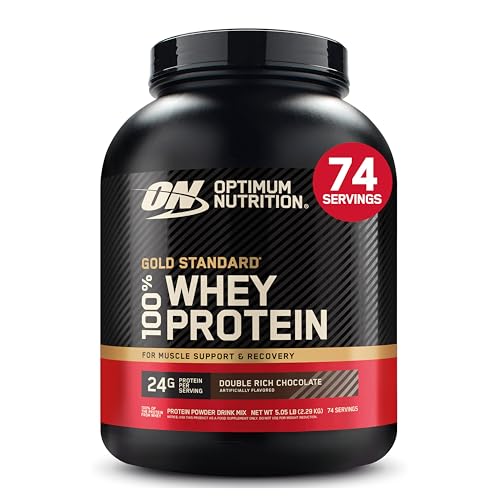 Optimum Nutrition Gold Standard 100% Wh… Optimum Nutrition Gold Standard 100% Wh… |
Best Overall | $74 | 9.2 | Buy → |
| 2 | 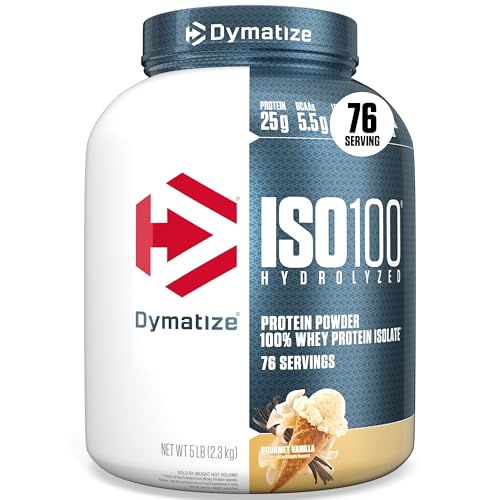 Dymatize ISO100 Hydrolyzed Whey Protein… Dymatize ISO100 Hydrolyzed Whey Protein… |
Best Whey Isolate | $137 | 8.9 | Buy → |
| 3 | 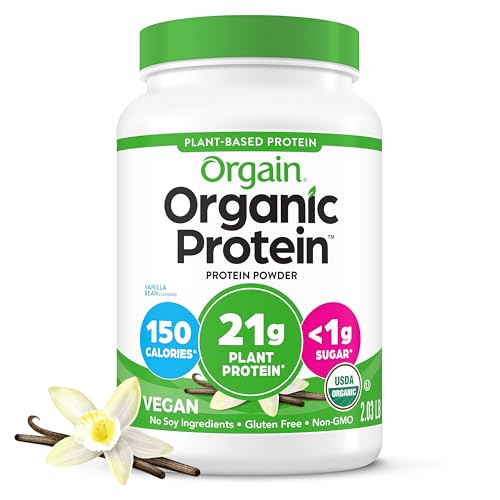 Orgain Organic Vegan Protein Powder Van… Orgain Organic Vegan Protein Powder Van… |
Best Plant-Based Protein | $29 | 8.5 | Buy → |
| 4 |  Great Lakes Wellness Collagen Peptides … Great Lakes Wellness Collagen Peptides … |
Best Collagen Option | $19 | 8.2 | Buy → |
| 5 | 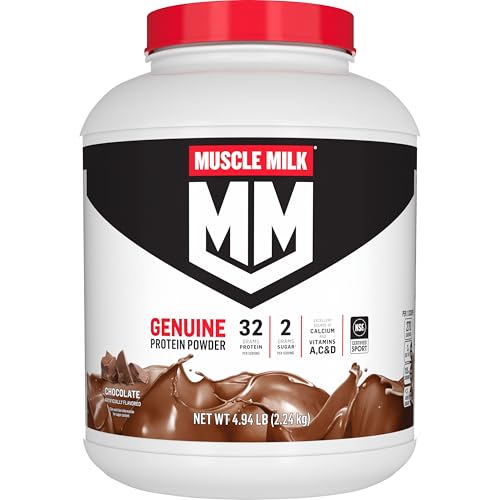 Muscle Milk Genuine Protein Powder Choc… Muscle Milk Genuine Protein Powder Choc… |
Best for Extra Calories | $54 | 7.8 | Buy → |
Showing 5 of 5 products

Optimum Nutrition Gold Standard 100% Whey Protein Powder Double Rich Chocolate
“Optimum Nutrition Gold Standard is the benchmark protein powder — consistent quality, best-in-class flavors, and a track record that every competitor measures itself against.”
See Today’s Price →What we like
Watch out for
Read Full Analysis
Optimum Nutrition Gold Standard 100% Whey has earned its place as the benchmark protein powder for over two decades. Each scoop delivers 24 grams of whey protein (a blend of whey isolate, concentrate, and peptides), 5.5g of naturally occurring BCAAs, and 4g of glutamine — all at roughly $1.25–$1.50 per serving depending on the size you buy. The flavor lineup is genuinely excellent, with Double Rich Chocolate and Extreme Milk Chocolate standing out as crowd favorites that mix smoothly in just water. Mixability is where ON Gold Standard consistently beats cheaper alternatives: the lecithin-based formula dissolves with a shaker in under 30 seconds with no clumping. Third-party tested and Informed Sport certified, so you can trust what's on the label. The one honest caveat: it uses whey concentrate as the primary source (not pure isolate), so if you're lactose-sensitive you may notice mild bloating. For the vast majority of people — casual gym-goers to serious athletes — this is the most reliable choice at the best price-to-quality ratio on the market.

Dymatize ISO100 Hydrolyzed Whey Protein Isolate Gourmet Vanilla 5 lbs
“Best protein powder for weight loss macros. 25g hydrolyzed isolate at 110 calories is the gold standard macro profile for calorie-controlled cutting phases.”
See Today’s Price →What we like
- 25g hydrolyzed whey isolate per serving
- Under 110 calories, under 1g fat, under 1g sugar
- Fastest digesting protein form available
- NSF Certified for Sport available
Watch out for
- Higher price at $0.86/serving
- Not dairy-free
- Thin texture compared to concentrate blends
Read Full Analysis
Dymatize ISO100 Hydrolyzed Whey Protein Isolate is what you buy when purity matters more than price. Each scoop delivers 25g of protein from 100% hydrolyzed whey isolate — a process that pre-digests the protein into smaller peptides for faster absorption. Fat content is essentially zero (0.5g), carbohydrates are minimal (2g), and lactose is virtually eliminated, making this the top pick for anyone who experiences digestive issues with standard whey. The trade-off is straightforward: ISO100 costs significantly more than whey concentrate options. Whether that premium is worth it depends on your goals. Serious athletes training multiple sessions per day, people managing lactose sensitivity, or those who want the cleanest possible macros will find the cost justified. The Fudge Brownie and Fruity Pebbles flavors (licensed) are genuinely good. Mixability is flawless — hydrolyzed whey is notoriously easy to blend. Informed Sport certified. If budget is a concern, ON Gold Standard delivers excellent results for most people at a lower cost.
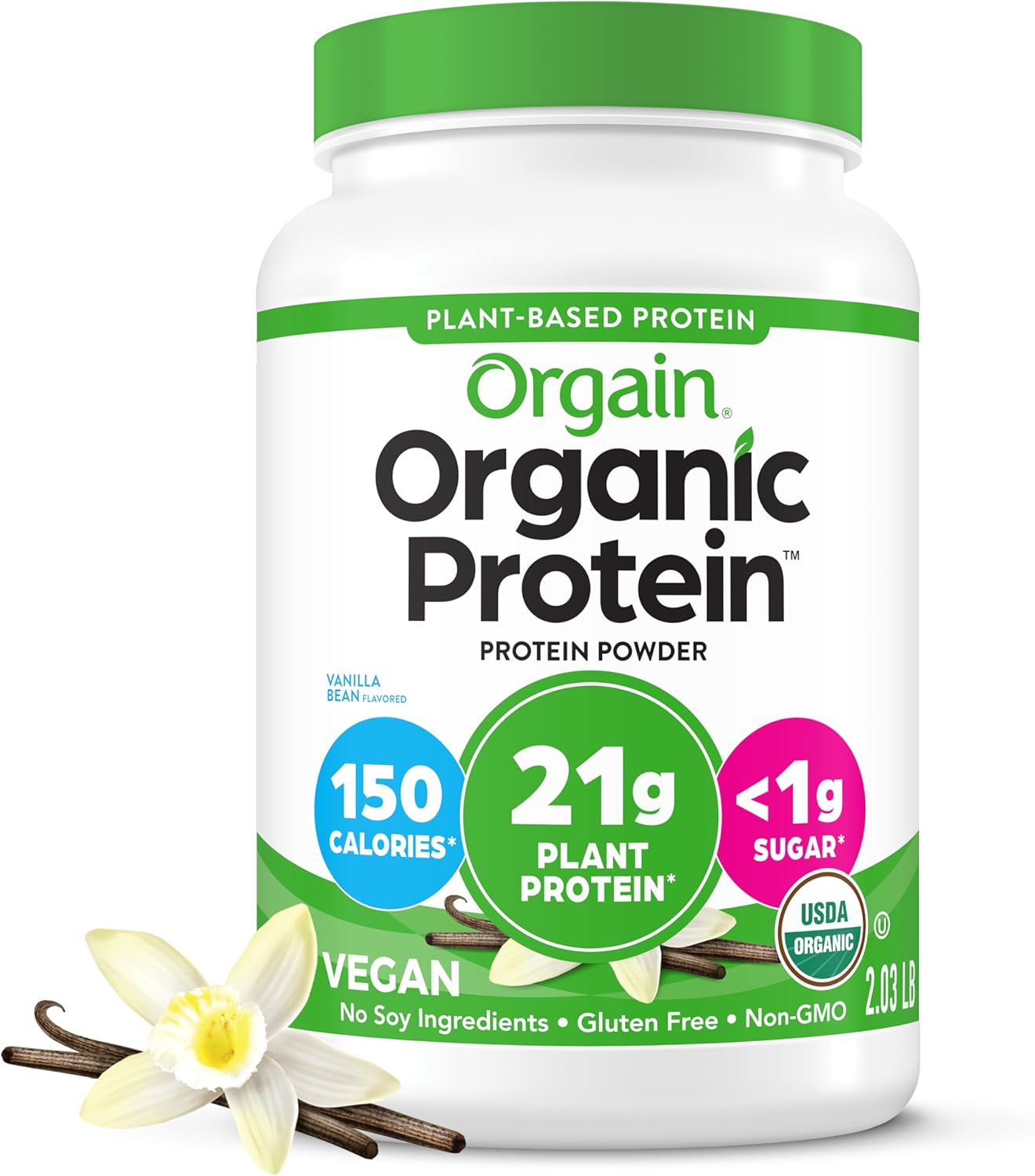
Orgain Organic Vegan Protein Powder Vanilla Bean 21g Plant Protein 2.03 lb

Great Lakes Wellness Collagen Peptides Powder 16oz
“Great Lakes Wellness is the no-frills collagen powder with decades of reliable sourcing. The best cost-per-gram ratio of any top-tier collagen brand.”
See Today’s Price →What we like
- Best price per gram of collagen
- Long-standing brand with clean track record
- Dissolves easily hot or cold
- Kosher and halal certified
Watch out for
- No added nutrients (just collagen)
- Plain packaging
- Slightly older product in a crowded market
Read Full Analysis
Great Lakes Wellness Collagen Peptides stand apart from whey and plant proteins because they serve a completely different function. These hydrolyzed collagen peptides (from grass-fed, pasture-raised bovine) are flavorless, odorless, and dissolve completely in hot or cold liquids — including your morning coffee — without any texture change. Each serving delivers 11g of collagen protein with a unique amino acid profile heavy in glycine, proline, and hydroxyproline: the building blocks of skin, hair, nails, joints, and connective tissue. Research from the American Journal of Clinical Nutrition and multiple peer-reviewed studies supports collagen peptide supplementation for joint discomfort and skin elasticity improvement. Important caveat: collagen is NOT a complete protein and should not replace whey or plant protein as your primary source. It's a functional add-on, not a muscle-building protein. The convenience factor is legitimately excellent — unflavored collagen is the easiest supplement to incorporate consistently. Non-GMO, gluten-free, dairy-free, and Whole30 approved. At under $20 per container, it's one of the most cost-effective supplements in the health category.

Muscle Milk Genuine Protein Powder Chocolate 4.94 lbs
“The best value complete protein for weight loss on a budget — sustained-release blend keeps you full for hours.”
See Today’s Price →What we like
- 32g protein per serving
- Sustained-release blend (casein + whey) extends satiety
- Large 4.94 lb size delivers good value per serving
- Widely available and trusted brand
Watch out for
- Higher calorie than pure isolates (280 cal)
- Contains some fat and more carbs than isolates
- Some artificial flavors
Read Full Analysis
Muscle Milk Genuine Protein Powder fills a specific niche: it's not a pure protein supplement but a nutrient-dense shake that includes protein alongside fats and carbohydrates. Each serving delivers 32g protein combined with 9g fat (including MCTs) and carbohydrates from a blend that is designed to sustain energy over several hours rather than spike-and-crash. This makes Muscle Milk genuinely useful for hard gainers trying to increase total caloric intake, athletes with high energy expenditure, or anyone who wants a meal replacement that's more filling than a straight protein shake. The calorie count per serving is meaningfully higher than a standard whey protein, which is the entire point. Flavors are good — Cookies 'N Creme and Chocolate are the perennial favorites. Lactose-free despite being a dairy-derived protein (uses caseinate rather than whey lactose fractions). The honest downside: if you're tracking macros strictly for fat loss, the added fats and calories are a drawback rather than a feature. But for the use case it's designed for — sustained energy and caloric support — Muscle Milk does exactly what it promises.
Frequently Asked Questions
How much protein do I actually need per day?
Is plant protein as effective as whey for building muscle?
When should I take protein powder — before or after workout?
What is the difference between whey concentrate and whey isolate?
Does protein powder cause kidney damage?
Should I take collagen for muscle building?
Is amino spiking a real problem?
How do I know if my protein powder is third-party tested?
How We Analyze Products
We analyze Amazon review data — often thousands of reviews per product — to surface patterns that individual buyers miss. Our process aggregates star ratings, review counts, and buyer sentiment at scale, identifying which strengths and weaknesses appear consistently across the largest review samples available. The 70,726+ reviews analyzed on this page represent real verified-purchase feedback from Amazon buyers.
Each product earned its placement through data: total review volume, average rating, and the specific praise and complaints that repeat most often across buyers. No manufacturer paid for placement on this page. Products appear here because buyers endorsed them at scale, not because a company asked us to feature them.
We use AI to summarize review sentiment — not to fabricate opinions, but to condense what thousands of buyers actually wrote into a readable format. The pros and cons you see reflect the most common themes found in verified purchaser reviews, paraphrased for clarity. We do not claim to have accessed Reddit, YouTube, or specific publications in generating these summaries.
Prices shown reflect Amazon pricing at the time this page was last generated. Click “See Today’s Price” to get the current live price on Amazon. Read our full methodology →