How to Choose a Pasta Maker: Manual vs Electric, Attachment vs Standalone (2026)
The Marcato Atlas 150 is the best manual pasta maker for home cooks — a stainless steel roller produces sheets from paper-thin (setting 9) to tagliatelle-thick (setting 1) with restaurant-smooth results. For shaped pasta like rigatoni or fusilli, an electric extruder ($200+) is a separate category entirely.
How to Choose a Pasta Maker Buying Guide
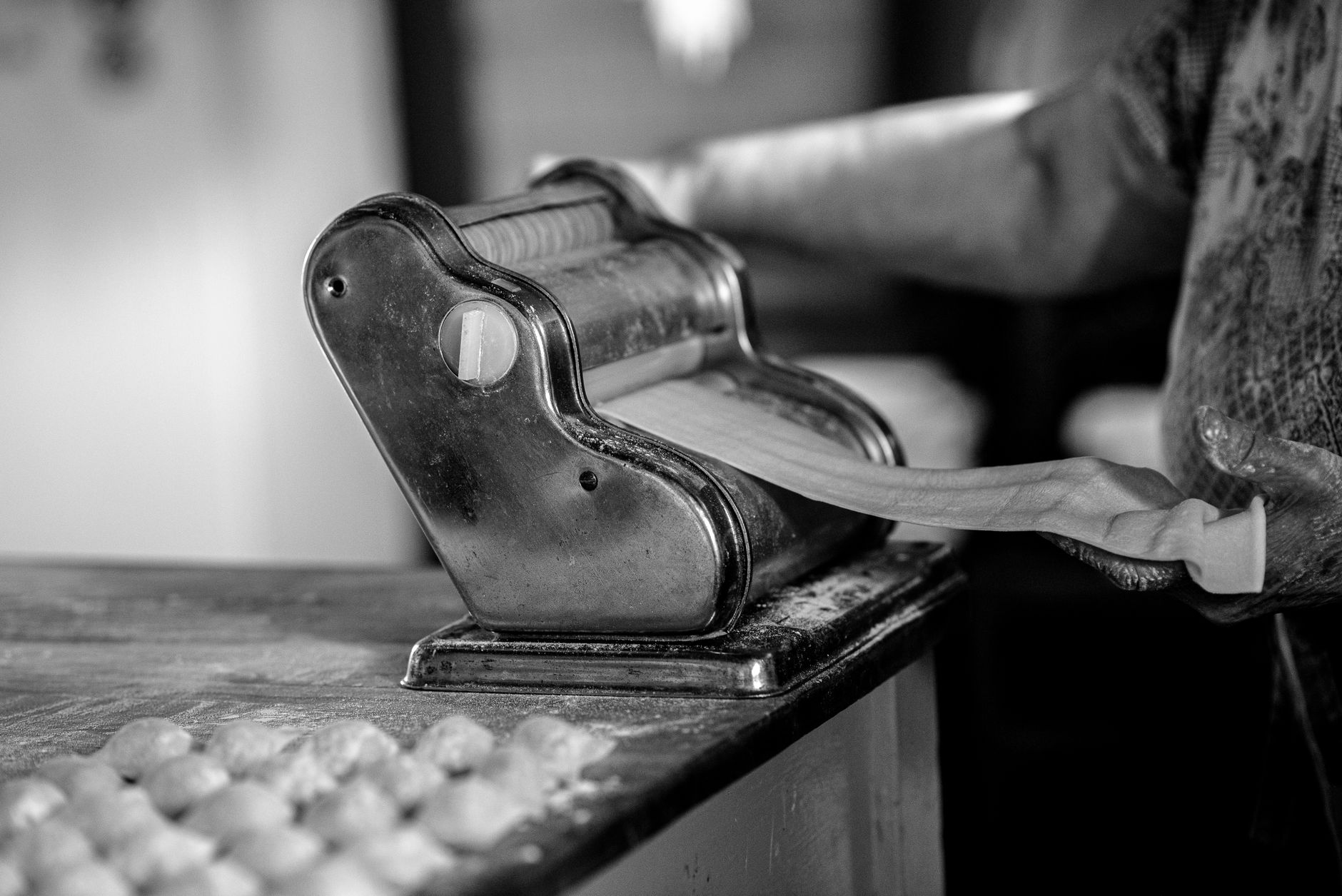 Photo by Natalia Olivera / Pexels
Fresh pasta takes 20–30 minutes and costs $0.50–1.00 per serving vs $2–4 for boxed pasta. The equipment barrier is lower than most people think — the right machine matters more than technique.
How We Evaluate Pasta Makers
We analyzed the three major pasta-making approaches (manual roller, stand mixer attachment, electric extruder), reviewing torque requirements, thickness consistency, cleaning difficulty, and dough compatibility. Sources include culinary school curricula, manufacturer engineering specs, and food science research on pasta gluten development.
Manual Atlas-Style Rollers ($40–80): Best for Beginners and Occasional Use
The Marcato Atlas 150 is the benchmark: 9 thickness settings from 3mm to 0.6mm, covers 150mm width, produces fettuccine and tagliatelle with included cutters. Manual cranking develops a feel for dough hydration that electric machines skip. Limitation: one sheet at a time, requires clamping to counter, takes practice to feed evenly. Cleanup: brush dry, never wet — water rusts the chrome rollers. Lifespan: 20+ years with basic care.

Suitable for: fettuccine, tagliatelle, pappardelle, lasagna sheets. Not suitable for: extruded shapes (rigatoni, penne, spaghetti from a die).
KitchenAid Pasta Attachments ($80–180): Best for Stand Mixer Owners
The KitchenAid pasta roller attachment set includes roller, spaghetti cutter, and fettuccine cutter ($59.48 for set, $100–130 for roller only). Powered by the mixer's motor — you feed dough with two hands while the machine drives the rollers. Produces consistent sheet thickness more easily than manual cranking. The motor is powerful enough for stiff semolina doughs that fatigue arms on manual machines.
Additional extruder attachments ($150–180) produce 6 pasta shapes. Important caveat: the KitchenAid extruder is plastic-die based and produces ridged pasta (rigatoni, spaghetti, etc.) but the texture is less defined than bronze-die standalone extruders. Not suitable for: intricate shaped pasta like orecchiette, which requires hand-forming.
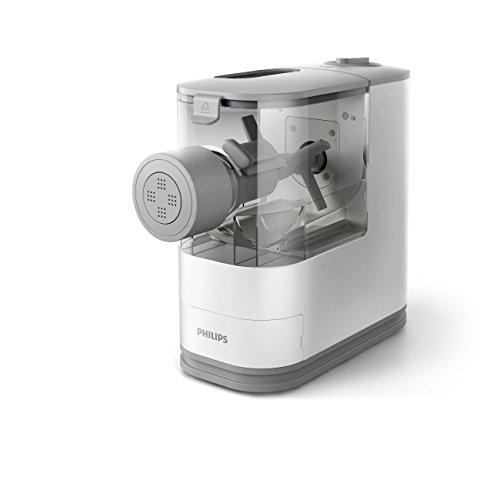
Standalone Electric Extruders ($200–700): Best for Frequent Use and Shaped Pasta
Philips Pasta Maker Avance ($230–280) is the entry-level leader: mixes dough automatically (add flour + liquid), extrudes 8 shapes, makes 2–4 servings in 10 minutes with minimal labor. The trade-off is cleaning — the mixing chamber and dies require thorough drying to prevent mold. Food-safe bronze dies ($20–30 each) produce a rougher, porous pasta surface that holds sauce better than Teflon dies.
Professional extruders (Philips 7000 series, $500–700): hold more dough, more die options, easier cleaning. For households making pasta 2–3x per week, the time savings justify the price over 12–18 months.
Key Specs to Compare
- Thickness settings: Minimum 7 settings for adequate control. Most fresh pasta is made at setting 5–7 of 9 (1–2mm). Pasta for stuffed shapes (ravioli) needs setting 7–8 of 9 (thinner).
- Sheet width: 150mm (6 inches) for standard manual rollers; 140mm for KitchenAid. Wider = fewer passes for lasagna sheets.
- Dough compatibility: Manual and KitchenAid handle both 00 flour pasta (high gluten, low hydration 50–55%) and semolina pasta (coarser, 45–50% hydration). Electric extruders handle semolina pasta best — the higher gluten and lower hydration is what creates defined extrusion shapes.
- Die materials: Teflon dies (most budget machines) create smooth pasta that sauce slides off. Bronze dies create micro-rough surfaces that sauce clings to. For sauce adherence: bronze dies every time.
Pasta Dough Hydration by Type
Egg pasta (Southern Italy style): 1 egg per 100g 00 flour = ~55% hydration. Rolls beautifully, folds for ravioli. Semolina-water pasta (Southern Italy extruded): 45–48% hydration. Stiff dough that holds shape through extrusion but hard to roll thin. Spinach pasta: replace 30% of egg liquid with spinach puree. Beet pasta: same approach. Squid ink: 1 teaspoon per 200g flour — fold in during mixing, not kneading.
Cleaning and Maintenance
Manual rollers: brush dry, never water. Use a dry pastry brush after each use; if dough dries in the rollers, run a scrap of dough through to pull it out. Never oil the rollers — it migrates into the pasta. KitchenAid attachments: rinse with water, dry thoroughly. Dishwasher not recommended (dulls the cutting edges). Electric extruders: the dies are the critical part — soak in warm water 20–30 minutes after use, dry with a toothbrush. Never put dies in the dishwasher — high heat warps plastic dies and accelerates bronze oxidation.
Watch Before You Buy
“Atlas 150 performance with a cleaner, more refined design. 4.8 stars from 990 Amazon reviews signal consistent reliability.”
See Today’s Price →What we like
- Atlas 150 performance with a cleaner, more refined design
- Available in chrome and multiple anodized aluminum colors
- Same 9 thickness settings as the Classic
- Slightly smoother handle action than the Classic
- Made in Italy
Watch out for
- More expensive than the Atlas 150 Classic for essentially the same pasta performance
- Color options vary in availability
Read Full Analysis
Atlas 150 performance with a cleaner, more refined design Available in chrome and multiple anodized aluminum colors More expensive than the Atlas 150 Classic for essentially the same pasta performance Keep in mind: color options vary in availability.
“Electric pasta extruder automatically mixes, kneads, and extrudes fresh pasta from flour and egg in about 10 minutes — the Philips Viva for pasta enthusiasts who want fresh noodles…”
See Today’s Price →Watch out for
- Hand-wash recommended for some parts to extend coating or surface lifespan
- Counter space commitment may be challenging in very small kitchens

“Less than 1/3 the price of the official KitchenAid KSMPRA set.”
See Today’s Price →What we like
- Sheet roller, spaghetti cutter and fettuccine cutter in one set
- Fits KitchenAid stand mixers
- 8 thickness settings on a 5.5-inch roller
- Stainless steel rollers and cutters
- Cleaning brush and removable cover
Watch out for
- Works only with a KitchenAid stand mixer
Read Full Analysis
The Antree 3-in-1 Pasta Attachment earns its place on this page through a specific value calculation: it delivers the three core pasta-making attachment types — sheet roller, spaghetti cutter, fettuccine cutter — for roughly one-third the price of the official KitchenAid KSMPRA set, while fitting every current and legacy KitchenAid stand mixer through the standard power hub interface. For households that already own a KitchenAid and want to add fresh pasta to their repertoire without buying a standalone machine or paying the premium for first-party accessories, the attachment route is the most space-efficient and cost-efficient path. That data volume filters out production batch variability and reflects sustained performance across years of buyer experience, not early-adopter enthusiasm. The included cleaning brush addresses a maintenance detail that many buyers discover the hard way: dried pasta dough in roller slots requires a brush rather than water (water swells the dough rather than removing it), and a brush in the kit ensures buyers have the right tool from day one. The honest limitations versus official KitchenAid attachments are finish quality and roller consistency: some buyers report slightly less uniform sheet thickness at the thinnest settings compared to the KSMPRA, and the construction materials are slightly less refined at this price point. For everyday pasta use at home — pappardelle, tagliatelle, lasagna sheets — these are acceptable tradeoffs. For buyers who want the most precise sheet thickness control for delicate fresh pasta, the Marcato Atlas 150 at rank 1 offers Italian-made roller precision as a standalone machine.
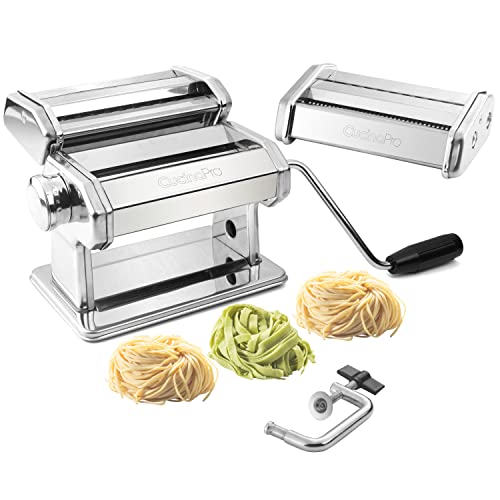
“Most affordable manual pasta machine at under $40. 4.0 stars from 1,098 Amazon reviews signal consistent reliability.”
See Today’s Price →What we like
- Heavyweight chromed steel construction
- Spaghetti and fettuccine attachments included
- Adjustable roller thickness
- Directions and recipes included
Watch out for
- The listing does not say how many thickness settings it has
Read Full Analysis
The CucinaPro Pasta Maker Machine 150 is the accessible entry point for first-time fresh pasta makers who want to test the process before committing to the Marcato Atlas 150 or the Philips Viva automatic machine. The core functionality is intact: seven thickness settings cover the range from thick pappardelle sheets to thin pasta dough, the chrome-plated rollers handle standard egg and semolina doughs, and the included fettuccine cutter produces the most common fresh pasta format without requiring a separate attachment purchase. The 4.0-star rating from 1,098 reviews is honest about the tradeoffs. Chrome-plated steel is lighter and less precise than the stainless construction used in Italian-made machines like the Marcato or Imperia — budget machines at this price point show roller flex under heavy, stiff doughs, which can produce inconsistent sheet thickness if the dough isn't properly hydrated and rested. For beginners still learning proper pasta dough hydration, this variability may be indistinguishable from technique variation during the learning phase. The practical use case is households who make fresh pasta occasionally — monthly rather than weekly — and who want a functional machine without the commitment of a high-end model. A year's occasional use amortizes the cost to cents per batch. If pasta making becomes a regular habit, the upgrade path is clear: the Marcato Atlas 150 at rank 1 offers significantly better build quality and more consistent sheet thickness for the step-up investment. The CucinaPro is correctly positioned as an entry point, not a permanent solution for frequent pasta makers.

“Hand-crank pasta roller with 9 thickness settings from 2mm down to paper-thin for fresh sheets, tagliatelle, and fettuccine — the Sailnovo for pasta makers who prefer hands-on rolling with…”
See Today’s Price →Watch out for
- Hand-wash recommended for some parts to extend coating or surface lifespan
- Counter space commitment may be challenging in very small kitchens
Frequently Asked Questions
Do I need a pasta maker or can I roll pasta by hand?
What's the difference between 00 flour and semolina for pasta?
Can I make pasta without eggs?
How do I prevent fresh pasta from sticking together?
Is a KitchenAid pasta attachment worth buying if I already have the mixer?
How We Chose These Products
We compare each product’s Amazon listing, the manufacturer’s published specifications and Amazon customer ratings, shown with their review counts as Amazon’s data, and rank the products on how well they answer this page’s question. We do not test products in hand and we do not run our own analysis of review text. A publication or expert is named only where we cite its published findings about that product. No manufacturer paid for placement on this page.
A price appears only when Amazon’s API supplied it at a recent daily refresh, with the date and time beside it, and is withdrawn at 4 AM Central on the day after it turns 24 hours old; otherwise use “Check price on Amazon” for the live price. Read our full methodology →