Best Winter Sports Gear 2026: Ski, Snowboard & Ice Skate

The best ski goggles for most conditions are the OutdoorMaster PRO with interchangeable lenses at $26 -- the magnetic swap covers sunny and overcast days without buying two pairs. For eyeglass wearers, the findway OTG goggles at $19 are the purpose-built solution.
See Today’s Price →At a Glance


Showing 3 of 3 products
OutdoorMaster PRO Frameless Ski Goggles Interchangeable Lens UV400
“A thoughtfully designed frameless goggle with interchangeable lenses — excellent value for the feature set.”
See Today’s Price →What we like
Watch out for
Read Full Analysis
The OutdoorMaster PRO Frameless Ski Goggles Interchangeable Lens UV400 are built around the practical reality that ski conditions change throughout the day. The magnetic lens-swap system allows switching between a darker lens for bright sunny days, a lighter lens for overcast conditions, and a clear lens for night skiing -- all without tools and in under 10 seconds. The frameless design provides a wide field of view with less tunnel effect than traditional framed goggles. UV400 protection blocks 100% of UV radiation at altitude. Anti-fog ventilation reduces fogging on lift rides and active descents. At $26, the OutdoorMaster PRO is the most cost-effective goggle system when the interchangeable lens value is factored in -- buying three single-lens goggles to cover the same conditions would cost significantly more.

findway OTG Ski Goggles Over Glasses Snow Snowboard UV Protection
“A practical OTG ski goggle solution for glasses wearers who don't want to switch to contacts on the mountain.”
See Today’s Price →What we like
Watch out for
Read Full Analysis
The findway OTG (Over-The-Glasses) Ski Goggles are engineered with deeper lens cavity dimensions and strategically positioned foam cutouts that accommodate most standard eyeglass frames without compressing the temples or sliding off the nose piece. For prescription lens wearers, OTG goggles are the practical alternative to contact lenses on ski days. UV400 protection provides full UV blocking, and the dual-layer lens reduces fogging in the temperature differential between cold outside air and warm face interior. Snow and ski goggles must create a complete seal around the face to prevent wind and cold air infiltration -- the findway OTG design achieves this while maintaining the clearance needed for eyeglasses. At $19, it is the most affordable OTG goggle in this comparison.
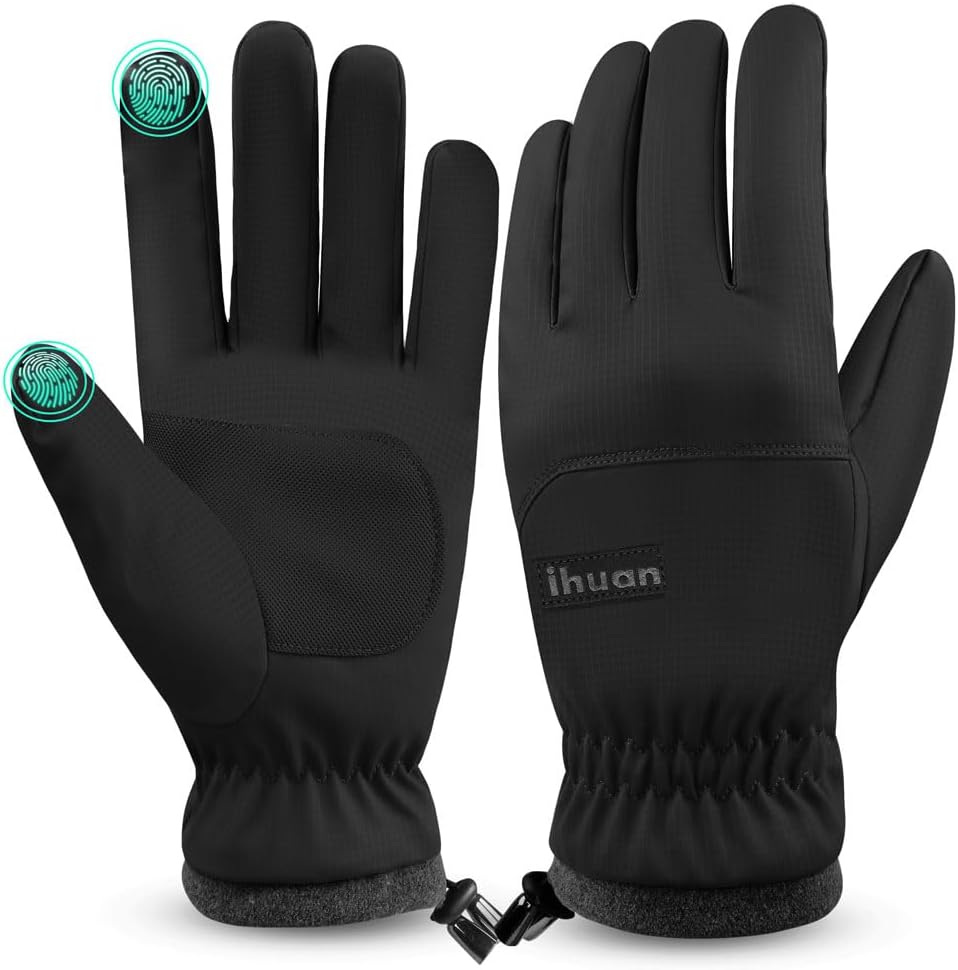
Winter Waterproof Ski Gloves for Men & Women, Cold Weather Sport
“Affordable waterproof ski gloves that keep hands dry on the mountain without the premium glove price tag.”
See Today’s Price →What we like
Watch out for
Read Full Analysis
The Winter Waterproof Ski Gloves for Men and Women provide the essential features for recreational skiing at the lowest price in this comparison. The waterproof outer shell prevents snow saturation during falls and powder days, and the thermal insulation retains warmth at typical ski resort temperatures (-10 to 10C range). The adjustable wrist strap seals the glove cuff against jacket sleeves to prevent snow from entering the wrist gap on falls. The extended cuff provides additional wrist coverage. At $16, these gloves are the entry point for ski-specific gloves that outperform general winter gloves for on-mountain use. They are appropriate for recreational skiers doing 5-15 days per season; frequent or aggressive skiers investing in multiple ski seasons should consider gloves with removable liners and reinforced palm areas.
Winter Sports Gear Buying Guide
 Photo by Anna Shvets / Pexels
Ski Goggle Lens Categories: VLT Explained
Lens tint is categorized by Visible Light Transmission (VLT) -- the percentage of light that passes through the lens. Lower VLT (5-25%) means darker lens, appropriate for bright sunny bluebird days. Medium VLT (25-50%) is for overcast and partly cloudy conditions. High VLT (50-80%) is for flat light and overcast days. 100% VLT (clear) is for night skiing. Most single-lens goggle purchases are medium VLT, which covers the most common conditions but compromises on bright sun and flat light. An interchangeable lens system eliminates this compromise.
Anti-Fog Technology: Why Goggles Still Fog
Goggle fogging occurs when warm, humid air from your face condenses on the cold lens interior. The solutions: dual-layer lenses (air gap between layers insulates the inner surface), anti-fog coating (hydrophilic treatment spreads condensation into an invisible film rather than droplets), and active ventilation (vents at top and bottom of the goggle frame circulate air). Most quality goggles use all three. Fogging still occurs when vents are blocked (by a balaclava or helmet), when you overheat during aggressive skiing, or when the goggle is sealed with no air movement (goggle worn inside a warm building). Keep goggles vented and in cool air to prevent fogging.',
OTG vs. Contact Lenses vs. Prescription Inserts
Prescription lens wearers have three options for skiing: OTG goggles (fit over frames, compromise slightly on seal), contact lenses under standard goggles (works well but contacts dry out at altitude in cold, dry air), or prescription goggle inserts (a separate lens insert mounted inside the goggle cavity -- the most comfortable but most expensive option at $100-200 for the insert alone). For occasional skiers, OTG goggles are the most practical. For frequent skiers with significant prescriptions, prescription inserts are the long-term investment.',
Ski Glove Waterproofing: What Level Do You Need
Ski gloves use either a waterproof membrane (Gore-Tex, Hipora, or branded equivalents) sealed at the seams, or a waterproof-coated outer material with taped seams. Membrane construction is more reliably waterproof for longer exposures; coated construction is adequate for typical ski days but may saturate in sustained wet snow. For dry-snow resorts in cold climates (Colorado, Utah), coated construction handles typical conditions. For wet-snow resorts in warmer climates (Sierra Nevada, Pacific Northwest), a membrane is worth the investment.',
Layering with Ski Gloves
Ski gloves and mittens differ in warmth and dexterity. Gloves maintain individual finger dexterity for pole control and equipment adjustment but are colder than mittens (each finger is individually exposed to outer shell). Mittens put all fingers together for maximum warmth. Most recreational skiers prefer gloves; extreme cold or kids who keep losing warmth do better with mittens. Glove liners worn inside gloves allow removing the outer shell for tasks that require fine motor control (phone use, adjusting bindings) without losing the warm liner.
Related Guides
Frequently Asked Questions
What size ski goggles do I need?
Can I use ski goggles for snowboarding?
How do I clean ski goggles without scratching the lens?
How do I prevent ski gloves from freezing stiff?
What is the difference between the findway OTG and OutdoorMaster PRO goggles?
How We Analyze Products
We analyze Amazon review data — often thousands of reviews per product — to surface patterns that individual buyers miss. Our process aggregates star ratings, review counts, and buyer sentiment at scale, identifying which strengths and weaknesses appear consistently across the largest review samples available.
Each product earned its placement through data: total review volume, average rating, and the specific praise and complaints that repeat most often across buyers. No manufacturer paid for placement on this page. Products appear here because buyers endorsed them at scale, not because a company asked us to feature them.
We use AI to summarize review sentiment — not to fabricate opinions, but to condense what thousands of buyers actually wrote into a readable format. The pros and cons you see reflect the most common themes found in verified purchaser reviews, paraphrased for clarity. We do not claim to have accessed Reddit, YouTube, or specific publications in generating these summaries.
Prices shown reflect Amazon pricing at the time this page was last generated. Click “See Today’s Price” to get the current live price on Amazon. Read our full methodology →