Fitbit vs Garmin 2026: Which Fitness Tracker Should You Buy?
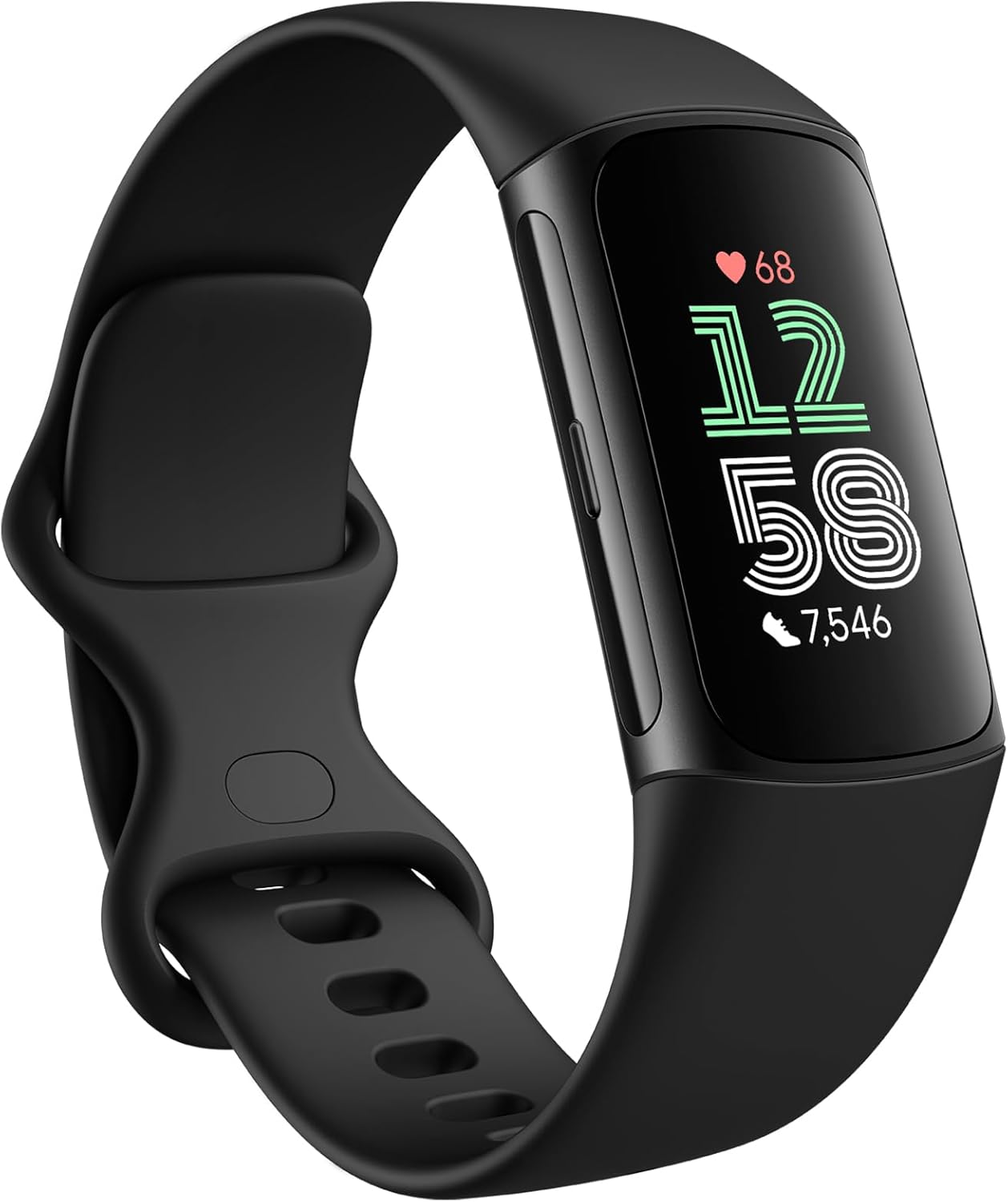
Fitbit Charge 6 earns the top pick for everyday users with Google ecosystem integration, ECG, built-in GPS, and 6-month Fitbit Premium - the most complete health monitoring package at $159.
See Today’s Price →At a Glance
| # | Product | Award | Price | |
|---|---|---|---|---|
| 1 | 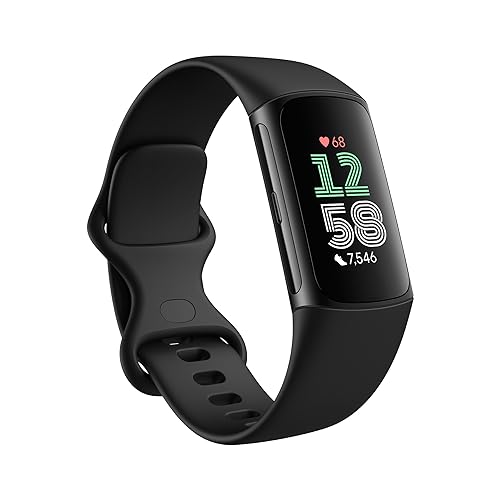 Fitbit Charge 6 Fitness Tracker with Go… Fitbit Charge 6 Fitness Tracker with Go… |
Best Overall | $119 | Buy → |
| 2 | 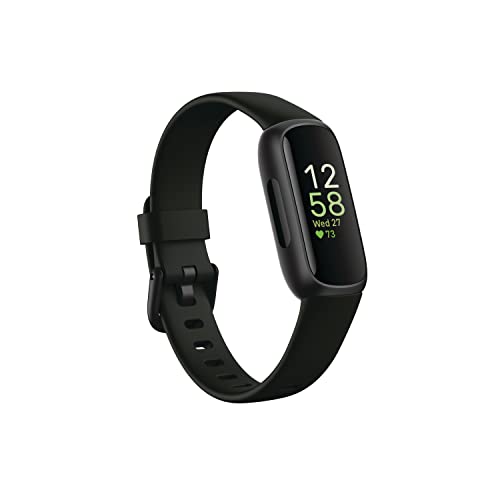 Fitbit Inspire 3 Health and Fitness Tra… Fitbit Inspire 3 Health and Fitness Tra… |
Also Excellent | $69 | Buy → |
| 3 | 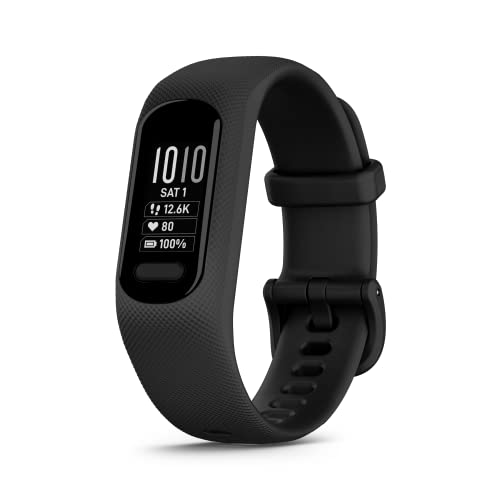 Garmin Vivosmart 5 Fitness Tracker with… Garmin Vivosmart 5 Fitness Tracker with… |
Best Value | $149 | Buy → |
| 4 | 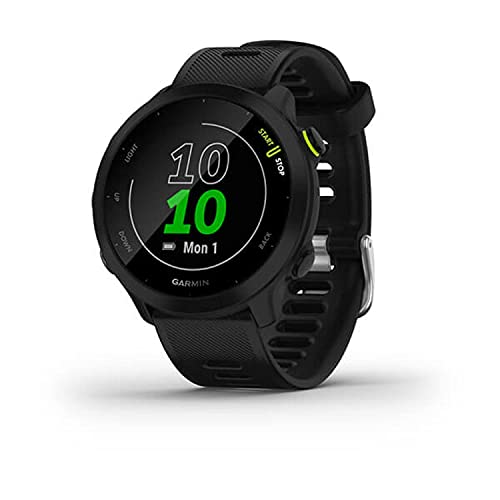 Garmin Forerunner 55 GPS Running Watch Garmin Forerunner 55 GPS Running Watch |
Worth Considering | $165 | Buy → |
| 5 |  Samsung Galaxy Fit 3 Smart Band 1.6-inc… Samsung Galaxy Fit 3 Smart Band 1.6-inc… |
Budget Pick | $44 | Buy → |
Showing 5 of 5 products
Fitbit Charge 6 Fitness Tracker with Google Apps and GPS
“The best everyday fitness tracker for most people — Google integration, ECG, and the best sleep tracking in the sub-$150 segment.”
See Today’s Price →What we like
- Built-in Google Maps, Google Wallet, YouTube Music control
- ECG and irregular heart rhythm notifications
- Best-in-class sleep staging algorithm
- Exercise Intensity Map with GPS route visualization
Watch out for
- Premium subscription needed for full insights ($9.99/month)
- Google account now required for setup
- Proprietary charger cable
Read Full Analysis
The Fitbit Charge 6 ($130) is Fitbit's most capable band-style tracker and the top pick for Android users who want Google ecosystem integration in a fitness band. Built-in GPS tracks outdoor run/ride routes without your phone. Google Maps navigation, Google Wallet NFC payments, and YouTube Music controls are built-in—features unique in the Fitbit lineup. ECG app detects irregular heart rhythm. Continuous heart rate, SpO2, skin temperature, stress management, sleep staging. The 7-day battery is solid for a GPS tracker. Compared to Garmin Vivosmart 5 ($150): Charge 6 has built-in GPS, ECG, and Google services; Vivosmart 5 has longer battery life (up to 7 days with GPS, longer without) and Garmin's superior navigation ecosystem. If you're an Android user who wants Google Wallet on your wrist: Charge 6. If you prioritize running analytics: Garmin Forerunner 55.

Fitbit Inspire 3 Health and Fitness Tracker with Stress Management
“Best fitness tracker under $70. Fitbit Inspire 3 delivers 10-day battery, accurate health metrics, and stress tracking in the slimmest, lightest design on this list — the best choice for all-day wear ”
See Today’s Price →What we like
Watch out for
- No built-in GPS — relies on phone GPS for routes
- Fitbit Premium subscription ($9.99/mo) needed for advanced health insights
Read Full Analysis
The Fitbit Inspire 3 ($95) is the slim, long-battery-life entry in this comparison—the best pick for users who want round-the-clock health tracking without the bulk or price of a full smartwatch. The 10-day battery (longest in this comparison) means less frequent charging. Sensors: optical heart rate, SpO2, skin temperature, EDA stress, sleep staging. Missing: built-in GPS (uses Connected GPS from your phone), no ECG, no NFC payments. The narrow AMOLED display shows the time, notifications, and workout summaries cleanly. Compared to Samsung Galaxy Fit 3 ($50): Inspire 3 costs $45 more but has Fitbit's health platform (the best sleep and stress tracking in the industry), a more premium build, and SpO2. If choosing between Inspire 3 and Samsung Galaxy Fit 3: Inspire 3 for deeper health insights; Galaxy Fit 3 for budget-conscious buyers who want a large bright display.

Garmin Vivosmart 5 Fitness Tracker with Heart Rate Blood Oxygen
“The best Garmin option for non-runners — slim fitness tracker form with Garmin's advanced Body Battery and stress tracking.”
See Today’s Price →What we like
Watch out for
- Basic GPS (uses phone GPS, not built-in)
- Smaller screen limits data visibility
- Less robust workout library vs Forerunner
Read Full Analysis
The Garmin Vivosmart 5 ($150) is the slim Garmin band for users who want Garmin's health ecosystem in a low-profile form factor. Sensors: optical heart rate, SpO2, Pulse Ox, stress (Body Battery energy levels), sleep, hydration tracking. No built-in GPS—uses phone GPS for mapped workouts. Battery: 7 days typical with heart rate tracking. Garmin's Body Battery score (a 0–100 stress/recovery index derived from HRV, stress, sleep quality, and activity) is one of the most actionable metrics in the wearable industry. Compared to Fitbit Charge 6: Vivosmart 5 has no built-in GPS vs. Charge 6's GPS; Vivosmart 5 has Garmin's Body Battery and Connect ecosystem (better for multi-sport athletes). If you're a runner who also uses a Garmin watch on weekends: the Vivosmart 5 keeps all your data in Garmin Connect, avoiding the split-platform problem.

Garmin Forerunner 55 GPS Running Watch
“The best entry-level GPS running watch — purpose-built for runners with the metrics that matter without the complexity of advanced Garmin models.”
See Today’s Price →What we like
- Accurate GPS with satellite signal in 30 seconds
- Daily suggested workouts based on your current fitness
- VO2 max estimation from running data
- 2-week battery life (20 hours GPS)
Watch out for
- No music storage or payment features
- Limited smartwatch functionality
- No multi-band GPS (Forerunner 265 for that)
Read Full Analysis
The Garmin Forerunner 55 ($170) is the only dedicated running watch in this comparison—and for runners, it's the clear pick over every band or smartwatch here. Built-in GPS with barometric altimeter, guided workouts, Suggested Workouts based on your fitness level and recovery, daily readiness score, and Garmin's race predictor (estimated finish times for 5K through marathon). Battery: 20 hours GPS mode, 14 days smartwatch mode. At $170 it's the most expensive device in the comparison. Compared to Fitbit Charge 6: Forerunner 55 has far more advanced running metrics (cadence, stride length, VO2 max estimate, training load); Charge 6 has Google ecosystem integration. If you run 3+ times per week and care about training analytics: the Forerunner 55 is the only logical choice in this comparison. If you primarily track steps, sleep, and stress: the Charge 6 or Vivosmart 5 are more appropriate.

Samsung Galaxy Fit 3 Smart Band 1.6-inch AMOLED 14-Day Battery
“Best budget fitness tracker for Samsung Galaxy phone users. Galaxy Fit 3 delivers the largest AMOLED display in a fitness band at $49 with 14-day battery.”
See Today’s Price →What we like
- 1.6-inch AMOLED - largest display in fitness band category
- 14-day battery life
- Samsung Health ecosystem integration
- Best value at $49
Watch out for
- Best features require Samsung Galaxy phone
- No GPS or ECG sensor
- Limited outside Samsung ecosystem
Read Full Analysis
The Samsung Galaxy Fit 3 ($50) is the budget outlier in this comparison—a 1.6-inch AMOLED display at $50, offering more screen real estate than every other band here for less money. 14-day battery life. Sensors: heart rate, SpO2, stress tracking. No built-in GPS, no ECG, no NFC. The Fit 3 integrates with Samsung Health app (works on Android and iOS but optimal with Samsung phones). At $50 it's an excellent value for light fitness tracking: steps, heart rate, sleep stages, and workout logging. Compared to Fitbit Inspire 3 at $95: Samsung has a larger display and longer battery at half the price; Fitbit has deeper health analytics (stress EDA, skin temperature, better sleep staging) and a premium build. If you're on a tight budget and just want basic tracking: Galaxy Fit 3 punches well above $50. If health insights matter: save the extra $45 for the Inspire 3.
Fitbit vs Garmin Buying Guide
Fitbit vs Garmin Key Differences
Fitbit Strengths: Holistic health monitoring - sleep stages, stress tracking, daily activity, heart rate, menstrual health, and Google ecosystem integration (Charge 6 has Google Maps, Wallet, YouTube Music). User-friendly app for beginners. Premium subscription ($9.99/month) unlocks deeper insights.
Garmin Strengths: Athletic performance metrics - GPS accuracy, running form analysis (cadence, ground contact time), VO2 max, training load, and sport-specific modes. Data-rich for athletes. Superior GPS hardware and longer battery life. No subscription required for full feature access.
GPS Quality: Garmin GPS chips are professional-grade - used by military and elite athletes. Fitbit GPS (Charge 6 onwards) is adequate for casual tracking. Garmin accuracy is measurably better for running pace and route mapping.
Battery Life: Garmin Forerunner 55 lasts 2 weeks without GPS (20 hours with GPS). Fitbit Charge 6 lasts 7 days. Garmin wins significantly.
Subscription Model: Fitbit Premium costs $9.99/month for full insights. Garmin Connect provides all analytics free - no subscription required. Over 3 years, Fitbit Premium adds $360 in cost.
Who Should Buy Fitbit: Health-focused individuals, Google/Android users, beginners, people tracking overall wellness rather than athletic performance.
Who Should Buy Garmin: Runners, cyclists, triathletes, hikers, and anyone who takes sports performance seriously.
Quick Decision: If budget is the priority, go with the Samsung Galaxy Fit 3 Smart Band 1.6-inch AMOLED 14-Day Battery; if you want the best overall, choose the Fitbit Charge 6 Fitness Tracker with Google Apps and GPS; if you need also excellent, the Fitbit Inspire 3 Health and Fitness Tracker with Stress Management is your pick.
Watch Before You Buy
Frequently Asked Questions
Is Fitbit or Garmin better for sleep tracking?
Does Fitbit require a subscription?
Which is better for running - Fitbit or Garmin?
How long do fitness trackers last?
Can I use Fitbit or Garmin with an iPhone?
How We Analyze Products
We analyze Amazon review data — often thousands of reviews per product — to surface patterns that individual buyers miss. Our process aggregates star ratings, review counts, and buyer sentiment at scale, identifying which strengths and weaknesses appear consistently across the largest review samples available. The 53,547+ reviews analyzed on this page represent real verified-purchase feedback from Amazon buyers.
Each product earned its placement through data: total review volume, average rating, and the specific praise and complaints that repeat most often across buyers. No manufacturer paid for placement on this page. Products appear here because buyers endorsed them at scale, not because a company asked us to feature them.
We use AI to summarize review sentiment — not to fabricate opinions, but to condense what thousands of buyers actually wrote into a readable format. The pros and cons you see reflect the most common themes found in verified purchaser reviews, paraphrased for clarity. We do not claim to have accessed Reddit, YouTube, or specific publications in generating these summaries.
Prices shown reflect Amazon pricing at the time this page was last generated. Click “See Today’s Price” to get the current live price on Amazon. Read our full methodology →