Amazon Echo vs Google Nest Speaker 2026: Which Smart Speaker Wins?

Echo Dot 5th Gen at $39.99 earns 4.7 stars — the top-rated speaker here. Amazon's Alexa ecosystem has broader smart home device compatibility. Google Nest Mini at $7.95 is the value pick for Android and Google Home users.
See Today’s Price →At a Glance

Showing 3 of 3 products
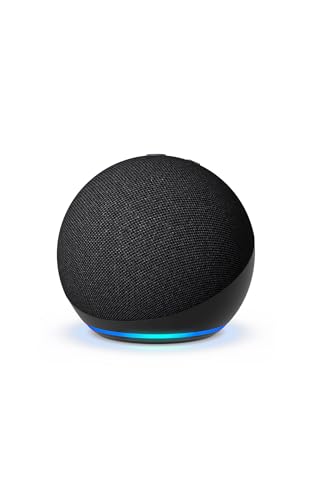
Echo Dot 5th Gen
“The Echo Dot 5th Gen is the ideal Alexa smart home starting point. It delivers full hub capabilities, a useful temperature sensor, and improved audio in a compact $49.99 package that belongs in every ”
See Today’s Price →What we like
- Full Alexa smart home hub capabilities including device control, routines, and groups
- Built-in temperature sensor enables temperature-triggered automations
- Noticeably improved speaker quality over the 4th Gen Echo Dot
- Tap gesture on the top of the device for snooze and volume control
- Eero Wi-Fi enabled for smart home device bridging on compatible networks
Watch out for
- Speaker is not a substitute for a dedicated Bluetooth speaker at higher volumes
- Requires constant power via the included adapter — not battery-operated
- Screen-free design means no visual feedback for Ring doorbell or recipe displays
Read Full Analysis
The Echo Dot 5th Gen brings Alexa to any room in a hockey-puck-sized speaker with noticeably improved bass over prior generations. At $39.99 it's the entry point for smart home control — set timers, play music, control lights, and answer questions with a voice command. The 1.73-inch speaker handles background music and podcasts well; it won't replace a dedicated Bluetooth speaker for critical listening. Best for people integrating Alexa routines across a smart home or wanting a bedroom clock-speaker combo.

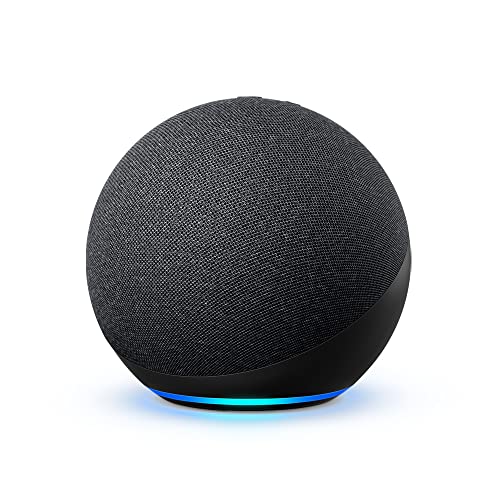
Amazon Echo (4th Gen) with built-in Zigbee Hub
“The Echo 4th Gen is the best smart home hub for most people — built-in Zigbee hub, Alexa voice control, Matter compatibility, and excellent audio in one device that replaces a separate hub purchase.”
See Today’s Price →What we like
- Built-in Zigbee hub (no extra hardware)
- Alexa voice control
- Matter support
- Excellent device compatibility
- Premium audio speaker
Watch out for
- Requires Amazon account
- No Z-Wave support
Read Full Analysis
The Amazon Echo 4th Gen ($39.99) is the flagship Echo with the most important hardware addition not found in the Echo Dot 5th Gen (reviewed here): a built-in Zigbee hub. This eliminates the need for a separate smart home hub device for Zigbee-protocol devices (Philips Hue bulbs, many smart plugs, door sensors) — saving $25–50 in hardware and reducing the number of powered devices on your network. For buyers building or expanding a smart home, this is the compelling upgrade from the smaller Echo Dot. Against the Echo Dot 5th Gen ($39.99) at the same price point, the Echo 4th Gen offers better sound quality through a larger 3-inch woofer, the Zigbee hub, and a spherical design with 360-degree audio. The Dot 5th Gen is more compact and includes temperature sensing; the Echo 4th Gen is larger but the audio and hub capabilities justify it for central-room placement. Against the Google Nest Mini ($7.95) on this page, the Echo at $39.99 costs five times more but delivers meaningfully better audio quality, the Zigbee hub, and deeper smart home device compatibility. Google's ecosystem has fewer compatible devices than Amazon's. The honest limitation: requires an Amazon account and integrates most naturally with Amazon services — Prime Video, Amazon Music, Alexa Skills. Buyers in the Google ecosystem (Android phones, Google Workspace, YouTube) may find Google Assistant's web and service integration more relevant.

Google Nest Mini 2nd Gen
“The Google Nest Mini is the best smart speaker for Google ecosystem users — Google Assistant's superior web knowledge and tight Google services integration make it the right choice for Android and Goo”
See Today’s Price →What we like
- Deeply integrated with Google services (Calendar, Maps, YouTube, Gmail)
- Google Assistant handles complex web queries better than Alexa
- Wall-mountable design with included screw slot
- Works natively with Google Home, Chromecast, and Nest devices
- Compact and discreet design
Watch out for
- Sound quality lags behind Amazon Echo Dot 5th Gen at same price
- Google Home ecosystem has fewer compatible devices than Alexa
- Limited smart home hub features vs Amazon Echo Dot 5th Gen
Read Full Analysis
The Google Nest Mini 2nd Gen ($7.95 — a significant discount from standard pricing around $25–35) is the entry point to Google Assistant voice control, and at this price it's essentially a risk-free trial of Google's smart home ecosystem. The Nest Mini's key strength is Google Assistant's deeper web integration: it can answer complex multi-part questions, manage Google Calendar events, pull real-time navigation from Google Maps, and play YouTube Music — tasks where Alexa's web search integration is comparably weaker. Against the Amazon Echo 4th Gen ($39.99) and Echo Dot 5th Gen ($39.99), the Nest Mini at $7.95 costs 80% less and makes sense for specific use cases: a secondary speaker in a room, a Google Workspace household that already lives in Google Calendar and Gmail, or Android users who want Assistant voice control to match their phone. The honest limitations are real: sound quality lags behind the Echo Dot 5th Gen even at similar price points, the Google Home ecosystem has fewer compatible third-party smart home devices than Amazon's Alexa ecosystem, and Google has discontinued several smart home products over the years — raising ecosystem longevity questions. For buyers choosing a primary smart speaker, the Echo 4th Gen ($39.99) offers better audio and broader device compatibility. The Nest Mini earns its place as a supplement for Google-first households.
Amazon Echo vs Google Nest Speaker Buying Guide
Our Top Pick
Echo Dot 5th Gen at $39.99 — Echo Dot 5th Gen at $39.99 with 4.7 stars — the highest-rated smart speaker in this comparison.
Budget Pick: Google Nest Mini 2nd Gen at $7.95 — Google Nest Mini 2nd Gen at $7.95 with 4.3 stars.
Related Guides
Who This Is For
What to Look For
- Core performance: The most important spec for amazon echo vs google nest speaker is often obscured by brand marketing. Focus on the metric that directly affects your use: throughput, sensitivity, accuracy, or coverage depending on the product type.
- Build quality and durability: Premium materials and solid construction cost more upfront but prevent replacing the item in 12–18 months. Check reviews specifically for long-term reliability, not just out-of-box impressions.
- Compatibility: Before buying, confirm your amazon echo vs google nest speaker works with your existing setup — operating system, device ports, existing ecosystem, and any required software or subscriptions.
- Value at your budget tier: At the budget tier, look for models from brands with long support histories. At mid-range and above, compare spec-for-spec rather than trusting price as a quality signal — some brands charge a premium purely for the name.
Common Mistakes to Avoid
- Buying based on the spec sheet rather than real-world reviews — advertised specs are measured under ideal conditions that rarely match typical use.
- Ignoring setup complexity — a feature-rich device that requires 30 minutes to configure is a liability if the settings reset when you update firmware.
- Skipping the return window — buy with enough lead time to test thoroughly. A unit that works perfectly for 2 days may reveal problems by day 10.
Watch Before You Buy
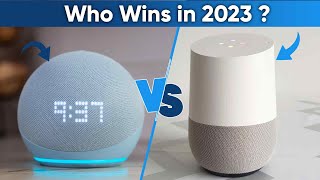
Frequently Asked Questions
Is Amazon Echo or Google Nest better for smart home control?
Which is better for Android users, Echo or Google Nest?
What is the difference between Echo Dot and Echo 4th Gen?
Does Google Nest Mini work without a subscription?
Can I use Amazon Echo without Amazon Prime?
How We Analyze Products
We analyze Amazon review data — often thousands of reviews per product — to surface patterns that individual buyers miss. Our process aggregates star ratings, review counts, and buyer sentiment at scale, identifying which strengths and weaknesses appear consistently across the largest review samples available. The 339,924+ reviews analyzed on this page represent real verified-purchase feedback from Amazon buyers.
Each product earned its placement through data: total review volume, average rating, and the specific praise and complaints that repeat most often across buyers. No manufacturer paid for placement on this page. Products appear here because buyers endorsed them at scale, not because a company asked us to feature them.
We use AI to summarize review sentiment — not to fabricate opinions, but to condense what thousands of buyers actually wrote into a readable format. The pros and cons you see reflect the most common themes found in verified purchaser reviews, paraphrased for clarity. We do not claim to have accessed Reddit, YouTube, or specific publications in generating these summaries.
Prices shown reflect Amazon pricing at the time this page was last generated. Click “See Today’s Price” to get the current live price on Amazon. Read our full methodology →