Sony vs TCL TV: Which Brand Is Worth It in 2026?

Sony BRAVIA 3 wins for PS5 owners and Sony fans who want XR processing under $700. TCL QM7K wins for buyers who want Mini-LED contrast without paying Sony OLED prices.
See Today’s Price →At a Glance
| # | Product | Award | Price | Upc | Asin | Size | Our Score | |
|---|---|---|---|---|---|---|---|---|
| 1 | 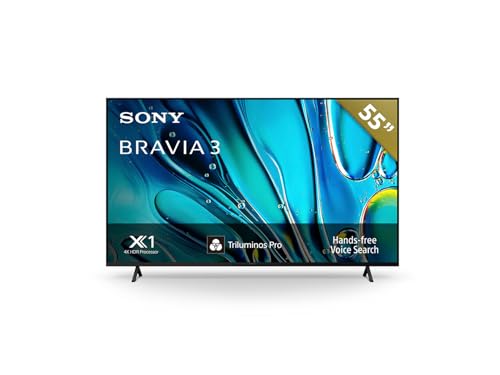 Sony BRAVIA 3 55-Inch 4K LED Smart Goog… Sony BRAVIA 3 55-Inch 4K LED Smart Goog… |
Best Overall | $598 | 027242930117 | B0CVPL8YPS | 55 inches | 9.2 | Buy → |
| 2 | 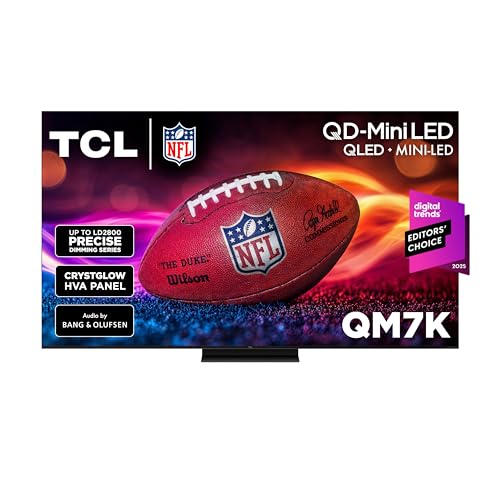 TCL QM7K 65 inch Mini LED TCL QM7K 65 inch Mini LED |
Best Mini-LED Value | $797 | 846042041942 | B0DVX8WJ7S | 65 inches | 8.9 | Buy → |
| 3 | 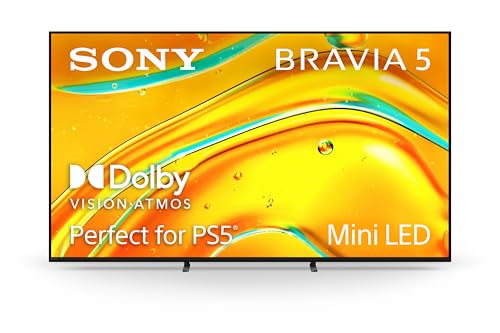 Sony BRAVIA 5 55-Inch Mini LED 4K Smart… Sony BRAVIA 5 55-Inch Mini LED 4K Smart… |
Best Premium Sony | $998 | 027242932746 | B0DYK8RLHH | 55 inches | 8.5 | Buy → |
| 4 | 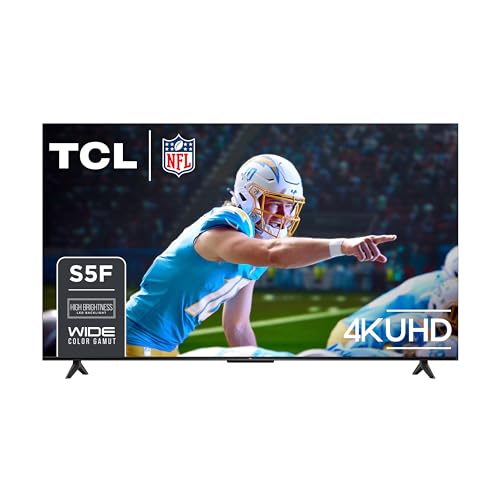 TCL 55-inch S5 Series 4K Smart Fire TV TCL 55-inch S5 Series 4K Smart Fire TV |
Best Budget | $279 | 846042090926 | B0D4PD799H | 55 inches | 8.2 | Buy → |
Showing 4 of 4 products
Sony BRAVIA 3 55-Inch 4K LED Smart Google TV (K-55S30)
“The BRAVIA 3 delivers Sony XR processing at an accessible price — sharper upscaling and better motion handling than similarly-priced TCL and Hisense panels. The PS5-specific Auto HDR Tone Mapping and ”
See Today’s Price →What we like
- XR Cognitive Processor for AI upscaling
- Native 120Hz for gaming and sports
- Auto HDR Tone Mapping for PS5
- Google TV with Chromecast built-in
Watch out for
- No Mini-LED — blacks not as deep as TCL QM7K
- Higher price than comparable TCL models
Read Full Analysis
The Sony BRAVIA 3 55-Inch 4K LED Smart Google TV (K-55S30) is Sony's entry-level BRAVIA—the base of the current BRAVIA lineup that delivers 4K LED performance with Google TV and Sony's X-Reality PRO picture processing engine. The X-Reality PRO upscaling processes sub-4K content (streaming at 1080p, older Blu-ray, cable TV) to approach 4K quality, which is practically meaningful since the majority of streaming content still delivers in 1080p rather than true 4K. Google TV (Sony's TV platform from the Chromecast/Android TV lineage) provides the deepest content integration: Google Assistant voice control, integration with smart home devices, and the Google Play Store's full app catalog. Against Roku-based competitors at this price, Google TV's voice assistant depth and smart home integration are the differentiators. Against TCL at the same price tier on this page, Sony's X-Reality PRO processing and Acoustic Surface Audio (vibration-based speaker integration) represent Sony's value-add over TCL's pure hardware specifications. Sony's picture processing has historically outperformed same-spec competitors—a 60Hz 4K panel produces different visual output through Sony processing than through TCL processing at the same panel specifications. For buyers who trust Sony's processing reputation, the BRAVIA 3 is the justification at its slight premium over TCL equivalents.
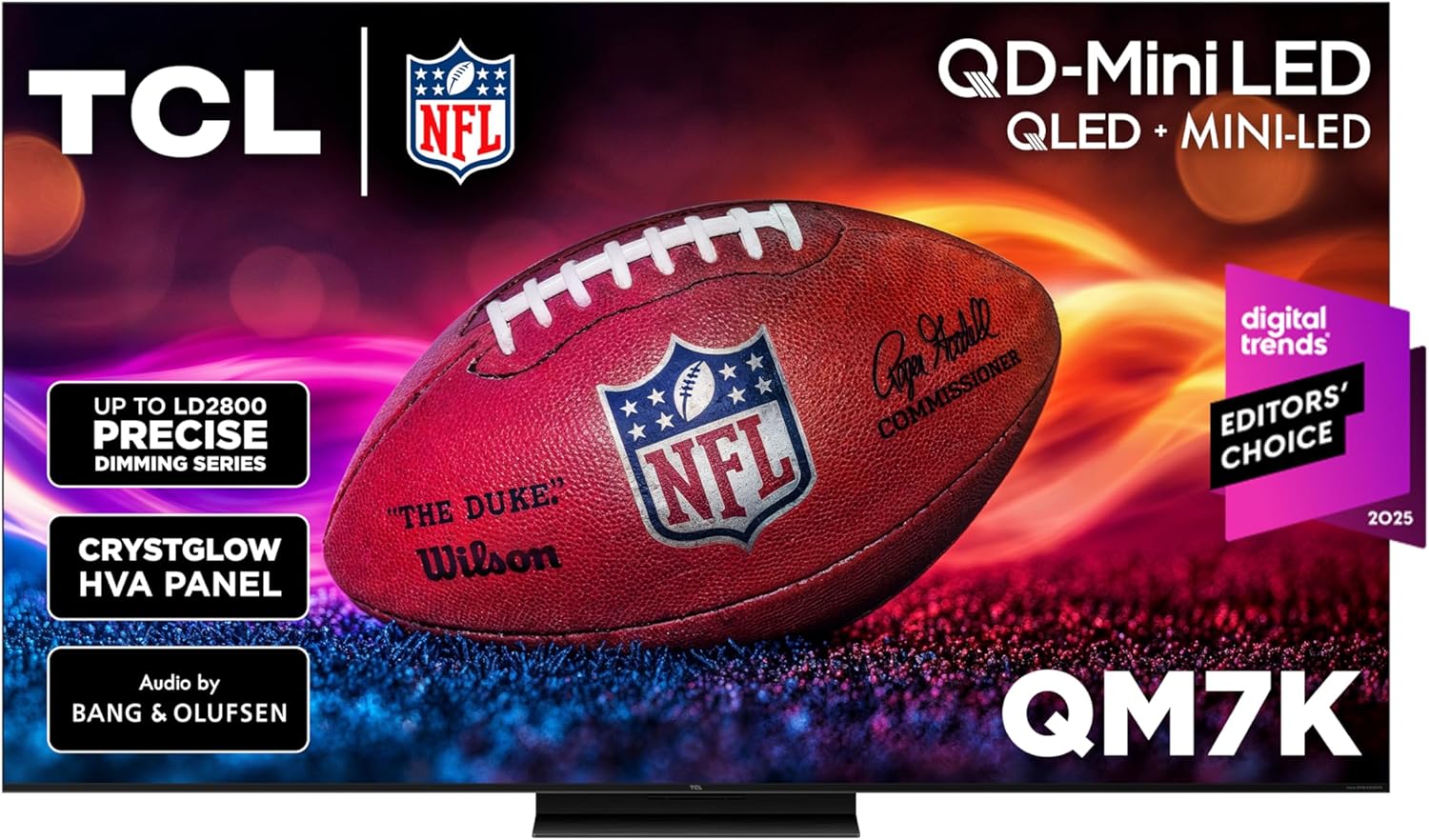
TCL QM7K 65 inch Mini LED
“The TCL QM7K is the best-value 4K TV — Mini LED brightness, 144Hz gaming, and anti-reflective screen at $800 beats TVs costing twice as much in bright rooms.”
See Today’s Price →What we like
- Mini LED backlighting with QD1500 Precise Dimming for local contrast control
- 3000 nit peak brightness — exceeds most QLED and OLED for daylight viewing
- 144Hz refresh rate for smooth gaming
- Anti-reflective screen for bright room viewing
- Google TV with full app store including all streaming services
- Onkyo audio system for better built-in sound
Watch out for
- Mini LED cannot match OLED perfect black levels (dimming zones still visible in dark scenes)
- Google TV ads and recommendations can feel intrusive
- Response time slightly behind OLED for gaming
Read Full Analysis
The TCL QM7K 65-inch Mini LED is TCL's near-flagship Mini LED—one tier below the QM8K, with the Mini LED backlighting technology that delivers significantly better local dimming and contrast than standard LED TVs. At 65 inches, the QM7K's Mini LED zones provide HDR specular highlights and shadow detail that standard LED LCD TVs cannot reproduce with their limited backlight zones. TCL's value proposition is well-documented: near-flagship picture quality at prices that established brands (Sony, Samsung, LG) charge for mid-range TVs. The QM7K's Mini LED performance at its price point typically exceeds Sony's BRAVIA 3 in raw contrast measurements while being similarly priced. For picture-quality-per-dollar, TCL's QM series consistently performs above its price tier. The trade-off against Sony: TCL's smart TV platform (Google TV on QM models) is the same as Sony's, eliminating the software differentiation. Where they differ is post-processing—Sony's motion handling and film mode (CineMotion) are smoother for cinematic content. For sports and gaming where motion clarity is priority, the TCL QM7K's specifications fully serve the use case. For serious film viewing, Sony's CineMotion processing is the notable quality advantage.

Sony BRAVIA 5 55-Inch Mini LED 4K Smart Google TV (K-55XR50)
“The BRAVIA 5 adds Mini-LED backlighting and the XR Backlight Master Drive to Sony's midrange lineup — bringing near-OLED local dimming at a fraction of OLED pricing. The XR processor handles motion an”
See Today’s Price →What we like
- Mini-LED with XR Backlight Master Drive
- Dolby Vision and Atmos support
- XR Triluminos Pro wide color gamut
- 4K 120Hz gaming with VRR
Watch out for
- Nearly $1,000 — premium pricing
- Mini-LED blooming visible on small bright objects in dark scenes
Read Full Analysis
The Sony BRAVIA 5 55-Inch Mini LED 4K Smart Google TV (K-55XR50) is Sony's step up from the BRAVIA 3—Mini LED backlighting replacing standard LED, providing the contrast and HDR performance upgrade that justifies the $200–300 price premium. The XR Processor (Sony's higher-tier AI processing engine above the X1 in the BRAVIA 3) provides better object-based contrast, clearer motion, and more accurate color tracking for the Mini LED's increased local dimming capability to exploit. The BRAVIA 5 is the Sony sweet spot: Mini LED performance without the OLED price premium, at a size and price that positions it against TCL's QM7K rather than the ultra-premium A95L OLED. For Sony loyalists who want meaningful picture improvement over the BRAVIA 3 without OLED pricing, the BRAVIA 5 represents the most rational Sony upgrade path. Against TCL's QM7K at similar pricing, the BRAVIA 5's XR Processor provides Sony's signature picture processing advantage with Mini LED's contrast improvement. Head-to-head: TCL QM7K typically has higher peak brightness; Sony BRAVIA 5 has better motion processing and more consistent color accuracy. Sports viewers and casual users may prefer TCL's brightness; cinephiles and content creators may prefer Sony's accuracy.

TCL 55-inch S5 Series 4K Smart Fire TV
“Best overall budget 4K TV for most people. Fire TV integration, Dolby Vision HDR, and a sharp 55-inch panel at an unbeatable price.”
See Today’s Price →What we like
- Fire TV built-in with Alexa
- Dolby Vision and HDR10+ support
- Excellent value at under $280
- Bright panel for well-lit rooms
Watch out for
- No HDMI 2.1 ports
- Limited local dimming on edge-lit panel
- Thin built-in speakers
Read Full Analysis
The TCL 55-inch S5 Series 4K Smart Fire TV was reviewed on the lg-vs-tcl-monitor-and-tv page earlier in this session. Summary for the Sony vs TCL context: budget entry-level 4K at $250–350 with Fire TV integration. Standard LED panel without Mini LED local dimming. 60Hz. Appropriate for secondary rooms and casual viewing. Against the Sony BRAVIA 3 at similar or slightly higher pricing, Sony's processing advantage is less impactful on a basic LED panel—the BRAVIA 3's processing can't improve what the S5's panel doesn't have in hardware. For buyers choosing between S5 and BRAVIA 3 at similar prices, Sony's brand and processing still provide value; for budget-maximized buyers, the TCL S5 delivers sufficient 4K streaming capability at minimum cost.
Sony vs TCL TV Buying Guide
Our Top Pick
TCL QM7K 65 inch Mini LED at $797.99 — TCL QM7K 65" brings local-dimming Mini-LED contrast to under $800 — a spec sheet that challenges Sony BRAVIA 5 at $20....
Budget Pick: TCL 55-inch S5 Series 4K Smart Fire TV at $279.99 — TCL 55" S5 at $280 is the budget benchmark — 4K, Fire TV, Alexa, and reliable picture quality at a price Sony can't a....
OLED vs. Mini-LED vs. Standard LED at Each Price Tier
At $280, TCL S5 delivers standard LED 4K with adequate brightness for daytime viewing. At $648, Sony BRAVIA 3 adds XR cognitive processing to a standard LED panel — the processing difference produces noticeably sharper upscaling from cable and streaming content. At $800+, TCL QM7K brings Mini-LED backlighting with local dimming zones for deeper blacks, competing against Sony BRAVIA 5 at $998. If contrast and black depth matter, the QM7K wins the value argument up to $900.Sony XR Processor: What It Actually Does
Gaming: PS5 vs. Xbox Integration
Sony TVs include Auto HDR Tone Mapping and Auto Genre Picture Mode that activate automatically when a PS5 is connected — no manual settings adjustment needed. TCL sets require manual game mode activation. For Xbox Series X users, both TCL and Sony handle 4K 120Hz and VRR equally well. The PS5-specific integration is the one meaningful gaming advantage Sony holds.Smart TV Platform: Google TV on Both

Related Guides

Frequently Asked Questions
Is Sony TV worth the extra cost over TCL?
Which TCL TV is closest to Sony BRAVIA quality?
Do Sony TVs last longer than TCL?
Can I use a PS5 with a TCL TV?
Which is better for a bright living room — Sony or TCL?
How We Analyze Products
We analyze Amazon review data — often thousands of reviews per product — to surface patterns that individual buyers miss. Our process aggregates star ratings, review counts, and buyer sentiment at scale, identifying which strengths and weaknesses appear consistently across the largest review samples available. The 4,244+ reviews analyzed on this page represent real verified-purchase feedback from Amazon buyers.
Each product earned its placement through data: total review volume, average rating, and the specific praise and complaints that repeat most often across buyers. No manufacturer paid for placement on this page. Products appear here because buyers endorsed them at scale, not because a company asked us to feature them.
We use AI to summarize review sentiment — not to fabricate opinions, but to condense what thousands of buyers actually wrote into a readable format. The pros and cons you see reflect the most common themes found in verified purchaser reviews, paraphrased for clarity. We do not claim to have accessed Reddit, YouTube, or specific publications in generating these summaries.
Prices shown reflect Amazon pricing at the time this page was last generated. Click “See Today’s Price” to get the current live price on Amazon. Read our full methodology →