Outdoor Toys by Age: Complete 2026 Guide (Ages 1-12)
Ages 1-3: balance bikes and balls. Ages 3-5: climbing structures and T-ball. Ages 6-9: sport sets and jump ropes. Ages 10-12: sport-specific gear. Bikes and balls have the highest year-round value.
What You Need to Know
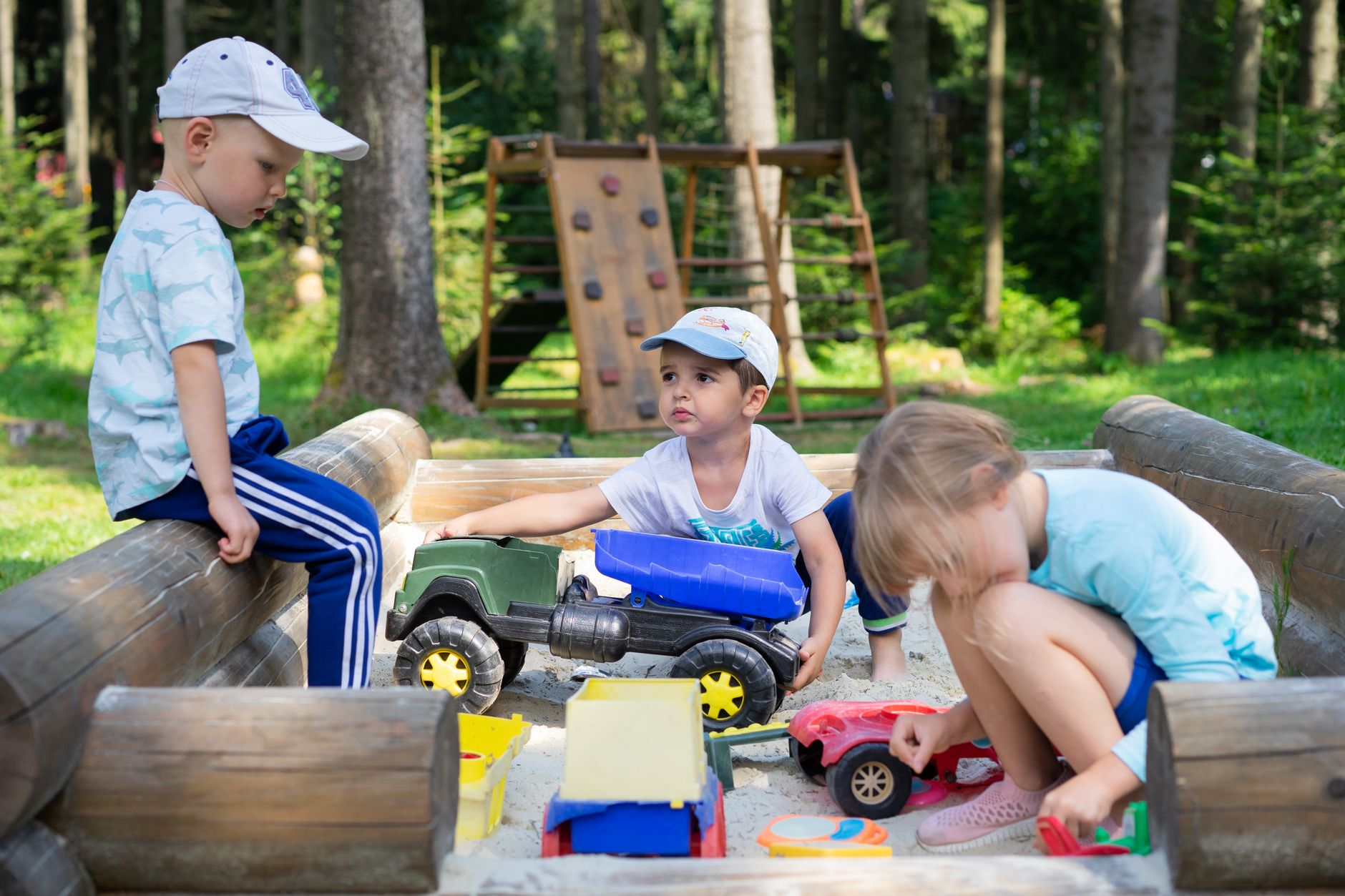 Photo by Atlantic Ambience / Pexels
Outdoor play drives physical development in ways indoor play cannot replicate: gross motor coordination, spatial awareness, risk assessment, and peer negotiation all develop more richly in unstructured outdoor environments. The right outdoor toy for each age gets children moving, challenges their developing capabilities, and does not end in frustration or injury because it is too advanced. This guide maps outdoor toy categories to developmental stages.
Ages 1-3: Movement, Balance, and Gross Motor
Toddlers are building foundational gross motor skills: walking stability, crouching and standing, throwing, and beginning to run. The right outdoor toys: push-and-ride toys (balance bikes, push cars) that build leg coordination without requiring balance independently, ball play with oversized soft balls that are easy to catch and throw, sandbox play for sensory exploration and fine motor development, and bubble play that develops tracking and reaching. Safety priorities at this age: no climbing structures above 3 feet without padded fall zones, no small outdoor pieces that can be swallowed, and constant close supervision.
Ages 3-5: Physical Challenge and Cooperative Play
Preschoolers are developing more refined coordination, beginning to cooperate in play with others, and starting to assess physical risk. The right outdoor toys: balance bikes transitioning to pedal bikes with training wheels, simple swing sets and low climbing structures with slide, sports equipment sized for small hands and bodies (T-ball sets, oversized foam balls), water tables and sprinklers for sensory outdoor play in summer, and simple sandbox sets with realistic play scenarios. At this age, children are physically capable of more than their risk assessment allows -- adult proximity remains important for climbing structures and any moving equipment.
Ages 6-9: Skill Sports, Cooperative Games, and Independent Play
School-age children can learn sport-specific skills, engage in rule-based games with peers, and manage outdoor equipment more independently. The right outdoor toys: sport equipment matched to developing coordination (soccer ball and small goal, badminton set, basketball hoop at 7-foot height), jump ropes, outdoor games with simple rules (lawn bowling, bocce, cornhole), and beginner cycling equipment including helmets and pads. This is the age range where sport equipment investments start to pay off -- children have the attention span and coordination to develop genuine skills with regular practice.
Ages 10-12: Sport Specialization and Adventure Equipment
Older children can pursue sport-specific training, handle more complex outdoor equipment, and begin pushing their physical limits with appropriate safety equipment. The right outdoor toys: sport-specific equipment for any developing interest (lacrosse stick, baseball glove, tennis racket), adventure equipment (beginner archery set, frisbee discs for distance, slack lines), full-size basketball hoop, and anything that builds toward a sport or outdoor activity the child genuinely wants to pursue. At this age, equipment quality starts to matter -- a child serious about soccer benefits from a real ball and proper boots, not toy-grade equipment.
Year-Round vs Seasonal Outdoor Toys
Bicycles, scooters, and sport equipment are functional year-round in most climates and have the highest long-term value per dollar. Trampolines are high-engagement but require substantial yard space and safety enclosures. Water toys (sprinklers, slip-and-slide, water tables) are seasonal but have peak summer engagement. Snow toys (sleds, snowball makers) are seasonal and climate-dependent. Prioritize year-round outdoor equipment first before investing in highly seasonal items, unless you live in a climate where the seasonal window is long.
Safety Hierarchy for Outdoor Toys
Outdoor toy safety operates in a hierarchy. First, match height and physical challenge to developmental stage -- children should be able to succeed with effort, not fail due to insufficient development. Second, ensure appropriate fall zones and surfaces (rubber mulch or grass, not concrete, under climbing structures). Third, require appropriate protective equipment for any wheeled or speed-involving activity (helmet mandatory for bikes, scooters, skating). Fourth, supervise at a level appropriate to the child's risk assessment maturity -- preschoolers need close supervision; independent outdoor play is appropriate and healthy for ages 8+.
Methodology: How We Evaluate Outdoor Toys
Our guidance draws from CPSC outdoor toy safety guidelines, developmental motor milestone research from the American Academy of Pediatrics, and toy testing published by Consumer Reports and Good Housekeeping. We cross-reference against aggregated verified purchaser reviews from Amazon and Target. No toy brand influences our guidance. Prices verified at time of publication.
How We Analyze Products
We analyze Amazon review data — often thousands of reviews per product — to surface patterns that individual buyers miss. Our process aggregates star ratings, review counts, and buyer sentiment at scale, identifying which strengths and weaknesses appear consistently across the largest review samples available.
Each product earned its placement through data: total review volume, average rating, and the specific praise and complaints that repeat most often across buyers. No manufacturer paid for placement on this page. Products appear here because buyers endorsed them at scale, not because a company asked us to feature them.
We use AI to summarize review sentiment — not to fabricate opinions, but to condense what thousands of buyers actually wrote into a readable format. The pros and cons you see reflect the most common themes found in verified purchaser reviews, paraphrased for clarity. We do not claim to have accessed Reddit, YouTube, or specific publications in generating these summaries.
Prices shown reflect Amazon pricing at the time this page was last generated. Click “See Today’s Price” to get the current live price on Amazon. Read our full methodology →