Best Camping Cooler 2026: Hard and Soft Coolers Compared

The Coleman Classic Hard Cooler at $54.10 is the best camping cooler for most car camping trips. The AO Coolers 24-Pack Soft-Sided at $70.95 is better for hiking and day trips.
See Today’s Price →At a Glance
Showing 3 of 3 products
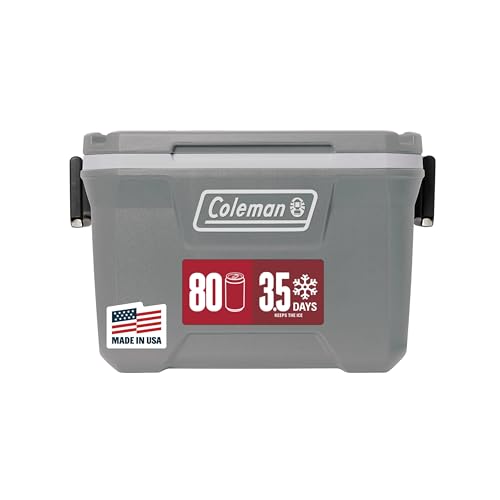
Coleman Classic Insulated Portable Cooler Leak-Resistant Hard
“The Coleman Classic cooler is the affordable baseline for family camping — reliable ice retention for 1-2 days, sufficient capacity for a weekend trip, and durable enough to last years of seasonal use”
See Today’s Price →
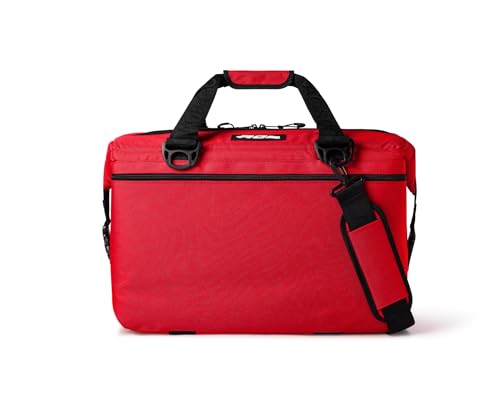
AO Coolers 24-Pack Soft-Sided Cooler
“The best soft cooler for 1-2 day trips — welded seams, genuine 24-hour ice retention, and rolls up flat for storage.”
See Today’s Price →What we like
- Soft-sided and lightweight
- 24-hour+ ice retention
- Fully welded and leak-proof
- Rolls up for storage
Watch out for
- Limited to 1-2 day trips
- Less ice retention than hard coolers
- No rigid structure

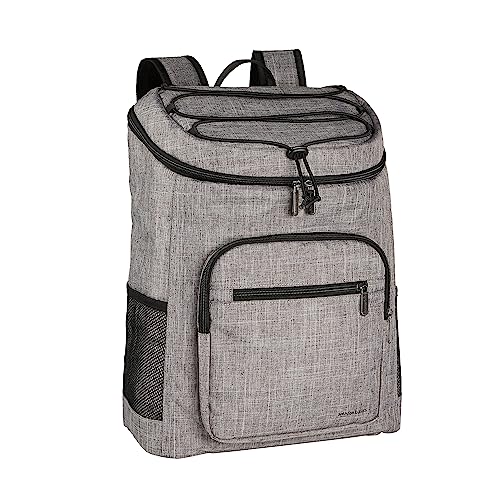
Amazon Basics Insulated Cooler Backpack 30-Can Soft Sided Leak-Proof
“A practical backpack cooler for solo day use, fishing trips, and picnics where a separate cooler would be cumbersome. The backpack format frees hands for hiking and beach activities.”
See Today’s Price →Camping Cooler Buying Guide
 Photo by apertur 2.8 / Pexels
Hard Cooler vs Soft Cooler
Hard coolers (Coleman Classic): Superior ice retention — 3-5 days with proper packing (pre-chill cooler, pack with ice-to-food ratio of 2:1, minimize opening). Rigid walls protect food. Heavy when full. Better for car camping and base camp use. Soft-sided coolers (AO Coolers, insulated backpacks): Lighter, more packable, can be carried as a bag. Shorter ice retention (1-2 days maximum). Better for beach days, day hikes, picnics, and situations where portability matters more than ice life.
Ice Retention — What the Claims Mean

Budget hard coolers (Coleman, Igloo at $30-60) hold ice for 2-3 days when properly used. Premium coolers (YETI, Pelican at $200-400) hold ice 5-7 days. The premium is real but the justification depends on trip length: for a 3-day weekend camping trip, the $54 Coleman is sufficient. For a 7-day backpacking resupply or offshore fishing, the YETI justifies the premium. Key technique for any cooler: pre-chill with ice for 30 minutes before packing, use block ice (lasts 50% longer than cubed), and keep the cooler in shade.
Sizing Guide
24-quart (Coleman Classic): 2 people for 2 days, or day trip for 4. Fits 24 cans. 48-quart: 4 people for 2-3 days, or 2 people for 4-5 days. Most popular family size. 70+ quart: Large groups, extended trips, or ice-heavy fishing. Heavy — typically stays at camp. The 24-pack soft cooler reference holds 24 cans with minimal ice or 18 cans with adequate ice — suitable for a long day trip or single overnight.
Hard Cooler Packing Tips
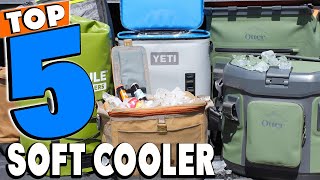
Ice packing technique determines ice life more than cooler quality. Pack in layers: bottom ice, food layer, ice on top. Seal any air gaps — warm air is the enemy of ice life. Keep raw meat at the bottom (coldest, most contained). Pre-freeze any food that can be frozen (it acts as additional ice). Block ice lasts 50% longer than cube ice — buy blocks or freeze water in gallon jugs. Keep the cooler in shade or covered with a reflective tarp during the hottest part of the day.
Budget Cooler vs Premium Cooler
Coleman Classic at $54: 2-3 days ice retention, 24-quart, drain plug, rust-resistant hardware. AO Coolers at $70: soft-sided, 24-pack capacity, 1-2 day ice retention, packable. Budget coolers cover 90% of camping use. The $200-400 premium (YETI, Pelican) is justified for: serious hunters and anglers who need 7-day ice life, people who camp in bear country (bear-certified coolers), or those who want a lifetime warranty on an investment piece.
Related Guides
Frequently Asked Questions
What cooler ice retention should I expect?
What's the difference between hard and soft coolers?
What size cooler do I need?
Is Yeti worth the price over RTIC or Pelican?
How do I maximize ice retention in any cooler?
How We Analyze Products
We analyze Amazon review data — often thousands of reviews per product — to surface patterns that individual buyers miss. Our process aggregates star ratings, review counts, and buyer sentiment at scale, identifying which strengths and weaknesses appear consistently across the largest review samples available. The 9,237+ reviews analyzed on this page represent real verified-purchase feedback from Amazon buyers.
Each product earned its placement through data: total review volume, average rating, and the specific praise and complaints that repeat most often across buyers. No manufacturer paid for placement on this page. Products appear here because buyers endorsed them at scale, not because a company asked us to feature them.
We use AI to summarize review sentiment — not to fabricate opinions, but to condense what thousands of buyers actually wrote into a readable format. The pros and cons you see reflect the most common themes found in verified purchaser reviews, paraphrased for clarity. We do not claim to have accessed Reddit, YouTube, or specific publications in generating these summaries.
Prices shown reflect Amazon pricing at the time this page was last generated. Click “See Today’s Price” to get the current live price on Amazon. Read our full methodology →