Best Carabiners (2026)

The Black Diamond Oval Carabiner is our top pick for versatile climbing and rigging use. For everyday carry and gear organization, the Nite Ize S-Biner is the most practical non-climbing carabiner.
See Today’s Price →At a Glance


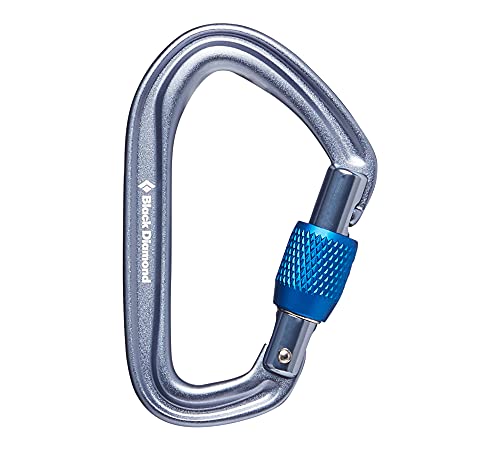
Showing 3 of 3 products
Black Diamond Gridlock Screwgate Carabiner
“A reliable locking carabiner from Black Diamond suited for personal anchors, belay loops, and gear organization on a rack. The auto-locating sleeve makes one-handed clipping manageable.”
See Today’s Price →
Black Diamond RockLock Screwgate Carabiner
“Black Diamond's RockLock screwgate carabiner is a trusted belay device anchor for climbing gyms and outdoor crags. The steel construction provides more durability than aluminum in high-repetition bela”
See Today’s Price →
Carabiners (2026) Buying Guide
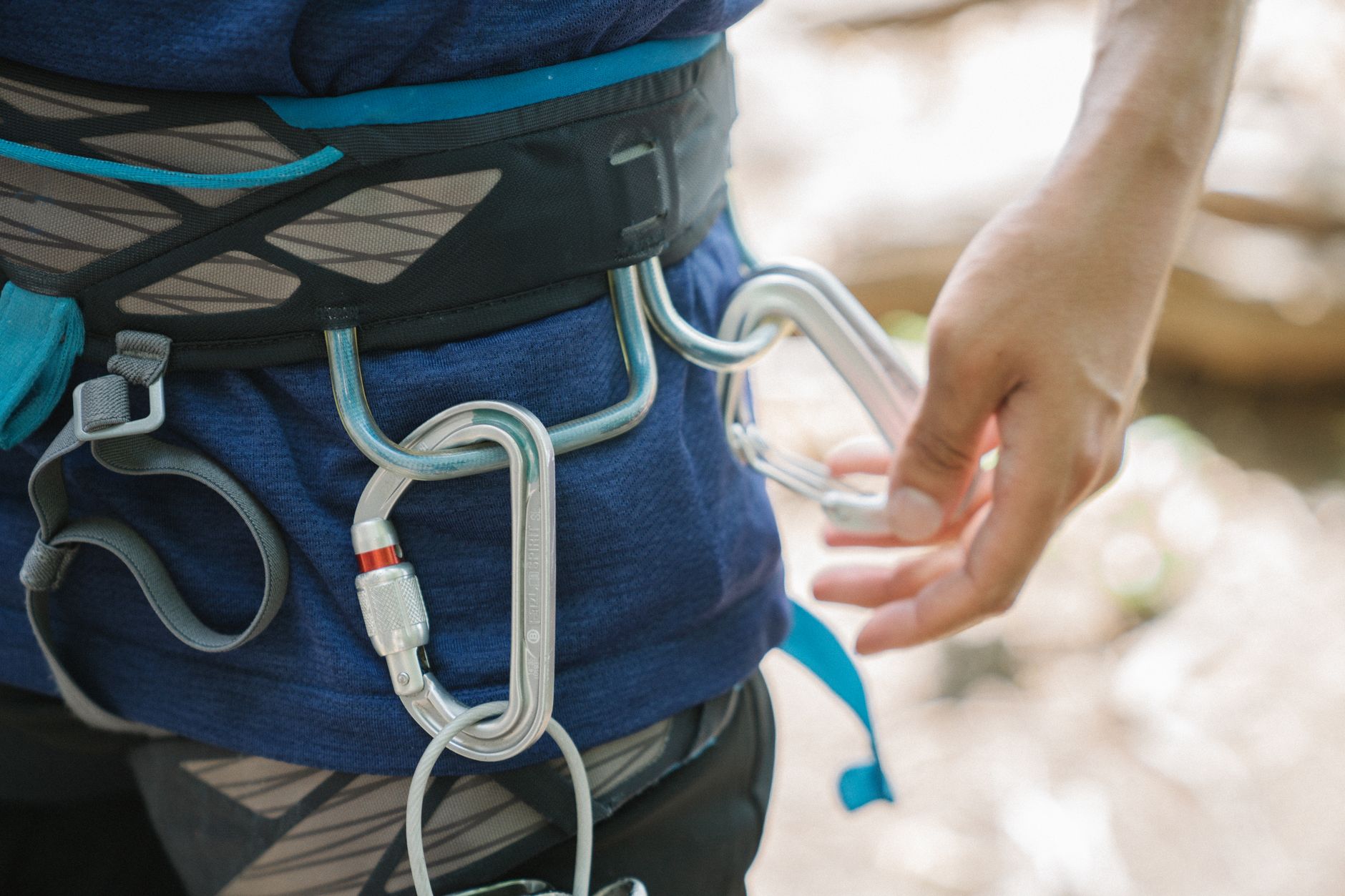 Photo by Katya Wolf / Pexels
Best Carabiner: Black Diamond Oval Carabiner (Locking) or Nite Ize S-Biner (Non-Climbing)
For actual climbing and safety applications: the Black Diamond Oval locking carabiner costs around $10-14 and is CE/UIAA certified for life-safety use. The locking sleeve prevents accidental gate opening under load. The oval shape distributes load evenly, which matters for pulleys and gear organization on a rack. For non-climbing uses (attaching gear to a pack, key management, camping organization): the Nite Ize S-Biner at $5-8 is the practical keychain and gear clip that handles everyday loads without the cost and weight of a climbing carabiner. The critical distinction is that non-locking, non-rated carabiners should never be used for climbing or fall protection regardless of how strong they look.
Climbing vs. Non-Climbing Carabiners
Climbing carabiners are UIAA or CE certified and rated for specific kN loads — typically 20-25 kN on the major axis. This certification means the carabiner has been tested to the standard that covers fall forces in climbing. Non-climbing carabiners (keychain clips, gear clips) have no safety rating and should never be used to arrest a fall or secure a load where failure causes injury. The visual similarity between a $5 gear clip and a $12 certified climbing carabiner is one of the most dangerous equipment mismatches in outdoor recreation.
Gate Types
Locking (screw gate, twist gate, auto-lock): Required for anchors, belay devices, rappel setups, and any safety-critical connection. The lock prevents accidental opening under load or contact with rock.
Non-locking (wire gate, solid gate): Quick-clip for clipping protection and draws during sport and trad climbing. Lighter and faster to clip than locking types. Not suitable for anchor and belay connections.
Wiregate vs. solid gate: Wiregate carabiners are lighter and do not freeze shut in cold weather. Solid gates are slightly stiffer and feel more robust. Both are equally rated; wiregate is preferred by alpine climbers for weight and cold-weather reliability.
The Bottom Line
Black Diamond Oval or BD RockLock for certified climbing applications at $12-15. Any UIAA/CE-rated carabiner from Petzl, Camp, or Mammut for climbing. Nite Ize S-Biner for gear organization and keychain use at $6. Never substitute a non-rated carabiner for a rated one in any life-safety application — the difference in failure mode is a dropped piece of gear vs. a fatal fall.
Related Guides

Frequently Asked Questions
Are all carabiners safe for climbing?
What is the difference between locking and non-locking carabiners?
How do I inspect a carabiner for damage?
What should I look for when buying carabiners?
How much should I expect to spend on carabiners?
How We Analyze Products
We analyze Amazon review data — often thousands of reviews per product — to surface patterns that individual buyers miss. Our process aggregates star ratings, review counts, and buyer sentiment at scale, identifying which strengths and weaknesses appear consistently across the largest review samples available. The 2,310+ reviews analyzed on this page represent real verified-purchase feedback from Amazon buyers.
Each product earned its placement through data: total review volume, average rating, and the specific praise and complaints that repeat most often across buyers. No manufacturer paid for placement on this page. Products appear here because buyers endorsed them at scale, not because a company asked us to feature them.
We use AI to summarize review sentiment — not to fabricate opinions, but to condense what thousands of buyers actually wrote into a readable format. The pros and cons you see reflect the most common themes found in verified purchaser reviews, paraphrased for clarity. We do not claim to have accessed Reddit, YouTube, or specific publications in generating these summaries.
Prices shown reflect Amazon pricing at the time this page was last generated. Click “See Today’s Price” to get the current live price on Amazon. Read our full methodology →