Best Wild Bird Seed 2026: No-Mess, Safflower & Sunflower
Hulled sunflower hearts ($21.98/5 lb) are the best bird seed investment — nearly every feeder bird eats them, there's no shell waste, and you'll attract more species than with any mixed blend. Add a Nyjer tube feeder with thistle seed ($29.98/10 lb) specifically to attract goldfinches.
Wild Bird Seed Buying Guide
 Photo by Erik Karits / Pexels
Best Wild Bird Seed 2026: A Complete Buying Guide
Bird feeding is one of the most-participated wildlife activities in the US, with an estimated 57 million Americans feeding birds in their backyards. The right seed makes the difference between a feeder that attracts a dozen species and one that sits mostly empty. Here's what to know about which seeds attract which birds, what to avoid, and how to set up an effective feeder station.
Seeds and the Birds They Attract
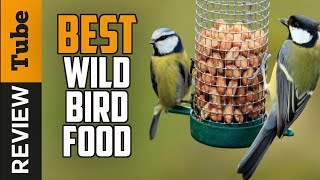
Black oil sunflower (in-shell): The single most universally attractive wild bird seed. Thin shells make it accessible to smaller birds. Attracts: almost all feeder birds including cardinals, chickadees, finches, nuthatches, sparrows, and many others. The shell creates waste under the feeder.
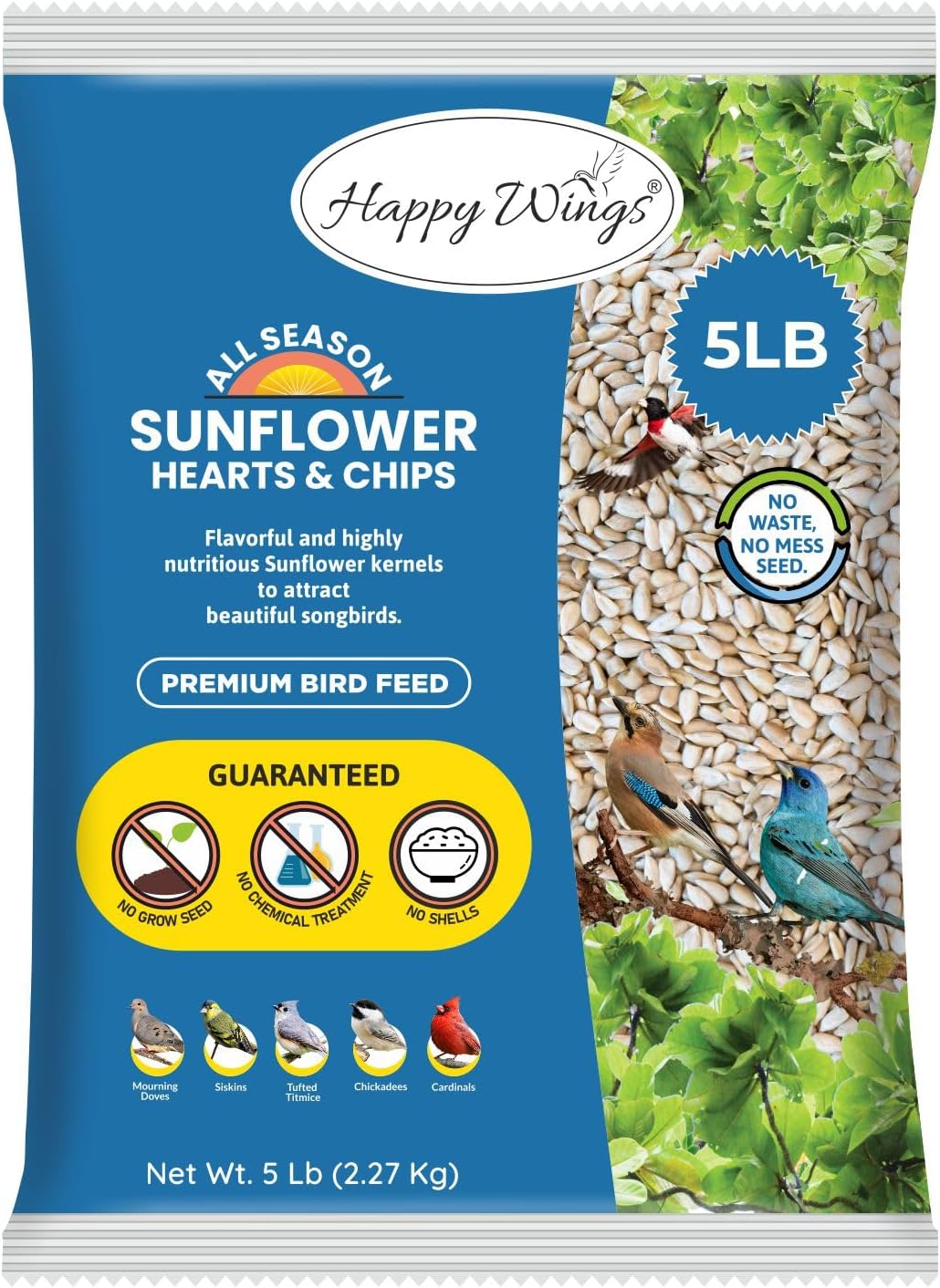
Hulled sunflower / sunflower hearts: Same appeal as black oil sunflower, but with the shell removed. Zero shell waste, accessible to even small bills. Costs more than in-shell but eliminates the shell pile that can kill grass under feeders. Best overall choice if you want maximum species variety with minimal mess. Happy Wings Sunflower Hearts and Chips Bird Food at $21.98 for 5 lb is a solid entry into hulled sunflower — no filler, no shells, and attractive to the widest range of feeder birds.
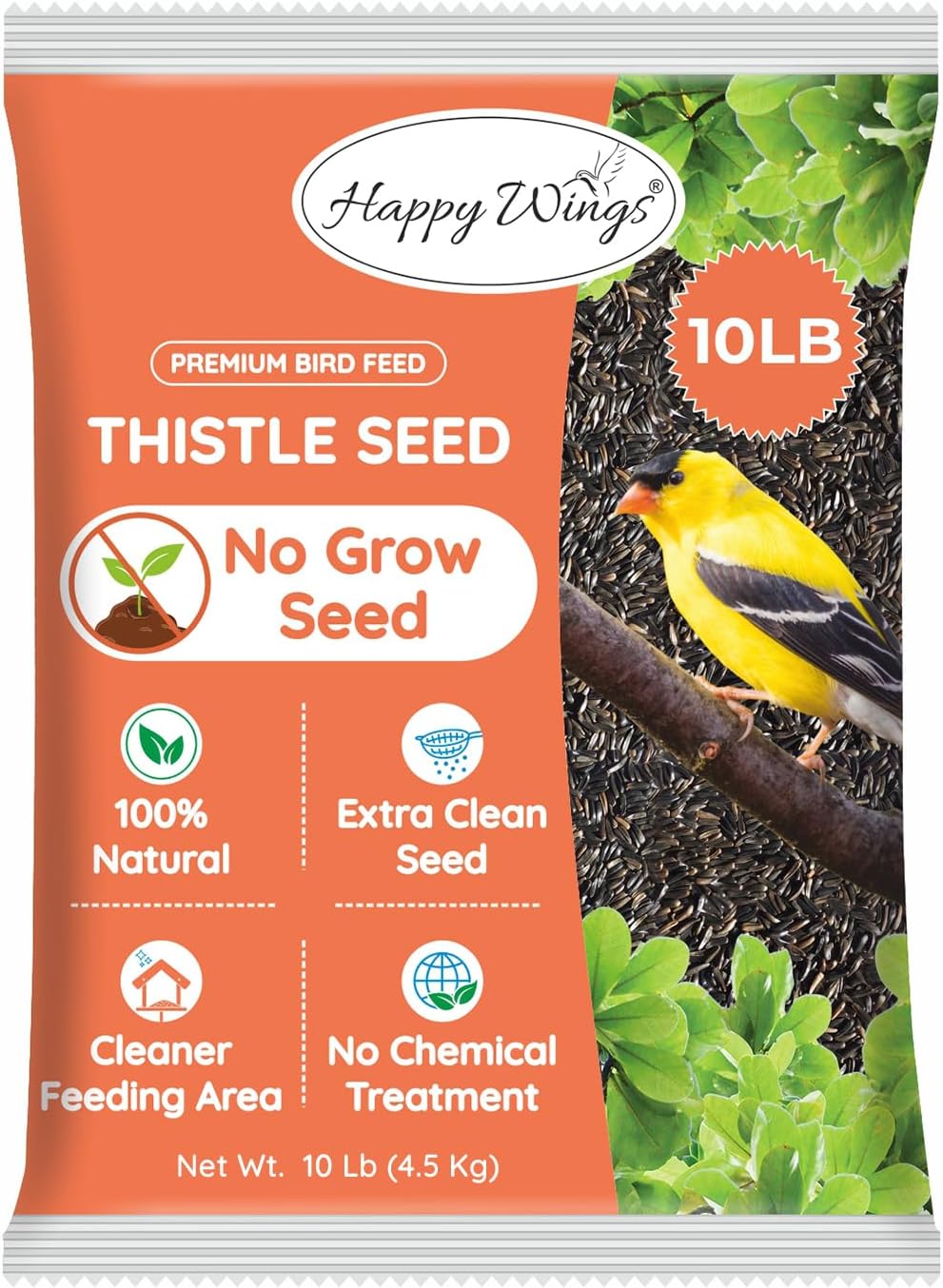
Nyjer/thistle seed: Specifically attractive to finches — goldfinches, house finches, purple finches, pine siskins. Requires a specialized Nyjer feeder with small ports. Won't attract squirrels (they don't like it). Best choice if you specifically want finches and are willing to use a dedicated feeder. Happy Wings Nyjer/Thistle Seed at $29.98 for 10 lb is a pure Nyjer option — no filler mixed in, compatible with any standard Nyjer tube feeder.
Safflower: Attracts cardinals, doves, chickadees, and native sparrows. A key benefit: squirrels and starlings typically don't like it, making it a useful "squirrel deterrent" seed to add to your mix.
White proso millet: Ground-feeding birds — mourning doves, juncos, native sparrows, towhees. Best scattered on the ground or used in low platform feeders.

Peanuts (shelled/unshelled): Jays, woodpeckers, chickadees, nuthatches, and titmice. High calorie density. Unshelled peanuts provide enrichment activity as birds work to open them.
Seeds to Avoid: Common Filler Seeds
Many budget wild bird blends use inexpensive seeds that most backyard birds won't eat:
- Milo (sorghum): Filler seed. Most common feeder birds in the Eastern US won't eat it. Western ground-feeding birds (certain sparrows, doves) eat it, but most buyers are in the East.
- Red millet: Most backyard birds ignore it. Falls to the ground and rots.
- Oat groats: Starlings and house sparrows love them; most desirable native birds ignore them.
- Wheat: Low appeal to most backyard birds. Used as cheap filler.
The presence of these seeds in a "wild bird blend" is a quality indicator. Look for blends that list only sunflower, safflower, millet, and peanuts in their ingredients — no milo, no red millet.
Feeder Types and Which Seeds They Use
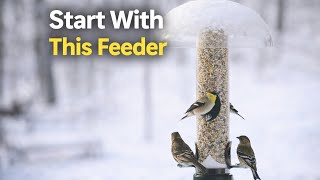
- Tube feeders: Best for sunflower seeds (black oil or hulled). Standard port size fits sunflower; small port tubes accommodate Nyjer.
- Platform/tray feeders: Works with any seed. Ground-feeding birds also visit. Most susceptible to moisture and contamination.
- Hopper feeders: The "house"-style feeder. Good for sunflower and mixes. Birds perch and pick; seed protected from rain.
- Nyjer tube feeders: Tiny ports specifically for Nyjer/thistle seed. Fine mesh sock feeders also work for Nyjer.
- Suet feeders: Wire cage for suet cakes. Attracts woodpeckers, nuthatches, starlings. Used separately from seed feeders.
What to Look For: Budget vs. Premium Bird Seed
Budget blends ($10-15/5 lb): Usually contain significant filler. Fine if you're attracting any bird (including house sparrows and pigeons) and don't mind waste under the feeder.
Quality blends ($20-30/5-10 lb): No-filler blends and hulled sunflower. More expensive per pound but more consumed per pound (less waste). Total cost of feeding quality-seed birds is often comparable to budget seeds once waste is factored in. Nature Anywhere Wild Bird Seed Blend No-Filler at $24.90 is a good example of this tier — sunflower, millet, and peanut components without milo or red millet filler.
Specialty seeds ($25-35/10 lb): Nyjer, safflower, shelled peanuts. For targeting specific bird species rather than general feeder activity.
Feeder Hygiene: The Overlooked Essential
Dirty feeders are the primary cause of bird disease transmission at backyard feeders. Wet seed mold develops quickly; accumulated droppings spread illness. Best practices:
- Clean feeders every 1-2 weeks during active feeding seasons (fall-winter)
- Scrub with a stiff brush using a solution of 9 parts water to 1 part bleach
- Rinse thoroughly and allow to dry completely before refilling
- Remove and discard any wet or moldy seed — don't push it down into fresh seed
- Rake up shells and rejected seed under the feeder to prevent disease accumulation
Frequently Asked Questions
Related Guides

At a Glance


Showing 3 of 3 products
Happy Wings Sunflower Hearts and Chips Bird Food 5 lb
“Hulled sunflower hearts are the gold standard for attracting seed-loving birds cleanly.”
See Today’s Price →What we like
Watch out for
Read Full Analysis
The Happy Wings Sunflower Hearts and Chips Wild Bird Food (5 lb) contains hulled sunflower seeds and chips — sunflower seeds with the shell removed. Hulled sunflower is the gold standard for backyard bird feeding for two reasons: almost every North American bird species eats it (finches, cardinals, chickadees, nuthatches, titmice, woodpeckers, sparrows, jays), and there is zero shell waste — no pile of sunflower shells under the feeder that suppresses grass growth. The chips (broken pieces) are accessible to smaller birds and bills that can't handle whole kernels. At $21.98 for 5 lbs, this is moderately priced for hulled sunflower — hulled is more expensive than in-shell because of the processing, but the elimination of shell waste and the broader species appeal justify the premium.
Nature Anywhere Wild Bird Seed Blend No-Filler
“A thoughtful no-waste blend that reduces shell mess and attracts a variety of species.”
See Today’s Price →What we like
Watch out for
Read Full Analysis
The Nature Anywhere Wild Bird Seed Blend No-Filler is specifically formulated without the cheap filler seeds that dominate most discount wild bird blends. Standard budget wild bird seed mixes use milo (sorghum), red millet, and oat groats as fillers — seeds that most common backyard birds won't eat and push aside. The rejected filler seeds accumulate under the feeder and can harbor mold and bacteria. No-filler blends contain only seeds birds actually consume: sunflower, safflower, white millet (for doves and sparrows), peanut pieces. The result is less waste under the feeder, lower total cost per consumed ounce, and often better bird variety. At $24.90 it's the mid-range choice for everyday feeder filling.
Happy Wings Nyjer/Thistle Seed Wild Bird Food, 10 Pounds
“Premium nyjer seed that draws colorful finches when used in a tube feeder.”
See Today’s Price →What we like
Watch out for
Read Full Analysis
The Happy Wings Nyjer/Thistle Seed Wild Bird Food (10 lb) is a specialized seed for finch feeding. Nyjer (also called thistle seed, though it's actually from a different plant — Guizotia abyssinica, an African flowering plant) is specifically attractive to: American Goldfinch, House Finch, Purple Finch, Pine Siskin, Common Redpoll, and Lesser Goldfinch. These finch species typically won't visit sunflower feeders as eagerly. A tube feeder with small Nyjer ports (sold separately) will attract goldfinches specifically. Nyjer is processed with heat to prevent germination, so it won't sprout under your feeder. At $29.98 for 10 lbs the per-pound cost is reasonable for specialty seed. Note: Nyjer requires a dedicated Nyjer feeder with small ports — it falls through standard tube or hopper feeder openings.
Frequently Asked Questions
What's the best seed to attract the most birds?
Do squirrels eat sunflower seed?
Why do birds reject the seeds in my feeder?
What's the difference between Nyjer and regular bird seed?
When should I stop feeding birds?
How We Analyze Products
We analyze Amazon review data — often thousands of reviews per product — to surface patterns that individual buyers miss. Our process aggregates star ratings, review counts, and buyer sentiment at scale, identifying which strengths and weaknesses appear consistently across the largest review samples available. The 3,461+ reviews analyzed on this page represent real verified-purchase feedback from Amazon buyers.
Each product earned its placement through data: total review volume, average rating, and the specific praise and complaints that repeat most often across buyers. No manufacturer paid for placement on this page. Products appear here because buyers endorsed them at scale, not because a company asked us to feature them.
We use AI to summarize review sentiment — not to fabricate opinions, but to condense what thousands of buyers actually wrote into a readable format. The pros and cons you see reflect the most common themes found in verified purchaser reviews, paraphrased for clarity. We do not claim to have accessed Reddit, YouTube, or specific publications in generating these summaries.
Prices shown reflect Amazon pricing at the time this page was last generated. Click “See Today’s Price” to get the current live price on Amazon. Read our full methodology →